
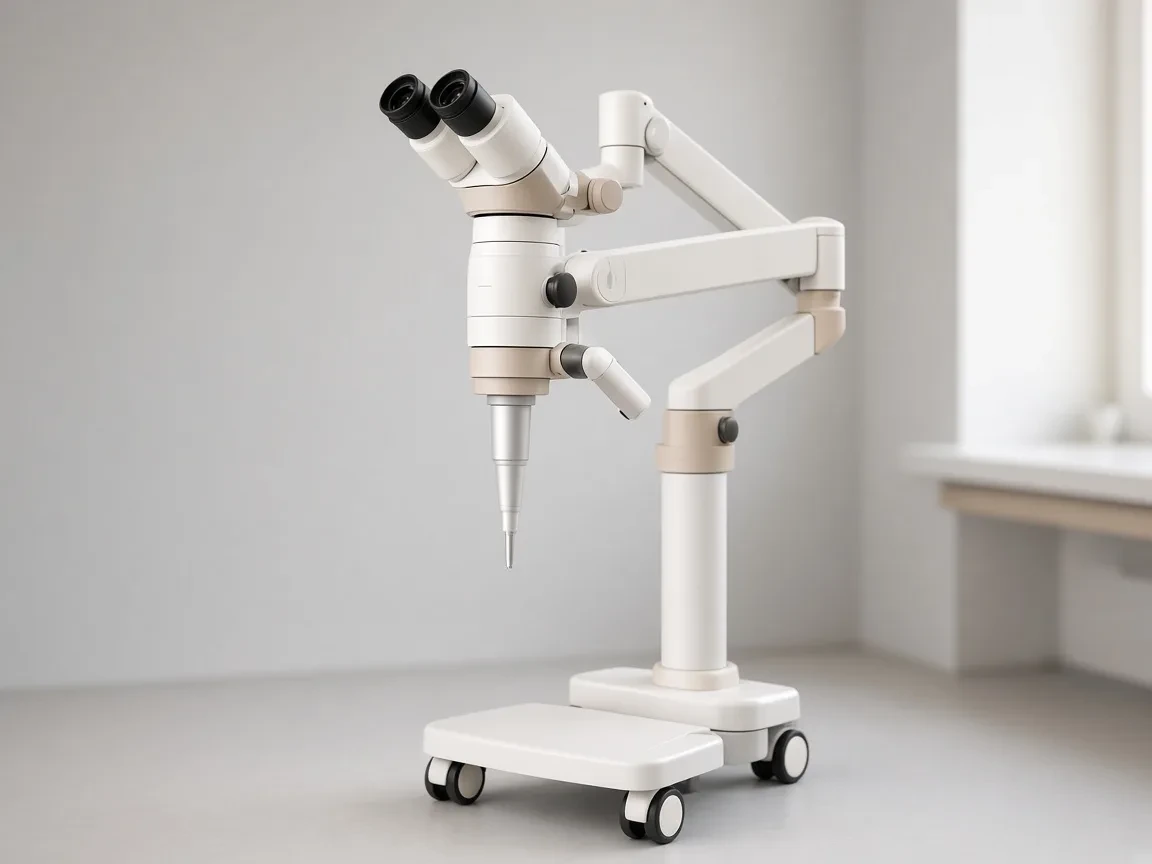
Dental Operating Microscopes: How to Choose.
How to choose a dental operating microscope: the mount, the magnification steps, and how Zeiss, Global, and Zumax differ from loupes.

Reviewed by Dr. Sean Myran, DMDDoctor of Dental Medicine, University of Pennsylvania
How we rank explains how these product lists are ordered.
An operating microscope is magnification on a mount, with its own light, for the procedures where one loupe power is not enough. It is not dental loupes. Loupes travel with you. The microscope stays with the chair. This page does not print a magnification chart. The steps on the quote are the steps you are buying.
How to choose an operating microscope
- The mount is part of the quote. A floor stand rolls between rooms and needs floor space. A wall or ceiling mount stays in one room and needs the structure and the installer. A binocular head without a mount is not a working microscope.
- Steps, not one number. Loupes are one magnification until you buy another pair. A microscope changes power during the procedure. Read the steps printed for that model. A higher top step is not useful if the lower steps are the ones you will actually use. This page does not copy one brand’s steps onto another.
- The light is in the scope. You are not adding the headlamp from a loupe frame. Ask to look at a shade tab, and into a molar, with the light the quote includes. A demo head with a brighter loaner light is the wrong test.
- A camera and assistant optics are extra lines. A beam splitter, a camera, and a second set of binoculars are often separate. If you want photos, or a second person seeing the same field, those have to be on the quote.
- Who will sit there. Endodontics and long restorative appointments are the usual reasons. A microscope in a room where nobody is trained to use it is a stand in the corner. One doctor using it does not mean every room needs one.
- Reach the chair you have. The scope has to meet the patient reclined the way you already work. Ask to position it on a person in that room. Working distance is a fitting, the same way it is for loupes. Do not copy a number from a brochure onto your posture.
How the microscope lines differ
Treat the table as product differences, not a score. Magnification steps stay on each model’s own sheet.
| Line | What you are buying | Best fit | Watch for |
|---|---|---|---|
| Zeiss | A Zeiss dental microscope. Confirm whether the quote is EXTARO or an OPMI | An office that wants Zeiss optics and is ready to read the model name | EXTARO and OPMI are not the same head and not the same mount. A camera is often a second line |
| Global Surgical | Global’s dental microscope | A US office comparing a dental scope with Zeiss | Confirm the mount, the light, and whether assistant binoculars are in the kit |
| Zumax | Zumax’s dental microscope | The other quote beside Zeiss and Global | Confirm the steps and the mount. Do not assume a Zumax arm fits a Zeiss mount |
Zeiss
Zeiss is the line to name when the quote says Zeiss and nothing else. EXTARO is the dental model. OPMI is the broader surgical line and still shows up on dental quotes. They are not interchangeable heads. Read the model, then read the mount. A camera or a recording kit is often a second line. The microscope does not replace loupes in a room where you will not sit at the scope.
Global Surgical
Global is the dental microscope many US offices put on the quote next to Zeiss. Choose it when that dealer can install the mount in the room you have. Confirm the light and the binoculars are the ones in the box, not a showroom set. The steps are on Global’s sheet for that model. They are not the Zeiss steps.
Zumax
Zumax is the other dental microscope to put on the same quote. The buying question is which Zumax, which mount, and which steps. A different mount is a different machine. Do not assume the arm, the objective, or the camera from a Zeiss or Global quote fits this one. Seiler is the other US line to ask for when you want one more quote. Read that model’s mount and steps the same way.
Related guides
Operating microscope questions
Do I still need loupes?
Yes, for any room or procedure where you will not be sitting at the microscope. Loupes are one magnification you wear. The microscope is several steps, and it stays behind.
Does the quote include a camera?
Ask. A beam splitter and a camera are often separate lines. A microscope that cannot take the photo you wanted is still a microscope. It is not the documentation system until those parts are listed.
Can I move it between rooms?
Only when the quote is a floor stand. A ceiling or wall mount does not roll down the hall. If two rooms need the scope, say that before you accept a mount that lives in one place.
Related articles
Keep exploring related topics from Dental Country.
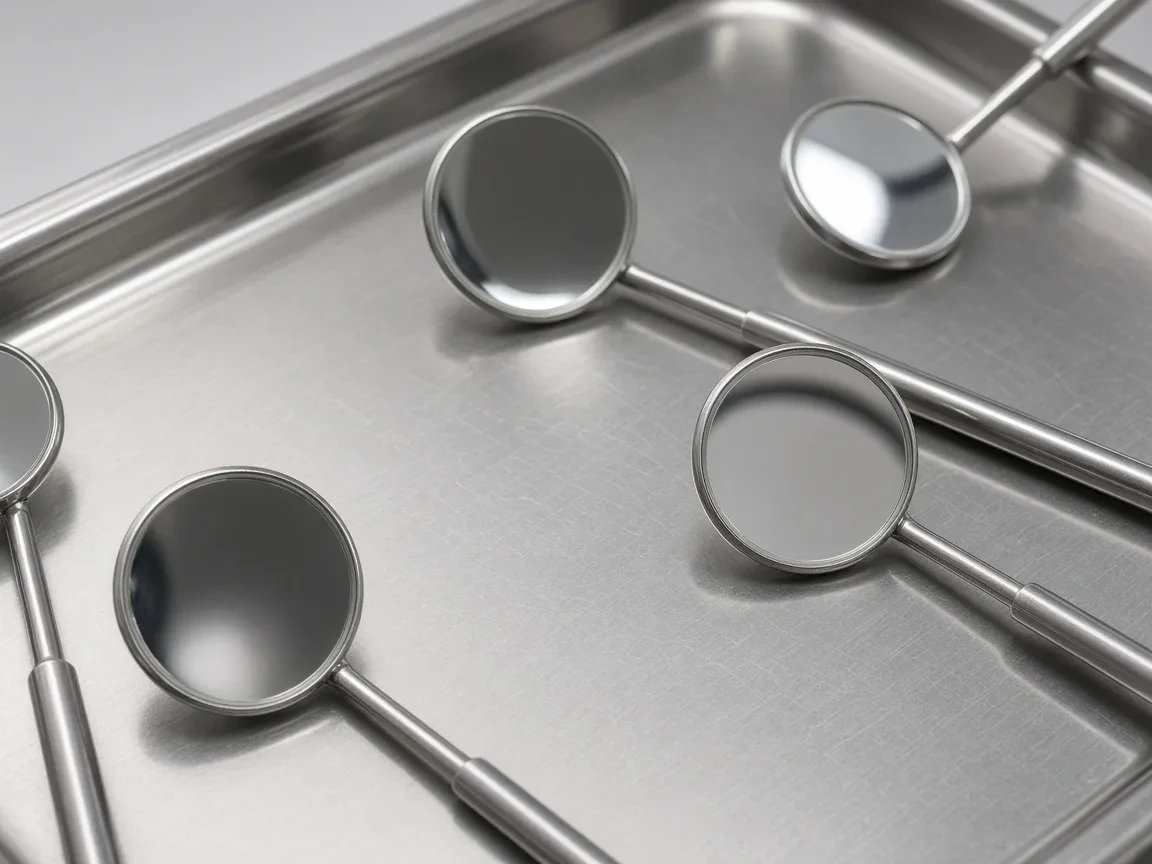
Dental Mouth Mirrors: How to Choose
How to choose a mouth mirror head: socket, size, and coating, including rhodium, black-line, magnifying, and Crystal HD.
Read article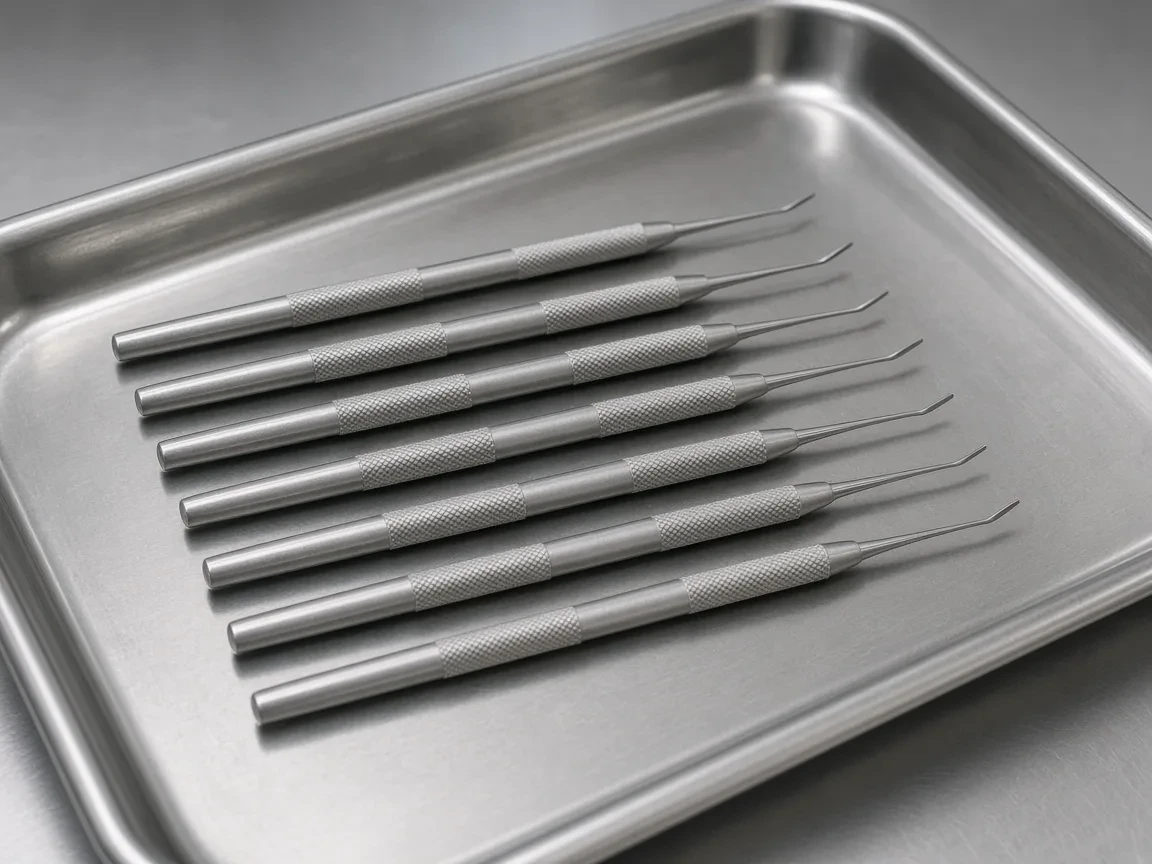
Dental Periotomes: How to Choose
How to choose a periotome: anterior and posterior blades from Premier, Hu-Friedy, Directa Luxator, TBS, and Nordent.
Read article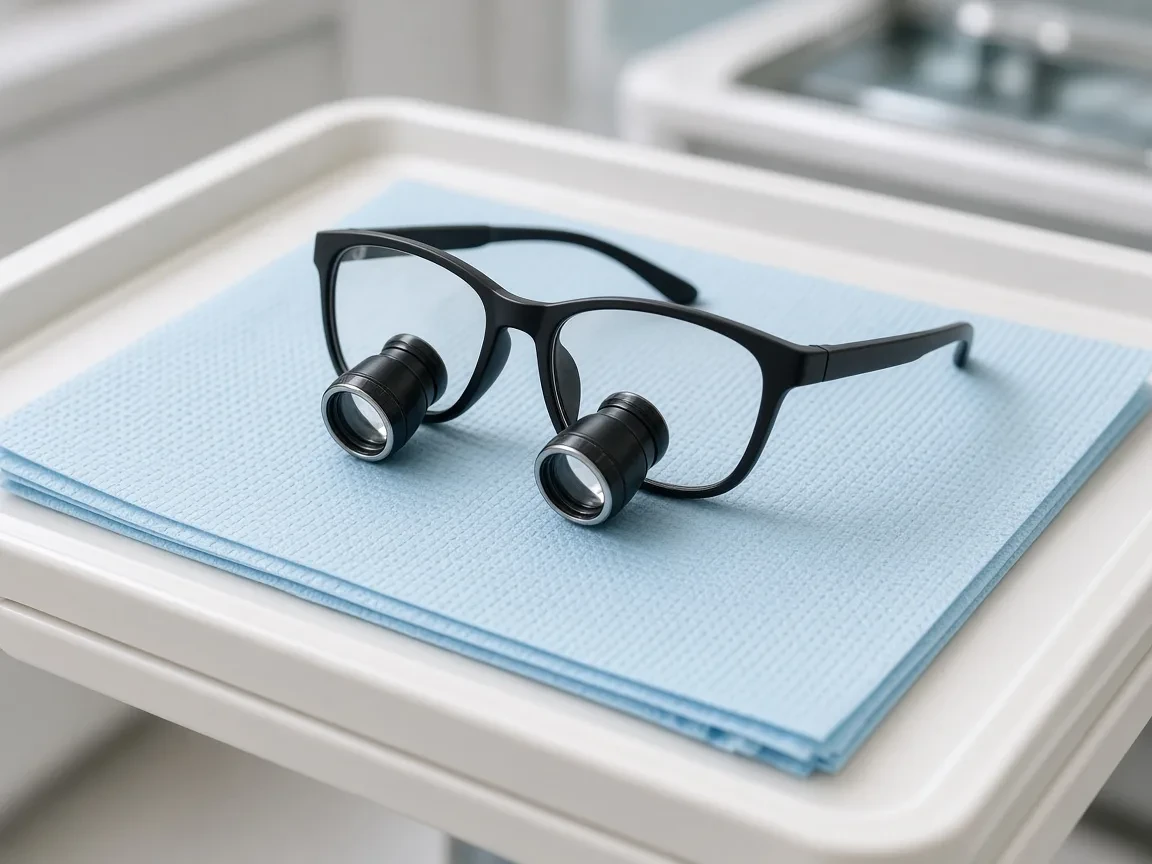
Dental Loupes: How to Choose
How to choose dental loupes: magnification, working distance, TTL or flip-up, and how Designs for Vision, Orascoptic, SurgiTel, and Q-Optics differ.
Read article
Dental Endodontic Motors: How to Choose
How to choose an endodontic motor: rotary or reciprocating, cordless or with a built-in apex locator, and how Morita, X-Smart, and NSK differ.
Read article