
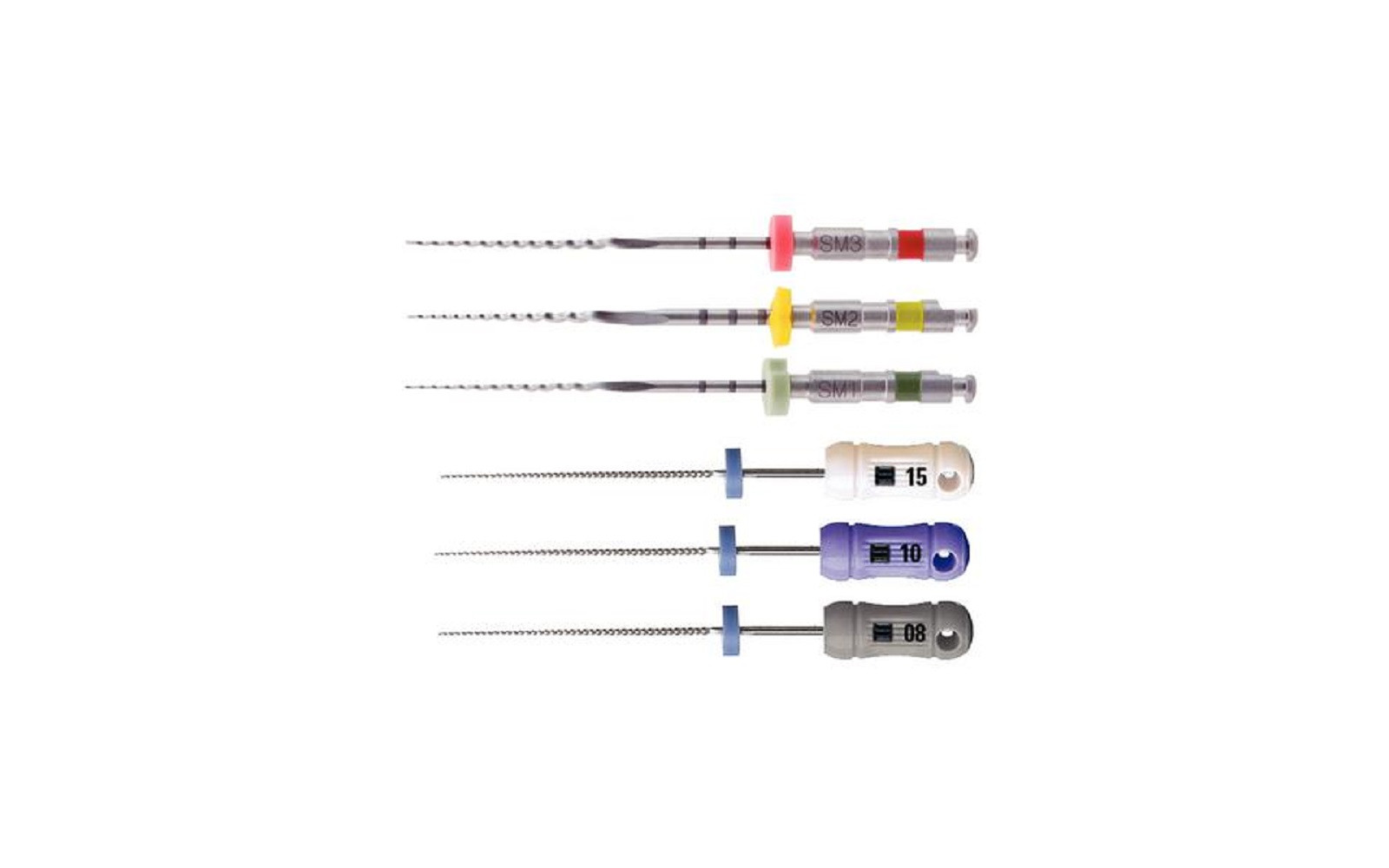
Top 10 Endodontic Rotary Files.
NiTi files by motion and metal: TF Adaptive, K3 versus K3XF, HyFlex CM, and HyFlex EDM.

Reviewed by Dr. Sean Myran, DMDDoctor of Dental Medicine, University of Pennsylvania
How to Choose an Endodontic Rotary File
This list is the Kerr, Coltene, and Patterson NiTi files in the original ranking — TF Adaptive, Twisted Files, ZenFlex, K3, K3XF, Traverse, a Patterson house file, and HyFlex CM and EDM. It is not a tour of every reciprocating system. ProTaper Gold and WaveOne Gold are common comparisons in reviews; they are not SKUs on this page. Buy the motion your motor actually runs.
Metallurgy decides whether a file can be pre-bent and whether it wants to straighten a curve. Ground K3 is a stiffer, active cutting file. K3XF and ZenFlex are heat-treated and more flexible. TF and TF Adaptive are twisted rather than ground. HyFlex CM and HyFlex EDM are controlled-memory files you can pre-bend; EDM adds an electrical-discharge-machined surface and a shorter sequence. A glide-path file (Traverse) is not a finishing file.
Buying criteria that actually change the outcome
- Motion — TF Adaptive is designed for Kerr’s Adaptive Motion on an Elements motor, which changes between rotation and reciprocation as the file loads. Twisted Files, ZenFlex, K3, K3XF, Traverse, and HyFlex run in continuous rotation. Do not put an Adaptive file on a generic rotary preset and call it the same procedure.
- Heat treatment vs ground NiTi — controlled-memory and other heat-treated files follow curves and can be pre-curved. Conventional ground files cut efficiently and transport curved canals when you lean on them.
- Sequence length — K3 and Twisted Files are multi-file sequences. Coltene’s HyFlex EDM literature says small, straight canals may be shaped with the OneFile after a glide path. Fewer files is not fewer irrigations.
- Glide path vs shaping — Traverse in this listing is a 0.06-taper rotary glide-path file. Establish the path, then switch to the shaping file. A 0.06 pathfile removes more dentin than a 0.02 scout.
- Length and package — most of these refills are 25 mm. A 21 mm tooth does not need a 25 mm file working to the stopper. Match the refill length to the tooth before you compare brands.
| File | Maker | Metallurgy and motion | Role in the canal | Watch-out |
|---|---|---|---|---|
| TF Adaptive, small canals | Kerr | Twisted NiTi; Adaptive Motion | Small-canal assortment for the Elements adaptive motor | Not a continuous-rotary preset |
| TF Twisted Files | Kerr | Twisted, not ground; continuous rotation | Rotary shaping sequence | Different motion from TF Adaptive |
| TF Adaptive procedure packs | Kerr | Same Adaptive files, procedure packaging | A case pack rather than a small-canal refill | Still needs Adaptive Motion |
| ZenFlex | Kerr | Heat-treated NiTi; continuous rotation | Shaping files, 25 mm in this listing | Flexibility is not adaptive motion |
| K3 | Kerr | Ground NiTi, positive rake; continuous rotation | Classic shaping sequence, 25 mm | Stiffer than K3XF or HyFlex in curves |
| Patterson NiTi | Patterson | House-brand rotary; motion not a named system | 25 mm refill, 6 per pack | Do not assume controlled memory |
| K3XF | Kerr | Heat-treated K3; continuous rotation | More flexible K3 shaping, 25 mm | Not the original K3 and not HyFlex EDM |
| HyFlex CM | Coltene | Controlled memory; pre-bendable; continuous rotation | Shaping files, 25 mm | Shape returns with heat; it is not the EDM surface |
| Traverse | Kerr | Rotary glide path, 0.06 taper in this SKU | Glide path before shaping, 4 per pack | Not a finishing file; 0.06 is a wide path |
| HyFlex EDM | Coltene | EDM surface plus controlled memory; continuous rotation | Reduced sequence; refills of 3 | Follow Coltene’s rpm and torque, not a K3 preset |
Isolation and obturation around the file: rubber dam clamps · obturation systems
1. TF Adaptive Files, Small Canals — Kerr

Kerr TF Adaptive files are twisted nickel-titanium — twisted, not ground — and they are designed for Adaptive Motion on Kerr’s Elements motor. That motion stays in rotation until the file is stressed, then switches toward reciprocation. The small-canal refill (4 per pack in this listing) is the narrow-canal end of that system, not a general-purpose rotary you drop into any endo motor.
Twisting is Kerr’s durability argument: it preserves grain structure instead of cutting across it the way grinding does. The clinical requirement that actually changes your setup is the motor. If the practice does not own Adaptive Motion, this refill is the wrong first purchase; buy a continuous-rotary file (ZenFlex, K3XF, HyFlex) or add the motor with the files, not after the first separated instrument.
Who it is for: Endodontists and GPs who already shape with an Elements motor in Adaptive Motion and want the small-canal TF Adaptive assortment.
Tradeoff: A reciprocation program from another manufacturer is not automatically Adaptive Motion. Small-canal files are the wrong choice for a wide, straight retreat where you need a larger tip. Sterilize and discard on the schedule Kerr prints; twisted is not the same claim as infinite reuse.
2. TF® Twisted Files — Kerr

Kerr Twisted Files are the continuous-rotation version of Kerr’s twisted NiTi. They are not ground into shape. You run them on a rotary preset, in a sequence, the way you would a conventional rotary system. The 3-pack in this listing is a refill of that rotary file, not an Adaptive Motion pack.
The distinction from item 1 is the motor setting. Same family name, different kinematics. TF in continuous rotation will not perform the load-based switch Adaptive Motion is built for, and TF Adaptive files should not be “close enough” on a TF rotary preset. Use Twisted Files when you want Kerr’s twisted metallurgy and you want to stay in rotation.
Who it is for: Practices that shape in continuous rotation and want twisted NiTi rather than a ground file or a controlled-memory file.
Tradeoff: You still need a glide path and a sequence, not a single magic taper. Twisted files are flexible relative to older ground NiTi; they are not HyFlex EDM and they do not regenerate shape in an autoclave the way Coltene describes for HyFlex. Match tip size and taper to the canal you just scouting, not to the color you remember from school.
3. TF Adaptive Procedure Packs — Kerr

These are Kerr TF Adaptive files sold as procedure packs (6 per pack in this listing) rather than as the small-canal refill in item 1. The metallurgy and the motion do not change. You are buying a case-sized assortment — the files for one Adaptive protocol laid out together — instead of a pile of identical small-canal refills.
Procedure packs make sense when every clinician in the office uses the same Adaptive sequence and you want the setup to match the motor’s preset. They are a poor purchase if half the office is still on continuous-rotation K3 or HyFlex. The pack will sit open, the wrong file will go into the wrong motor, and the “system” will get blamed.
Who it is for: Offices standardized on TF Adaptive who want procedure packs for operatory setup rather than bulk refills of one size.
Tradeoff: Packaging is not a new file. You still need the Elements Adaptive Motion. A procedure pack that includes sizes you never use is more expensive per canal than refills of the two sizes you do use. Do not mix an Adaptive pack into a K3 cassette.
4. ZenFlex™ — Kerr

Kerr ZenFlex is a heat-treated NiTi rotary shaping file. This listing is the 25 mm length, 6 per pack. Kerr markets the heat treatment for flexibility in curved canals. It runs in continuous rotation. It does not add Adaptive Motion, and it is not a glide-path file.
Heat-treated shaping files are what you pick when K3 feels too stiff for the curve on the preoperative film and you do not want to change motors to Adaptive or to a dedicated reciprocation system. Flexibility reduces the file’s urge to straighten the canal. It does not remove the need for a glide path, irrigation, or a torque limit that matches ZenFlex’s preset rather than a K3 preset left over from last year.
Who it is for: Continuous-rotary users who want Kerr’s heat-treated shaping file for curved canals and already have 25 mm working lengths that fit the tooth.
Tradeoff: A flexible file still separates if it is locked in rotation. Confirm the rpm and torque in the current Kerr preset before the first molar. A 25 mm file in a short molar invites working long if the stopper is set casually. ZenFlex is not a substitute for HyFlex EDM’s reduced sequence unless you change the protocol, not just the brand.
5. K3™ — Kerr

Kerr K3 is the classic ground NiTi rotary from Kerr: a positive rake angle, radial lands, and a variable helical pitch, used in continuous rotation. This refill is 25 mm, 6 per pack. It cuts. It is also stiffer than the heat-treated files that came after it (K3XF on this list, and the controlled-memory HyFlex files).
There is still a reason to own K3. A wide, relatively straight canal, a retreatment that needs an active cutting file, or a clinician who knows this sequence cold will get a predictable shape. The failure mode is using that same stiff file to the apex of a dilacerated molar because it is what the cassette still contains. That case wants K3XF, ZenFlex, or HyFlex, plus a glide path.
Who it is for: Clinicians who already shape with the K3 sequence in continuous rotation and want refills of the original ground file, not the XF version.
Tradeoff: Positive rake cuts efficiently and transports curved canals when you push. K3 is the wrong “more flexible” reorder — that reorder is K3XF. Do not run K3 at a HyFlex EDM torque just because both say NiTi. Lands and rake are a different cutting feel from a controlled-memory file.
6. Patterson® NiTi Rotary Files

Patterson NiTi rotary files in this listing are 25 mm, 6 per pack. They are a distributor house brand. The box in front of you is the only honest source for taper, tip, rpm, and torque. Nothing on this ranking establishes that they are heat-treated, twisted, controlled-memory, or compatible with Adaptive Motion.
A house-brand file can be the right economic choice for straight canals and for clinicians who already have a rotary sequence and want a lower refill cost. It is a bad choice if you needed HyFlex’s pre-bend or TF Adaptive’s motor behavior and ordered Patterson because the SKU said “NiTi rotary.” Those words describe half the endodontic catalog.
Who it is for: Practices buying 25 mm rotary refills through Patterson for a simple continuous-rotary setup, with the torque taken from that box.
Tradeoff: No published system identity. Do not assign a K3, TF, or HyFlex preset. If the insert does not name a heat treatment, do not pre-bend the file and expect it to behave like HyFlex CM. Length is 25 mm — same stopper discipline as the name-brand 25 mm files.
7. K3XF™ — Kerr

Kerr K3XF is the heat-treated, more flexible development of K3, in a 25 mm refill, 6 per pack, for continuous rotation. The shaping idea is still K3. The metal is not. XF is the file you move to when the original K3 is too stiff for the curves you actually treat and you want to stay inside a Kerr rotary sequence rather than switch to Coltene’s controlled-memory files or to Adaptive Motion.
Do not keep both in one unlabeled cassette. The outside of a K3 and a K3XF can look like a reorder of the same habit. The canal will tell you they are not. Use the XF preset, not the torque you memorized for the original K3 in 2008.
Who it is for: K3 users who want the more flexible heat-treated file for curved canals without changing brands or motion.
Tradeoff: More flexible is not unbreakable, and it is not a one-file system. You still glide-path and you still irrigate. K3XF will not duplicate HyFlex EDM’s electrical-discharge surface or Coltene’s reduced file count. If the tooth is 21 mm, a 25 mm refill is only convenient if the stopper is set.
8. HyFlex® CM — Coltene

Coltene HyFlex CM files are controlled-memory NiTi used in continuous rotation. This listing is 25 mm, 6 per pack. Controlled memory is the property Coltene describes for both CM and EDM: the file can be pre-bent like a steel file, it follows the canal instead of trying to straighten it, and heat — an autoclave cycle — returns it toward its original shape and is part of how Coltene talks about regenerating fatigue resistance.
CM is the right HyFlex when you want that pre-bendable shaping file in a multi-file sequence and you are not trying to adopt the EDM OneFile protocol. It is a different surface and a different sequence from HyFlex EDM (item 10). Both are controlled memory. Only EDM is machined by electrical discharge.
Who it is for: Clinicians shaping curved canals in continuous rotation who want a pre-bendable controlled-memory file and a conventional multi-file approach.
Tradeoff: Pre-bending is for the curve you see, not a license to skip a glide path. A file that has not returned to shape after sterilization is telling you something; follow Coltene’s reuse rules instead of straightening it with your fingers and using it again. Do not run it on an Adaptive Motion preset.
9. Traverse™ Glide Path Files — Kerr

Kerr Traverse, in this SKU, is a rotary glide-path file with a 0.06 taper, 4 per pack. A glide-path file’s job is to create a smooth, reproducible tunnel to working length so the first shaping file is not cutting a ledge. It is not the file that finishes the canal, and it is not optional marketing next to TF or K3 — those shaping files still want a path.
The 0.06 taper is the detail to notice. Many glide paths are 0.02 or 0.03. A 0.06 path file removes more dentin while it is “just finding the canal.” That can be exactly what Kerr designed for a given sequence, and it can be too much tooth in a long, thin root. Read the tip size on the package (the heading specifies taper, not a single tip) and decide whether this path matches the shaping system behind it.
Who it is for: Rotary users who want Kerr’s dedicated glide-path file before a TF, ZenFlex, or K3 sequence, and who have looked at the 0.06 taper on purpose.
Tradeoff: Do not obturate a Traverse preparation and call the canal shaped. Do not take a 0.06 path file around a severe curve as if it were a 0.02 scout. If your shaping system already includes its own glide-path size, adding a second manufacturer’s 0.06 may duplicate or over-enlarge the coronal third.
10. HyFlex® EDM — Coltene

Coltene HyFlex EDM files are controlled-memory NiTi machined by electrical discharge rather than by grinding. Coltene describes the EDM surface as the reason for the file’s fracture resistance, combined with the same controlled-memory behavior as HyFlex CM: pre-bendable, follows the canal, and regains shape after heat treatment in the autoclave. They run in continuous rotation. Coltene’s sequence card lists shaping files at 400 rpm and up to 2.5 Ncm, with glide-path files lower (300 rpm, up to 1.8 Ncm). This ranking’s photo is a 3-pack refill, so confirm which size is in the sleeve before you set the motor.
The clinical difference from HyFlex CM is the reduced sequence. Coltene says small, straight canals may be prepared with the HyFlex OneFile (the variable-taper 25) after the glide path, and that curved canals expand the sequence rather than abandoning it. That is a different procedure from a K3 or TF crown-down set. EDM refills are how you replace the one size you wore out; they are not a random substitute for a CM 25/.06.
Who it is for: Practices that have adopted HyFlex EDM’s continuous-rotary, reduced sequence and need refills of a specific EDM size.
Tradeoff: Do not run EDM at a K3 or Adaptive preset. The OneFile is not every canal — Coltene still describes longer sequences for curves. A 3-pack runs out faster than a 6-pack if you are new to the system and discarding early, which is the correct bias. EDM’s surface is not sterile forever; follow the reuse and autoclave guidance instead of treating “regenerates” as unlimited uses.
Frequently Asked Questions
Can I run TF Adaptive files in a normal rotary motor?
TF Adaptive is designed for Kerr’s Adaptive Motion, which switches between rotation and reciprocation as the file loads. A continuous-rotary preset does not do that. Twisted Files (not the Adaptive packs) are the Kerr twisted files meant for continuous rotation.
What is the difference between HyFlex CM and HyFlex EDM?
Both are Coltene controlled-memory files: pre-bendable, and they regain shape with heat. EDM files are made by electrical discharge machining and are sold as a reduced sequence, with Coltene’s rpm and torque printed for that system (400 rpm and up to 2.5 Ncm for the shaping files). CM is the controlled-memory file you use in a more conventional multi-file rotary approach.
Is K3XF the same file as K3?
No. K3 is the original ground NiTi file with a positive rake. K3XF is the heat-treated, more flexible version. Using a K3 torque and a K3 mindset on a curve is why the XF file exists. Label them separately.
Do I still need a glide path if I bought a shaping file?
Yes. Traverse is on this list because a shaping file is not a glide-path file. This Traverse SKU is a 0.06 taper, which is larger than a 0.02 scout. Create the path, then shape. Irrigation and working length do not go away because the file is NiTi.
Read next
Stay on the endodontic setup:
Related articles
Keep exploring related topics from Dental Country.
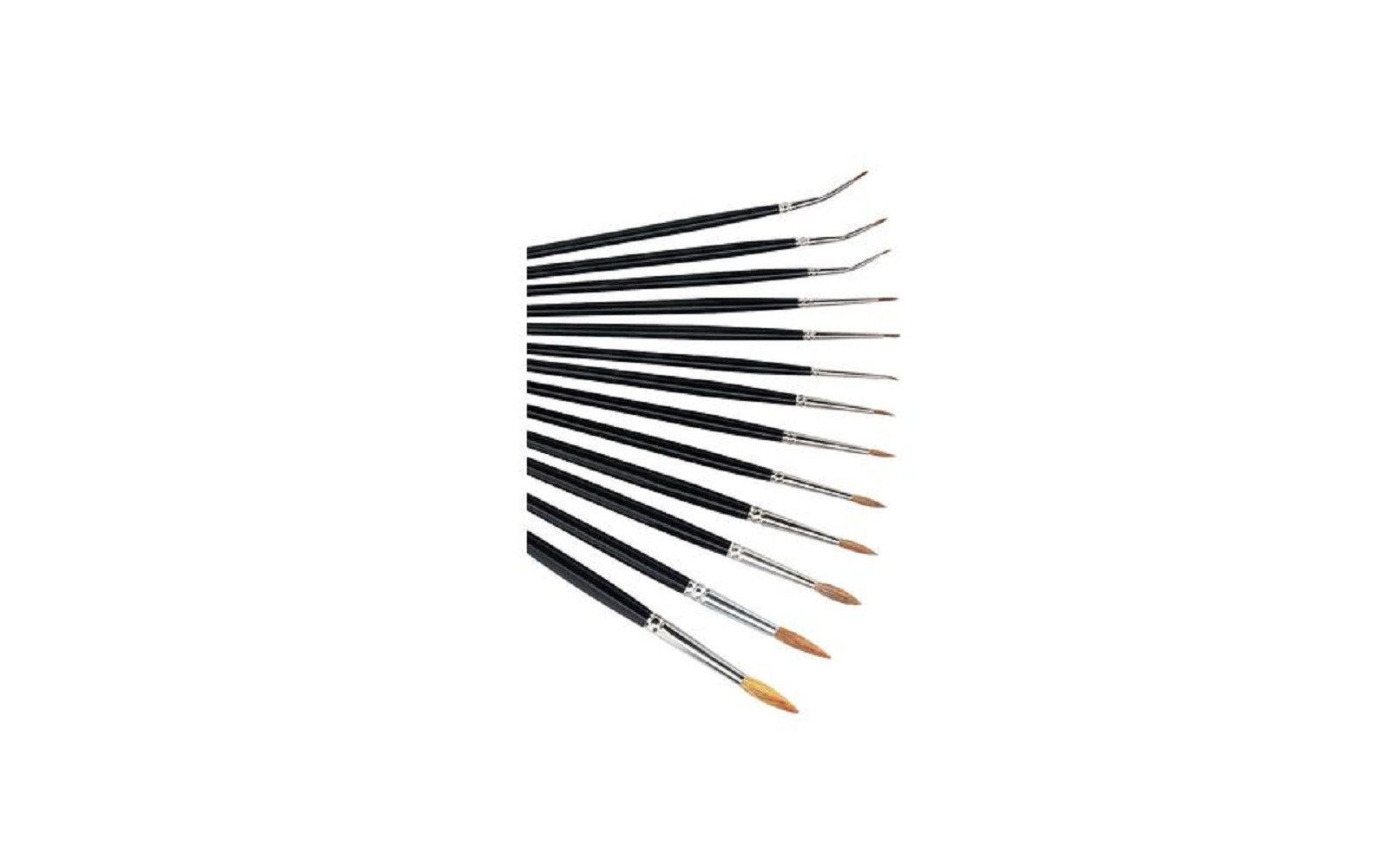
Top 10 Porcelain Brushes for Dental Labs
Compare Kolinsky, red sable, and synthetic porcelain brushes from Renfert, Dixon, and Patterson for build-up, stain, and glaze.
Read article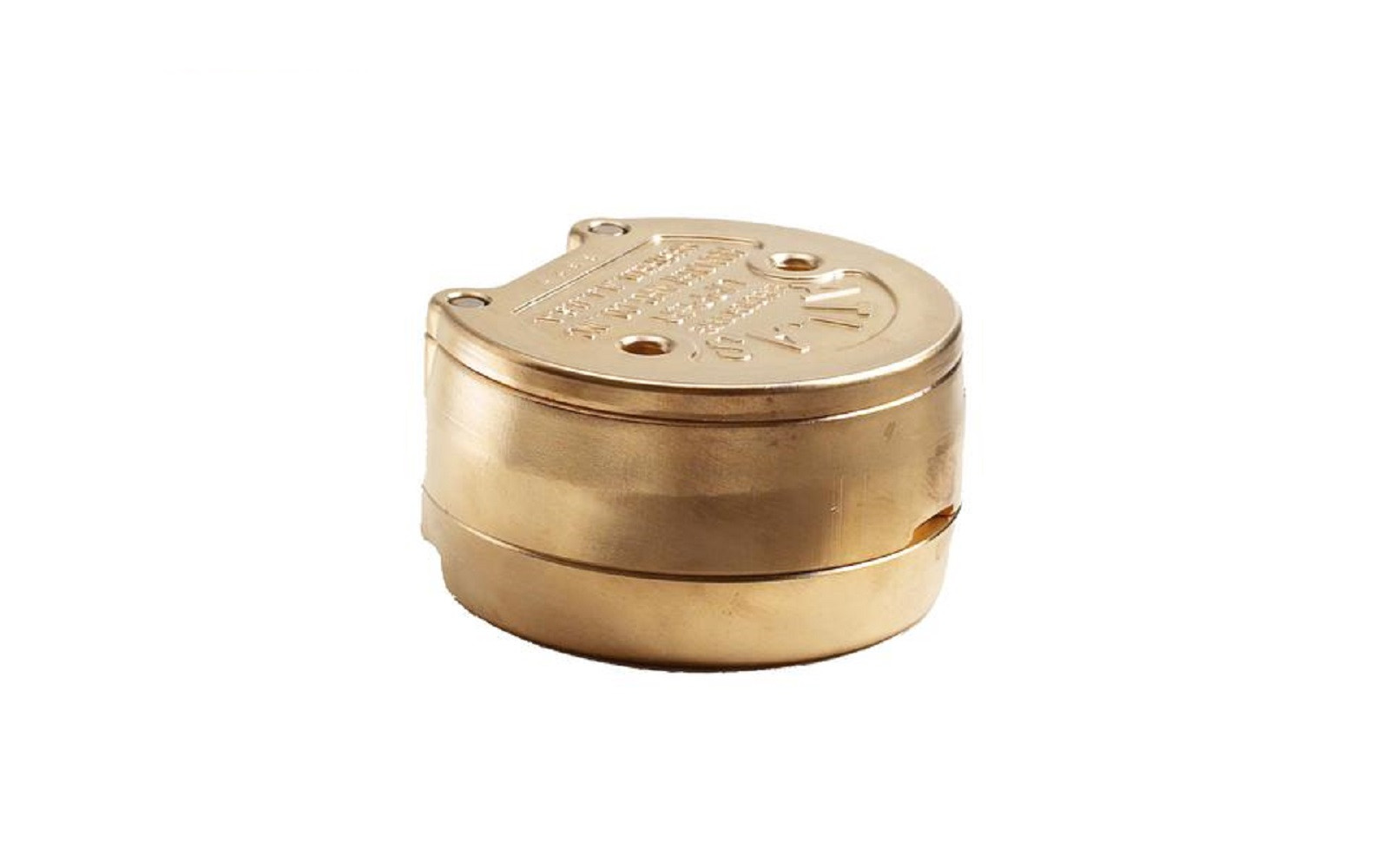
Top 10 Dental Flasks & Presses for Labs
Compare denture flasks, hydraulic presses, and pressure pots — Atlas 44 bronze, Handler Big Boy, and Lang Aquapres.
Read article
Top 10 Bottle Cleaners for Dentists
Compare the best Bottle Cleaners for Dentists — our researched Top 10 ranking of the leading brands and options to help you choose the right fit for your practice.
Read article
7 Dental Websites to be Inspired by
Compare the best 7 Dental Websites to be Inspired by, ranked on performance, features, and value to help you choose the right fit for your practice.
Read article