
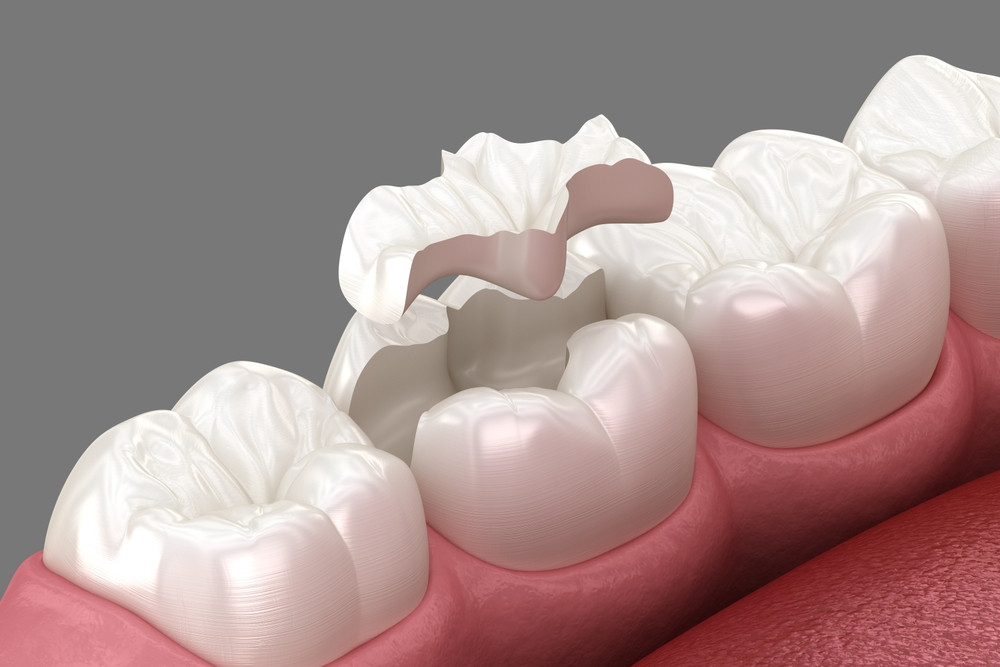
Top 10 Dental Bases & Liners.
Choose a base or liner: Dycal, Vitrebond, Ionoseal, and ACTIVA compared by chemistry, light cure, and pulp capping.
How to Choose a Base or Liner
A bases-and-liners drawer is several materials that do not do the same job. Dycal is a self-setting calcium hydroxide for pulp capping. Calcimol LC is the light-cured, resin-modified calcium hydroxide. Vitrebond, Vitrebond Plus, and Fuji Lining LC are resin-modified glass ionomer liners: fluoride-releasing, light-cured, and placed on dentin that is not an open exposure. The other rows are easy to mis-order from the old chart. Lime-Lite Enhanced is a light-cured resin liner that contains hydroxyapatite; Pulpdent’s instructions say it is not for direct placement on an exposed pulp. Ionoseal is a one-component light-cured glass-ionomer composite. ACTIVA BioACTIVE Base/Liner is a dual-cure bioactive liner. Copalite is a copal-resin cavity varnish. Multi-Cal is a non-setting calcium hydroxide paste for pulp therapy and root-canal dressing, not a hard base you can condense amalgam onto.
Choose from the exposure and the restoration on top. 3M’s Vitrebond Plus instructions are explicit: the liner is not indicated for direct pulp capping. If you do cap an exposure, place a small amount of calcium hydroxide on the exposure, then Vitrebond Plus over that and the surrounding dentin. A deep but closed dentin floor under composite is an RMGI or Ionoseal decision. A shallow amalgam is the remaining use for Copalite, and that varnish does not belong under a bonded composite.
Buying criteria that actually change the outcome
- Pulp exposed or not — calcium hydroxide (Dycal or Calcimol LC) on an exposure you have decided to cap. RMGI liners go over dentin, or over that thin calcium hydroxide, not straight onto the pulp. Lime-Lite Enhanced and ACTIVA BioACTIVE Base/Liner carry the same “not on the exposed pulp” limit in Pulpdent’s instructions.
- Command set vs chemical set — light-cured liners (Vitrebond Plus, Ionoseal, Calcimol LC, Lime-Lite, Fuji Lining LC) let you move on when the light can reach the floor. Dycal sets on its own. Multi-Cal does not set hard at all.
- What is going on top — RMGI and Ionoseal are the liners written for composite and amalgam. Copal varnish blocks resin bonding; keep it off composite preps. A water-based cement over Lime-Lite needs the oxygen-inhibited layer wiped, which Pulpdent spells out.
- Delivery you already own — clicker (Vitrebond Plus), powder and liquid (original Vitrebond), Paste Pak (Fuji Lining LC), or a syringe (Ionoseal, Calcimol LC, Lime-Lite, ACTIVA, Multi-Cal). A Paste Pak refill without the dispenser is inventory, not a liner.
- Fluoride is not a pulp-cap protocol — RMGI liners release fluoride. Copalite does not. Fluoride release does not turn a varnish, a non-setting paste, or an RMGI into a direct pulp-cap material.
| Material | Maker | What it is | How it sets | Best use | Watch-out |
|---|---|---|---|---|---|
| Lime-Lite Enhanced | Pulpdent | Light-cure resin liner with hydroxyapatite | Light-cure syringe | Liner or base under composite and amalgam when the pulp is closed | Not a calcium hydroxide cement. Not for an exposed pulp. |
| Dycal | Dentsply Sirona | Self-setting calcium hydroxide liner | Two-paste chemical set | Direct and indirect pulp capping | No light command. Keep the layer thin, then cover it if you need a harder base. |
| Vitrebond Plus | 3M | Light-cure RMGI liner/base | Paste-liquid clicker, light-cure | Liner under composite, amalgam, ceramic, and metal | 3M: not for direct pulp capping. Skip polyacrylic-acid pretreatment. |
| Ionoseal | VOCO | One-component light-cure glass-ionomer composite | Syringe, light-cure | Liner, extended fissure seal, small lesions | VOCO: keep the surface dry. Not a self-cure glass ionomer. |
| Calcimol LC | VOCO | Light-cure resin-modified calcium hydroxide | Syringe, light-cure | Pulp cap and liner under restorations | Not Dycal’s chemical set, and not an RMGI. |
| ACTIVA BioACTIVE Base/Liner | Pulpdent | Dual-cure bioactive base/liner | Automix; light-cure plus self-cure | Base or liner with no pulpal involvement; indirect pulp cap | Not on an exposed pulp. This is not ACTIVA BioACTIVE-RESTORATIVE. |
| Fuji Lining LC | GC | Light-cure resin-reinforced glass ionomer liner | Paste Pak | Liner or base under composite or amalgam | Needs the Paste Pak dispenser and a curing light. Not a luting cement. |
| Vitrebond | 3M | Original light-cure RMGI liner/base | Powder and liquid | Same liner job as Vitrebond Plus | You measure the mix. Same family rule: not a direct pulp cap. |
| Copalite | Cavity varnish | Copal-resin cavity varnish | Solvent evaporates; two thin coats | Under amalgam | Not a base, not fluoride-releasing, and not for composite. |
| Multi-Cal | Pulpdent | Non-setting calcium hydroxide paste | Does not set hard | Pulp cap, pulpotomy, intracanal dressing | Will not take amalgam condensation the way Dycal does. |
Related choices when the liner is really a filling, a cement, or a seal: glass ionomer restoratives · glass-ionomer luting cements · flowable composites · dental adhesives
1. Lime-Lite™ Enhanced — Pulpdent

Pulpdent Lime-Lite Enhanced is a moisture-tolerant, light-cured, radiopaque cavity liner and base. The instructions describe a urethane-dimethacrylate resin that releases calcium, phosphate, and fluoride, with a dentin shade, and they say it contains no Bis-GMA and no BPA derivatives. It is in the same chemical family as a resin, which is why it bonds to composites and adhesive primers. It is not Dycal. Calling it a calcium hydroxide cement is how the old chart blurred two pulp-protection ideas.
Pulpdent’s placement is a 1 to 1.5 mm layer on dentin, light-cured for 20 seconds, with further 1 to 1.5 mm layers if you are building a base. The contraindication is direct placement on the exposed pulp. If you want a higher bond to dentin, Pulpdent says to use a bonding agent. If a water-based cement (zinc phosphate, polyacrylic, or glass ionomer) is going over it, wipe the oxygen-inhibited surface with alcohol first.
Who it is for: Offices that want a syringe liner under composite or amalgam, with a closed pulp, and that already light-cure every increment.
Tradeoff: It will not do Dycal’s job on an exposure. It still needs a curing light, and a deep base is several cured layers, not one squeeze. Moisture-tolerant does not mean place it in a bleeding prep.
2. Dycal® — Dentsply Sirona

Dentsply Sirona Dycal is the self-setting calcium hydroxide liner on this list: a two-paste base and catalyst that you mix and place. It is radiopaque, and it is the material clinicians still reach for when the decision is a direct or indirect pulp cap rather than a light-cured dentin substitute. There is no curing light in the protocol. The set is chemical.
Use it as a thin layer on the deepest dentin or on the exposure you have chosen to cap, then cover it. A thick calcium hydroxide base is soft compared with an RMGI, and amalgam condensation or a later prep can punch through it. 3M’s own Vitrebond Plus sequence — calcium hydroxide on the exposure, RMGI over it — is the practical pairing of item 2 with items 3 and 8.
Who it is for: Dentists who want a classic hard-setting calcium hydroxide for pulp capping and do not want a light-cured resin in contact with the exposure.
Tradeoff: Mix ratio and working time are on you. It is not a fluoride-releasing RMGI, and it is not a command set. Leave it thick and the restoration, or the next bur, will find it.
3. Vitrebond™ Plus — 3M

3M Vitrebond Plus is a light-cure resin-modified glass ionomer liner/base in the Clicker paste-liquid dispenser. 3M indicates it under composite, amalgam, ceramic, and metal. The paste is a radiopaque fluoroaluminosilicate glass; the liquid is a modified polyalkenoic acid. Adhesion to tooth structure and fluoride release are the glass-ionomer reasons it exists. Light cure is why it replaced a long chemical set: 3M says to cure layers of 1.5 mm or less for 20 seconds, and quotes a minimum working time of 2 minutes 30 seconds at about 23°C.
The instruction that changes the order of this whole page: Vitrebond Plus is not indicated for direct pulp capping. On an exposure, 3M says to place a minimum of calcium hydroxide first, then this liner. Dentin pretreatment is not recommended — polyacrylic-acid smear-layer cleansers reduce the bond. Do not carry the liner out to the margin. The oral-care line is now sold under Solventum; the box may still say 3M.
Who it is for: Practices that want 3M’s RMGI liner with a measured click instead of a scoop, under everyday direct restorations.
Tradeoff: The clicker still has to be mixed, capped, and light-cured. It is the wrong first material on an open pulp. One click is a small volume; overbuilding the base and failing to cure in 1.5 mm layers leaves soft liner under the composite.
4. Ionoseal® — VOCO

VOCO Ionoseal is a light-curing, one-component glass-ionomer composite cement in a syringe. No mix. VOCO’s indications are linings under filling materials, extended fissure sealing, and smaller lesions. The product page states compressive strength of 226 MPa, a radiopacity of 200% aluminum, fluoride release, and a light cure on the order of 20 seconds. The instructions say to keep the tooth surfaces dry and to cure at least 20 seconds with the light close to the surface.
That puts it next to Vitrebond Plus clinically and apart from it chemically. You are buying a ready-to-use resin-containing liner that can also seal a fissure, not a paste-liquid RMGI and not a self-cure glass ionomer restorative. Extended fissure sealing is a real indication; it is still not a substitute for the sealant guide when the only task is a newly erupted molar in a wet field. A wet, erupting molar is a glass-ionomer sealant case. Fuji TRIAGE is that sealant, mis-filed on the luting list, and it is not a reason to place Ionoseal in saliva. Sealant choices are on the sealant guide.
Who it is for: VOCO users who want a no-mix light-cured liner under composite or amalgam, and who will actually cure it.
Tradeoff: Dry field, per the IFU. A light-cured liner that never sees the light is uncured resin on the dentin. It is not Calcimol LC and it is not a pulp-cap calcium hydroxide. Syringe tips still waste a bead of material on a tiny liner.
5. Calcimol LC — VOCO

VOCO Calcimol LC is a light-cured, resin-modified calcium hydroxide for pulp capping and as a base or liner. VOCO’s page describes calcium-ion release, a high pH (9.5–11), and use for indirect pulp capping, lining under filling materials, and protection during a total-etch technique. It comes in VOCO’s non-drip syringe. The set is a light cure, not Dycal’s two-paste chemical set.
Pick it when you want calcium hydroxide behavior and a command set in the same syringe. Pick Dycal when you do not want a resin-modified material on the exposure. Pick Vitrebond Plus or Fuji Lining LC when the floor is closed and what you wanted was an RMGI. The old chart’s “virtually eliminates sensitivity” line is a marketing claim; the useful fact is the chemistry and the pH range VOCO publishes.
Who it is for: Clinicians who cap or line with calcium hydroxide and want light control instead of waiting on a chemical set.
Tradeoff: If the light does not reach the deepest spot, you do not have Dycal’s chemical set as a backup. It does not release fluoride the way an RMGI liner does. Do not treat the syringe as interchangeable with Ionoseal just because both say VOCO.
6. ACTIVA™ BioACTIVE Base/Liner — Pulpdent

Pulpdent ACTIVA BioACTIVE Base/Liner is a dual-cure bioactive liner, sold as an automix syringe. Pulpdent’s instructions recommend it as a base and liner for Class I, II, III, and V restorations where there is no pulpal involvement, for indirect pulp capping, and under composite or amalgam. Etching and bonding agents are not required for this liner. Light-cure is a 20-second cure; Pulpdent also describes an initial self-cure on the order of about 3 minutes. The contraindication matches Lime-Lite: not for direct placement on the exposed pulp. Place pulp protection first if the case needs it.
Keep the name split. ACTIVA BioACTIVE-RESTORATIVE is a different viscosity and, in Pulpdent’s own comparison, wants a bonding agent. The base/liner is the flowable one. Dual cure matters when you are not sure every part of a deeper layer saw the light; it does not cancel the “no exposed pulp” line, and it does not make this a glass-ionomer luting cement.
Who it is for: Offices that want Pulpdent’s bioactive liner without a separate etch and bond for the liner step, under a composite they still bond in the usual way.
Tradeoff: Discard the first bit of automix so both sides are flowing. Self-cure is a safety net, not permission to skip the light on the surface you can reach. An open pulp still gets a pulp-cap material, not this syringe alone.
7. GC Fuji Lining™ LC — GC

GC Fuji Lining LC is a light-cured, resin-reinforced glass ionomer liner. GC sells it as a paste-paste Paste Pak and as a powder-liquid; this ranking is the Paste Pak refill. The clinical job is the same family as Vitrebond Plus: a liner or base under composite or amalgam, radiopaque, with fluoride release and an ionic bond to tooth. It is a dentin substitute, not a crown cement. FujiCEM and Fuji PLUS live on the luting page.
The Paste Pak is only useful if the office still has the dispenser. A refill cartridge does not click out of a 3M Vitrebond dispenser, and it does not become a capsule restorative. Light cure is required. If the lesion is a cervical filling rather than a liner, look at Fuji II LC on the glass ionomer restorative guide instead of building a liner up into a restoration it was not shaped for.
Who it is for: GC offices that already run Paste Pak liners and want a light-cured RMGI under composite and amalgam.
Tradeoff: Dispenser plus curing light. It is not a direct pulp-cap calcium hydroxide. Mixing it into the same mental bin as FujiCEM Evolve will lute nothing and line the wrong thing.
8. Vitrebond™ — 3M

3M Vitrebond, in the introductory kit this list ranks, is the original light-cure resin-modified glass ionomer liner/base: powder and liquid, not the Vitrebond Plus clicker. The chemistry story is the one Plus was built on. You mix it, place a thin liner under composite, amalgam, metal, or ceramic, and light-cure. Fluoride release and a bond to dentin are why it stayed in the drawer after the clicker arrived.
Treat the pulp the way 3M writes the Plus instructions, because this is the earlier delivery of that liner, not a different indication. It is not a direct pulp-cap material. Put calcium hydroxide on an exposure, then the RMGI. The practical difference from item 3 is measuring. Powder-liquid ratio, pad dryness, and how long the dish sits are the usual reasons a familiar liner suddenly feels weak.
Who it is for: Offices that already mix original Vitrebond and are reordering the powder-liquid kit rather than switching to the clicker.
Tradeoff: More handling error than Vitrebond Plus, same light-cure requirement, same pulp-cap limit. Confirm the kit you are buying is still the liner and not a different 3M glass ionomer with a similar name.
9. Copalite® Varnish

Copalite is a copal-resin cavity varnish in a bottle, brushed on in thin coats under amalgam. The solvent evaporates and leaves a resin film. That film is not a base: it does not insulate the way a millimeter of RMGI does, and it does not release fluoride. The old comparison table that listed fluoride release for Copalite was wrong. Two coats under amalgam are the historical use, aimed at early microleakage, not at a bonded composite.
Do not paint it under composite. Copal varnish interferes with resin bonding; a dentin adhesive is the seal for a composite prep. Do not use it as a pulp cap. If the amalgam prep is deep enough to need pulp protection, that is Dycal or an RMGI, and the varnish question is separate. The 14 ml refill in the photo is a solvent bottle — cap it, or the next application is residue.
Who it is for: Practices that still place amalgam and want a copal varnish, knowing exactly which preps it is for.
Tradeoff: It is the odd row on a modern liner list. It will not replace Vitrebond, it will not protect a deep pulp by itself, and it will sabotage a composite bond if it is left on the enamel and dentin you meant to bond.
10. Multi-Cal™ — Pulpdent

Pulpdent Multi-Cal is a non-setting calcium hydroxide paste in a syringe. It stays soft. That is the point for intracanal dressing, pulpotomy, and pulp-capping procedures where you want calcium hydroxide therapy rather than a hard liner. It is radiopaque, so you can see it on a film. It is not Dycal, and it is not a light-cured base you can build under a composite and then condense or prep against.
The old chart mixed it into the liner table and even attached fluoride release to it. Calcium hydroxide paste is an alkaline pulp and canal medicament. It does not become Fuji Lining LC because it shares a page with RMGI liners. If the appointment is a liner under a definitive restoration, go back to Dycal, Calcimol LC, or an RMGI. If the appointment is a root-canal dressing between visits, this syringe is the row that belongs.
Who it is for: Clinicians who want a non-setting calcium hydroxide for pulp therapy and intracanal use, and who will not ask it to act as a structural base.
Tradeoff: It will not set under pressure. Leaving it as the “liner” under an amalgam is how the restoration loses its floor. Syringe paste also belongs on the exposure or in the canal you intended, not wiped across every wall.
Frequently Asked Questions
Can I use Vitrebond Plus for a direct pulp cap?
No. 3M’s instructions say Vitrebond Plus is not indicated for direct pulp capping. If you cap an exposure, place a small amount of calcium hydroxide on the exposure, then Vitrebond Plus over it and the surrounding dentin. Dycal and Calcimol LC are the calcium hydroxide materials on this list.
What is Copalite doing on a liner list?
The original catalog ranked it here. It is a copal-resin cavity varnish for use under amalgam, not a glass ionomer, not a calcium hydroxide, and not a fluoride-releasing liner. Do not use it under composite.
Which liner is light-cured?
Lime-Lite Enhanced, Vitrebond Plus, Ionoseal, Calcimol LC, Fuji Lining LC, and original Vitrebond are light-cured. ACTIVA BioACTIVE Base/Liner is dual-cure. Dycal sets chemically. Multi-Cal does not set hard. Copalite dries as a varnish.
When should I leave the liner drawer and use a restorative glass ionomer?
When you are filling the lesion, not lining it. Fuji II LC, EQUIA Forte, and the other filling materials are on the glass ionomer restorative guide. A crown that needs cement is the luting guide, not a thicker layer of Fuji Lining LC.
Read next
Stay on pulp protection and the materials that go over it:
Related articles
Keep exploring related topics from Dental Country.
Top 10 Alginate Impression Material for Dentists
Alginate compared by cue: chromatic phases, Jeltrate Plus antimicrobial, AccuDent XD’s two viscosities, Hydrogum 5’s five-day stability.
Read article
Top 10 Rubber Dam Clamps for Root Canals
Compare winged, wingless, Brinker, and serrated rubber dam clamps from Hu-Friedy, Coltene, and Kulzer for root-canal isolation.
Read article
Top 10 Bottle Cleaners for Dentists
Compare the best Bottle Cleaners for Dentists — our researched Top 10 ranking of the leading brands and options to help you choose the right fit for your practice.
Read article
7 Dental Websites to be Inspired by
Compare the best 7 Dental Websites to be Inspired by, ranked on performance, features, and value to help you choose the right fit for your practice.
Read article