
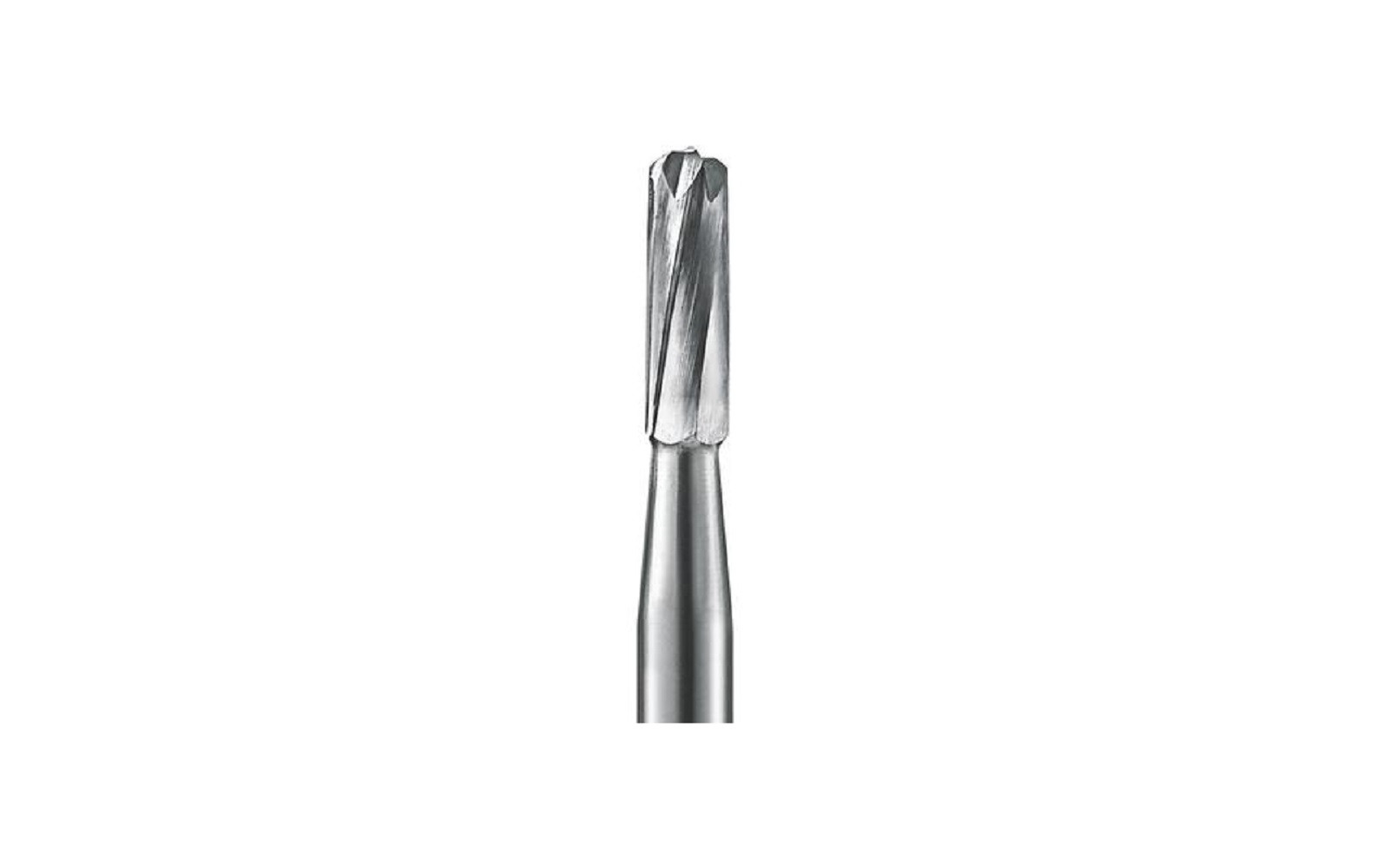
Top 10 Carbide Burs in Dentistry.
Carbide burs by shank and job: FGSS operative, HP lab, sterile FG, RA Once, and 30-blade finishers.

Reviewed by Dr. Sean Myran, DMDDoctor of Dental Medicine, University of Pennsylvania
How to Choose a Carbide Bur
These ten carbides were already ranked on this page. The first cut is the shank, because the shank decides the handpiece. FG and FGSS are friction-grip for a high-speed chuck. HP is the straight slow-speed shank; the Euro row states 2.35 mm. RA is the latch contra-angle. A Midwest Once #1556 FG will not latch into the RA contra-angle that takes the Once #34 on this same list.
The second cut is the job. Operative cutting, 30-blade finishing, sterile single-use, and lab acrylic or metal are different burs that happen to be carbide. The numbers below are the catalog order, not a sharpness score. Coating claims such as “up to 10 times longer” stay labeled as claims.
Buying criteria that keep the bur in the right chuck
- Shank — FGSS (KaVo Kerr regular operative, Meisinger HM 1 round) is a short friction grip. The Synea micro turbine on the handpiece list accepts 16 mm short-shank burs only. Confirm length. FG (Meisinger 30-blade, Goldies, SS White, Midwest Once #1556) is a standard friction grip. HP (Midwest straight fissure, Patterson gold titanium nitride, Euro crosscut) is slow-speed or lab. RA (Midwest Once #34) is the latch.
- Shape versus the tooth — round #4 at 1.4 mm (Meisinger HM 1) is the caries and access bur on this page. Straight fissure and tapered fissure (#1556) are the longer cuts. Inverted cone #34 is the undercut and pulpal-floor shape, and it is on an RA shank here, so it is a slow-speed shape in this SKU.
- Sterile single-use versus a bur you reprocess — SS White’s tapered-fissure FG and both Midwest Once packs (25 per package, individually sterile) are the single-use rows. The others are not described as pre-sterile.
- Blade count and coating — the Meisinger finisher is 30 blades on an FG shank for composite, amalgam, and ceramic after the restoration is placed. Goldies MCD and Patterson’s lab bur are gold titanium nitride. Patterson’s listing says the coating lasts up to 10 times longer than uncoated burs. That is the manufacturer line, not a wear test repeated here.
- Tooth versus model — Euro crosscut HP is for acrylic, plaster, and stone. Patterson’s gold HP bur is for acrylic and metal in the lab. Neither is an operative FG for a cavity prep.
| Bur | Maker | Shank | Shape on the listing | Watch-out |
|---|---|---|---|---|
| Regular operative | KaVo Kerr | FGSS | Family of operative shapes, not one ISO number | Short shank. Plating claims less chatter. No single shape is named. |
| Operative straight fissure | Midwest | HP | Straight fissure | Slow-speed HP, not a high-speed FG, despite “operative” in the name. |
| Gold titanium nitride lab | Patterson | HP | Lab finishing, acrylic and metal | “Up to 10× longer” is the coating claim. Not an intraoral FG. |
| Trimming and finishing | Meisinger | FG | 30-blade finisher | Finishes cured material. It smears composite that is still soft. |
| Goldies MCD | Goldies | FG | Metal cut and finish, titanium nitride | Amalgam, gold, and nonprecious metal. Not the round caries bur. |
| Sterile tapered fissure | SS White | FG | Tapered fissure, individually sterile | Single-use. No ISO number is printed for this row. |
| Euro crosscut | Euro | HP, 2.35 mm | Crosscut, lab | Acrylic, plaster, and stone. Made in the USA. Not tooth prep. |
| HM 1 round | Meisinger | FGSS | Round #4, 1.4 mm head | Short shank for access and caries. Confirm it is the 16 mm length a micro head requires. |
| Once #1556 | Midwest | FG | Tapered fissure #1556, sterile, 25/pkg; image alt says 0.8 mm | High-speed single-use. The RA #34 below is the other Once shank. |
| Once #34 | Midwest | RA | Inverted cone #34, sterile, 25/pkg | Latch contra-angle. The alt’s 2.35 mm matches an RA shank more than a #34 head. Confirm the cutting diameter. |
1. KaVo Kerr regular operative carbides — FGSS

KaVo Kerr regular operative carbides on this row are friction-grip short shank. The listing credits a plating for faster cutting, less chatter, less friction, and less clogging. Uses named are cavity preparation, caries removal, and contouring restorative material. No single shape or ISO number is given. This is a family of burs, not one #330.
Short shank is the handling claim for tight access. It is also a chuck problem if the head was built for a standard-length FG. Match the handpiece. A plating claim is not a sterile package. These are not the SS White or Midwest Once single-use rows.
Who it is for: High-speed operative setups that want KaVo Kerr’s FGSS operative carbides and will order the shape, because this page does not pick one.
Tradeoff: “Less chatter” without a shape is a line of burs. One bur in the set can still run out if it is bent. Short shanks disappear into a standard head or fail to reach. They are the wrong shank for the HP straight-fissure Midwest below.
2. Midwest operative carbides — HP straight fissure

Midwest operative carbides here are straight-fissure burs on an HP shank for slow-speed handpieces. The copy says the shape suits sectioning and contouring and that the broader line includes other shapes. This SKU is the straight fissure, HP.
“Operative” in the name does not mean friction-grip. An HP straight fissure in a high-speed chuck is the wrong shank, even if the blade looks like a high-speed fissure. Slow-speed is also where lab adjustment of acrylic happens to overlap clinical adjustment. Know which one you are doing.
Who it is for: Slow-speed HP nosecones when you want a Midwest straight fissure and not an FG #1556.
Tradeoff: No length or diameter is printed for this fissure, so “straight fissure” still needs a size on the box. HP will not substitute for the RA Once #34 or the FG Once #1556 later on the page. Those are sterile latch and friction-grip burs with numbers. This one is not described as sterile.
3. Patterson gold titanium nitride lab burs — HP

Patterson gold titanium nitride burs are HP lab burs for acrylic and metal trimming, prosthetics finishing, and contouring. The coating claim is longer life, less friction, less heat, and a smoother finish, including “up to 10 times longer than uncoated burs.”
Ten times is the listing’s comparison with an unnamed uncoated bur. It is not a cycle count you can put on a sterilization log. Heat matters on acrylic because acrylic smears when it is hot. The shank is still HP standard, so the bur lives on a slow-speed or a lab motor, not on the Synea turbine.
Who it is for: Lab finishing of acrylic and metal when you want Patterson’s gold HP bur and will judge the coating by the edge you see, not by the 10× line.
Tradeoff: A lab bur used intraorally because it “cuts metal” skips the sterile single-use rows and the FG shank those clinical metal burs use. Goldies, below, is the FG titanium-nitride metal bur. Do not swap them on color alone. Acrylic work belongs with the denture acrylics you are trimming, on a lab handpiece.
4. Meisinger trimming and finishing carbides — FG, 30-blade

Meisinger trimming and finishing carbides are 30-blade tungsten carbide burs on an FG shank, made in Germany. The image alt says 5 per package. The listing is for refined trimming of composite, amalgam, and other restorative materials, with a concentricity claim. Thirty blades finish. They are not the round #4 excavating bur later in the Meisinger line on this page.
Finish after the composite is cured. A 30-blade FG on soft composite smears it. Cure first; the curing light is what makes this bur’s job possible. Anatomy that should have been formed with a plastic filling instrument is hard to recover with a finisher alone.
Who it is for: High-speed finishing of cured composite, amalgam, or ceramic when you want a 30-blade Meisinger FG and a light touch.
Tradeoff: More blades cut smoother and clog faster if the restoration is still tacky or if you bear down. FG is not FGSS. This is not the HM 1 round. Amalgam finishing with a 30-flute bur is also not a substitute for an amalgam carver while the amalgam is still carvable.
5. Goldies MCD — FG metal carbides

Goldies Metal C & F, MCD series, are gold titanium nitride carbides on an FG shank for cutting and finishing amalgam, gold, and nonprecious metal. The listing says the coating holds the edge. No blade count and no head size are printed. No brand directory page is linked because Goldies is the name on the bur, not a profile we publish.
This is the intraoral metal bur. Patterson’s gold bur is HP and lab-oriented. Same gold color, different shank. Metal that still needs anatomy while it is soft is a hand instrument problem. A carver does not cut a cast crown. This bur does not carve unset amalgam the way a Hollenback does.
Who it is for: High-speed cutting and finishing of metal restorations when you want the Goldies FG MCD and a titanium nitride edge.
Tradeoff: FG metal burs grab. A small head you cannot see in the listing is a head you must read off the box before you promise access. The coating claim is durability, not sterility. These are not individually packaged like the SS White row.
6. SS White sterile carbides — FG tapered fissure

SS White sterile carbides are individually packaged, pre-sterilized, single-use FG burs in a tapered fissure shape. The copy says they remove the in-office cleaning step and are for cavity and crown preparation. No ISO number is printed, unlike Midwest Once #1556, which is also a sterile FG tapered fissure.
Single-use is the infection-control point, and it is also a sharpness point: you are not reprocessing a bur that has already been sterilized until the blades are tired. “High strength” and “less breakage” are listing claims without a force figure.
Who it is for: Operatories that want a sterile SS White tapered-fissure FG opened at the chair, one bur at a time.
Tradeoff: Without a number, “tapered fissure” can mean more than one diameter. Once #1556 is the row that names the shape code. Do not assume they are the same bur in a different box. A sterile package that is opened and then saved for the next patient is no longer the single-use protocol the listing describes.
7. Euro crosscut — HP 2.35 mm

Euro carbide burs are crosscut tungsten carbide on a 2.35 mm (3/32 inch) HP shank for slow-speed handpieces. The listing says they are made in the USA, balanced to limit vibration, color-coded to ISO, and used on acrylic, plaster, and stone for models and appliances.
Crosscut on a lab shank removes acrylic quickly. That is the denture-base and model job, next to the acrylic resins you are trimming. It is not a 30-blade composite finisher and not an FG operative bur. ISO color on the shank is how you pick the cut without reading a tiny head.
Who it is for: A lab slow-speed cutting acrylic, plaster, or stone, with a 2.35 mm HP nosecone.
Tradeoff: Fast crosscut melts acrylic if you stay in one spot. The listing claims less vibration from the balance, not a coolant. HP 2.35 mm will not fit an FG chuck. Color codes only help if your set actually follows the ISO marks the copy promises.
8. Meisinger HM 1 round — FGSS #4, 1.4 mm

Meisinger HM 1 is a round tungsten carbide, size #4, with a 1.4 mm head, on an FGSS shank. The listing names caries excavation, initial cavity prep, endodontic access, and contouring, and it claims fine-grain carbide and high concentricity.
This is the specific bur the KaVo Kerr row never named: a round #4, short shank, 1.4 mm. Short shank is for access. The Synea micro head on the handpiece page is specified for 16 mm short-shank burs only. This listing gives head diameter, not overall length. Confirm the shank length before you call it a match for that micro head.
Who it is for: High-speed caries removal and access when you want a Meisinger #4 round FGSS and the head in your handpiece accepts a short shank.
Tradeoff: A 1.4 mm round is conservative until you lean on it and the access gets larger than the canal you meant to find. FGSS is not the 30-blade FG finisher above, even though both say Meisinger. Endodontic access with a round bur is not a rotary file. The file system is a different tray.
9. Midwest Once #1556 — sterile FG tapered fissure

Midwest Once #1556 is a sterile, single-use tapered fissure on an FG shank, 25 individually packaged burs. The image alt adds a 0.8 mm diameter, which the written spec block did not spell out. The listing describes a single-piece design for less vibration and names cavity and crown preparation. The shape code is #1556, which the SS White sterile fissure row does not provide.
FG means the high-speed. The next row is Once #34 on an RA shank. Same Once sterile idea, different chuck, different shape. Ordering “Once, 25 pack” without the number and the shank mixes a crown-prep fissure with an inverted cone for a contra-angle.
Who it is for: Single-use high-speed crown and cavity prep when you want Midwest’s #1556 specifically, opened per patient.
Tradeoff: Single-piece and pre-sterile do not make the bur shorter. It is FG, not FGSS. A mini head that needs a short bur may not want this length. Twenty-five per package is inventory. It is not a reason to reuse the twenty-fifth bur after the package has been open in a drawer.
10. Midwest Once #34 — sterile RA inverted cone

Midwest Once #34 is the RA latch version: inverted cone, individually sterile, 25 per package, single-piece. The listing names undercut preparation and pulpal-floor flattening on a contra-angle slow-speed. The image alt also says 2.35 mm diameter.
On an RA bur, 2.35 mm is the usual shank diameter. The Euro HP row on this page uses 2.35 mm explicitly as a shank. A #34 inverted-cone head is usually much smaller than that, so do not treat the alt number as the cutting diameter until the box confirms it. An inverted cone on a latch will not run in the friction-grip high-speed that takes Once #1556. The shank end is the check: latch versus friction grip.
Who it is for: Slow-speed contra-angle work when you want a sterile #34 inverted cone for undercuts or a flat pulpal floor, one bur per patient.
Tradeoff: RA latch burs in a high-speed chuck are a projectile, not a workaround. Inverted cones undercut. That is useful in a prep that needs retention and harmful in a wall you meant to keep. Single-use still means the opened bur is done. This row does not say FGSS, HP, or 30 blades.
Frequently Asked Questions
What is the difference between FG, FGSS, HP, and RA?
FG and FGSS go in a high-speed friction-grip chuck. FGSS is the short version (KaVo Kerr operative family and the Meisinger #4 round). HP is the straight slow-speed shank, 2.35 mm on the Euro row (Midwest straight fissure, Patterson gold lab bur, Euro crosscut). RA is the latch for a contra-angle (Midwest Once #34). The handpiece list is where those chucks live.
Which burs are sterile single-use?
SS White’s tapered-fissure FG, Midwest Once #1556 FG, and Midwest Once #34 RA. The other rows are not described as individually pre-sterilized. A gold coating is not a sterile package.
Are the two gold burs the same?
No. Patterson’s gold titanium nitride bur is an HP lab bur for acrylic and metal, with a “up to 10 times longer” claim. Goldies MCD is an FG bur for amalgam, gold, and nonprecious metal. Color is the coating. Shank is the purchase.
When do I use the 30-blade bur instead of a round?
The Meisinger 30-blade FG finishes cured composite, amalgam, or ceramic. The Meisinger HM 1 round #4, 1.4 mm, FGSS, is the caries and access bur. One is a finisher after the cure. The other opens tooth. A plastic instrument shapes composite before either bur should be finishing it.
Read next
The chuck, the material you are cutting, and the instruments that shape it before a bur does:
Related articles
Keep exploring related topics from Dental Country.
Top 5 Acrylic Resin Brands for Denture Repair
Denture acrylics by job: Lucitone 199 heat-cure bases, Rebase II chairside relines, and self-cure repair resins.
Read article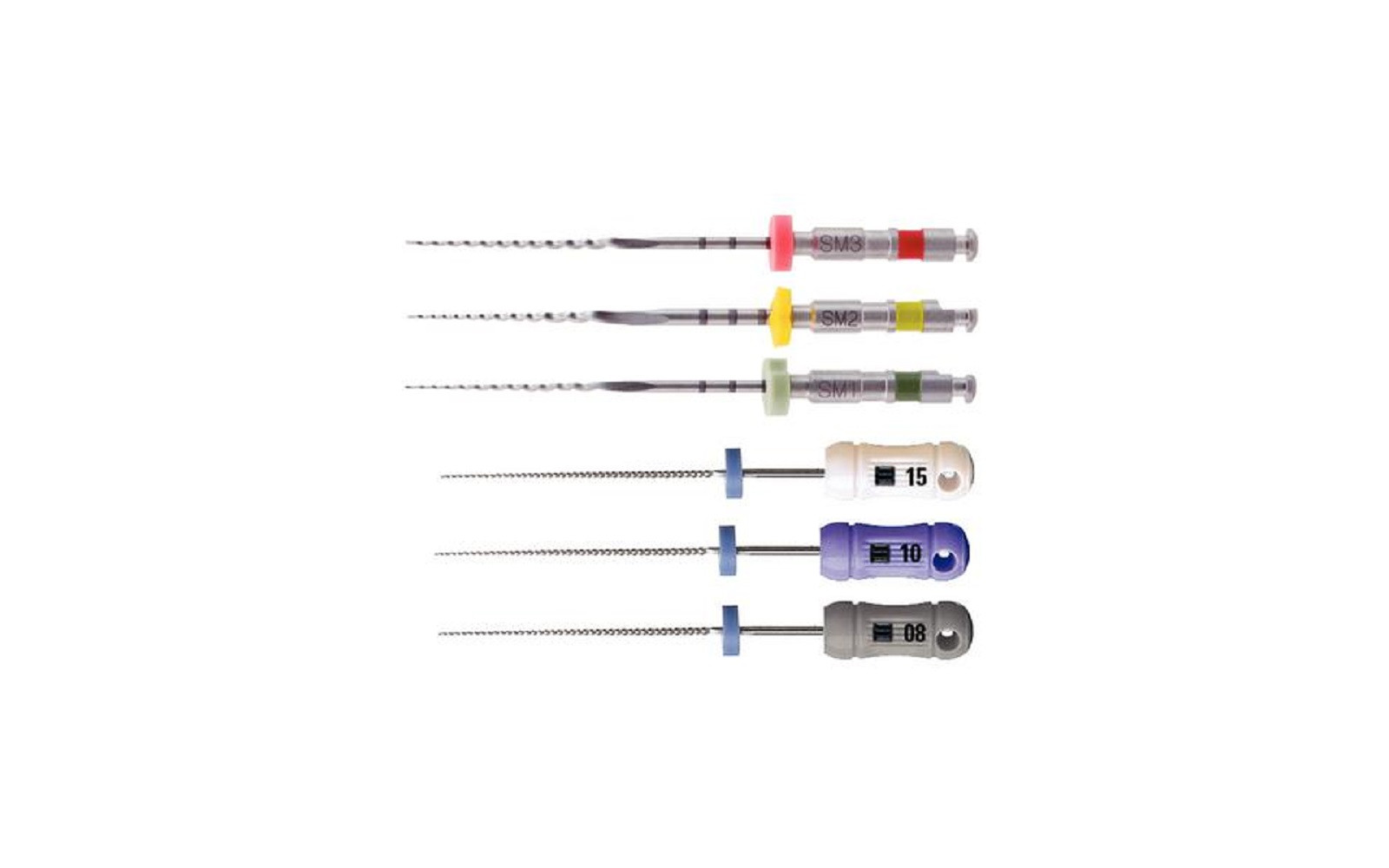
Top 10 Endodontic Rotary Files
NiTi files by motion and metal: TF Adaptive, K3 versus K3XF, HyFlex CM, and HyFlex EDM.
Read article
Top 10 Bottle Cleaners for Dentists
Compare the best Bottle Cleaners for Dentists — our researched Top 10 ranking of the leading brands and options to help you choose the right fit for your practice.
Read article
7 Dental Websites to be Inspired by
Compare the best 7 Dental Websites to be Inspired by, ranked on performance, features, and value to help you choose the right fit for your practice.
Read article