
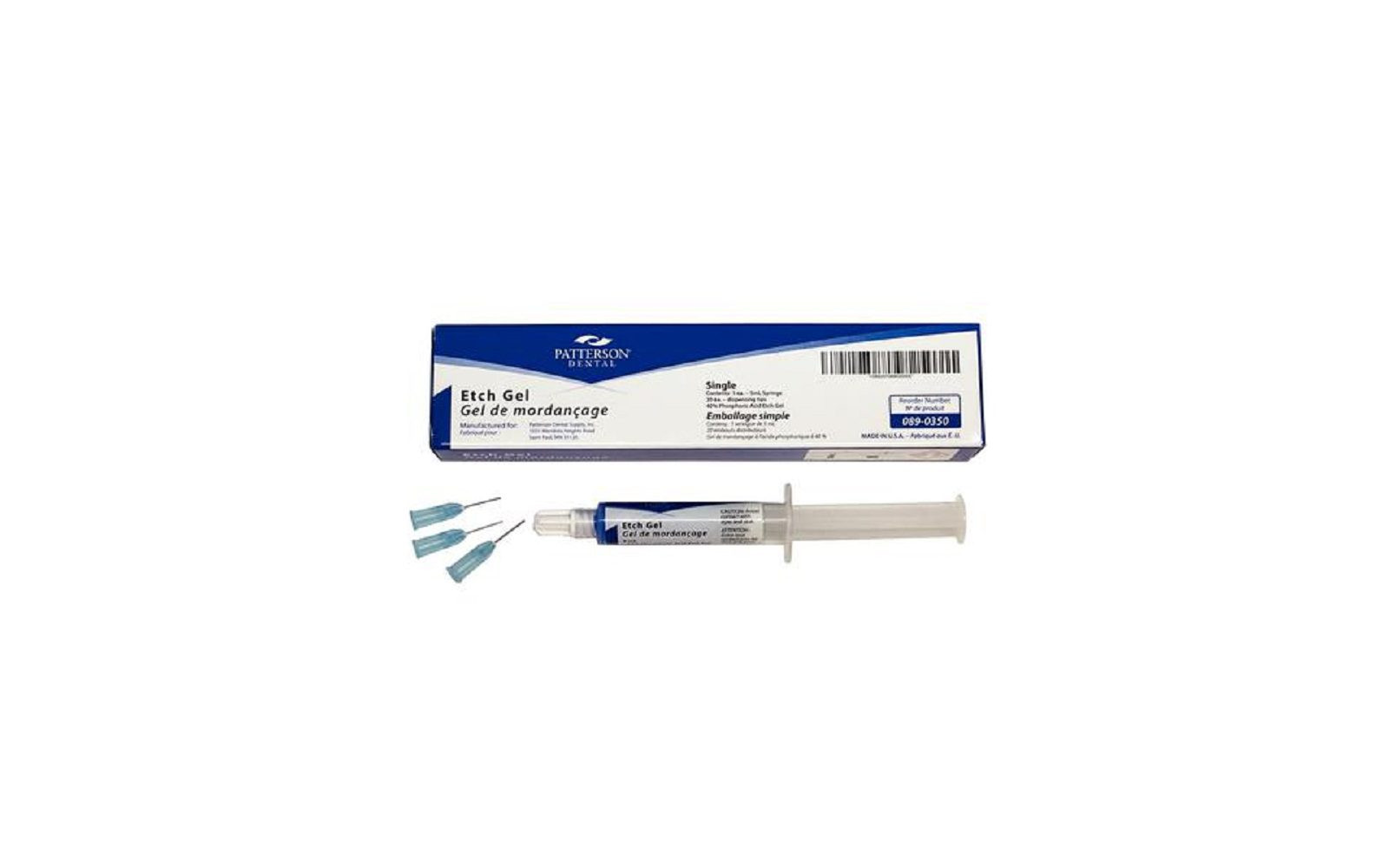
Top 10 Dental Etching Gel Brands.
Intraoral phosphoric etch from 34% to 40%: Etch-Rite, Kerr, Scotchbond, Caulk, and Super Etch.

Reviewed by Dr. Sean Myran, DMDDoctor of Dental Medicine, University of Pennsylvania
How to Choose an Intraoral Etching Gel
Every product on this page is a phosphoric acid gel for etching enamel, and in a total-etch technique, dentin. None of them is a self-etch adhesive. Concentration on this list runs from about 34% to 40%. That range all etches enamel. The mistakes that ruin bonds are time, a gel that slumps onto the gingiva, a bulk bottle that has been contaminated, and etching dentin the way you etch enamel for a sealant.
Pulpdent’s Etch-Rite is 38% and tells you 15–20 seconds on enamel and 15 seconds on dentin. Kerr’s gel is 37.5% and purple, not blue. 3M’s Scotchbond Universal Etchant is the odd concentration: 3M’s technical bulletin describes it as 34% by weight, thickened with fumed silica, blue, for selective-enamel or total-etch with Scotchbond Universal. A Canadian dealer page has also listed 32%. Read the syringe. Caulk’s tooth conditioner is 34% by the directions. Voco’s Vococid is 35%. SDI Super Etch is 37%.
Buying criteria that actually change the bond
- Where you etch — selective etch is enamel only. Total etch is enamel and dentin, and the dentin time is shorter. A 40% gel does not earn a longer dentin etch.
- Body — thixotropic gels (Etch-Rite, the Patterson 37% syringe, Super Etch) stay put. A runny gel etches gingiva and the next tooth. Kerr describes their 37.5% as viscous enough to stay and still rinse off. Glycerin-based Patterson 40% is a different thickener from 3M’s fumed-silica Scotchbond gel.
- Color — blue is the default so you can see that it rinsed clean. Kerr’s purple does the same job. A clear gel is how etch gets left behind.
- Syringe versus bulk — syringes with tips (Etch-Rite, Kerr refill, Scotchbond, Caulk, Vococid, both Patterson syringes) are for the mouth. Bulk bottles (Best-Etch 30 ml, Etch-Royale jumbo, SDI’s bulk kit) are cheaper per millilitre and easy to contaminate when you refill syringes on the bracket table.
- Rinse — silica-thickened gels, including Scotchbond Universal Etchant, need a full rinse so filler is not left on the prep. Pulpdent’s claim for Etch-Rite is that it rinses without a residue. Either way, a puddle in the box is not a rinsed prep.
| Etch | Maker | Phosphoric acid | How it handles | Watch-out |
|---|---|---|---|---|
| Patterson 40% with tips | Patterson | 40%, glycerin-based, blue | Syringe pack with tips | Slightly stronger than the 37% Patterson syringe below. Not a reason to etch dentin longer. |
| Etch-Rite | Pulpdent | 38% | Thixotropic syringe; pre-bent tips. Enamel 15–20 s, dentin 15 s | Pulpdent’s times, not a universal 15-second rule for every adhesive on this page. |
| Patterson 37% | Patterson | 37%, blue | Thixotropic 2 ml syringe | Same brand as the 40% pack, different gel. Do not treat them as one SKU. |
| Kerr Gel Etchant | Kerr | 37.5%, purple | 3 g syringe refill | Purple, not blue. Rinses clean only if you actually rinse the color away. |
| Scotchbond Universal Etchant | 3M | 34% in 3M’s bulletin (some dealers say 32%) | Blue, fumed-silica viscosity, syringe | Built for selective or total etch with Scotchbond Universal. Confirm the percent on your lot. |
| Caulk Tooth Conditioner | Dentsply Sirona | 34%, blue | 3 ml syringe; also sold in bottles | Directions: about 15 seconds from first enamel contact, dentin included in that window for total etch. |
| Best-Etch | Not a major adhesive brand on this row | 37% bulk, 30 ml | Refill bottle | You load your own syringes. That is the contamination risk. |
| Etch-Royale jumbo | Not named as a system adhesive here | 37% jumbo refill | Bulk | Same job as Best-Etch. A jumbo bottle does not change etch time. |
| Super Etch bulk | SDI | 37% | Thixotropic; bulk kit on this listing | SDI’s gel-page technique is about 20 seconds; an older SDI liquid/gel sheet says at least 30 seconds on enamel and 20 on dentin. Follow the insert in the kit. |
| Vococid | Voco | 35%, blue | Non-drip syringe gel | Voco’s “non-dripping” claim still fails if the tip is large and the prep is wet with saliva. |
Extraoral etch for ceramic and metal is a different acid and a different list: extraoral etchants.
1. Patterson® 40% Phosphoric Acid Etch

Patterson’s 40% gel is glycerin-based, blue, and sold as a syringe pack with tips. Forty percent is the high end of this page, next to Etch-Rite’s 38% and above the 37% Patterson syringe in the third slot. Glycerin is the thickener, which is a different recipe from 3M’s fumed-silica Scotchbond gel.
Blue plus a tip is what makes it usable in the mouth: you see it, you place it, you rinse until the blue is gone. The extra acid percentage is not a license to leave it on dentin. Enamel can take a short etch. Dentin over-etched with a stronger gel collapses the collagen the adhesive was supposed to infiltrate.
Who it is for: Practices that want a house-brand syringe etch with tips and a stated 40% glycerin gel.
Tradeoff: You also have a 37% Patterson gel on this list. They are not refills of each other. If the adhesive instructions name a 15-second total etch, follow that adhesive, not the higher number on the barrel.
2. Etch-Rite™ — Pulpdent

Pulpdent Etch-Rite is 38% phosphoric acid, thixotropic, in a syringe with small-gauge pre-bent tips. Pulpdent’s directions are specific: about 15–20 seconds on enamel, 15 seconds on dentin, enamel first then dentin so the dentin does not sit under acid for the whole enamel time. It is supposed to stay where you place it and rinse off without a silica residue.
The standard kit is the chairside version. Pulpdent also sells bulk syringes; this heading is the kit, not a jug you refill at the sink. Thixotropic does not mean “safe on gingiva.” It means it slumps less. Tissue contact still gets rinsed immediately.
Who it is for: Total-etch and sealant workflows that want a known 38% gel and tips that place it in a small prep.
Tradeoff: Those etch times are Pulpdent’s. A self-etch adhesive does not need this gel on dentin at all. Selective-etch users should keep it on enamel. The old line that Etch-Rite is “typically 37%” is wrong; Pulpdent says 38%.
3. Patterson® 37% Etchant Gel, 2 ml

The second Patterson etch is a 37% thixotropic blue gel in a 2 ml syringe. It is the ordinary total-etch syringe: stays put better than a watery acid, blue so the rinse has an endpoint, small enough to live in a cassette.
Compared with the 40% glycerin pack above, you are buying a lower concentration and a thixotropic 2 ml unit rather than a tip-pack at 40%. Clinically that gap is smaller than the gap between etching dentin for 15 seconds and etching it until the assistant is ready. Use one Patterson gel and retire the other so the team stops mixing times.
Who it is for: Offices that want a simple 37% blue syringe and do not need the 40% glycerin formula.
Tradeoff: Two Patterson etches in one drawer produce “the blue gel” as a system. Label the concentration. A 2 ml syringe also runs out mid-arch on sealant day; that is a stocking problem, not a reason to switch to an open bulk bottle without a clean refill routine.
4. Kerr Gel Etchant, 37.5%

Kerr Gel Etchant is 37.5% phosphoric acid and purple. Kerr’s point is viscosity: it stays where it is placed and still rinses. This listing is the 3 g syringe refill, three syringes to a package, for people already using Kerr’s total-etch adhesives rather than a starter kit with tips and a bonding agent.
Purple is useful and dangerous. It shows you where the gel is, and it shows you if you failed to rinse. A purple-tinted prep is not a rinsed prep. The percent is close enough to Etch-Rite and to the Patterson 37% that the color and the Kerr system are the reasons to pick it, not a meaningful jump in “etching power.”
Who it is for: OptiBond or other Kerr total-etch users who are refilling syringes, not changing concentration.
Tradeoff: A refill pack does not include a bonding agent, and it does not convert a self-etch Kerr procedure into a total-etch one. If the instructions say selective etch, keep the purple gel on enamel.
5. Scotchbond™ Universal Etchant — 3M

3M Scotchbond Universal Etchant is the gel 3M paired with Scotchbond Universal Adhesive for selective-enamel etch and for total etch. The technical bulletin calls it 34% phosphoric acid by weight, pH about 0.1, blue, thickened with fumed silica and a water-soluble polymer so it stays put and so you can see when the silica has rinsed away. Some later dealer listings say 32%. The barrel wins.
The lower concentration versus a 37–40% gel is intentional handling, not a weaker brand. 3M still expects you to choose selective or total etch on purpose. Leaving this gel on dentin “just in case” under an adhesive you are using as self-etch is how postoperative sensitivity shows up.
Who it is for: Practices using Scotchbond Universal who want 3M’s own etch instead of a 40% house gel.
Tradeoff: Fumed silica left on the tooth is a bond contaminant. Rinse until the blue is gone, not until the timer beeps. The oral-care line is now sold under Solventum; the syringe may still say 3M. Confirm the percent on the lot you open, because 34% and 32% are both in circulation in the literature.
6. Caulk® 34% Tooth Conditioner Gel

Dentsply Sirona Caulk 34% Tooth Conditioner Gel is blue phosphoric acid at 34%, silica-thickened, sold here as a 3 ml syringe refill. The directions are blunt. Apply to clean enamel, leave it about 15 seconds, and if you are total-etching, flow onto dentin so the whole etch is still about 15 seconds from the first enamel contact. Rinse 10–15 seconds. Enamel-only gets dried to a frost. Total etch stays moist. Do not desiccate dentin.
That 15-second combined window is the detail people miss when they etch enamel for half a minute and then remember dentin. Thirty-four percent is in the same band as Scotchbond’s bulletin, below Kerr’s 37.5% and Patterson’s 40%.
Who it is for: Dentsply adhesive users who want the Caulk conditioner and will follow the 15-second total-etch timing.
Tradeoff: The same product is sold in bottles. A bottle is easier to contaminate than this syringe refill. Air-dry only the enamel-only case. A chalky, desiccated dentin surface is not what the total-etch note describes.
7. Best-Etch™ 37% Bulk, 30 ml

Best-Etch is a 37% phosphoric bulk refill, 30 ml. The heading does not tie it to Kerr, 3M, Pulpdent, or Voco. You are buying acid concentration and a bottle you dispense from, not a system adhesive’s matched gel.
Bulk is cheaper and it is where etch gels get contaminated: wet tips dipped back into the bottle, syringes filled over a dirty counter, caps left off. Thirty-seven percent does not make that safer. Load syringes with a clean tip, cap the bottle, and label the syringe with the concentration so it is not confused with the 40% Patterson pack.
Who it is for: High-volume sealant or total-etch practices that already trust this 37% bulk and have a clean refill habit.
Tradeoff: If you wanted Etch-Rite’s tips and written dentin time, this is not that product. An open 30 ml bottle of phosphoric acid is also a soft-tissue hazard on the bench. Keep it capped.
8. Etch-Royale™ 37% Jumbo Refill

Etch-Royale’s jumbo refill is another 37% phosphoric gel in a bulk size. Like Best-Etch, it is not presented here as the house etch of a bonding system. The jumbo size is the feature: fewer reorders, more time for a contaminated bottle to stay in service.
Use it the way you use any 37% gel. Short enamel etch, shorter dentin etch, full rinse, no gel on the gingiva. The word “royale” does not change the collagen on dentin.
Who it is for: Practices already refilling from Etch-Royale who want the jumbo rather than a second 37% brand.
Tradeoff: Two bulk 37% bottles (this and Best-Etch) are redundant unless one of them is the known product. Pick one, date it, and do not top up a Kerr or Scotchbond syringe from an unlabeled jumbo.
9. Super Etch Bulk Kit — SDI

SDI Super Etch is 37% phosphoric acid by weight. SDI’s gel is built to flow where you push it and not to run under gravity, which is their version of thixotropic. This listing is the bulk kit, so you are in refill territory again, with a named manufacturer this time.
Watch the clock in the insert you actually have. SDI’s current Super Etch product page describes about 20 seconds. An older SDI acid-etch instruction sheet says at least 30 seconds on enamel and 20 seconds on dentin. Those are not the same protocol. The kit’s directions override a blog and they override Pulpdent’s 15-second dentin time.
Who it is for: Practices that want SDI’s 37% gel in a bulk kit and will read that kit’s etch times.
Tradeoff: Bulk Super Etch can be mistaken for SDI’s lower-viscosity tip version. Confirm which one the kit contains before you expect a pre-bent tip. A longer enamel time from an old sheet is not permission to leave 37% acid on dentin for 30 seconds.
10. Vococid — Voco, 35%

Voco Vococid is 35% orthophosphoric acid, blue, sold as a non-dripping gel for the etch-and-bond technique. Syringes on Voco’s list include a 5×2 ml pack and a 5 ml syringe, plus intraoral tips. Thirty-five percent sits between Caulk’s 34% and Kerr’s 37.5%. The handling claim is the one to test on a pad: it should stay, not string onto the lip.
Voco is explicit that the indication is etching enamel and dentin in an etch-bond technique. That is total etch or an etch your adhesive still wants. It is not a self-etch primer.
Who it is for: Voco adhesive users who want Voco’s 35% blue gel and tips sized for the mouth.
Tradeoff: “Non-dripping” fails on a saliva-wet tooth and with a tip that is too wide for the prep. Start the flow on a pad, the way Pulpdent also says to, not in the mouth on the first squeeze of a new syringe. Rinse the blue off before you bond.
Frequently Asked Questions
Is 40% phosphoric acid better than 34%?
Not as a rule. Enamel in the mid-30% range etches in about 15–20 seconds with the gels that publish a time. A higher percent does not fix a contaminated, unerinsed, or over-dried prep, and it makes a long dentin etch worse.
Do I etch dentin for as long as enamel?
No. Pulpdent wants about 15 seconds on dentin and up to 20 on enamel, with dentin etched second. Caulk’s total-etch directions keep the whole application near 15 seconds. SDI’s older sheet is longer. Follow the etch you are holding and the adhesive that comes next.
Can I use these gels as the self-etch step?
No. Self-etch adhesives have their own acidic monomer. These syringes are phosphoric acid. Adding them to dentin under a self-etch adhesive is a total-etch procedure whether you meant it or not.
What is the difference between this page and extraoral etch?
This gel goes on teeth. Extraoral etchants are for ceramics and other restorations outside the mouth, often hydrofluoric acid. Do not put a ceramic etch on enamel because both bottles say “etch.”
Read next
Stay on bonding and the restorations that follow the etch:
Related articles
Keep exploring related topics from Dental Country.
The Top 15 Dental Chairs in the World
Compare 15 dental chair brands for 2026 — A-dec, Planmeca, Midmark, and more — by ergonomics, service, and cost.
Read article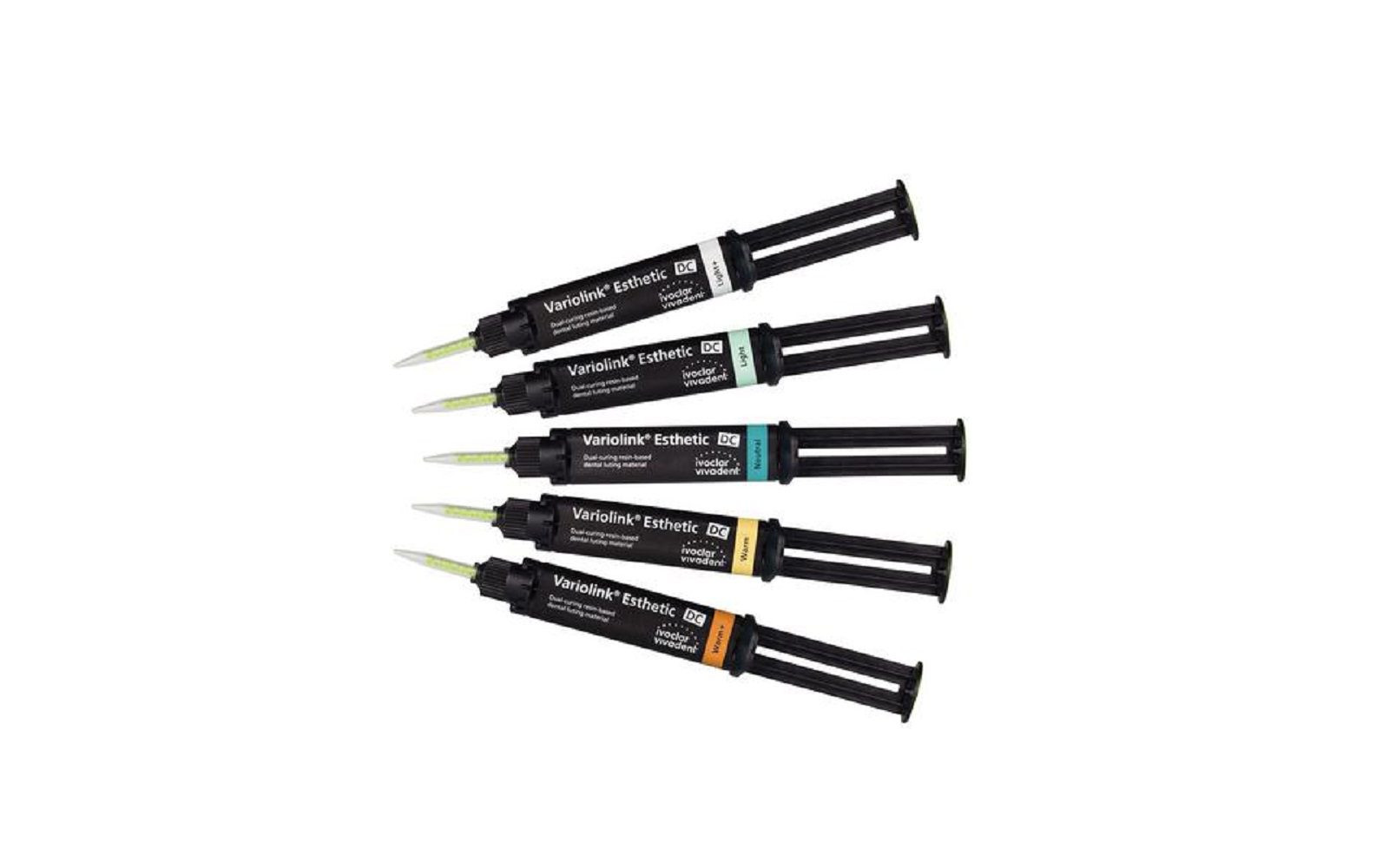
Top 10 Resin-Based Dental Cements
Adhesive vs self-adhesive resin cements: Variolink, RelyX, PANAVIA, and NX3 by bonding steps, cure, and cleanup.
Read article
Top 10 Bottle Cleaners for Dentists
Compare the best Bottle Cleaners for Dentists — our researched Top 10 ranking of the leading brands and options to help you choose the right fit for your practice.
Read article
7 Dental Websites to be Inspired by
Compare the best 7 Dental Websites to be Inspired by, ranked on performance, features, and value to help you choose the right fit for your practice.
Read article