
Top 10 Dental Sealants.
Ten light-cured pit-and-fissure sealants: color-change, moisture-tolerant, clear, and etch-free S-PRG.

Reviewed by Dr. Sean Myran, DMDDoctor of Dental Medicine, University of Pennsylvania
How to Choose a Dental Sealant
All ten product blocks describe a light-cured pit-and-fissure sealant. They are not the same resin. Clinpro changes from pink to white and does not print a filler percent. Patterson prints two viscosities, 7.7% and 34.4% filled, and says it is not made with bisphenol A and is gluten-free. Pulpdent Embrace WetBond is the moisture-tolerant row and says no bonding agent. VOCO Grandio Seal is a nanohybrid that also lists small enamel defects and minor composite or amalgam repairs. Premier BioCoat prints 56% filler. Ivoclar Helioseal Clear is transparent, and fluoride release is marked not specified. Shofu BeautiSealant is a primer-and-paste S-PRG system that says no phosphoric acid. Seal-Rite prints the same 7.7% and 34.4% filler split and leaves the brand unspecified. Dentsply Caulk FluroShield says it bonds to etched enamel. SDI Conseal F emphasizes a high initial fluoride release.
Placement still depends on the etch and the light. Phosphoric acid gels are the intraoral etchant guide. Every row here says light-cure, so lamp choice is the curing light guide. Dealer price ranges that used to sit on each spec block are omitted.
Buying criteria that match a printed line
- Etch — BeautiSealant’s block says phosphoric acid is not required. FluroShield’s block says etched enamel. Embrace says it bonds to slightly moist enamel and needs no bonding agent. The other blocks do not print an etch step, so one is not copied onto them.
- Filler percent, only where a number exists — Patterson and Seal-Rite: 7.7% low viscosity and 34.4% regular. BioCoat: 56%. Clinpro, Embrace, Grandio, Helioseal, BeautiSealant, FluroShield, and Conseal F do not print a percent. Grandio says “highly filled” nanofiller without a number.
- How you see it — Clinpro: pink to white on cure. Helioseal Clear: transparent, so the fissure stays visible. Patterson and Seal-Rite: pearlescent. BeautiSealant: radiopacity described as equivalent to dentin. Patterson, Embrace, Seal-Rite, and BeautiSealant say radiopaque. The others do not print radiopacity.
- Fluoride — Clinpro, Patterson, Embrace, Grandio, BioCoat, BeautiSealant, Seal-Rite, FluroShield, and Conseal F say fluoride release or fluoride uptake. Helioseal Clear’s spec says fluoride release is not specified. An older BeautiSealant cell marked BPA as present; the product block says BPA- and HEMA-free. This guide follows the product block and does not treat the old cell as a lab result.
| Sealant | What the row is | Filler or chemistry the listing prints | Fluoride line | Watch-out |
|---|---|---|---|---|
| Clinpro | Color-change sealant syringe | Low viscosity. Filler percent not printed | Yes | 3M. Pink to white on light cure. |
| Patterson pit and fissure | Two viscosities, light-cured | 7.7% low, 34.4% regular. Pearlescent | Yes | Not made with BPA. Gluten-free. USA. Radiopaque. |
| Embrace WetBond | Moisture-tolerant sealant | Hydrophilic. Filler percent not printed | Yes | Pulpdent. No bonding agent. Radiopaque. Slightly moist enamel. |
| Grandio Seal | Nanohybrid sealant | Nanofiller, percent not printed. Low shrinkage | Yes | VOCO. Also names small enamel defects and minor repairs. |
| BioCoat | Bioactive resin sealant | 56% filled | Uptake and ion release | Premier. Barrier-protection line is the listing’s claim. |
| Helioseal Clear | Transparent fissure sealant | Low viscosity. Filler percent not printed | Not specified | Ivoclar. Photo labeled 1.25 g syringe. Clear, so the fissure stays in view. |
| BeautiSealant | Primer and paste, etch-free | S-PRG filler. Percent not printed | Yes | Shofu. No phosphoric acid. Product block says BPA- and HEMA-free. Radiopacity like dentin. |
| Seal-Rite | UDMA sealant, two viscosities | Same 7.7% and 34.4% split as the Patterson row | Yes | Brand not specified. Pearlescent. Radiopaque. |
| FluroShield | Light-cured sealant for etched enamel | Filler percent not printed | Yes | Dentsply Caulk. Chemical and mechanical bond is the listing’s line. |
| Conseal F | Fluoride-forward syringe sealant | High surface-area filler. Percent not printed | High initial and sustained | SDI. The “high” fluoride line is the listing’s claim, not a ppm value. |
1. Clinpro Sealant — 3M

3M Clinpro Sealant is a light-cured, fluoride-releasing pit-and-fissure sealant in a syringe. The listing says it is low viscosity and changes from pink to white when light-cured, so coverage is visible before the final color. Uses named: pits and fissures in children and adults, including higher-risk molars and premolars. A filler percent is not printed.
Who it is for: A syringe sealant when the pink-to-white cure check is the placement feature you want, and fluoride release is stated.
Tradeoff: Radiopacity, BPA status, and filler percent are not on this product block, so they are not filled from the Patterson row. The old price range is omitted.
2. Patterson Pit and Fissure Sealant

Patterson pit and fissure sealant is a light-cured, fluoride-releasing resin sold as a low-viscosity version at 7.7% filled and a regular version at 34.4% filled. The listing says it is radiopaque, pearlescent, gluten-free, made in the USA, and not manufactured with bisphenol A. It names Bis-GMA and other resins. Uses named: occlusal sealants on molars and premolars.
Who it is for: A Patterson sealant when you are choosing the 7.7% groove version or the 34.4% regular version on purpose, and the BPA and gluten lines are part of the order.
Tradeoff: Seal-Rite’s block prints the same two percentages. That match is noted on Seal-Rite; it does not make the two listings one SKU. Pack form is “syringe or bottle,” so a single SKU size is not invented.
3. Embrace WetBond — Pulpdent

Pulpdent Embrace WetBond is a light-cured, hydrophilic sealant the listing says bonds chemically and micromechanically to slightly moist enamel, without a separate bonding agent. It says the seal is radiopaque and releases fluoride, and that it is meant to limit margin gaps. A filler percent is not printed. Uses named: pits and fissures where isolation is imperfect, including pediatric and school programs.
Who it is for: A moisture-tolerant sealant when the written indication is slightly moist enamel and no adhesive step.
Tradeoff: “Slightly moist” is the listing’s condition. It is not a license to seal through saliva, and this page does not add a moisture percentage. Filler percent is absent.
4. Grandio Seal — VOCO

VOCO Grandio Seal is a light-curing nanohybrid the listing says releases fluoride, flows into fissures, and has low shrinkage and low abrasion. Indications named go past sealants: small enamel defects and minor repairs of composite or amalgam. A numeric filler percent is not printed; the block says highly filled with nanofillers.
Who it is for: A VOCO nanohybrid when you want a sealant row that also lists small enamel repairs.
Tradeoff: “High transverse strength” and “extremely low shrinkage” are the listing’s words, without a megapascal or a shrinkage percent on this page. Those numbers are not added. The repair indication is still a sealant syringe, not a full composite kit.
5. BioCoat — Premier

BioCoat is Premier’s bioactive resin pit-and-fissure sealant. The listing prints 56% filler, ion release, enhanced fluoride uptake, flow into fissures, and a barrier-protection claim. Uses named: occlusal sealants in children and adults. A color, a radiopacity line, and a BPA line are not printed.
Who it is for: A filled sealant when 56% is the filler number you are comparing, and the bioactive ion line is the one you mean.
Tradeoff: 56% is the only filler percent on this list besides the Patterson and Seal-Rite pair. Wear resistance is described as high without a cycle count. The old price range is omitted.
6. Helioseal Clear — Ivoclar

Ivoclar Helioseal Clear is a transparent, low-viscosity, light-cured fissure sealant. The listing says the clear film lets you watch the fissure afterward, and that the syringe is shaped for controlled placement. Uses named: pits, fissures, and foramina caeca in children and adults. The spec block says fluoride release is not specified. The photo is labeled a 1.25 g syringe refill. The spec also says a syringe kit with tips.
Who it is for: A clear sealant when you want to see the sealed fissure later, and you are not assuming a fluoride claim.
Tradeoff: Fluoride is not stated, unlike the nine other rows. Filler percent is not stated. The 1.25 g figure is the photo label; the spec block also says a kit.
7. BeautiSealant — Shofu

BeautiSealant is Shofu’s primer-and-paste sealant. The listing says phosphoric acid etching is not required, that dual adhesive monomers carry the primer into the fissure, and that the filler is S-PRG (surface pre-reacted glass-ionomer). It says fluoride is released, radiopacity matches dentin, and the formula is BPA- and HEMA-free. A filler percent is not printed. An older comparison cell marked BPA as “Yes.” That cell disagrees with the product block.
Who it is for: An etch-free primer-and-paste system when S-PRG filler and the no-phosphoric-acid line are the protocol you intend to follow.
Tradeoff: This guide uses the product block on BPA and HEMA. It does not average that block with the old “Yes” cell. “Superior bond strength” has no megapascal value here. You still need a light for the paste.
8. Seal-Rite Pit and Fissure Sealant

Seal-Rite is a light-cured UDMA sealant the listing offers as regular viscosity at 34.4% filled and low viscosity at 7.7% filled. It says fluoride release, a pearlescent off-white color, radiopacity, and syringe delivery. The brand line says not specified. Those two filler percentages are the same numbers printed on the Patterson row.
Who it is for: A UDMA syringe in a 7.7% or 34.4% version when the brand on the label can stay unnamed because the page does not name it.
Tradeoff: The shared percentages are what this catalog printed twice. They are not treated as a second laboratory report. BPA and gluten status are not on this block, so Patterson’s “no BPA” and “gluten-free” lines are not copied here.
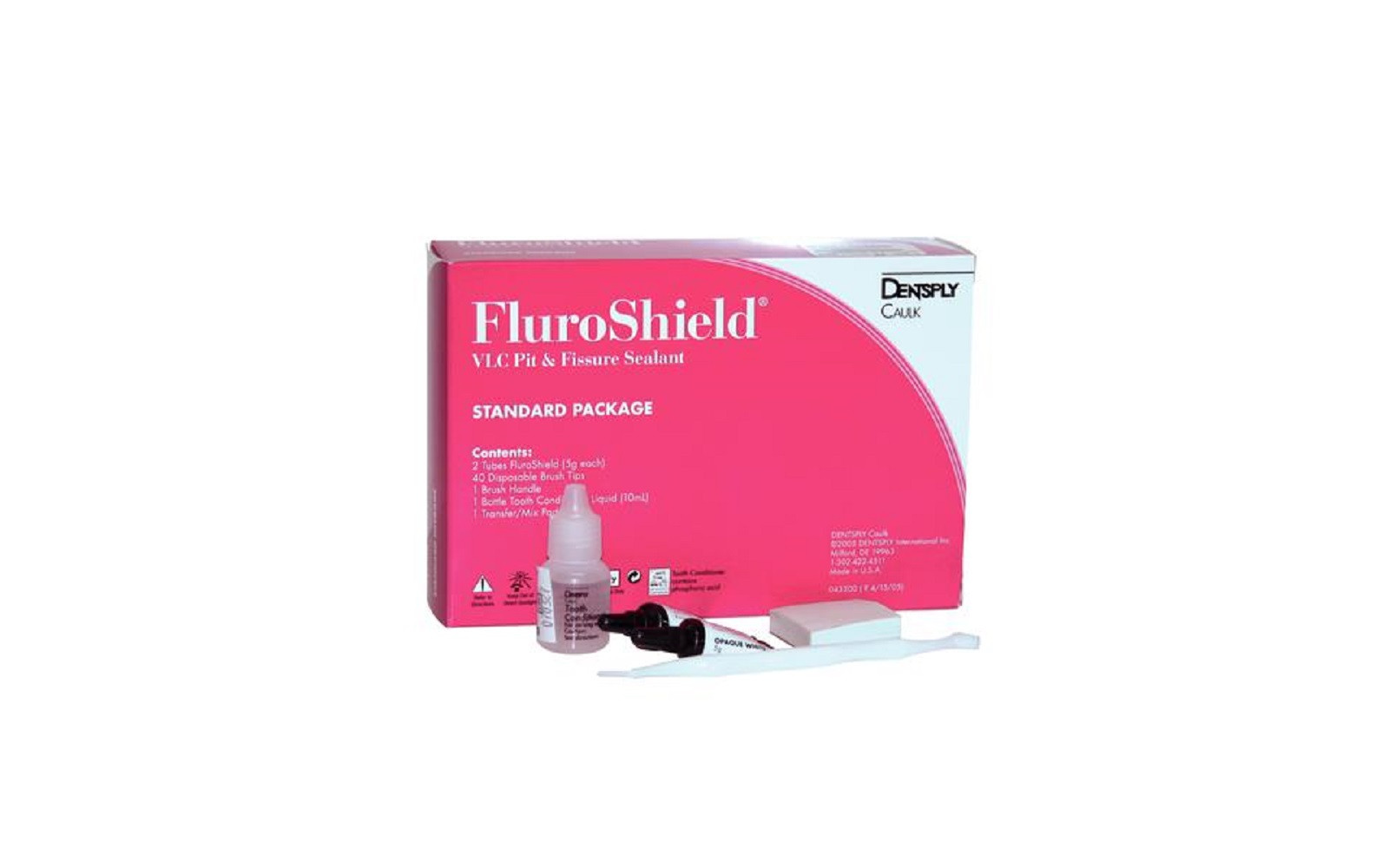
9. FluroShield — Dentsply Caulk

FluroShield is a light-cured, fluoride-releasing sealant from Dentsply Caulk. The listing says it forms a chemical and mechanical bond to etched enamel and is used on posterior pits and fissures in children and adults, including school programs. A filler percent, a color, and a radiopacity line are not printed. Delivery is “syringe or bottle,” varying by kit.
Who it is for: A Dentsply Caulk sealant when the written surface is etched enamel and fluoride release is stated.
Tradeoff: The etch step is explicit on this row, which is why the etchant guide belongs next to it. BeautiSealant’s no-phosphoric-acid line does not apply here. Filler percent is not added.
10. Conseal F — SDI

Conseal F is SDI’s light-cured, fluoride-releasing sealant in a syringe. The listing says the filler has a high surface area and that fluoride release is strong at the start and continues. Uses named: pits and fissures in higher-risk patients, including school and public-health settings. A filler percent, a color, and a radiopacity line are not printed. No ppm figure is printed.
Who it is for: An SDI syringe when the reason you are choosing it is the listing’s high-initial fluoride line, not a filler percent.
Tradeoff: “High” and “sustained” are the listing’s words. They are not a numbered fluoride curve on this page. Helioseal Clear is the row that refuses a fluoride claim; Conseal F is the opposite emphasis, still without a ppm value.
Related articles
Keep exploring related topics from Dental Country.
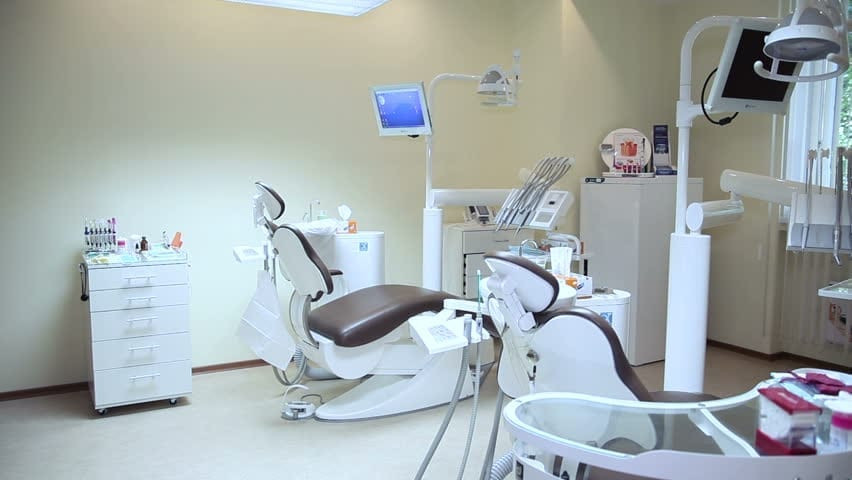
The Top 15 Dental Chairs in the World
Compare 15 dental chair brands for 2026 — A-dec, Planmeca, Midmark, and more — by ergonomics, service, and cost.
Read article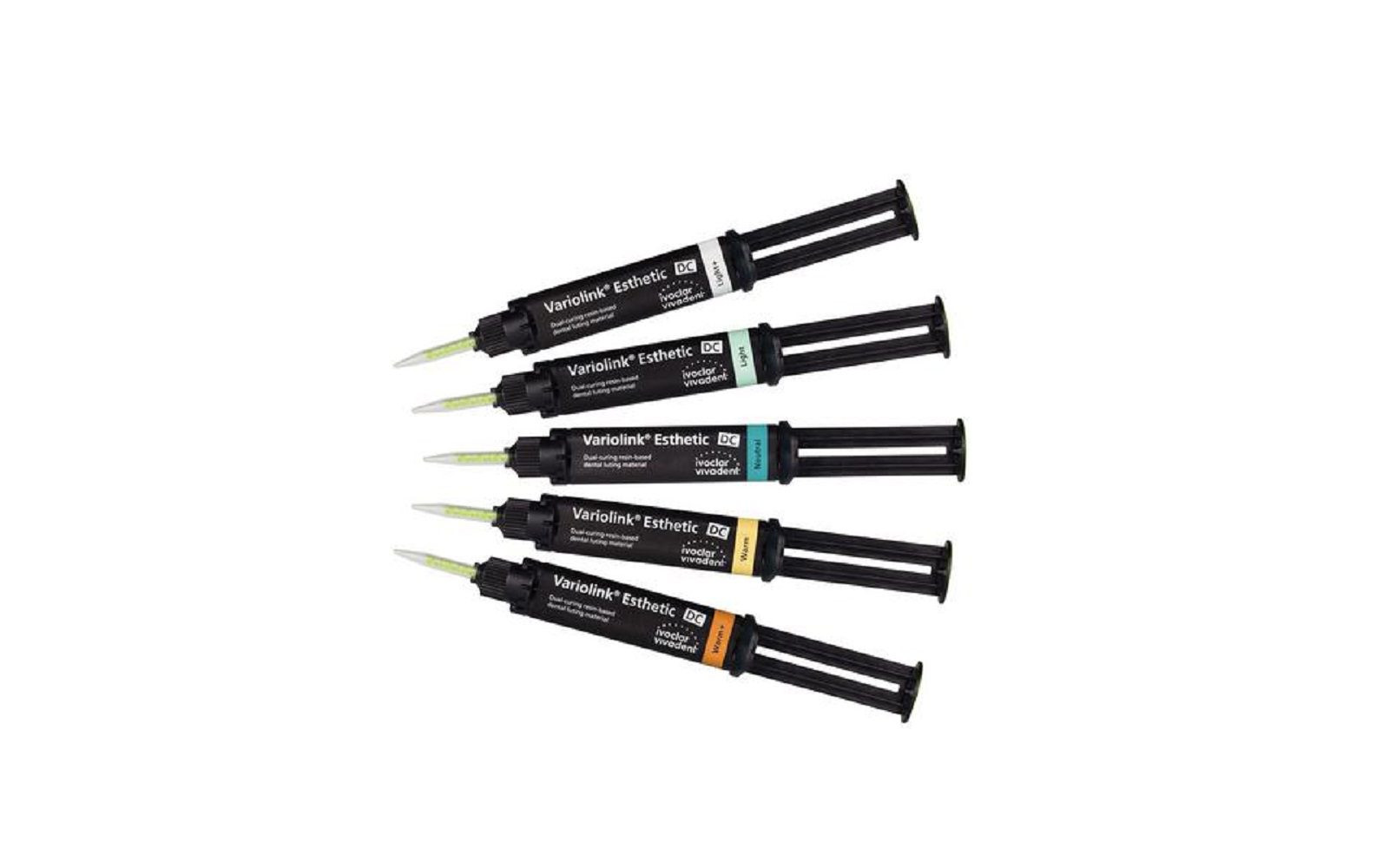
Top 10 Resin-Based Dental Cements
Adhesive vs self-adhesive resin cements: Variolink, RelyX, PANAVIA, and NX3 by bonding steps, cure, and cleanup.
Read article
Top 10 Bottle Cleaners for Dentists
Compare the best Bottle Cleaners for Dentists — our researched Top 10 ranking of the leading brands and options to help you choose the right fit for your practice.
Read article
7 Dental Websites to be Inspired by
Compare the best 7 Dental Websites to be Inspired by, ranked on performance, features, and value to help you choose the right fit for your practice.
Read article