
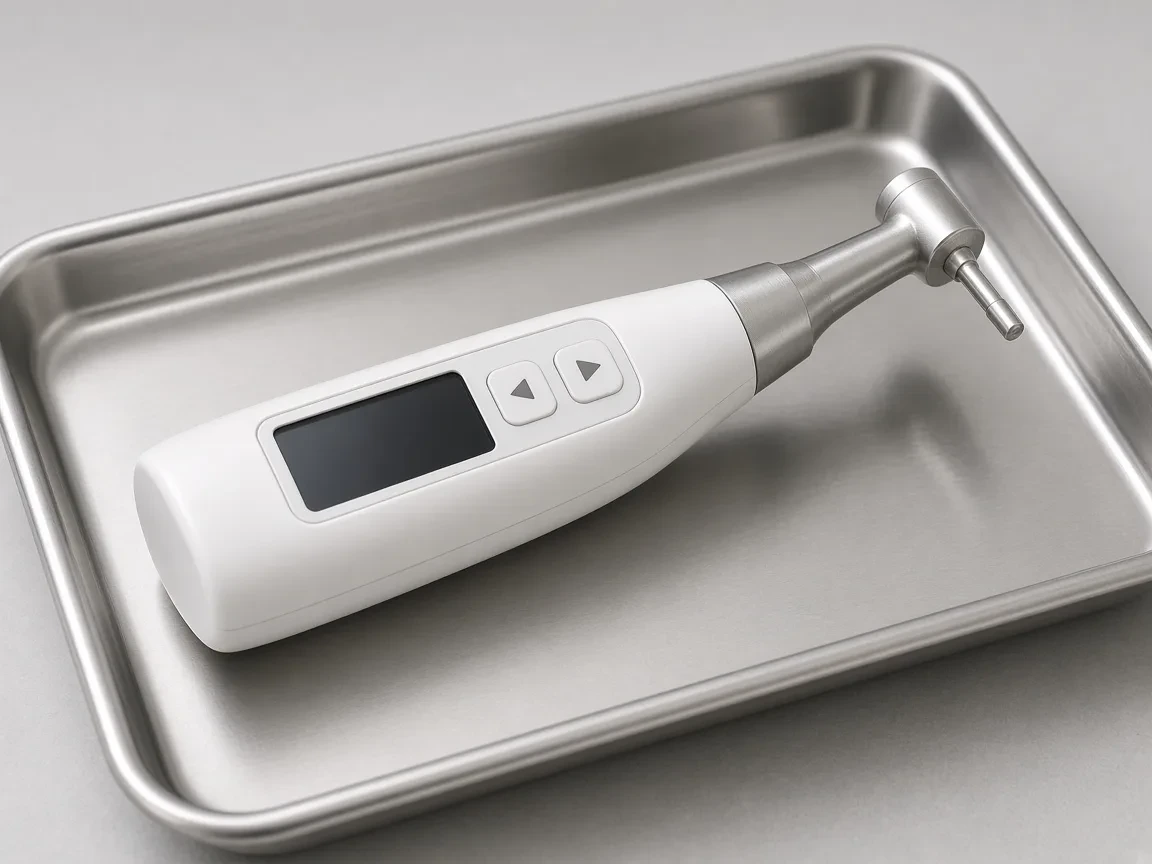
Dental Endodontic Motors: How to Choose.
How to choose an endodontic motor: rotary or reciprocating, cordless or with a built-in apex locator, and how Morita, X-Smart, and NSK differ.

Reviewed by Dr. Sean Myran, DMDDoctor of Dental Medicine, University of Pennsylvania
How we rank explains how these product lists are ordered.
An endodontic motor turns a NiTi file. It is not an implant motor, and it is not the slow-speed handpiece used to remove decay. The file in the canal is covered in the endodontic file guide. Length, when it is a separate box, is the apex locator guide.
How to choose an endodontic motor
- Match the motion to the file. Some files rotate continuously. Some reciprocate. The motor has to run the motion printed on the file you already stock. A rotary-only motor cannot run a reciprocating file. Buy the file system first, then the motor that runs it.
- Speed and torque come from the file card. The file maker publishes the setting for that file. This page does not print a universal number. If the motor cannot hold, or at least display, the setting on that card, it is the wrong motor.
- Length in the handpiece, or a separate locator. Some motors measure the file tip while it turns. Others do not. A built-in locator is one cord. A separate apex locator can move between chairs. Neither one retires a working-length film when the reading and the tactile stop disagree.
- Cordless body, or a console. A cordless motor is the usual purchase for one operatory. A corded console is the purchase when the office wants the motor on a cart and is not changing batteries between patients. Ask which one the quote is.
- The contra-angle is part of the quote. Endo files need the reduction angle made for that motor. A restorative slow-speed attachment is not that angle. Include the angle, and a spare if the dealer sells one for that model.
How the endo motor lines differ
Treat the table as product differences, not a score. Settings belong on the file maker’s card and in the motor’s own manual, read together.
| Line | What you are buying | Best fit | Watch for |
|---|---|---|---|
| J. Morita Tri Auto ZX2 | A cordless endo motor with Morita’s apex locator built into the handpiece | One operatory that wants shaping and working length in the same cord | The locator in the handpiece is still not the confirming film |
| Dentsply Sirona X-Smart Pro | A cordless motor sold for both continuous rotation and reciprocation | Offices whose files include a reciprocating system, or who want one motor for both motions | Load the program for the file in the tooth. A saved reciprocation program will not run a rotary file correctly |
| NSK Endo-Mate | NSK’s cordless endo motor line, used with an NSK endo contra-angle | A chair that already has a separate apex locator and wants a straightforward cordless motor | Confirm the angle and the file motion are in the same quote. Length is a second device unless the model says otherwise |
J. Morita Tri Auto ZX2
Tri Auto ZX2 is the Morita handpiece that shapes and reads length together. It belongs with the Root ZX way of measuring. Choose it when one room does the endo and you do not want a separate locator on the tray. The standalone Root ZX II is the other Morita purchase, for chairs that only need length. Take a film when the handpiece reading and the stop you feel do not agree.
Dentsply Sirona X-Smart Pro
X-Smart Pro is the cordless motor to look at when the files are Dentsply Sirona’s, including a reciprocating file. The buying question is whether this motor’s programs cover the files you stock, rotary and reciprocating. A program left over from a file you no longer use is the wrong setting. Pair it with the file guide and set the motor from that file’s card.
NSK Endo-Mate
Endo-Mate is NSK’s cordless endo motor. Choose it when you already own a locator, or you are willing to buy length separately, and you want NSK’s own contra-angle on the motor. Do not assume an angle from another brand fits. Do not assume the motor includes apex location. Read the model on the quote.
Related guides
Endodontic motor questions
Can I use my implant motor for a root canal?
No. An implant motor runs surgical burs. An endodontic motor runs NiTi files at the file maker’s motion. They are different consoles.
Do I still need an apex locator?
Only if the motor does not measure length, or if a second chair needs a locator without a motor. If length is built in, you still take a film when the reading is surprising. The motor does not replace the sensor.
Which setting do I use?
The one on the card that came with the file, for that motor. A number copied from a different file is how a file separates. This guide does not publish a chart.
Related articles
Keep exploring related topics from Dental Country.
Dental Operating Microscopes: How to Choose
How to choose a dental operating microscope: the mount, the magnification steps, and how Zeiss, Global, and Zumax differ from loupes.
Read article
Dental Ultrasonic Scalers: How to Choose
How to choose an ultrasonic scaler: magnetostrictive versus piezo, and how Cavitron, Acteon, EMS, and NSK differ.
Read article
Dental Handpieces: How to Choose
How to choose a dental handpiece: air versus electric, high-speed versus slow-speed, and how W&H, NSK, Morita, and Midwest differ.
Read article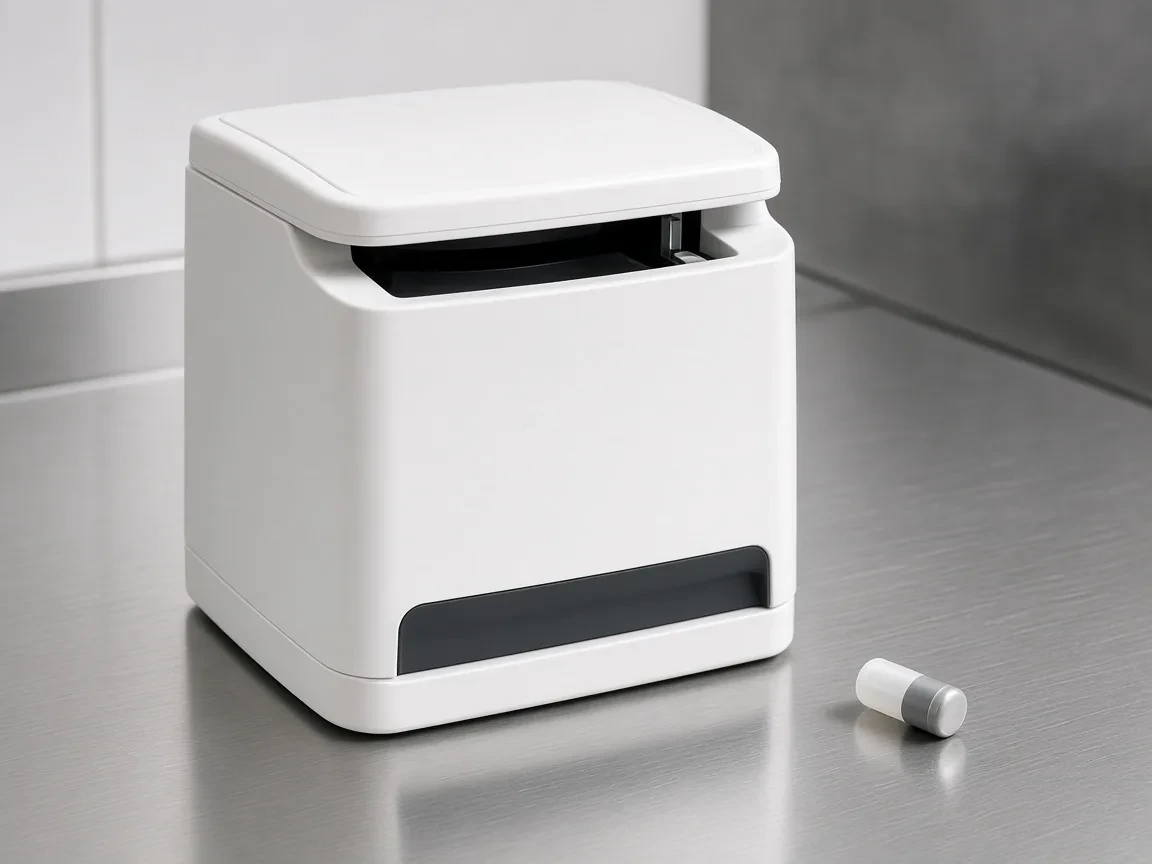
Dental Capsule Mixers: How to Choose
How to choose a capsule mixer: Silamat S6, RotoMix, Ultramat 2, and GC CM-II, plus the cover and fork that fail first.
Read article