
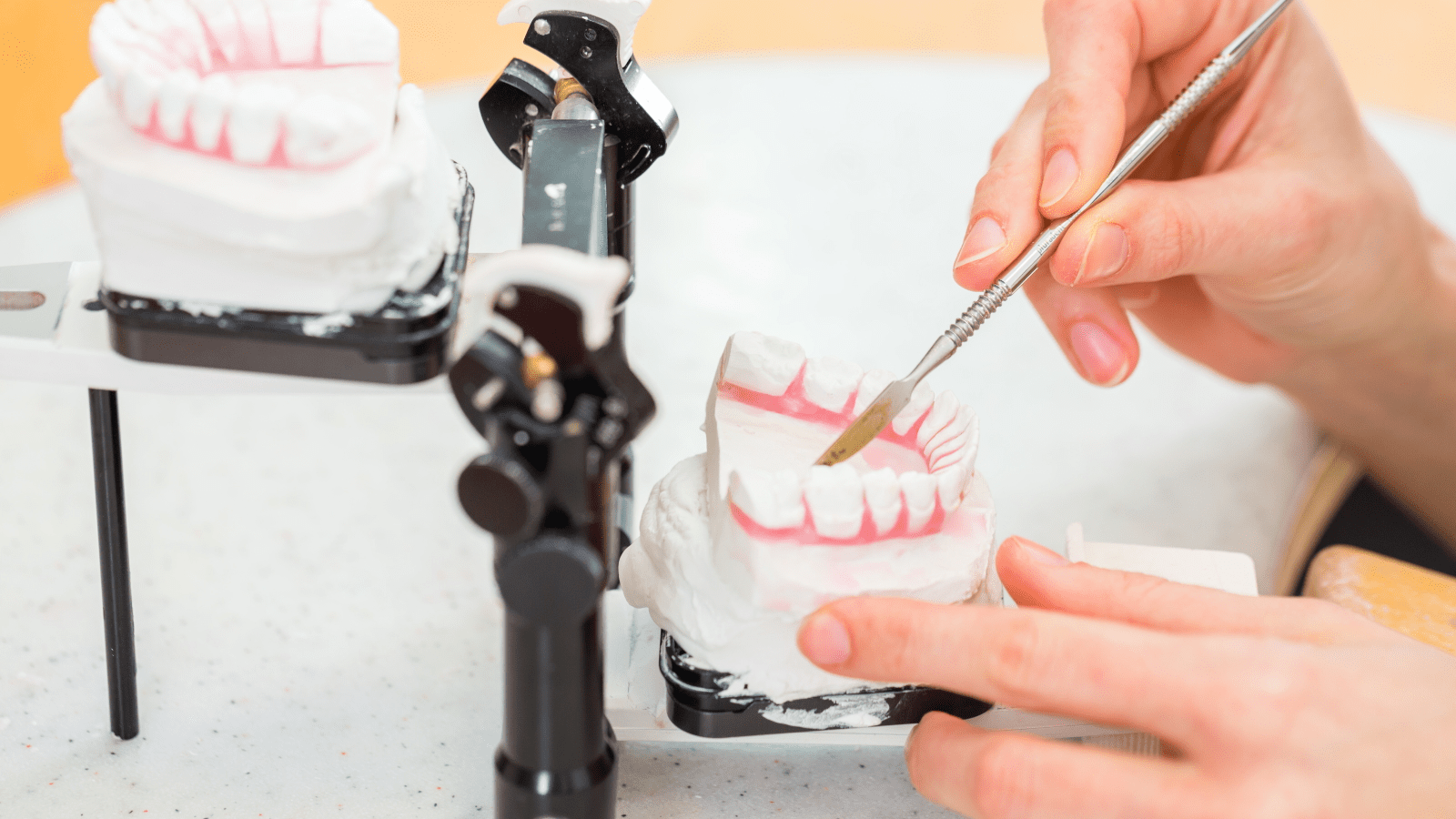
Top 5 Dental Cements for Crown & Bridges.
Temporary zinc oxide, zinc polycarboxylate, an RMGI liner, self-adhesive resin, and a GI luting cement.

Reviewed by Dr. Sean Myran, DMDDoctor of Dental Medicine, University of Pennsylvania
How to Choose Among These Dental Cements
The page title says crown and bridge cements. The five catalog rows are five different jobs. Kerr Temp-Bond without eugenol is a temporary zinc-oxide cement. Dentsply POLY-F Plus is a zinc polycarboxylate powder kit. Vitrebond Plus is a 3M resin-modified glass ionomer liner and base under direct restorations, not a crown luting cement. RelyX Unicem 2 is a self-adhesive dual-cure resin cement. Ketac-Cem is a 3M glass ionomer luting cement. The old essay’s zinc phosphate class is not one of these five products, so it is not given a ranked heading.
Resin cements as a class, including materials that do ask for a separate primer, are the resin cement guide. Restorative glass ionomer fills are the glass ionomer restorative guide; Ketac-Cem on this page is a luting cement, and Vitrebond Plus is a liner. A separate adhesive, when the cement does not say to skip one, is the dental adhesives guide. Vitrebond Plus is light-cured and RelyX Unicem 2 is dual-cure, so the lamp is the curing light guide. The bis-acryl temporary you might lute with Temp-Bond is the crown and bridge temporary guide. Dentaltix and Net32 prices, and the star counts beside them, are omitted.
Buying criteria that match the five rows
- Temporary cement, liner, or luting cement — Temp-Bond is for temporary crown and bridge cementation. Vitrebond Plus is a liner or base under Class I–V direct restorations. POLY-F Plus, RelyX Unicem 2, and Ketac-Cem are the rows whose uses include cementing indirect work. Ketac-Cem also names posts, cavity lining, and orthodontic bands.
- Chemistry — Noneugenol zinc oxide; zinc polycarboxylate; resin-modified glass ionomer; self-adhesive resin; conventional glass ionomer luting cement. Those five are not interchangeable because they share a page.
- A separate adhesive — RelyX Unicem 2’s block says no pretreatment and no bonding agent. The other four blocks do not make that claim. Temp-Bond’s block says it will not inhibit resin polymerization and that it is eugenol-free. The other blocks do not discuss eugenol.
- Light — Vitrebond Plus is light-cured, in a clicker dispenser. RelyX Unicem 2 is dual-cure, in an automix syringe. POLY-F Plus and Ketac-Cem are powder mixes. Temp-Bond is two pastes on a mixing block.
- Numbers the page actually prints — POLY-F Plus: 50 g powder, and 5–7 minutes. The overview calls that span a working time. The feature list calls it a consistency setting time. Ketac-Cem: fluoride release, high radiopacity, film thickness “extremely low,” with no micron value. No row prints a film thickness in microns.
| Product | What the row is | Cure and delivery | Use the listing names | Watch-out |
|---|---|---|---|---|
| Temp-Bond, no eugenol | Temporary zinc-oxide cement | Two pastes. Base, throttle, mixing block | Temporary crowns and bridges. Vital and pulp-free teeth | Kerr. Eugenol-free. Listing says it does not block resin polymerization. Not a permanent luting cement. |
| POLY-F Plus | Zinc polycarboxylate cement | 50 g powder, water dispenser, mixing block, measuring tool. 5–7 minutes | Crowns, bridges, temporary fillings, cavity coatings, root-canal visits, pulp protection | Dentsply. The page uses both “working time” and “setting time” for the same 5–7 minutes. |
| Vitrebond Plus | RMGI liner and base | Light-cured clicker. Two dispensers and a mixing block | Under Class I–V direct restorations | 3M. A liner, not the cement that seats a crown. Hypersensitivity and shrinkage lines are the listing’s claims. |
| RelyX Unicem 2 | Self-adhesive resin cement | Dual-cure automix syringe | Crowns, bridges, inlays, onlays | 3M. Listing says no separate primer or bonding agent. |
| Ketac-Cem | Glass ionomer luting cement | Granulated powder-liquid. Chemical set | Posts and screws, cavity lining, orthodontic bands, general luting | 3M. Fluoride and “extremely low” film thickness. No micron number. |
1. Temp-Bond Without Eugenol — Kerr

Kerr Temp-Bond without eugenol is a temporary zinc-oxide cement for crowns and bridges. The listing says it is eugenol-free, suitable for vital and pulp-free teeth and for patients who are sensitive to eugenol, and that it does not inhibit polymerization of resin materials. The kit line lists a base tube, a throttle tube, and a mixing block. Uses named: temporary cementation, including when the final restoration will be resin-bonded.
Who it is for: Holding a temporary crown or bridge when the cement itself has to stay eugenol-free so a later resin cement is not inhibited.
Tradeoff: This is a temporary cement. It is not RelyX Unicem 2 and not Ketac-Cem. The bis-acryl or shell you are cementing is chosen on the temporary material guide. No set time is printed on this block.
2. POLY-F Plus — Dentsply

Dentsply POLY-F Plus is a zinc polycarboxylate cement. The kit lists 50 g of powder, a water dispenser, a mixing block, and a measuring tool. The overview calls 5–7 minutes a working time. The feature list calls the same span a consistency setting time. Uses named: cementing crowns and bridges, temporary fillings, cavity coatings, root-canal treatment, pulp protection, and dentin pretreatment. The listing calls the mix biocompatible and pulp-friendly. A film thickness is not printed.
Who it is for: A polycarboxylate powder-water cement when a 50 g kit and a 5–7 minute window are the specs you are mixing to.
Tradeoff: Working time and setting time are both used for one number, so this guide does not split them into two clocks. Eugenol is not discussed. The old table’s manufacturer cell matches Dentsply; an older feature grid left several columns as N/A, and those blanks stay blank.
3. Vitrebond Plus — 3M

3M Vitrebond Plus is a light-cured, resin-modified glass ionomer liner and base. The listing says the clicker dispenser avoids measuring, and that the material reduces postoperative hypersensitivity and polymerization shrinkage under direct restorations in all classes. The kit lists two clicker dispensers, a large mixing block, and a user guide. Uses named: base or liner under Class I–V composites or amalgams, including deep cavities. An older table put “Vitrebond” in the manufacturer column. The spec block says 3M.
Who it is for: A light-cured liner under a direct filling when you want 3M’s clicker RMGI, and you will cure it with a curing light.
Tradeoff: A liner is not the cement that seats a crown. Restorative glass ionomers you place as the filling are on the glass ionomer restorative guide. No powder weight and no set time in seconds are printed.
4. RelyX Unicem 2 Automix — 3M

3M RelyX Unicem 2 is a self-adhesive, dual-cure resin cement in an automix syringe with mixing tips. The listing says it needs no pretreatment and no separate bonding agent, and that it is used for crowns, bridges, inlays, and onlays. It also says color stays stable and that the automix limits bubbles. A film thickness and a set time are not printed.
Who it is for: A dual-cure resin cement for indirect restorations when the written protocol is self-adhesive: no separate primer.
Tradeoff: Cements that do ask for a bonding agent are on the resin cement guide, and the adhesives themselves are on the adhesives guide. “All dental surfaces” is the listing’s adhesion line; a bond-strength number is not printed. Dual-cure still has a light option, which is why the curing-light guide sits beside this row.
5. Ketac-Cem — 3M

3M Ketac-Cem is a glass ionomer luting cement in a granulated formula the listing says mixes with less waste. It says the film is extremely thin, the cement is fluoride-releasing and highly radiopaque, and it bonds to enamel and dentin. Uses named: posts and screws, cavity lining, orthodontic bands, and general luting. A micron value for film thickness is not printed. A set time is not printed.
Who it is for: A conventional glass ionomer luting cement when fluoride release, radiopacity, and a thin film are the printed reasons, including posts and orthodontic bands.
Tradeoff: “Extremely low” film thickness is not a micron number, so none is supplied. This is a luting cement, not Vitrebond’s light-cured liner and not a restorative glass ionomer filling. Eugenol status is not discussed on this block.
Related articles
Keep exploring related topics from Dental Country.
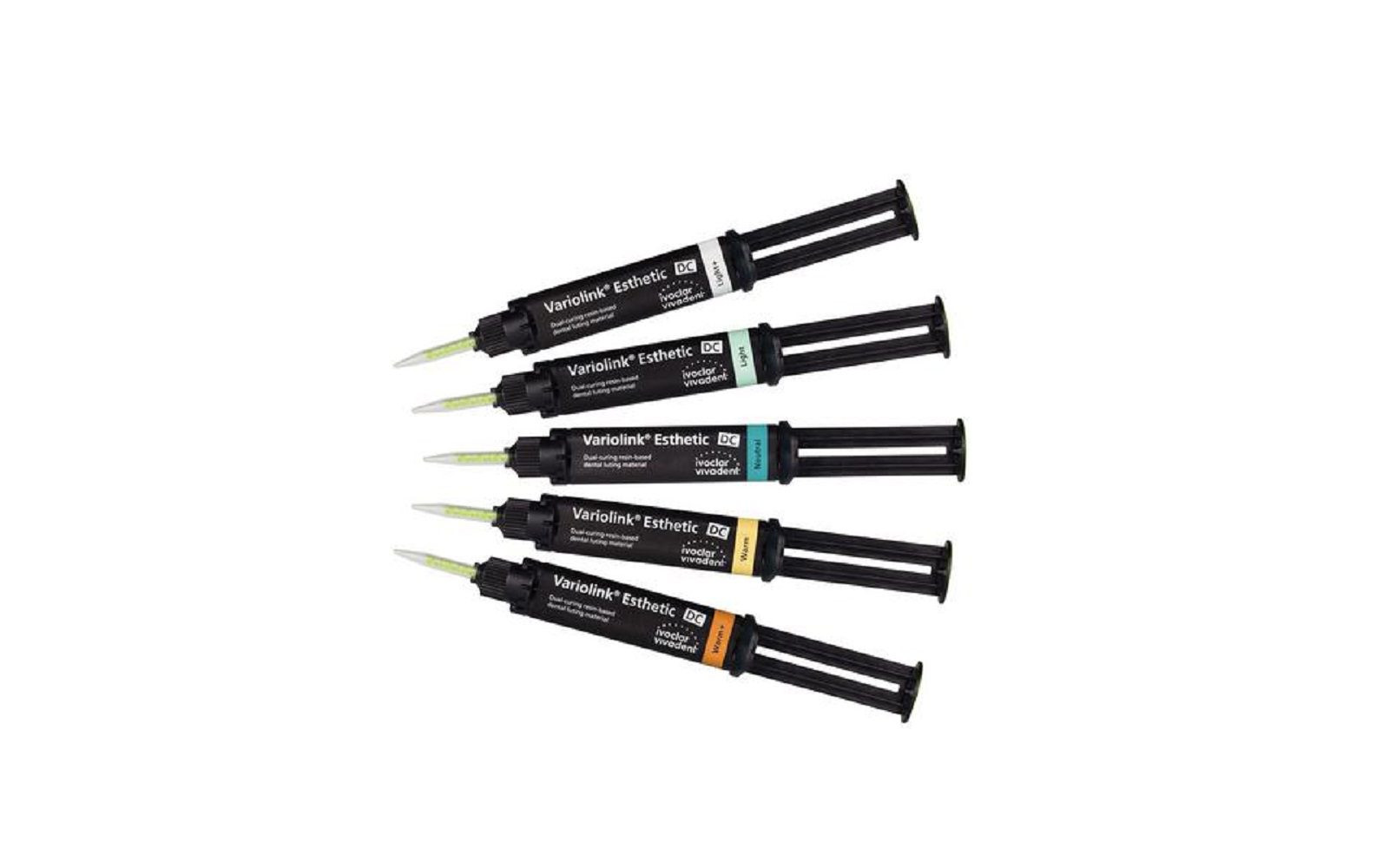
Top 10 Resin-Based Dental Cements
Adhesive vs self-adhesive resin cements: Variolink, RelyX, PANAVIA, and NX3 by bonding steps, cure, and cleanup.
Read article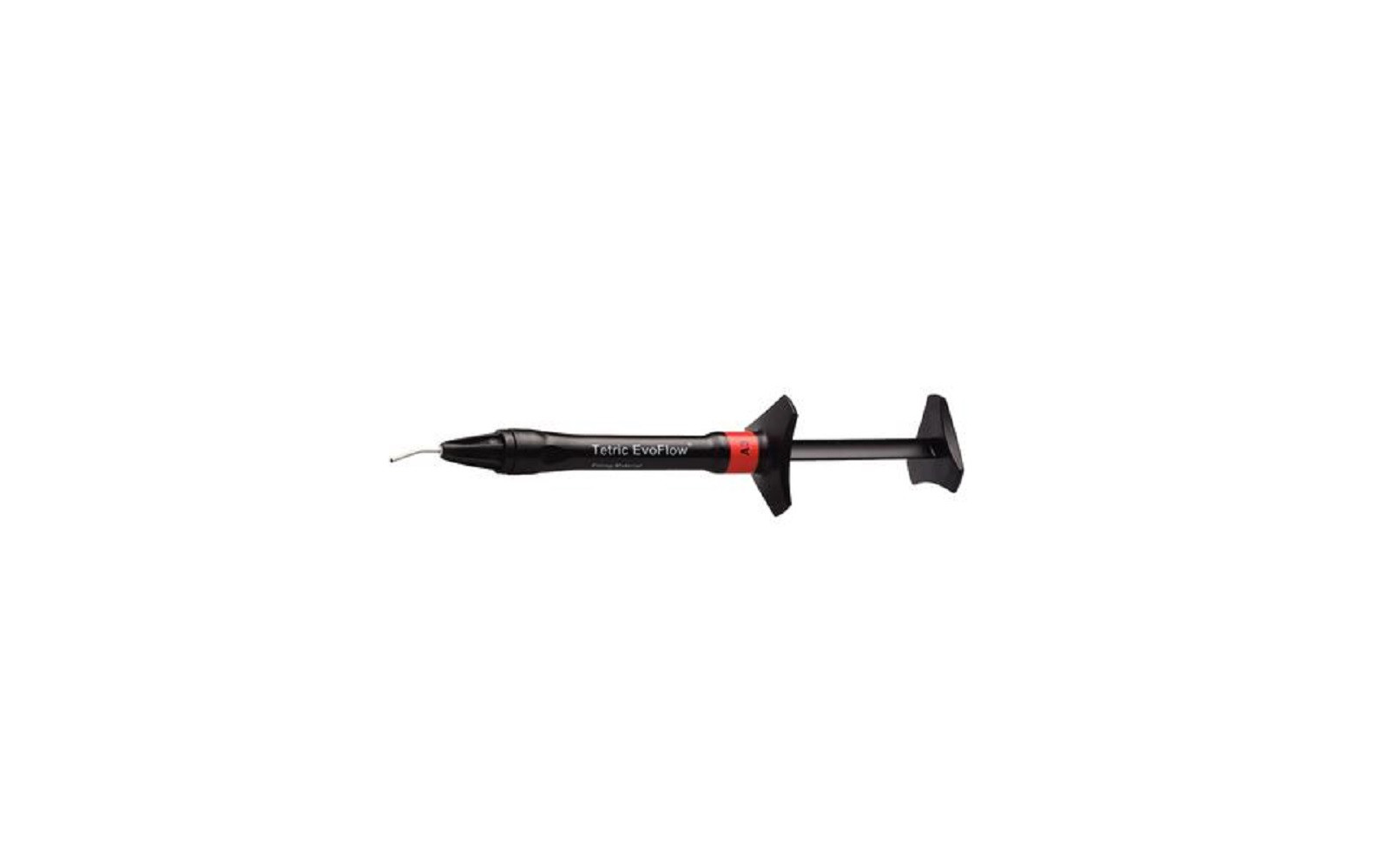
Top 10 Flowable Dental Composites
Flowable composite buying guide: SDR flow+ 4 mm bases versus Giomer, heavy-flow, and shade-matched liners.
Read article
Top 10 Bottle Cleaners for Dentists
Compare the best Bottle Cleaners for Dentists — our researched Top 10 ranking of the leading brands and options to help you choose the right fit for your practice.
Read article
7 Dental Websites to be Inspired by
Compare the best 7 Dental Websites to be Inspired by, ranked on performance, features, and value to help you choose the right fit for your practice.
Read article