
Will Whitening Damage Enamel?
Proper peroxide whitening is not expected to ruin healthy enamel, but misuse can raise sensitivity and wear risk. Learn the evidence clearly.

Reviewed by Dr. Sean Myran, DMDDoctor of Dental Medicine, University of Pennsylvania
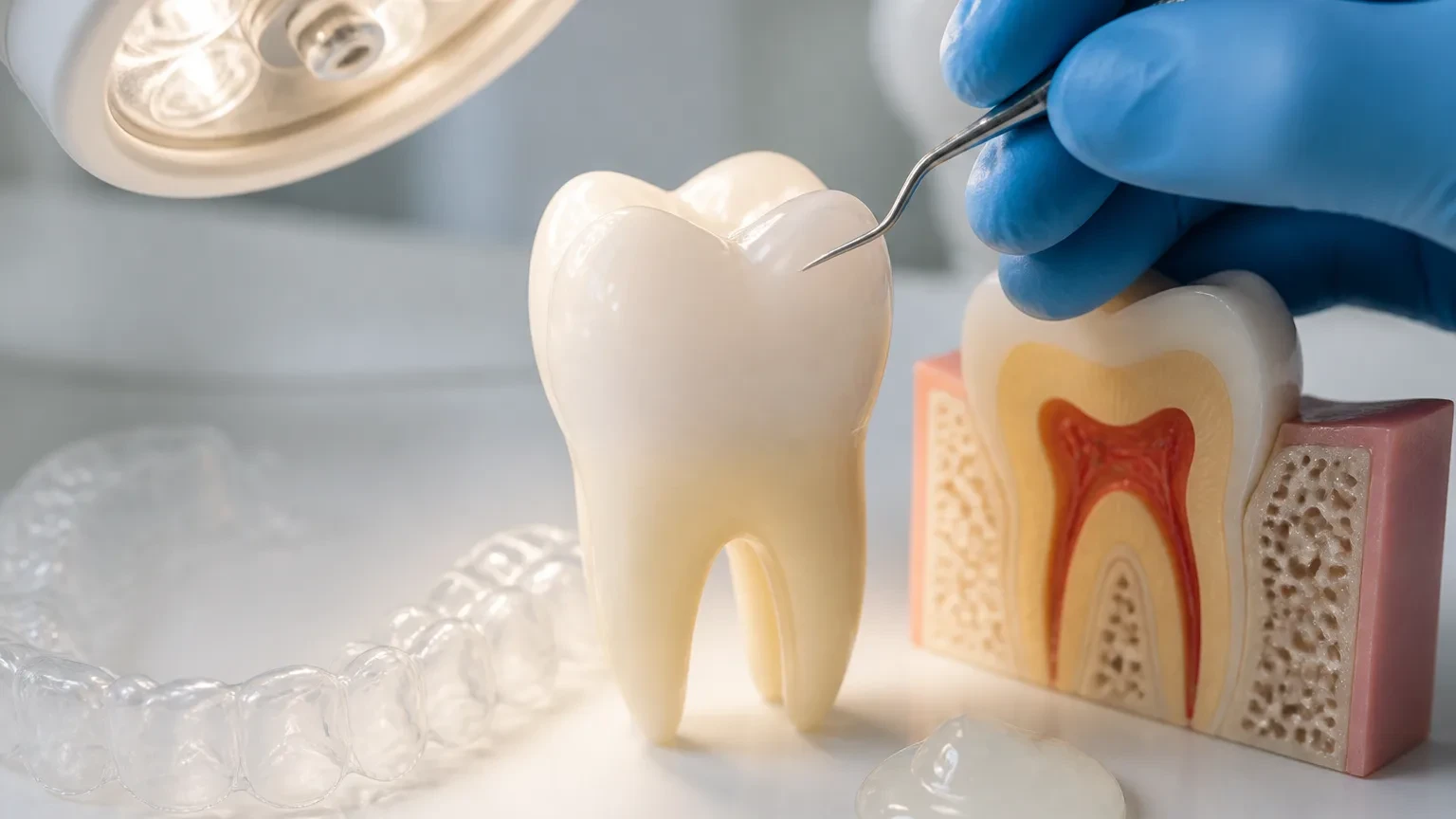
Proper peroxide whitening is not expected to ruin healthy enamel when products are used as directed. The evidence is more reassuring for dentist-guided gels and reputable OTC products than for internet mixtures, abrasive powders, or repeated unsupervised bleaching. Enamel is hard, but it is not invincible; acid, decay, grinding, and harsh scrubbing can weaken or wear it. MedlinePlus describes tooth enamel as the hard outer surface of the tooth, and protecting that surface is the point of careful whitening.
What The Safety Evidence Means
Peroxide whitening temporarily changes the tooth environment. Teeth may feel more sensitive, and lab studies can measure short-term surface changes under some conditions. In a healthy mouth, saliva, fluoride, and time help the surface recover. That is different from saying every product is harmless. Overuse, poor tray fit, acidic lemon or baking soda routines, and abrasive charcoal can create real problems. The safer conclusion is specific: directed peroxide whitening is generally enamel-safe for appropriate candidates.
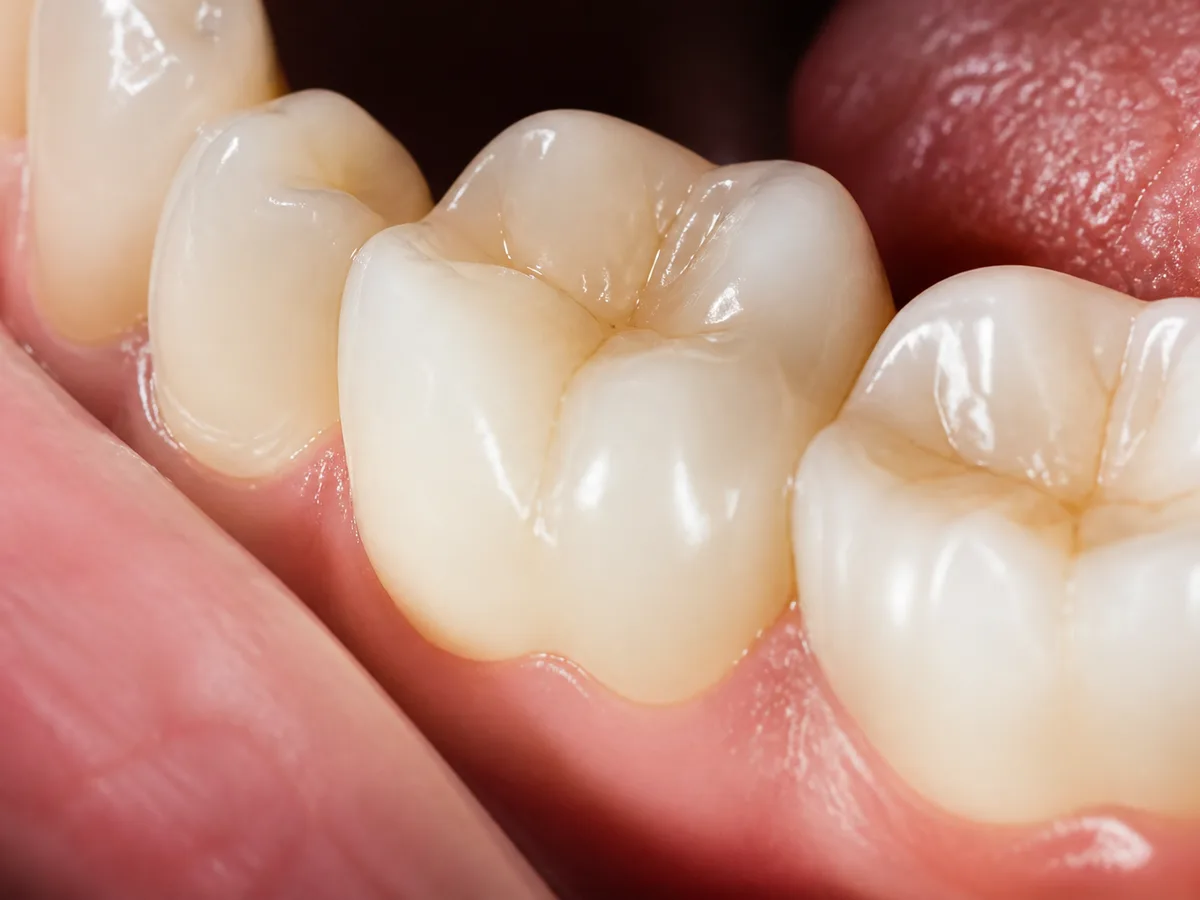 The same gel can be low risk in one mouth and a bad fit in another.
Healthy enamel changes the risk level
A dentist checks for erosion, cracks, cavities, exposed roots, and thin edges before recommending whitening. Those findings do not always rule bleaching out, but they can change the strength, timing, and preparation. They may also point toward fluoride treatment or repairing a defect before any cosmetic gel touches the tooth. If you have acid reflux, frequent lemon water, an eating disorder history, or aggressive brushing wear, use find a dentist and ask for an enamel-focused exam before starting any whitening cycle.
Enamel-Friendly Whitening Rules
- Do not whiten over untreated cavities or cracked teeth.
- Follow wear time exactly; longer sessions are not smarter sessions.
- Skip charcoal, lemon juice, baking soda scrubs, and harsh brushing during whitening.
- Use fluoride toothpaste unless your dentist recommends otherwise.
- Pause for lingering sensitivity or gum irritation.
- Let shade settle before repeating treatment.
The enamel question often overlaps with sensitivity and frequency. A tooth can feel sensitive without being permanently damaged, but symptoms still deserve respect. Read Does Teeth Whitening Hurt? for comfort patterns, How Often Can You Whiten Your Teeth? for spacing, and Does Charcoal Toothpaste Whiten Teeth? before mixing whitening with abrasive trends.
When Enamel Needs Repair Before Whitening
Visible pits, chalky white scars, erosion near the gumline, and sharp notches from brushing can all complicate whitening. Bleach may make color differences more noticeable even if it does not create the defect. Your dentist may recommend fluoride, bonding, diet changes, reflux management, or a slower whitening plan. Treating the weak spot first often gives a better cosmetic result than trying to bleach past it. It also reduces the chance that sensitivity gets blamed on the wrong cause.
The add-ons are often riskier than the bleach
Many enamel scares come from stacking products: whitening strips in the morning, charcoal paste at night, acidic rinses, and hard brushing to chase a faster shade. That combination can irritate gums and wear surfaces even if any one product seemed manageable. Keep the plan boring. Use one whitening system as directed, protect enamel with fluoride, and let your dentist decide whether touch-ups are appropriate after the color has settled fully. That pause protects judgment and enamel comfort before repeating treatment.
The Evidence-Based Answer
Whitening is not automatically enamel damage. It is safest when teeth are healthy, instructions are followed, abrasive shortcuts are avoided, and symptoms change the plan. If enamel is already worn, the answer may be slower whitening, repair first, or a different cosmetic route. The exam tells those paths apart and keeps whitening from being blamed for damage that was already developing. That clarity protects both your enamel and your expectations.
Related articles
Keep exploring related topics from Dental Country.
Is Professional Teeth Whitening Safe?
Professional whitening is not a free-for-all with strong gel. Safety comes from exam, isolation, dose, and knowing when your teeth need care first.
Read article
Professional Vs OTC Teeth Whitening: Which Works Better?
Strips, trays, and in-office whitening can all have a place. The difference is how much control you get over fit, strength, timing, and risk.
Read article
How Long Does Teeth Whitening Last?
Whitening lasts longer when you treat it as stain management, not a one-day makeover. Food, habits, enamel, and touch-ups all change the timeline.
Read article
Does Teeth Whitening Hurt?
Whitening discomfort is usually temporary sensitivity, not true pain. A day-by-day guide helps you know when to pause and when to call.
Read article