
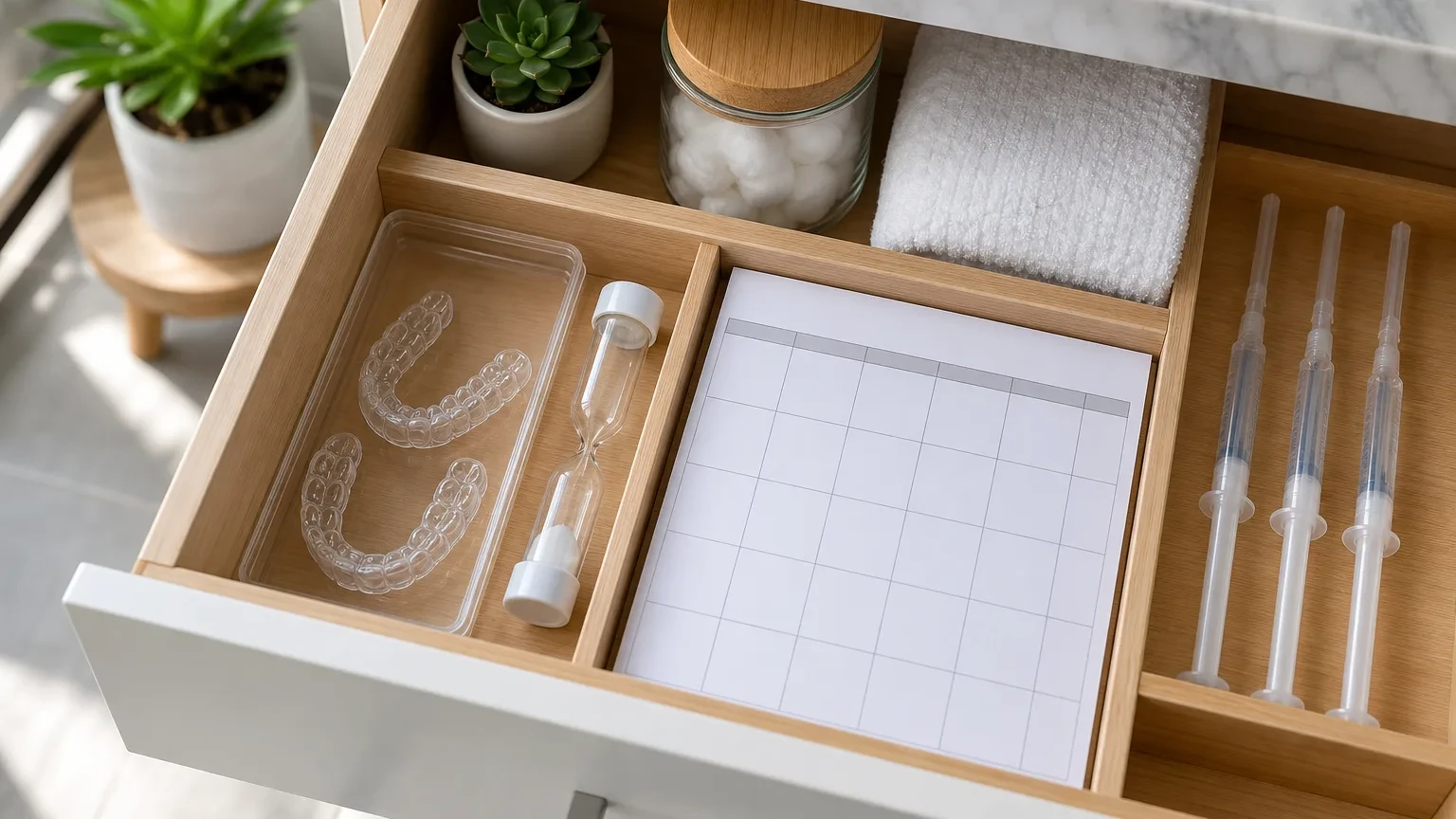
How Often Can You Whiten Your Teeth?
How often you can whiten teeth depends on product strength, sensitivity, enamel, stain habits, and dental work. Learn safe spacing basics now.

Reviewed by Dr. Sean Myran, DMDDoctor of Dental Medicine, University of Pennsylvania
How often you can whiten depends on the product, concentration, wear time, sensitivity history, enamel condition, and whether you are doing a full course or a brief touch-up. More frequent whitening does not always mean a whiter smile; it can mean irritated gums and teeth that need a break. MouthHealthy recommends following product directions and dental guidance, which is the safest starting point for spacing.
A Spacing Guide Dentists Commonly Use
- Full whitening course: Complete the prescribed in-office visit, strip box, or tray schedule, then stop and let shade settle.
- Early touch-up: Wait until sensitivity is gone and color has stabilized, often at least several weeks.
- Maintenance: Custom tray users may refresh for one or two nights every few months if their dentist agrees.
- Major repeat whitening: Often spaced many months apart, not restarted whenever one coffee stain appears.
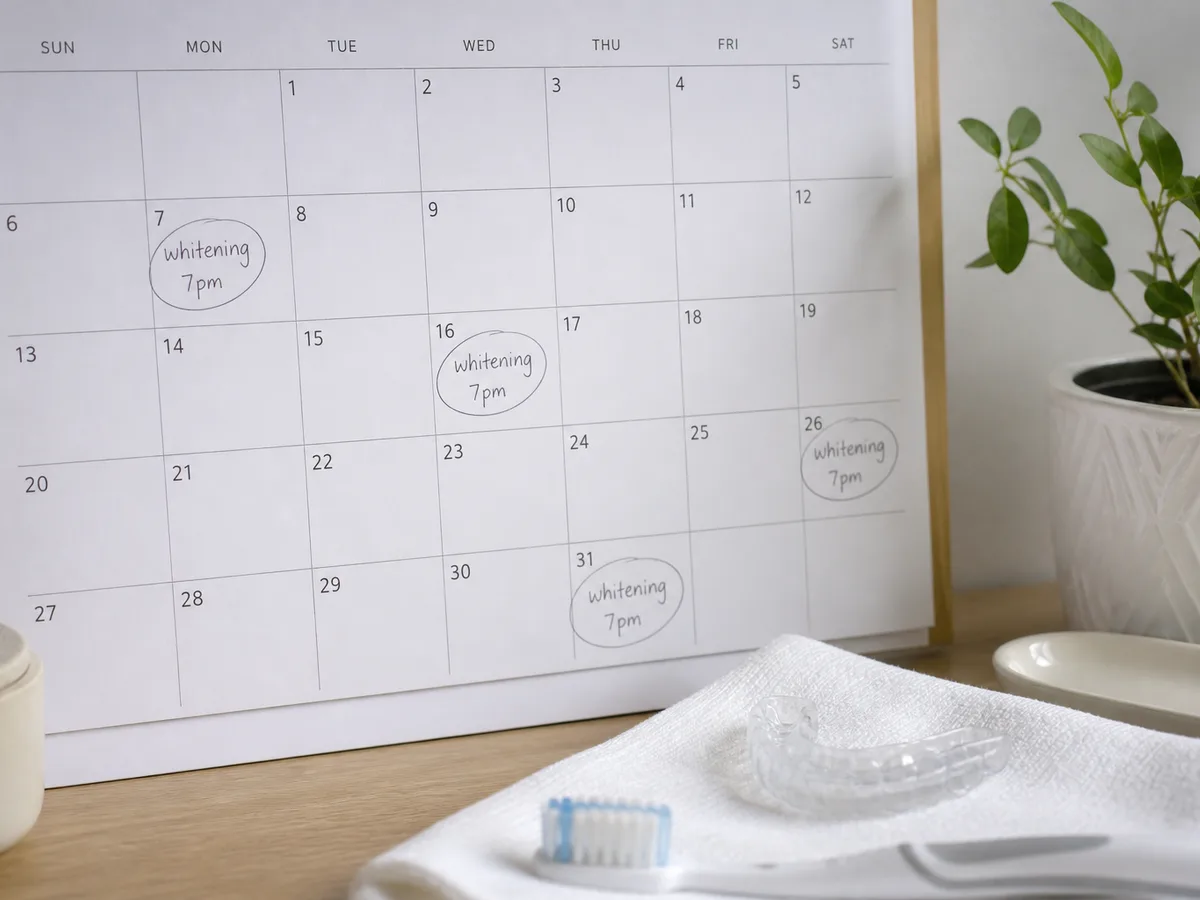 Spacing protects comfort and color judgment.
Let the shade settle before judging
Teeth can look extra bright or chalky right after treatment because they are temporarily dehydrated. Judging too soon can push people into unnecessary extra gel. Give the color time to stabilize, then compare photos under similar lighting. Your dentist may want you to wait at least a couple of weeks before deciding whether more whitening is needed. If you need help creating a touch-up calendar, find a dentist and ask for written instructions that name the gel strength and maximum wear time.
Signs You Are Whitening Too Often
- Sensitivity lasts longer after each session.
- Gums burn, peel, or turn white where gel sits.
- Teeth look chalky but not naturally brighter.
- You keep switching products because results rebound.
- Fillings or crowns now stand out more than before.
If those signs show up, stop and reset with a dental exam. The solution may be a lower concentration, shorter wear time, desensitizing product, cleaning, or simply more time between touch-ups. People with exposed roots, erosion, active decay, or a history of severe sensitivity need a more conservative schedule. For comfort details, read Does Teeth Whitening Hurt?. For durability, see How Long Does Teeth Whitening Last? and Is Professional Teeth Whitening Safe?.
Build A Schedule Around The Reason
Event whitening, post-cleaning touch-ups, and tobacco or coffee stain management are different situations. If a single celebration is the reason, start early enough to manage sensitivity and shade rebound. If daily habits keep staining teeth, repeated bleaching may be less useful than changing drink timing, improving cleanings, or using brief tray maintenance. Whitening too often can turn a simple cosmetic plan into a comfort problem. Write down why you want another round before you start; the reason should match the product and the interval.

Product strength changes the interval
A low-strength tray gel used briefly is not the same as repeated high-strength sessions or wearing strips longer than directed. Keep the packaging or syringe label so your dentist knows what you used. That detail helps them troubleshoot sensitivity and recommend spacing. Never assume a schedule from one product transfers to another. Concentration, pH, tray fit, and contact time all shape risk, even when two products both use the word whitening on the package. When unsure, pause and ask first.
Simple Rule
Whiten in planned courses, not constantly. Touch up only after color settles, sensitivity clears, and your dentist agrees the teeth and gums are healthy enough. A written schedule is more reliable than chasing every mirror check. Put the product name, start date, stop date, and any sensitivity notes in your phone. That record helps your dentist make the next interval safer and more precise, especially if you change products later. It also discourages impulse touch-ups after one stained meal. Steady spacing is part of the treatment.
Related articles
Keep exploring related topics from Dental Country.
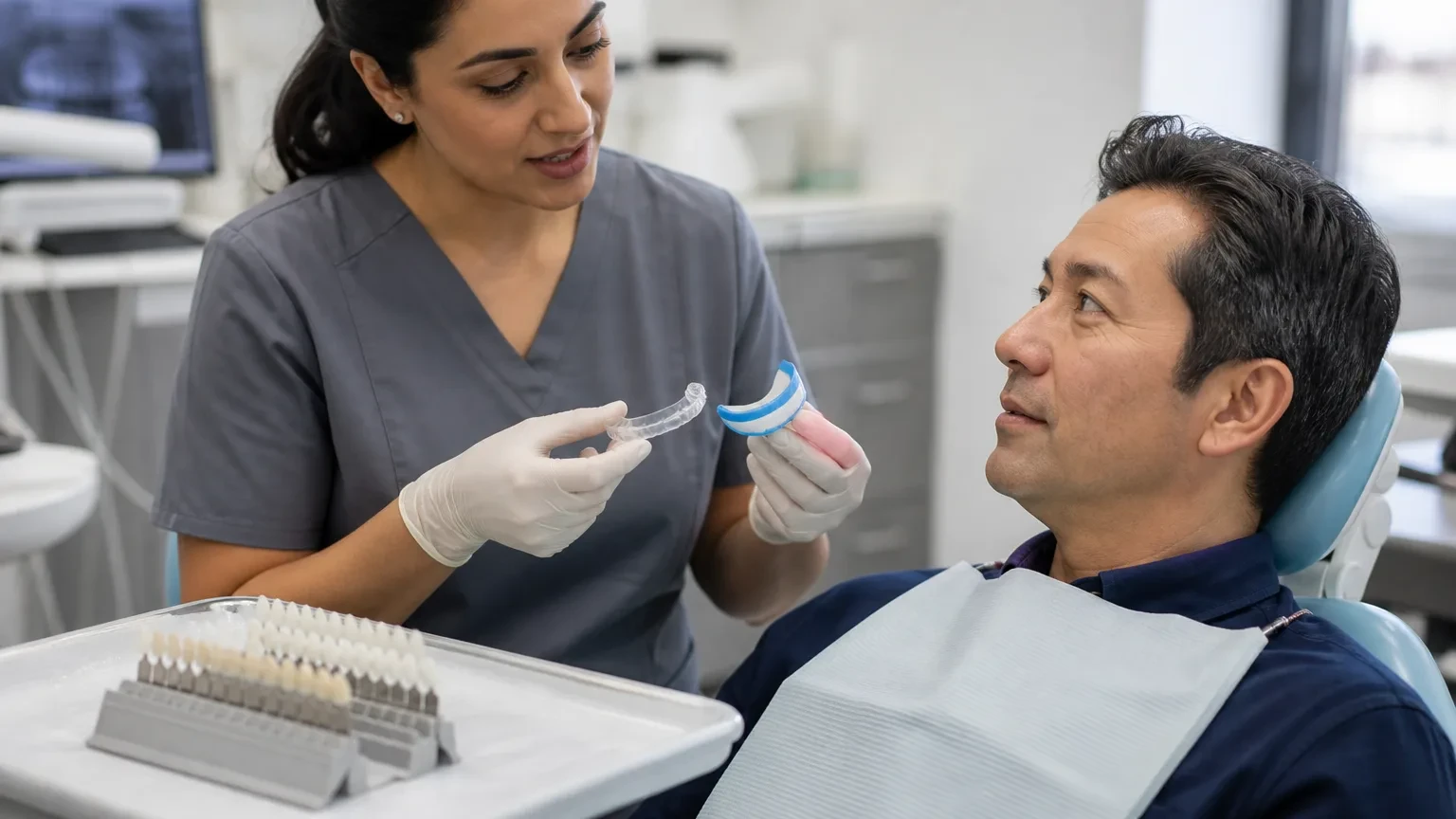
Is Professional Teeth Whitening Safe?
Professional whitening is not a free-for-all with strong gel. Safety comes from exam, isolation, dose, and knowing when your teeth need care first.
Read article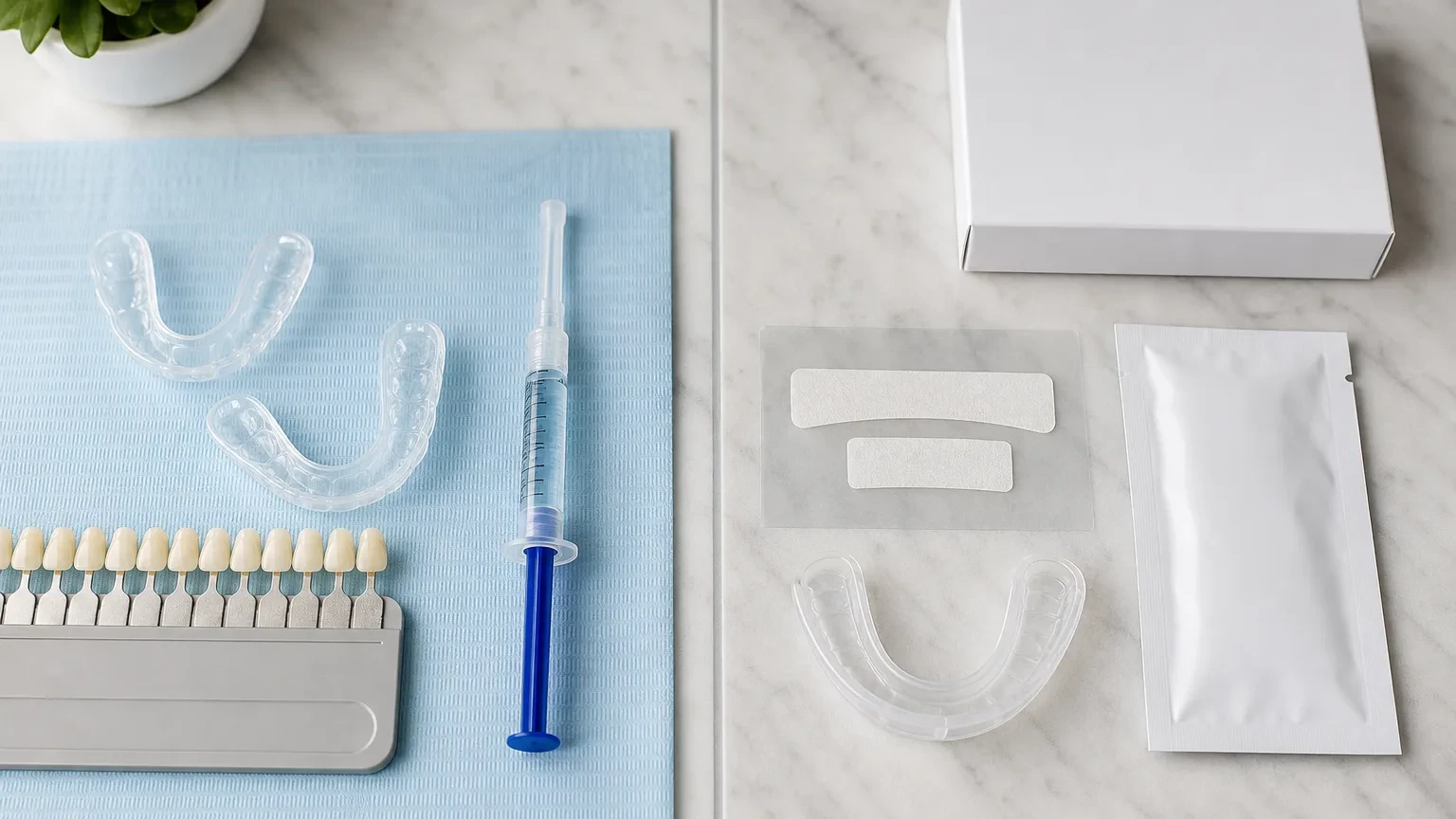
Professional Vs OTC Teeth Whitening: Which Works Better?
Strips, trays, and in-office whitening can all have a place. The difference is how much control you get over fit, strength, timing, and risk.
Read article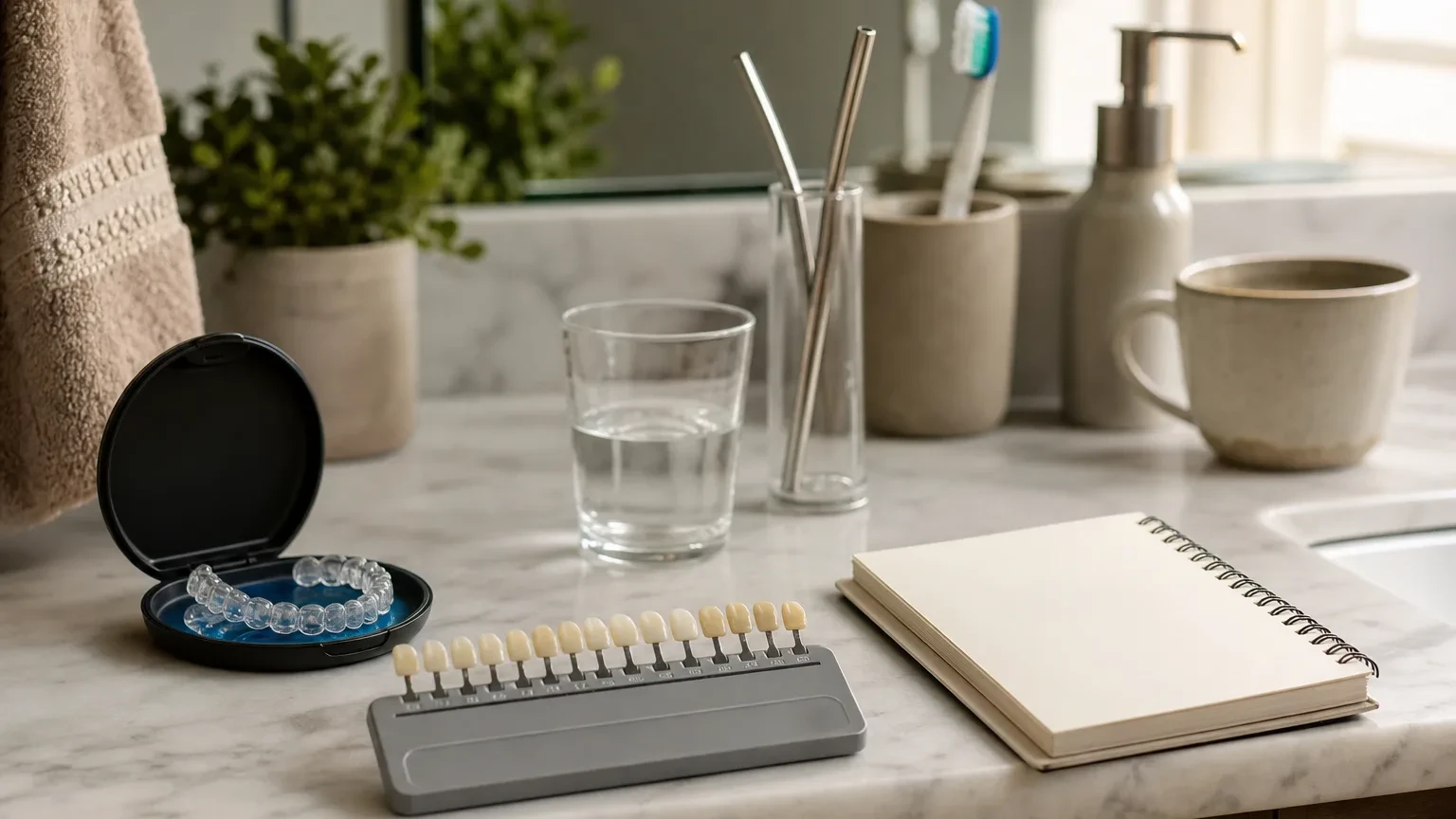
How Long Does Teeth Whitening Last?
Whitening lasts longer when you treat it as stain management, not a one-day makeover. Food, habits, enamel, and touch-ups all change the timeline.
Read article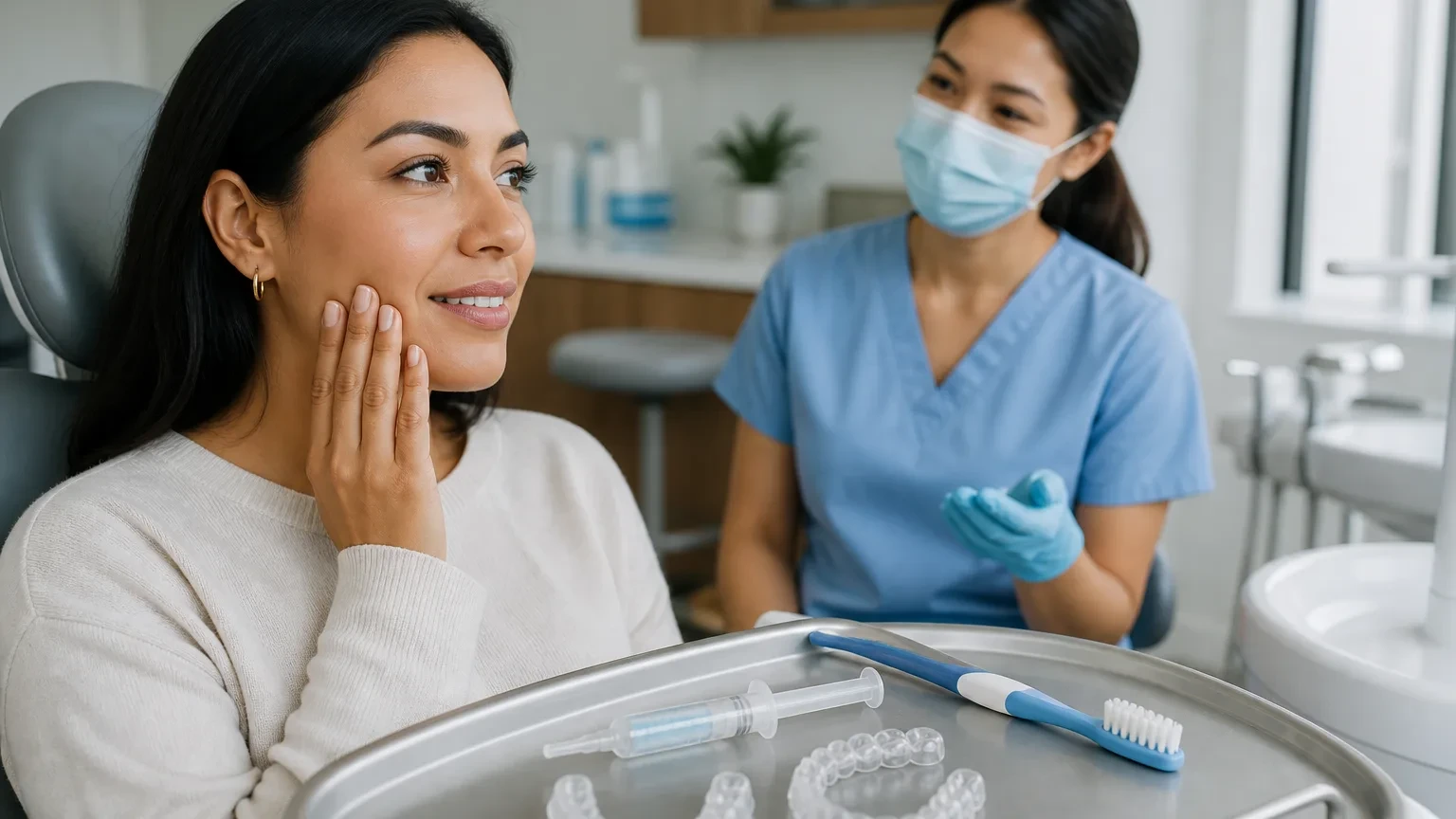
Does Teeth Whitening Hurt?
Whitening discomfort is usually temporary sensitivity, not true pain. A day-by-day guide helps you know when to pause and when to call.
Read article