
How Long Does Teeth Whitening Last?
Teeth whitening can last months to years depending on stain habits, enamel, trays, and touch-ups. Learn what fades results fastest and why it happens.

Reviewed by Dr. Sean Myran, DMDDoctor of Dental Medicine, University of Pennsylvania
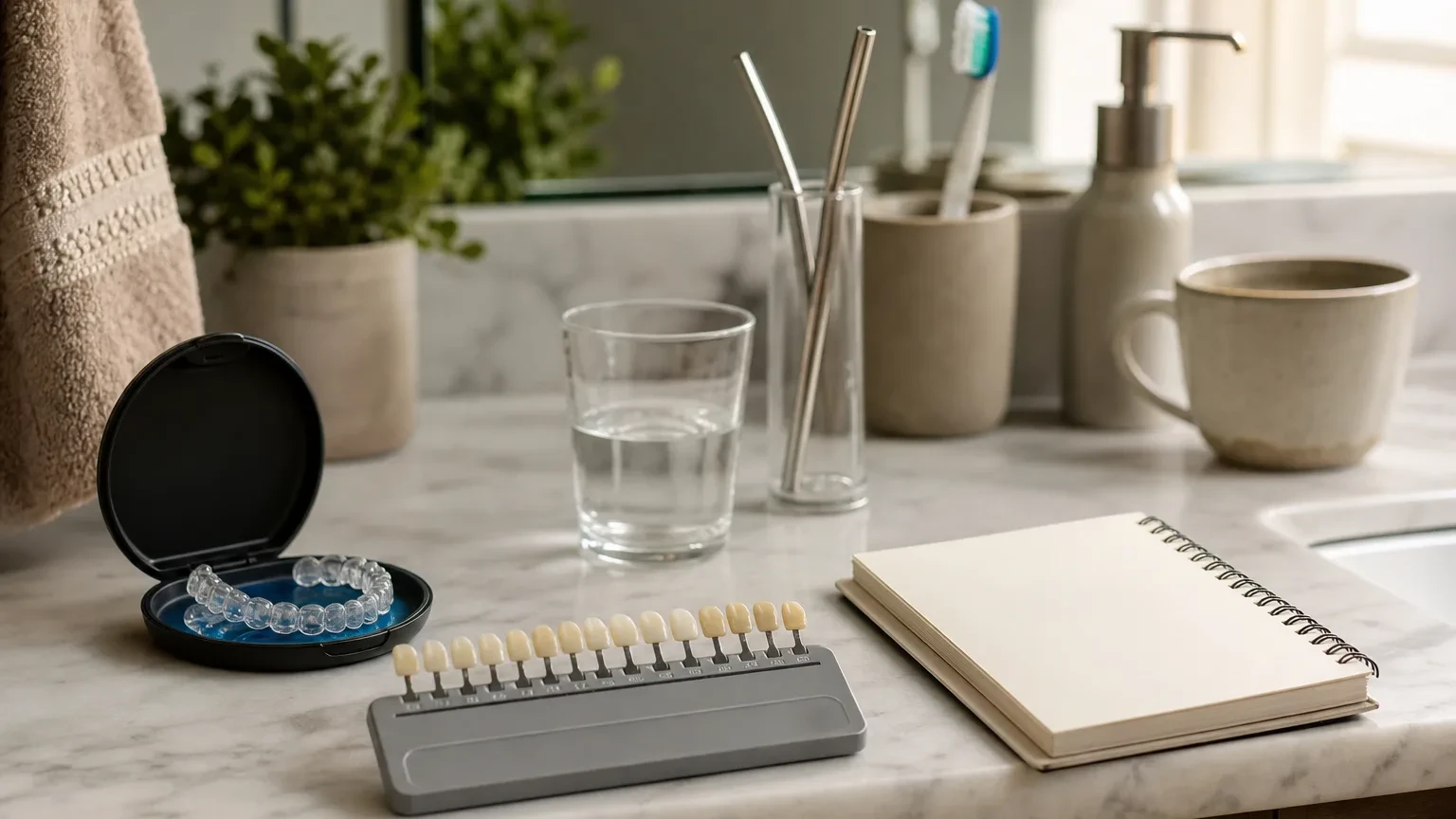
Teeth whitening commonly looks brightest right after treatment, then settles as teeth rehydrate and daily stain returns. Many people keep a noticeable improvement for six months to two years; some maintain it longer with custom tray touch-ups and lower-stain habits. The result does not vanish overnight. It gradually blends back toward your baseline as pigments collect on and within tooth structure. MouthHealthy explains that whitening results vary, and that variation is the honest answer.
Longevity Factors That Matter Most
- Starting stain: Yellow-brown food and age stains usually respond better than gray, medication, or trauma-related color.
- Whitening method: Custom trays make future touch-ups easier than one-time treatments alone.
- Enamel texture: Rough, worn, or dry surfaces can collect stain faster.
- Cleaning schedule: Plaque and tartar make teeth look dull even when enamel shade improved.
- Restorations: Crowns and fillings keep their color while natural teeth change around them.
 Small maintenance beats repeated overcorrection.
Touch-ups work best before heavy relapse
Patients with custom trays often do brief maintenance sessions instead of repeating a full whitening cycle. Your dentist may suggest one or two nights every few months, or a short refresh before photos or an event. The right interval depends on sensitivity, stain habits, and the original gel strength. It also depends on whether your trays still seat fully after dental work or tooth movement. If you do not have trays and want a maintenance plan, find a dentist who can check fit and review safe timing.
Habits That Fade Results Faster
Coffee, tea, red wine, cola, dark berries, soy sauce, curry, and tobacco are common culprits. Acidic drinks can also roughen enamel temporarily, making stain easier to hold if you brush aggressively right away. Sip water with staining drinks, avoid slowly nursing them for hours, and brush gently after the mouth has had time to neutralize acid. A straw can reduce contact for some cold drinks, though it will not protect every tooth surface.
Habits That Protect The Result
Keep cleanings current, replace worn toothbrushes, and use a fluoride toothpaste that does not feel gritty. Rinse with water after dark drinks when brushing is not practical. If you smoke or vape, expect faster relapse and more frequent stain removal. Night guards can also matter; grinding can roughen edges and make enamel look dull. Maintenance is not glamorous, but it keeps whitening from becoming a cycle of repeated strong treatments.
What Does Not Mean Failure
A slight shade rebound during the first week is normal. Dehydrated teeth can look chalky-bright immediately after in-office whitening, then calm down. That is not the treatment failing; it is the color becoming more realistic. Uneven patches may also soften over several days. If one tooth stays dark or looks different from the group, read Why Are My Teeth Yellow? and ask for an exam before whitening harder. For schedule questions, see How Often Can You Whiten Your Teeth? and Professional Vs OTC Teeth Whitening.
Maintenance is mostly ordinary dentistry
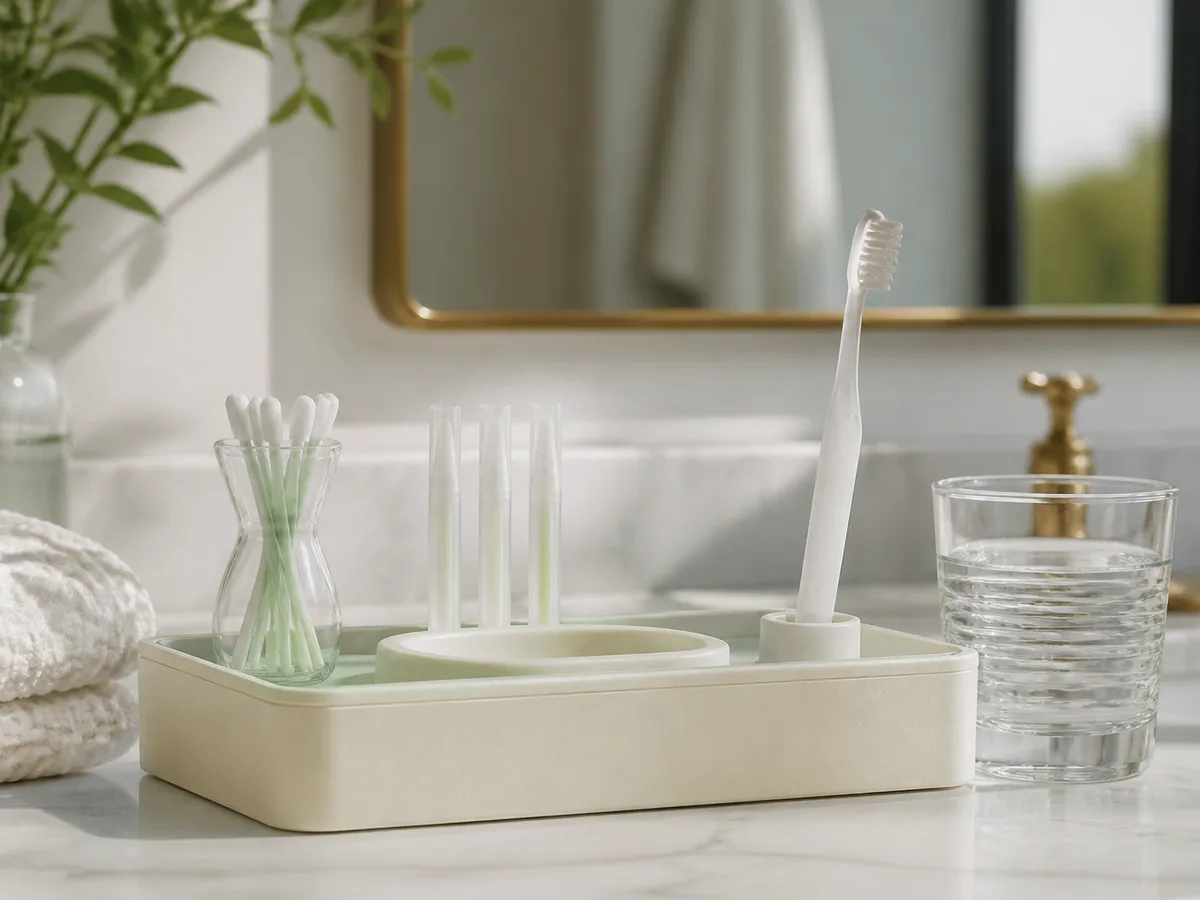
Cleanings, fluoride toothpaste, and stain control do more than another random whitening kit. A hygienist can remove buildup that makes teeth look yellow at the edges, then your trays or strips can work on tooth color instead of plaque. Mention whitening at recall visits so your team can compare shade, monitor recession, and adjust your plan before sensitivity or mismatched restorations become the story. A dated shade photo can make those changes easier to track over time. Those notes keep touch-ups conservative.
Reasonable Expectation
Think of whitening as a reset plus maintenance. The brighter shade lasts longest when the first treatment is followed by cleanings, careful stain habits, and restrained touch-ups. That rhythm is easier on teeth than repeated last-minute whitening sprints. If your calendar includes photos or travel, plan the refresh early enough for sensitivity to settle.
Related articles
Keep exploring related topics from Dental Country.
Is Professional Teeth Whitening Safe?
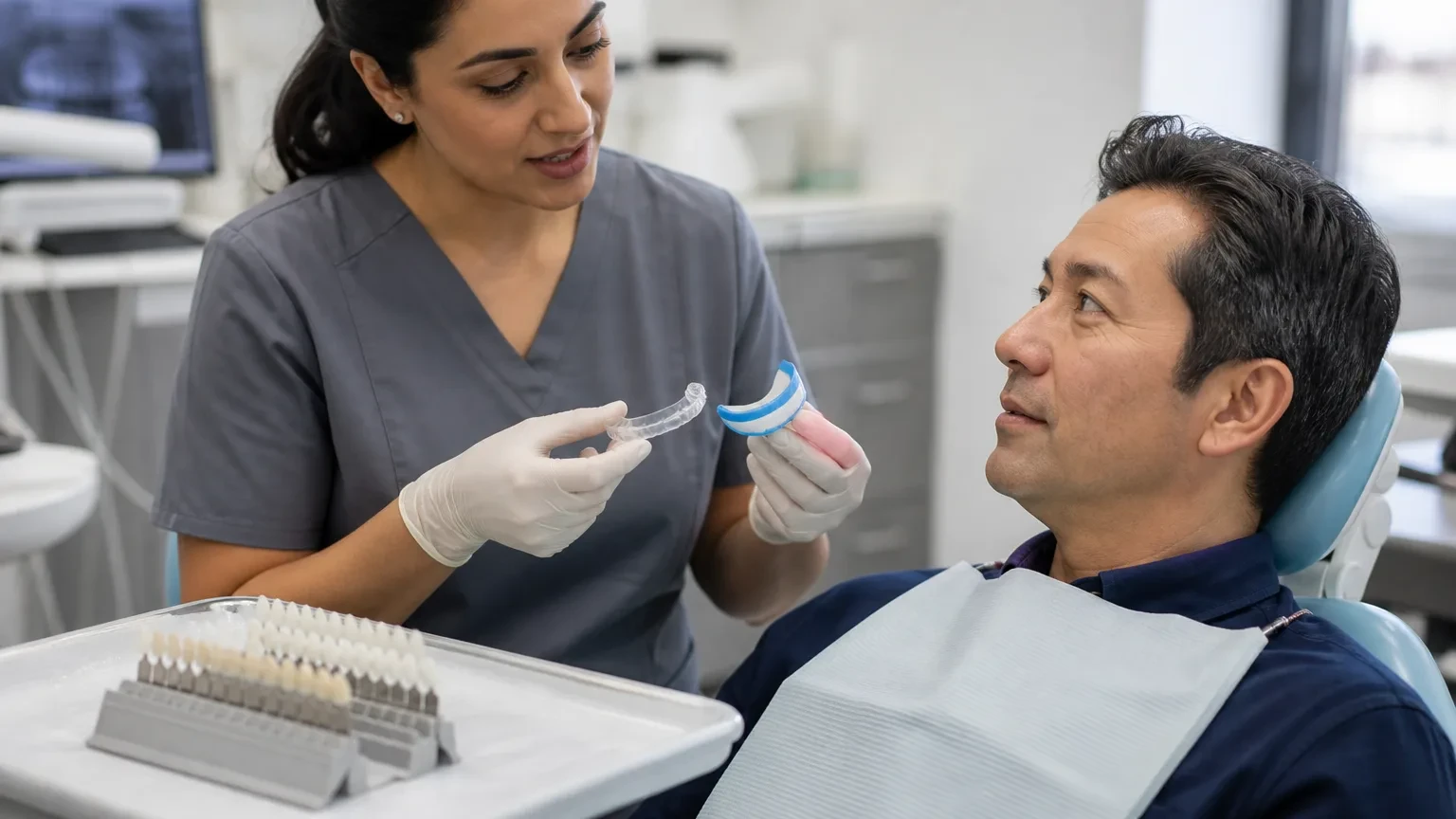
Professional whitening is not a free-for-all with strong gel. Safety comes from exam, isolation, dose, and knowing when your teeth need care first.
Read article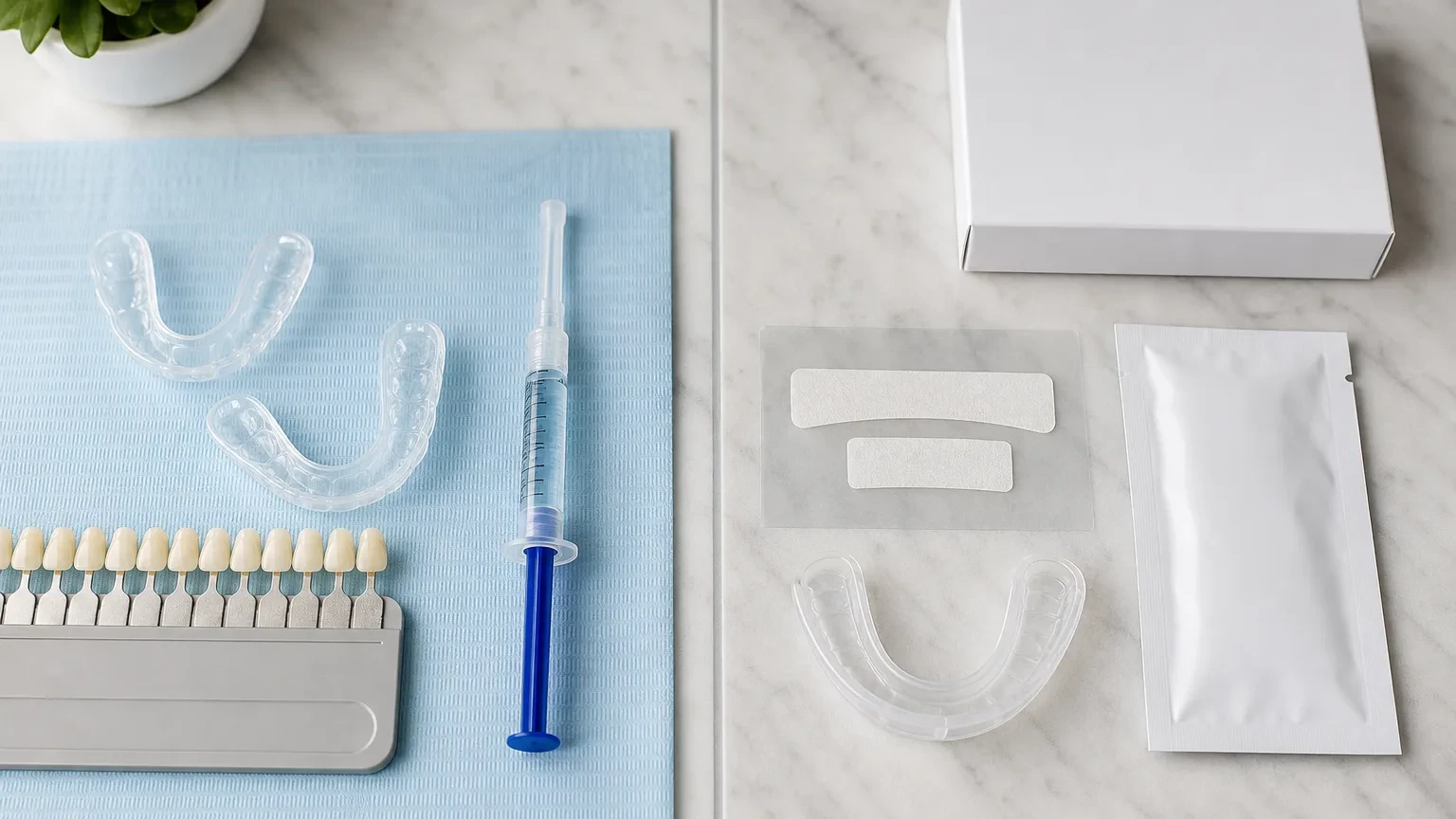
Professional Vs OTC Teeth Whitening: Which Works Better?
Strips, trays, and in-office whitening can all have a place. The difference is how much control you get over fit, strength, timing, and risk.
Read article
Does Teeth Whitening Hurt?
Whitening discomfort is usually temporary sensitivity, not true pain. A day-by-day guide helps you know when to pause and when to call.
Read article
Can You Whiten Crowns Or Veneers?
Whitening brightens natural enamel, not porcelain or composite. The planning challenge is making old dental work and newly whitened teeth agree.
Read article