
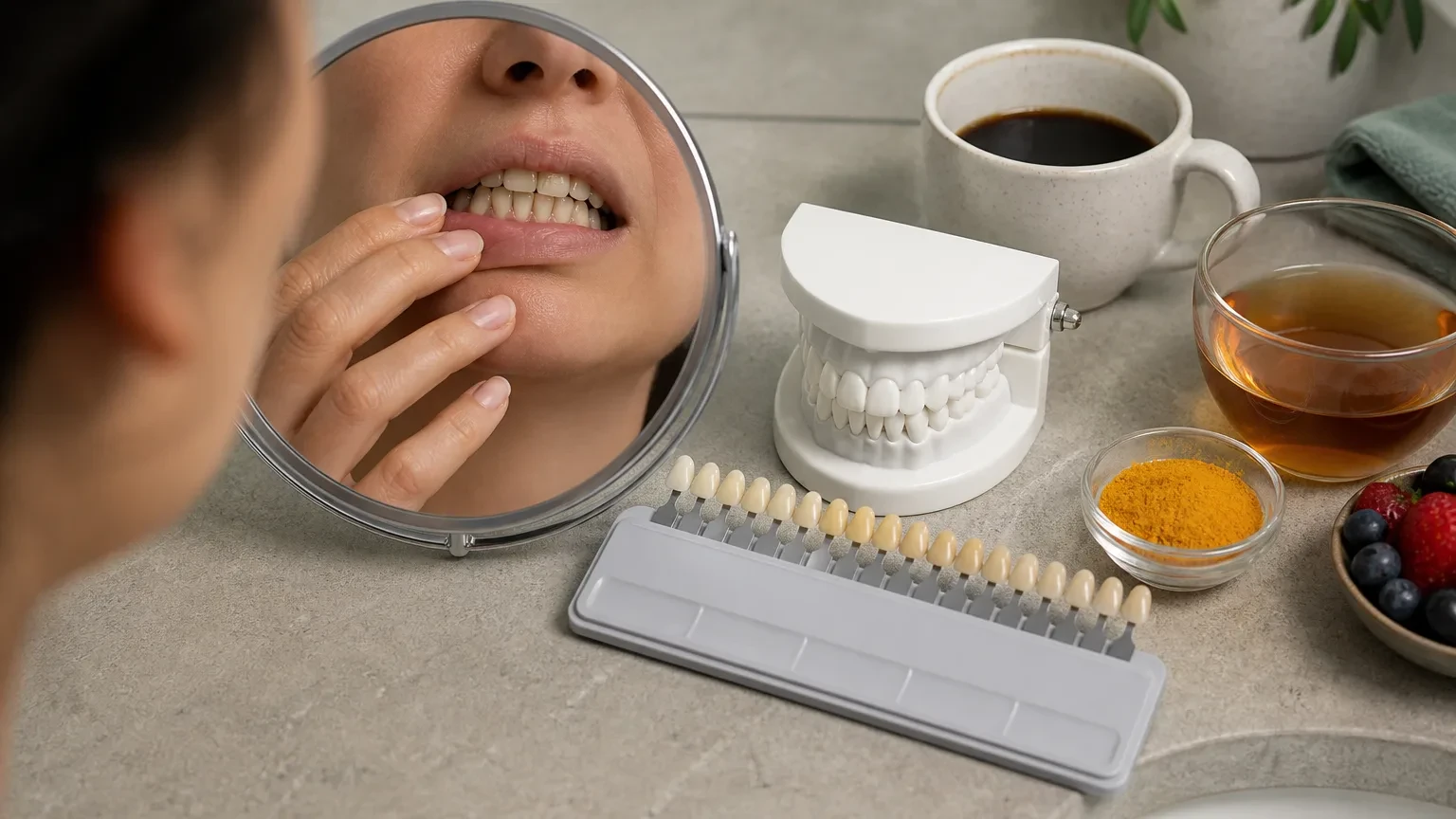
Why Are My Teeth Yellow?
Yellow teeth can come from stain, enamel wear, aging, plaque, diet, tobacco, or medication. Learn which causes whitening can help best first.

Reviewed by Dr. Sean Myran, DMDDoctor of Dental Medicine, University of Pennsylvania
Yellow teeth can come from surface stain, internal tooth color, plaque, tartar, thinning enamel, dry mouth, tobacco, diet, or older dental work. Sometimes several causes stack together. That is why two people can use the same whitening strips and get very different results. MedlinePlus explains that tooth problems can involve color, shape, and structure; shade is not always just a coffee issue.
Causes Checklist
- Surface stain: Coffee, tea, red wine, curry, berries, and tobacco collect on enamel and plaque.
- Plaque or tartar: Buildup near the gumline can look yellow or brown and needs professional removal.
- Thinner enamel: Aging, acid erosion, or wear can let more yellow dentin show through.
- Dry mouth: Less saliva means stain and acid sit longer.
- Medication or developmental color: Some stains sit deeper and respond less predictably.
- Dental work: Old bonding, crowns, and fillings may no longer match natural teeth.
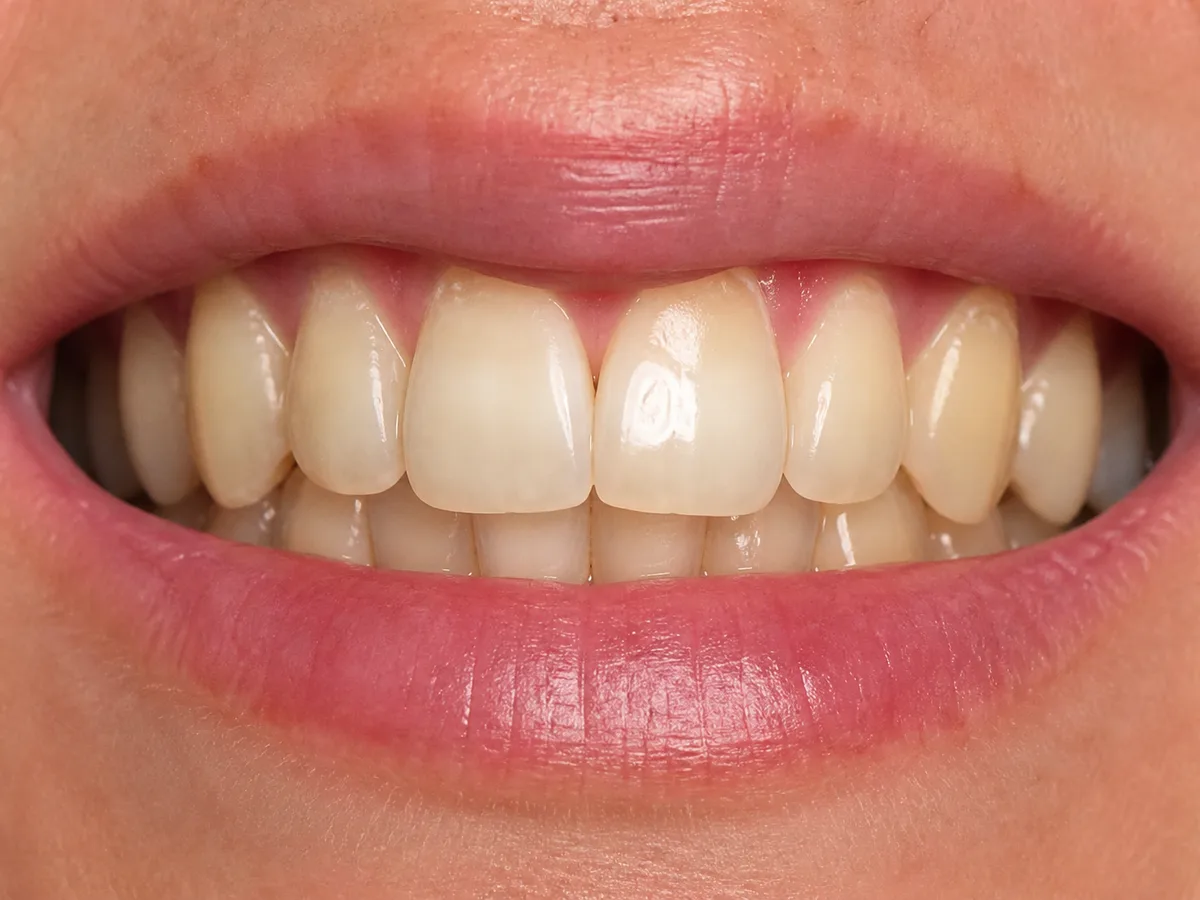 Not every yellow edge needs bleach.
Clean first, then judge color
A cleaning can change the whole conversation. Once plaque, tartar, and surface stain are gone, you can see whether the tooth itself is yellow or just covered. Dentists often prefer to evaluate shade after hygiene because bleaching over buildup wastes effort and can look patchy. Polishing also shows whether darker color sits near the gumline, between teeth, or across the whole smile. If it has been a while since your last cleaning, find a dentist and start there before buying another whitening product.
What Helps By Cause
| Likely Cause | What Usually Helps |
|---|---|
| Food and drink stain | Cleaning, whitening toothpaste for maintenance, strips or trays if teeth are healthy |
| Tartar at gumline | Professional scaling; whitening products will not remove calculus |
| Thin enamel | Gentle whitening plan, fluoride support, acid habit changes, sometimes cosmetic restorations |
| Old bonding or crowns | Polish, repair, or replacement after natural teeth reach the target shade |
Yellow-brown stain usually responds better than gray or blue-gray color. A single dark tooth, especially after trauma, needs an exam before whitening. White spots can become more obvious immediately after bleaching, then blend somewhat as teeth rehydrate; they may still need separate treatment. For restoration limits, read Can You Whiten Crowns Or Veneers?. For longevity, see How Long Does Teeth Whitening Last? and Does Charcoal Toothpaste Whiten Teeth?.
Clues You Can Bring To The Visit
Notice whether yellowing is new or long-standing, even or patchy, and whether it changed after a medication, illness, orthodontic treatment, or new drink habit. Bring photos from a few years ago if you have them. Mention dry mouth, reflux, tobacco, and sensitivity. Those details help your dentist separate stain that can be lifted from tooth structure that needs protection or cosmetic planning. They also keep the conversation focused on causes, not blame.

Shade is easier to read under neutral light
Bathroom lighting, phone filters, and dehydration can make teeth look more yellow or more chalky than they are. Dental photos with shade tabs help separate perception from measurable color. Ask your dentist to point out whether the yellow is generalized, near the gumline, inside one tooth, or around restorations. The location often tells you which treatment will work and which will disappoint, especially if old bonding or enamel wear is part of the picture clinically. Neutral lighting prevents overcorrection later.
Start With The Cause
Whitening is useful when the tooth shade is the problem. Cleaning, enamel protection, or restorative work may be the better answer when yellow color comes from buildup, wear, or mismatched materials. Once the cause is named, the treatment choice feels less random. That is when whitening becomes a plan instead of another experiment, and when maintenance advice finally makes sense. The right diagnosis can save weeks of trying products that were never matched to the cause.
Related articles
Keep exploring related topics from Dental Country.
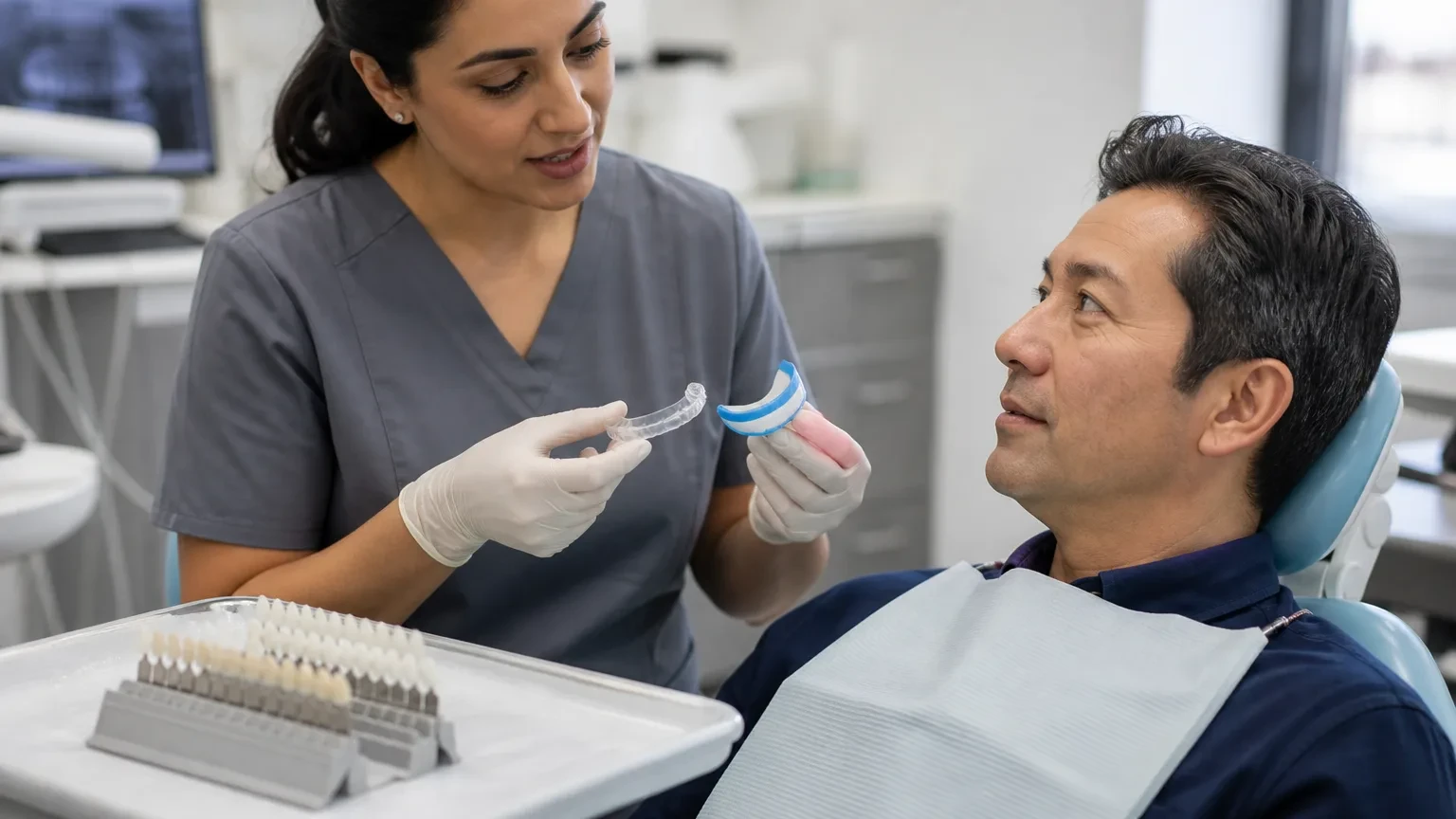
Is Professional Teeth Whitening Safe?
Professional whitening is not a free-for-all with strong gel. Safety comes from exam, isolation, dose, and knowing when your teeth need care first.
Read article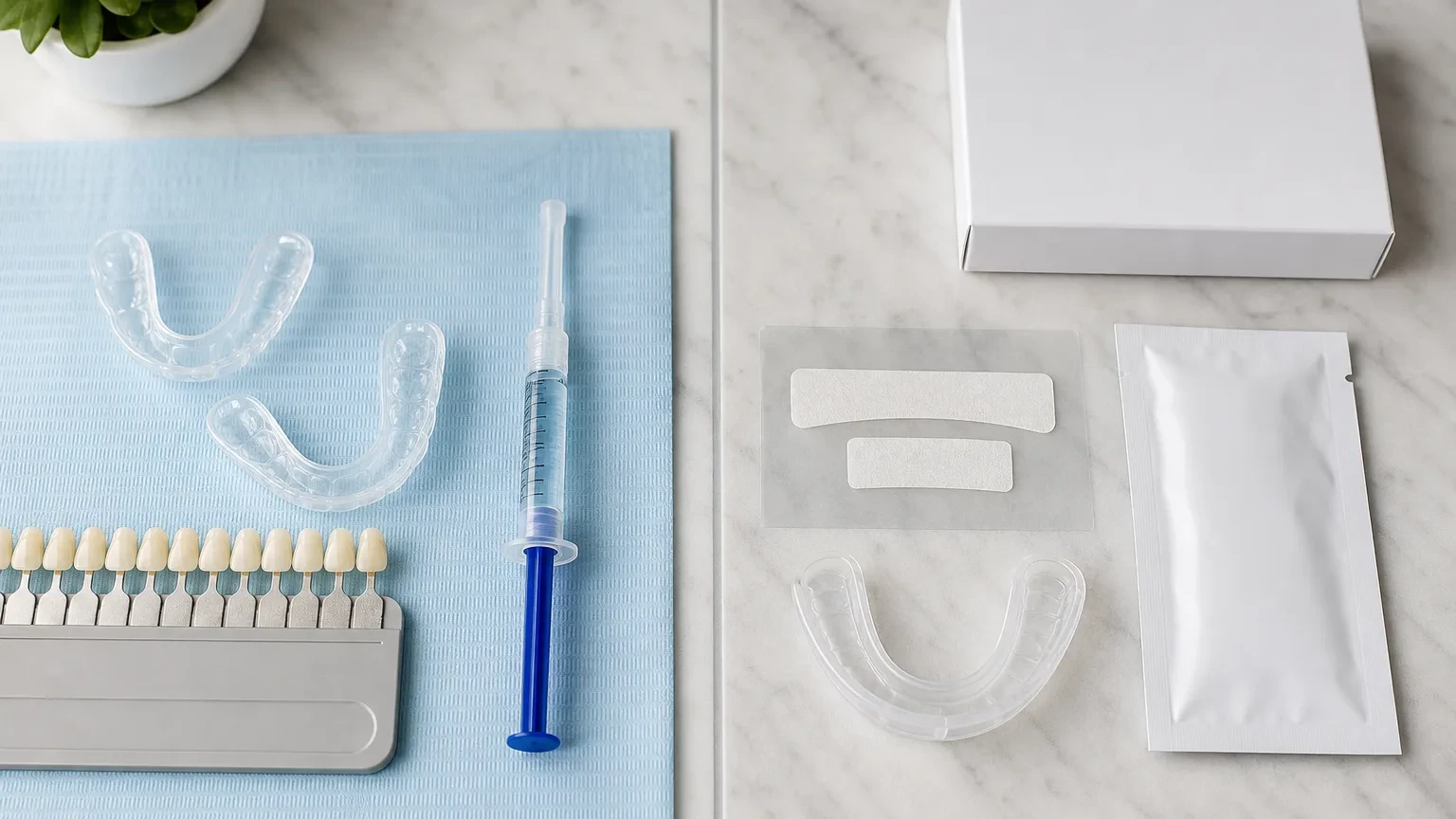
Professional Vs OTC Teeth Whitening: Which Works Better?
Strips, trays, and in-office whitening can all have a place. The difference is how much control you get over fit, strength, timing, and risk.
Read article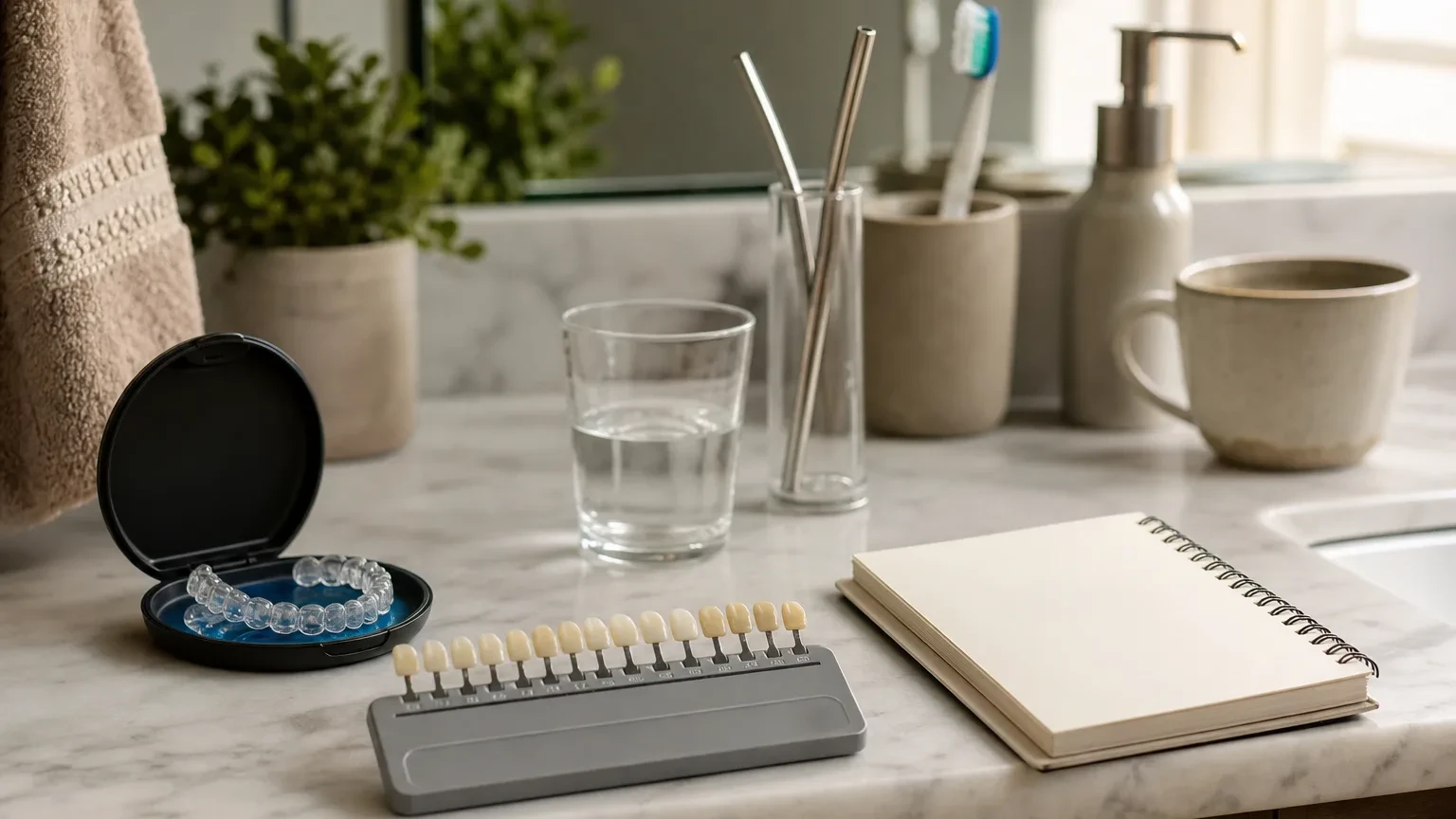
How Long Does Teeth Whitening Last?
Whitening lasts longer when you treat it as stain management, not a one-day makeover. Food, habits, enamel, and touch-ups all change the timeline.
Read article
Does Teeth Whitening Hurt?
Whitening discomfort is usually temporary sensitivity, not true pain. A day-by-day guide helps you know when to pause and when to call.
Read article