
Can You Whiten Crowns Or Veneers?
Crowns, veneers, bonding, and fillings do not bleach like natural teeth. Learn what can whiten and how dentists plan shade matching well today.

Reviewed by Dr. Sean Myran, DMDDoctor of Dental Medicine, University of Pennsylvania
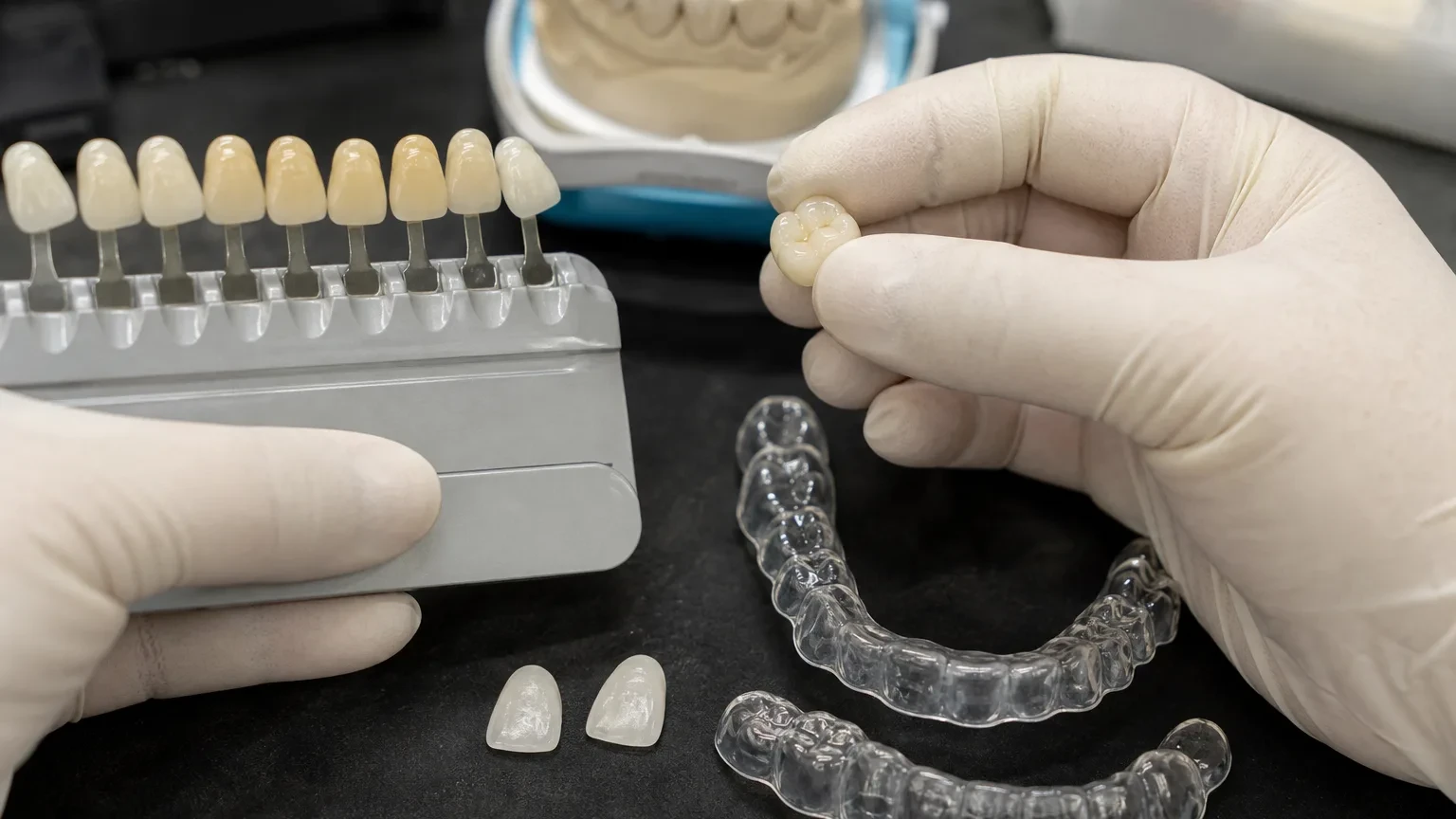
You cannot whiten crowns, veneers, bonding, or tooth-colored fillings the way you whiten natural enamel. Peroxide whitening gels work inside tooth structure; porcelain, ceramic, and cured composite resin do not respond the same way. They may look cleaner after polishing, but their base shade stays essentially the same. MouthHealthy notes that whitening does not work on all teeth or restorations, which is the key planning issue for anyone with dental work in the smile zone.
What Can And Cannot Bleach
- Natural enamel and dentin: Usually respond to peroxide if the stain type is favorable.
- Porcelain crowns and veneers: Do not bleach; they can only be cleaned, polished, repaired, or replaced.
- Composite bonding: Does not bleach predictably and may stain or dull over time.
- White fillings: Stay close to their original material shade.
- Single dark root canal tooth: May need internal bleaching or a restoration, not regular strips.
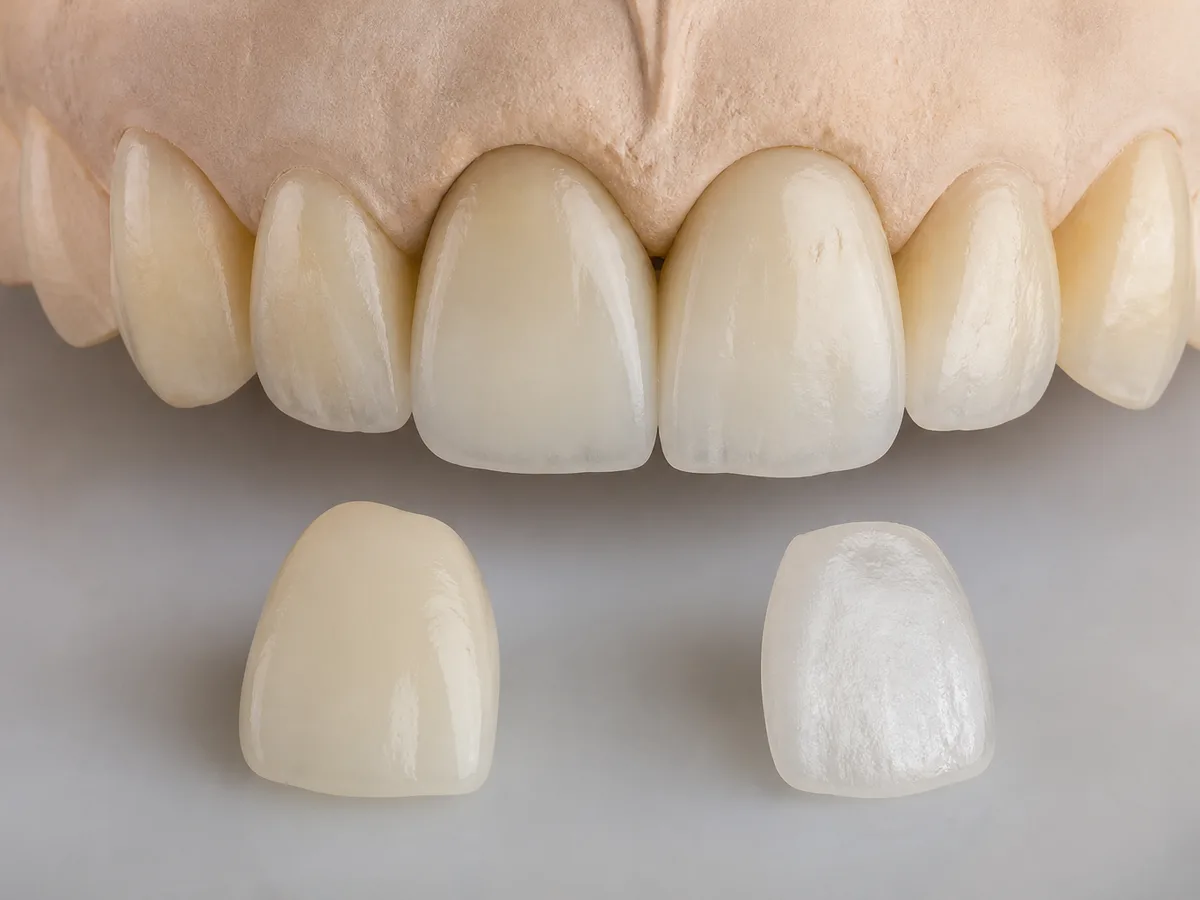 Shade matching is a sequence, not a guess.
Whiten first, match second
If you plan to replace a front crown or veneer, dentists often whiten natural teeth first, wait for the shade to stabilize, then make the new restoration. Doing the crown first can lock you into a darker shade or force a remake. Photos, shade tabs, and a short waiting period help the lab match the real final color. If your smile includes several materials, find a dentist who can sequence whitening and cosmetic work together instead of treating them as separate errands.
Common Scenarios
One front crown looks darker
Whitening the neighboring teeth may make the crown look even darker. Replacement might be the only way to match, especially if the crown is old, opaque, or edged by gum recession.
Old bonding stains at the edges
A cleaning or polish may help surface stain. If the material itself is discolored, whitening around it can create contrast. Plan for repair or replacement after bleaching.
Veneers look dull but teeth are healthy
Porcelain can often be polished. Bleach will not change the veneer shade, but it may brighten uncovered natural teeth and change how the whole smile reads.
Patients often ask this after reading Professional Vs OTC Teeth Whitening, because strips seem simpler than replacing dental work. They can still be useful if most visible teeth are natural. If color returns after treatment, How Long Does Teeth Whitening Last? explains maintenance. For yellowing causes, see Why Are My Teeth Yellow?.
How Dentists Avoid A Patchwork Smile
The first step is mapping what shows when you smile, talk, and laugh. A crown that is hidden in a relaxed smile may not matter; bonding on a front edge probably will. Your dentist may recommend whitening natural teeth, pausing for shade rebound, then replacing only the restorations that still stand out. That approach avoids treating every old filling as a cosmetic emergency while still protecting the final look. It also helps you budget for the teeth people actually see.

Do not chase porcelain with more gel
When a crown will not lighten, the tempting move is to keep whitening everything else. That usually increases sensitivity and contrast. Stop and reassess. A dentist can photograph the shade, polish restorations, check whether gum recession exposed darker root, and estimate replacement costs. Sometimes a small bonding repair is enough; sometimes the honest answer is that the old restoration has reached the end of its cosmetic life and should be remade after whitening stabilizes first. A clear replacement plan reduces guesswork.
Planning Rule
Whiten natural teeth to the shade you can maintain, let color settle, then match any new visible restorations to that stable shade. That order prevents most avoidable shade regrets. If you are unsure what shows, ask for smile photos before approving treatment. A mirror alone can miss side angles and speech positions.
Related articles
Keep exploring related topics from Dental Country.
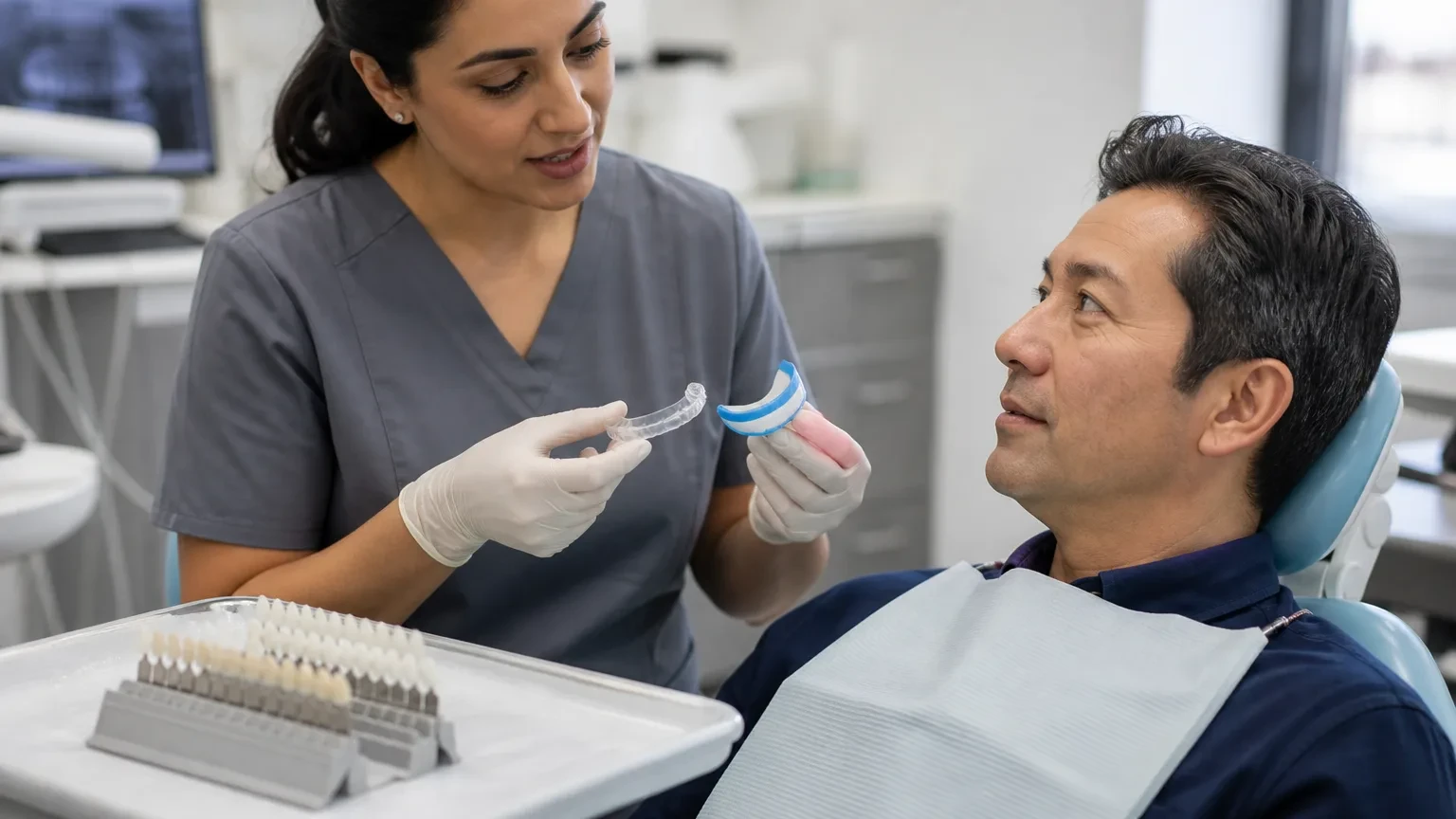
Is Professional Teeth Whitening Safe?
Professional whitening is not a free-for-all with strong gel. Safety comes from exam, isolation, dose, and knowing when your teeth need care first.
Read article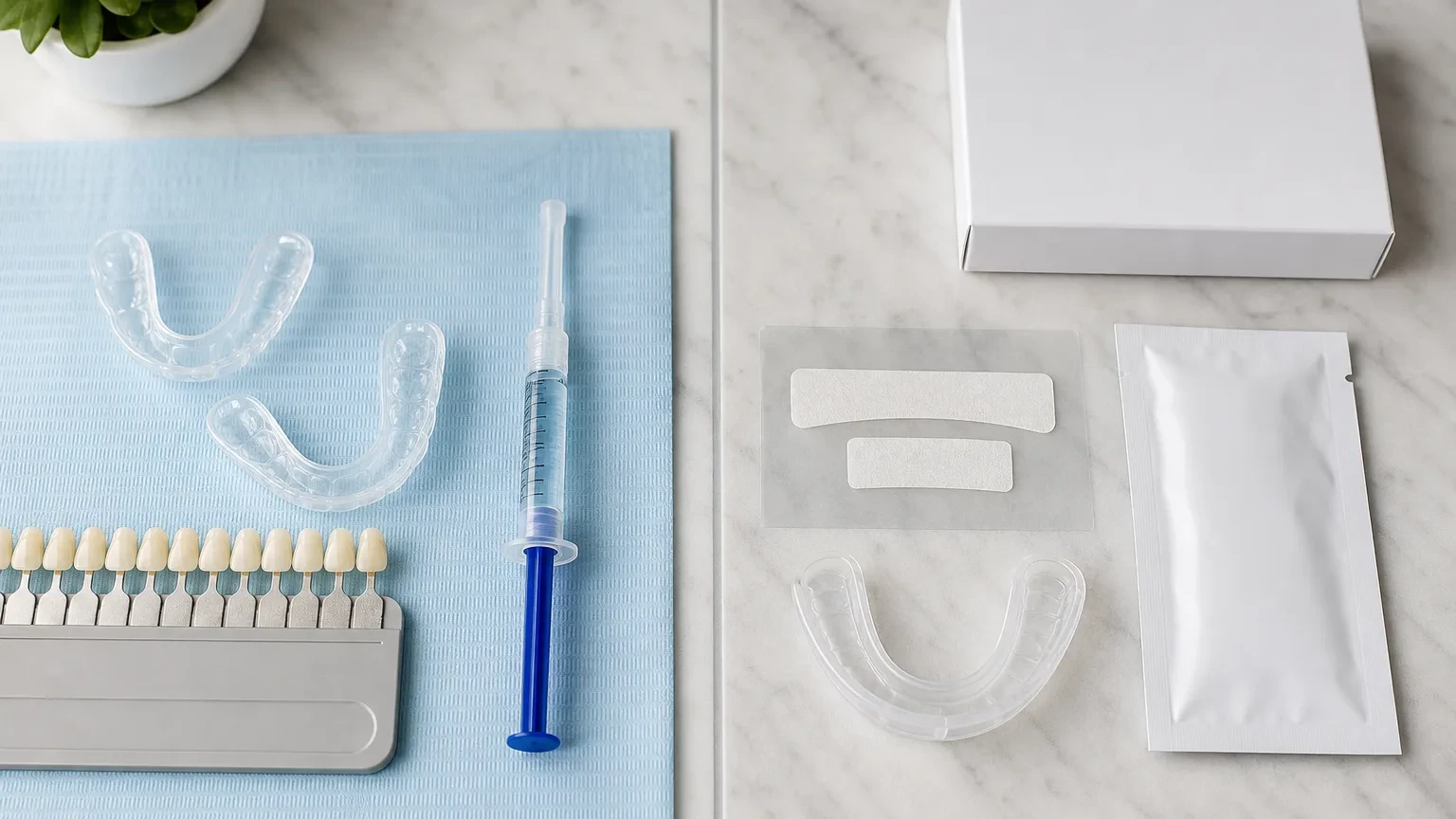
Professional Vs OTC Teeth Whitening: Which Works Better?
Strips, trays, and in-office whitening can all have a place. The difference is how much control you get over fit, strength, timing, and risk.
Read article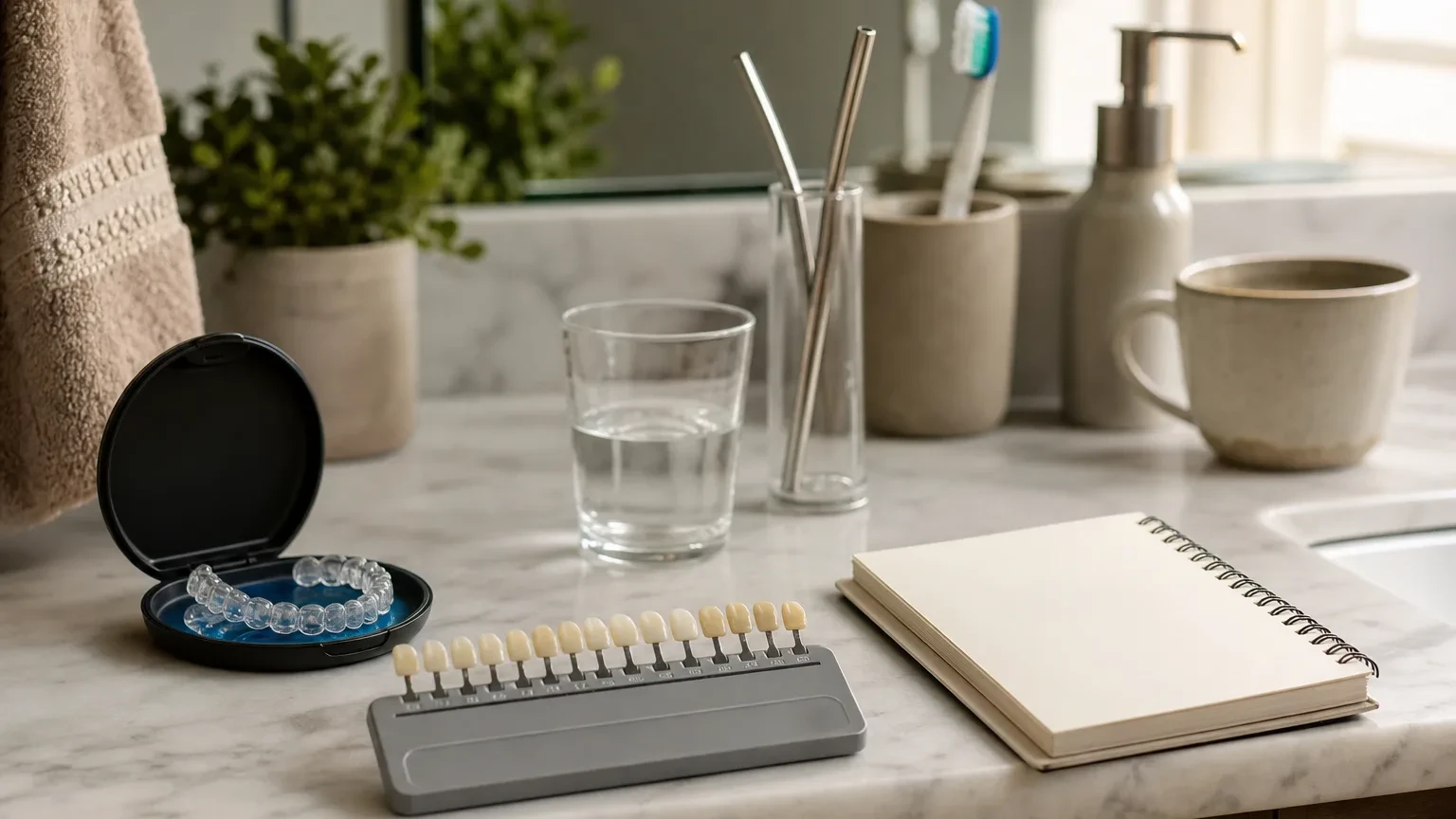
How Long Does Teeth Whitening Last?
Whitening lasts longer when you treat it as stain management, not a one-day makeover. Food, habits, enamel, and touch-ups all change the timeline.
Read article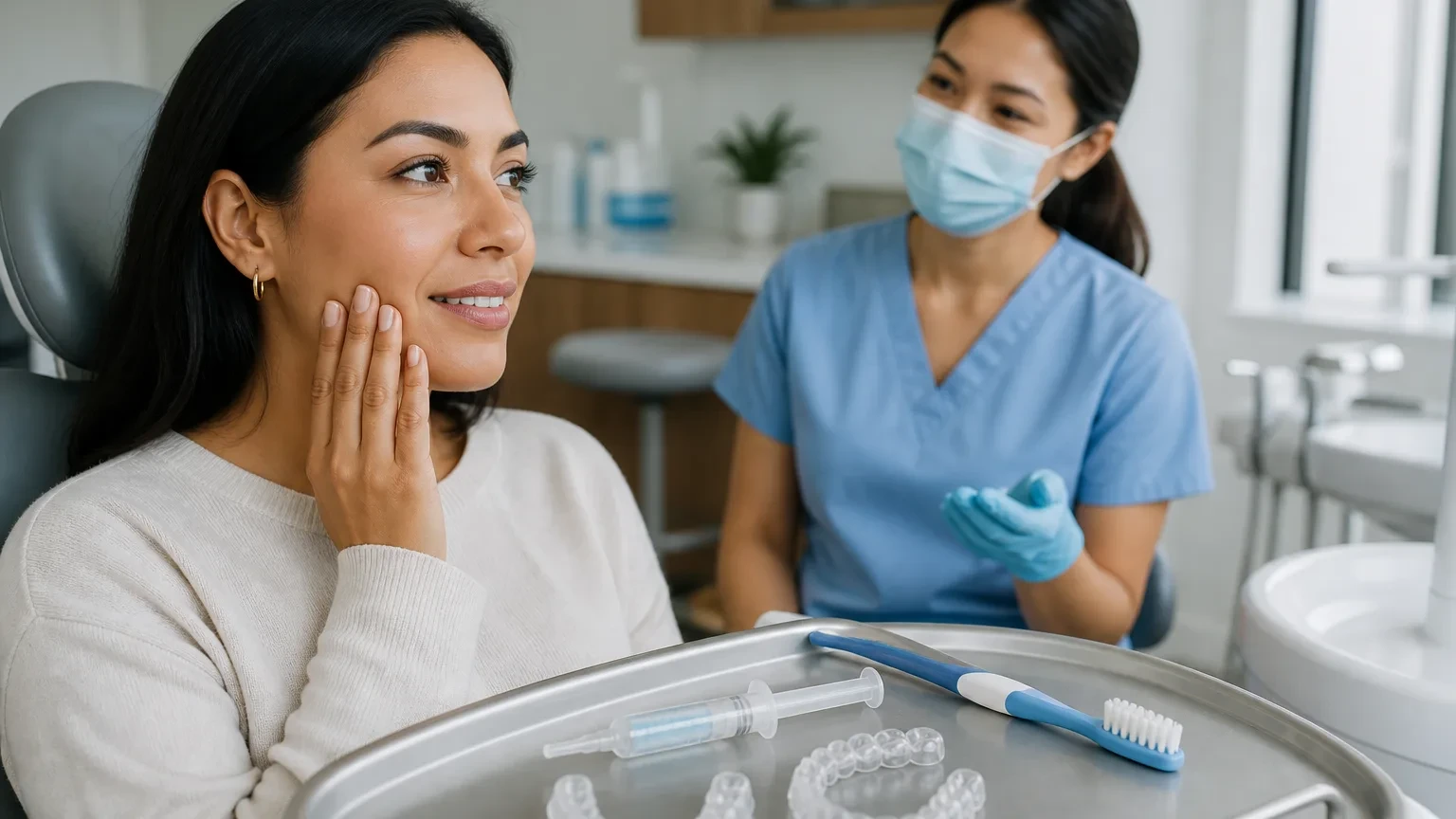
Does Teeth Whitening Hurt?
Whitening discomfort is usually temporary sensitivity, not true pain. A day-by-day guide helps you know when to pause and when to call.
Read article