
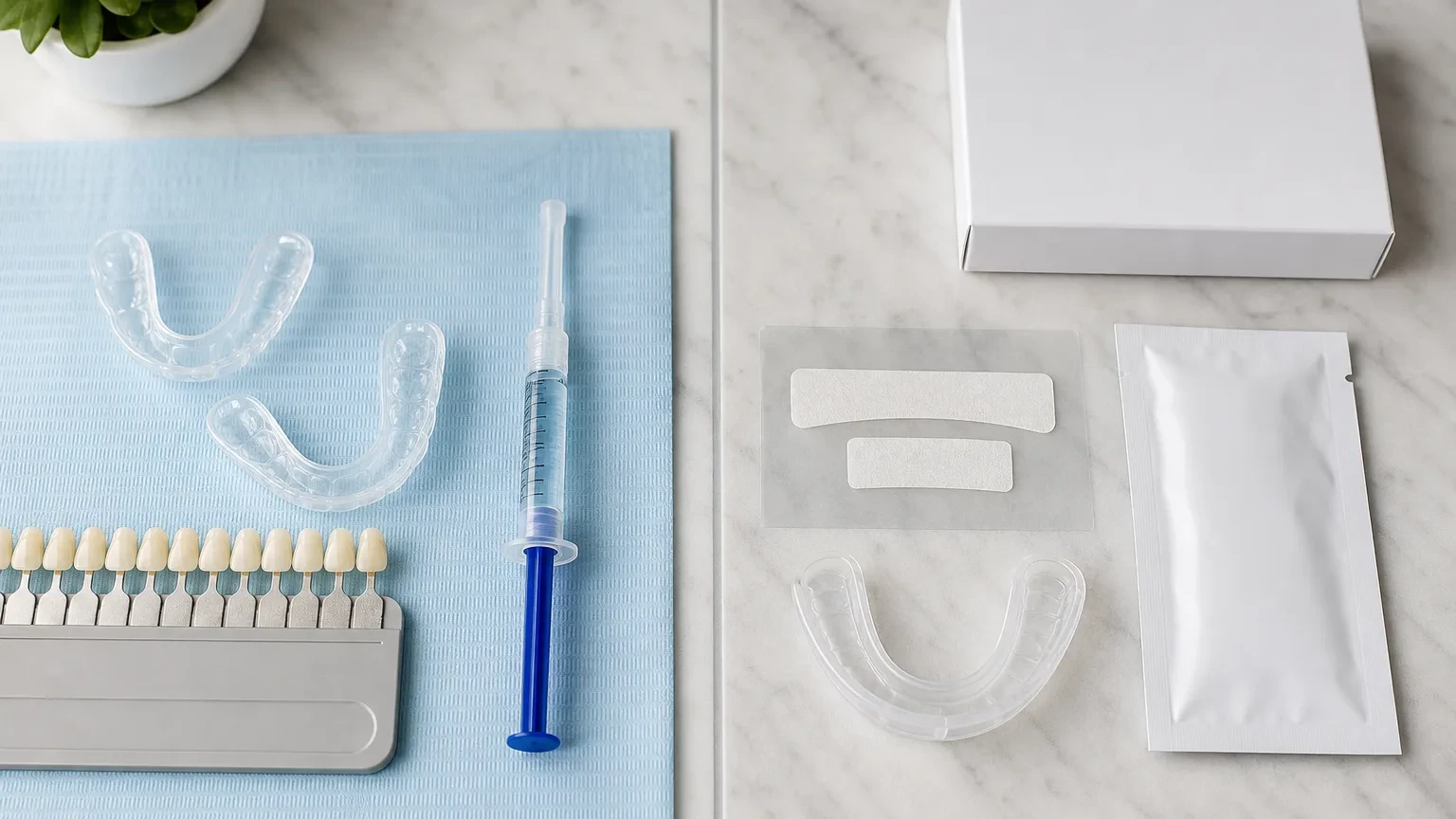
Professional Vs OTC Teeth Whitening: Which Works Better?
Compare professional and OTC teeth whitening by speed, fit, sensitivity, cost, and supervision so you can choose a safer route for your smile.

Reviewed by Dr. Sean Myran, DMDDoctor of Dental Medicine, University of Pennsylvania
Both professional and over-the-counter whitening can lighten natural teeth when the stain responds to peroxide. The better choice depends on how quickly you want a result, how sensitive your teeth are, whether you have visible dental work, and how much guidance you need. MouthHealthy notes that whitening is not recommended for everyone, which is why the comparison starts with your mouth rather than a shelf label.
Side-By-Side Whitening Comparison
| Choice | Best Fit | Tradeoff | What To Ask |
|---|---|---|---|
| In-office whitening | Fast shade jump with supervised gum protection | Higher cost and possible short-term sensitivity | How will you protect roots and gums? |
| Custom take-home trays | Controlled whitening over days or weeks | Requires consistency and good tray care | How many nights should I wear them? |
| OTC strips | Budget-friendly mild to moderate surface stain | Flat strips may miss rotated teeth or touch gums | Is my enamel and gumline a good match? |
| Whitening toothpaste | Maintaining brightness after cleaning or bleaching | Mostly surface stain removal, not deep bleaching | Is it abrasive enough to worry about? |
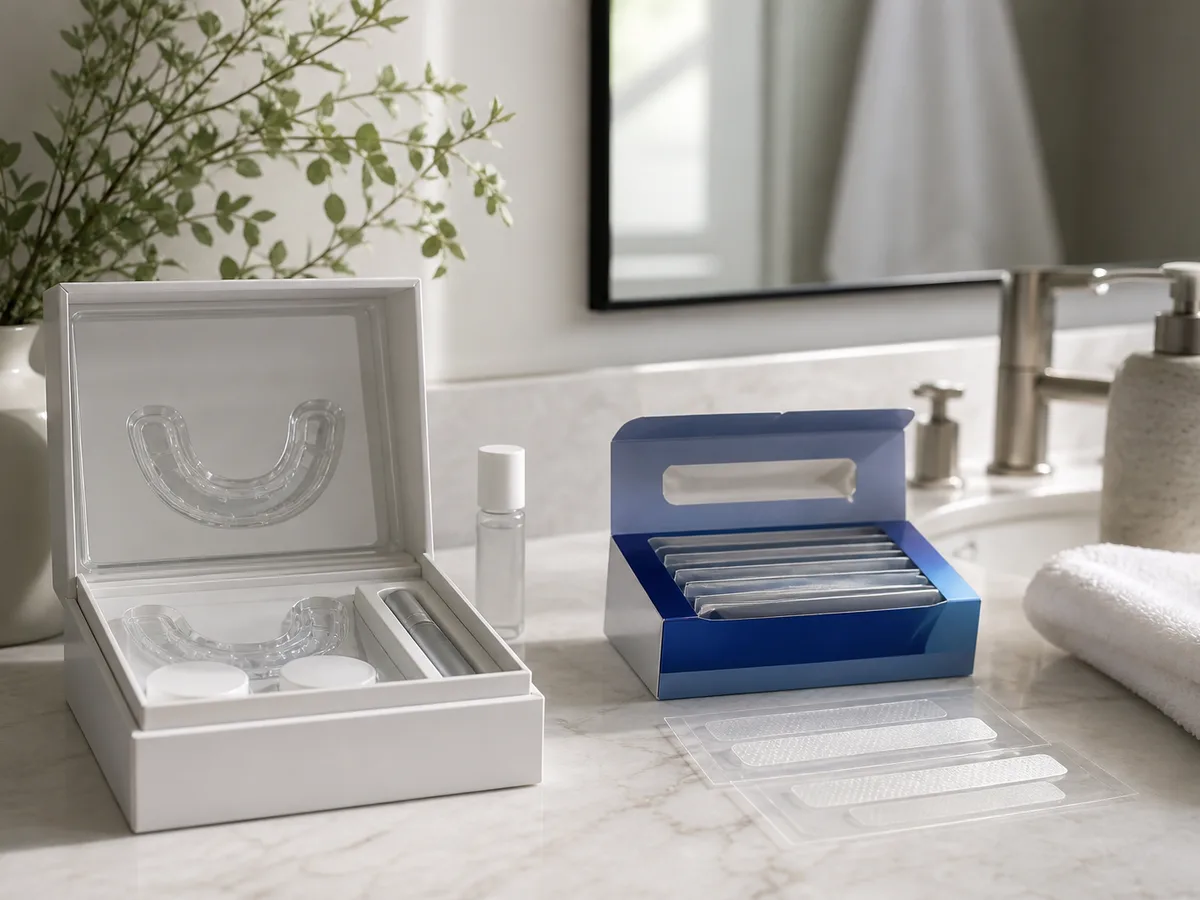 The right product has to fit the actual teeth.
Fit is the quiet advantage
Custom trays hold gel where it belongs and reduce pooling on the gums. That can matter more than the percentage printed on a syringe. Teeth that are crowded, rotated, worn at the edges, or exposed near the roots often whiten unevenly with flat strips. Trays also let your dentist adjust contact time if sensitivity appears. If you want help sorting those details, find a dentist and bring the OTC product you are considering so the advice is specific, not generic.
When OTC Makes Sense
OTC strips can be reasonable when you have healthy gums, no untreated cavities, no prominent front crowns, and mild yellow-brown stain from coffee, tea, or age. Choose products with clear instructions and do not extend wear time to speed things up. If sensitivity appears, stop for a few days rather than stacking more products. Whitening toothpaste is better for maintenance than a dramatic color change; it polishes external stain but does not act like a tray gel.
Where The Label Cannot Help
A box cannot tell whether a white spot will flare, whether a front filling will look darker after bleaching, or whether the "yellow" you see is tartar. It also cannot trim itself away from recession or notice a cracked tooth. That is the practical difference between buying chemistry and buying clinical judgment. OTC whitening may be fine for simple stain, but it is still a consumer product used on living teeth.
When Professional Care Wins
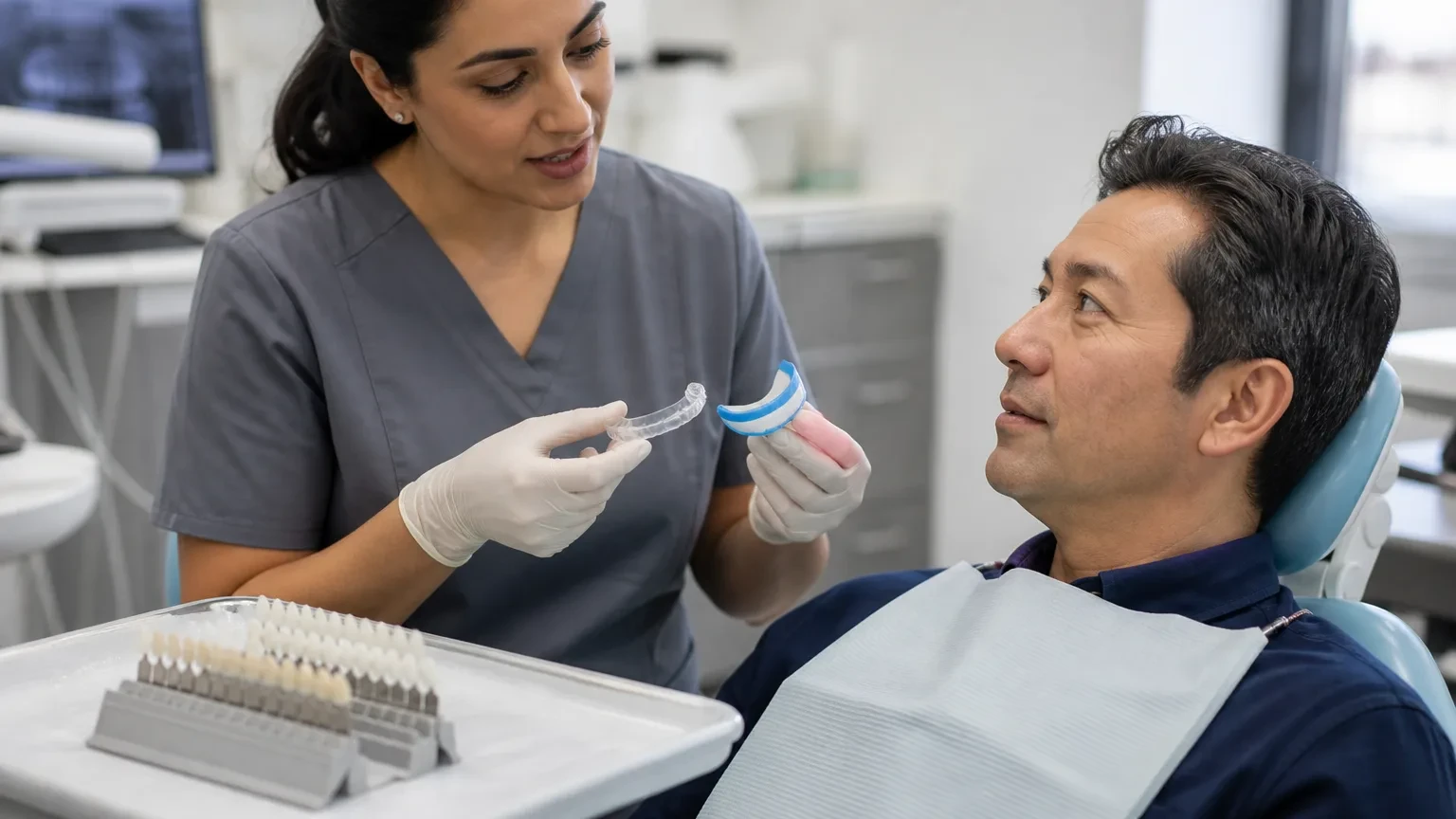
Professional care is more useful when you need a shade change before cosmetic dental work, have a history of sensitivity, see uneven color, or want a faster event-based result. It also helps when old bonding, white spots, fluorosis, or a single dark tooth complicates the outcome. For lifespan expectations, read How Long Does Teeth Whitening Last?. For sensitivity tradeoffs, see Does Teeth Whitening Hurt? and How Often Can You Whiten Your Teeth?.
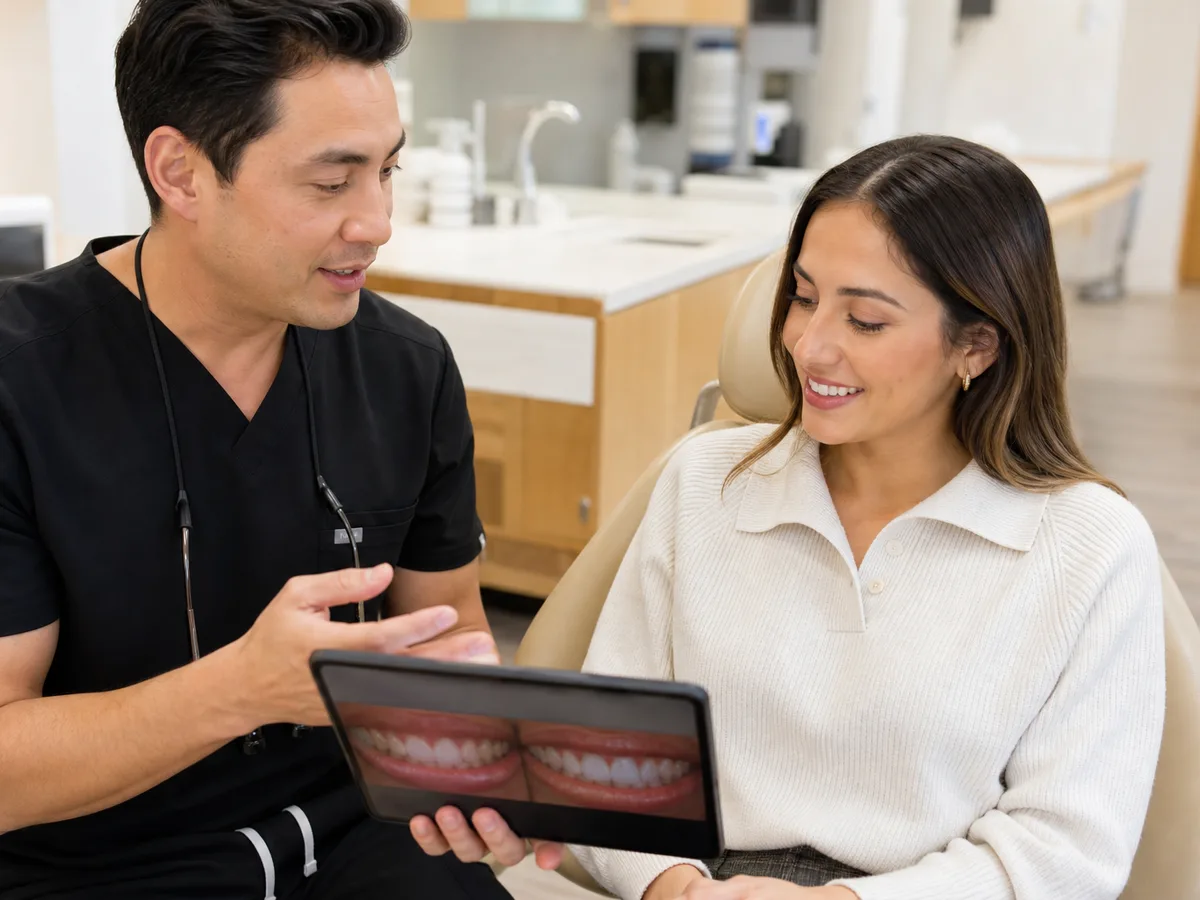
Cost should include predictability
A box of strips costs less than a dental visit, but replacing mismatched bonding or calming irritated gums also has a cost. Ask what shade change is realistic, whether your fillings will show afterward, and how sensitivity will be managed. The best value is not always the strongest treatment. It is the option that brightens the teeth you actually show while avoiding damage to gums, restorations, and your budget, then gives you a sensible way to maintain the result comfortably.
A Practical Choice Rule
Use OTC for simple, mild stain when your mouth is healthy and expectations are modest. Use professional whitening when the result needs to be faster, more even, or coordinated with dental treatment.
Related articles
Keep exploring related topics from Dental Country.
Is Professional Teeth Whitening Safe?
Professional whitening is not a free-for-all with strong gel. Safety comes from exam, isolation, dose, and knowing when your teeth need care first.
Read article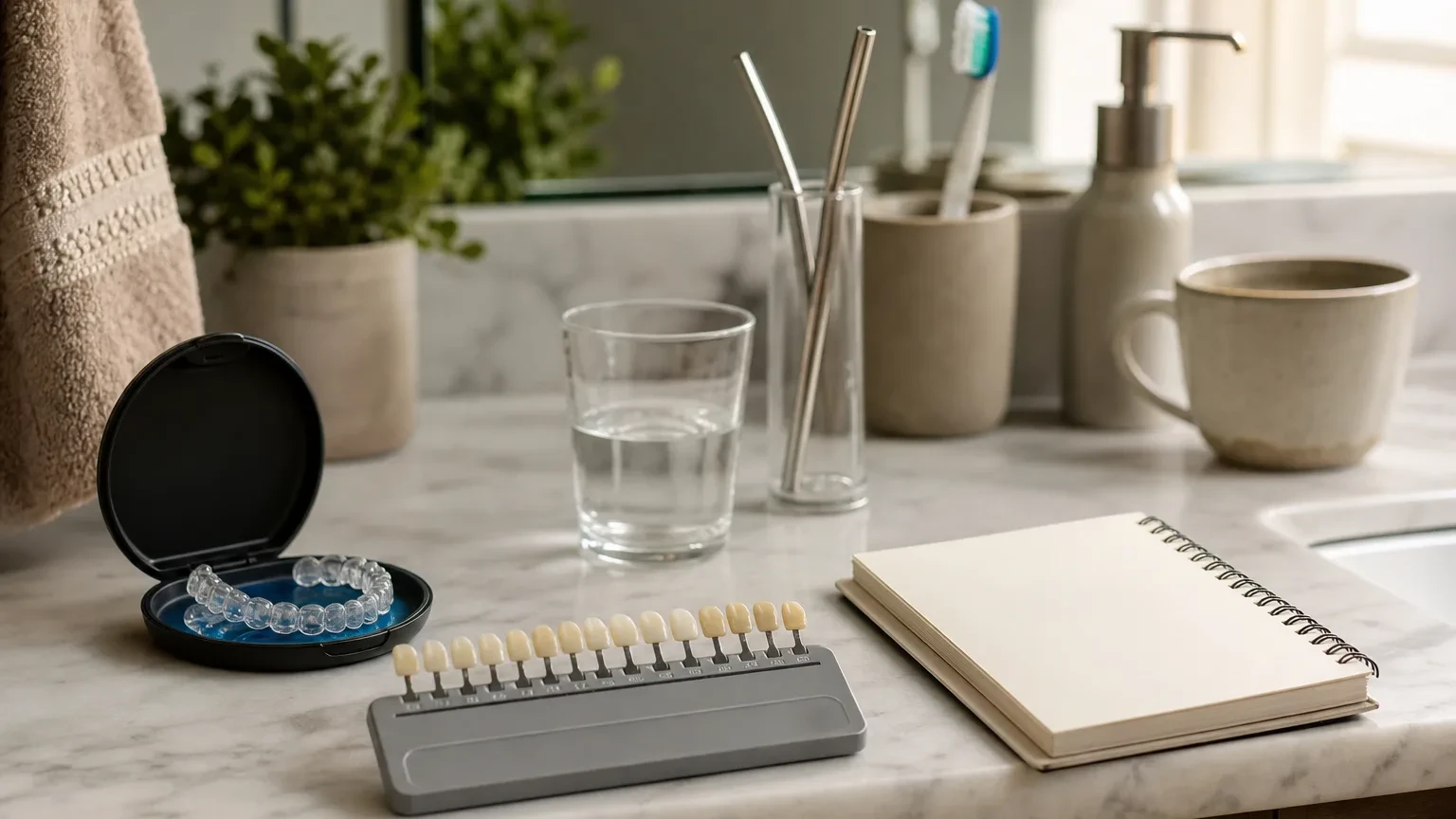
How Long Does Teeth Whitening Last?
Whitening lasts longer when you treat it as stain management, not a one-day makeover. Food, habits, enamel, and touch-ups all change the timeline.
Read article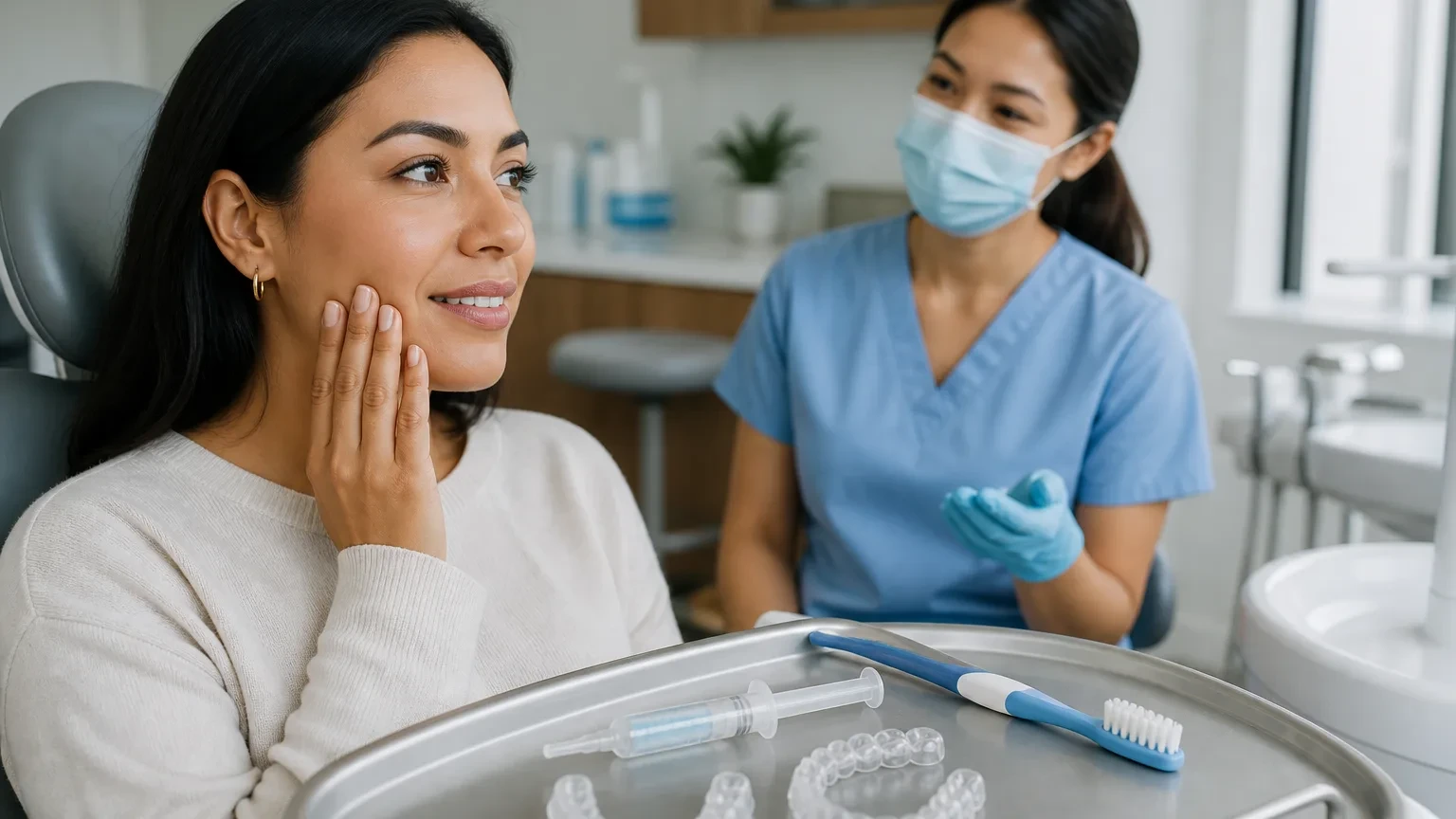
Does Teeth Whitening Hurt?
Whitening discomfort is usually temporary sensitivity, not true pain. A day-by-day guide helps you know when to pause and when to call.
Read article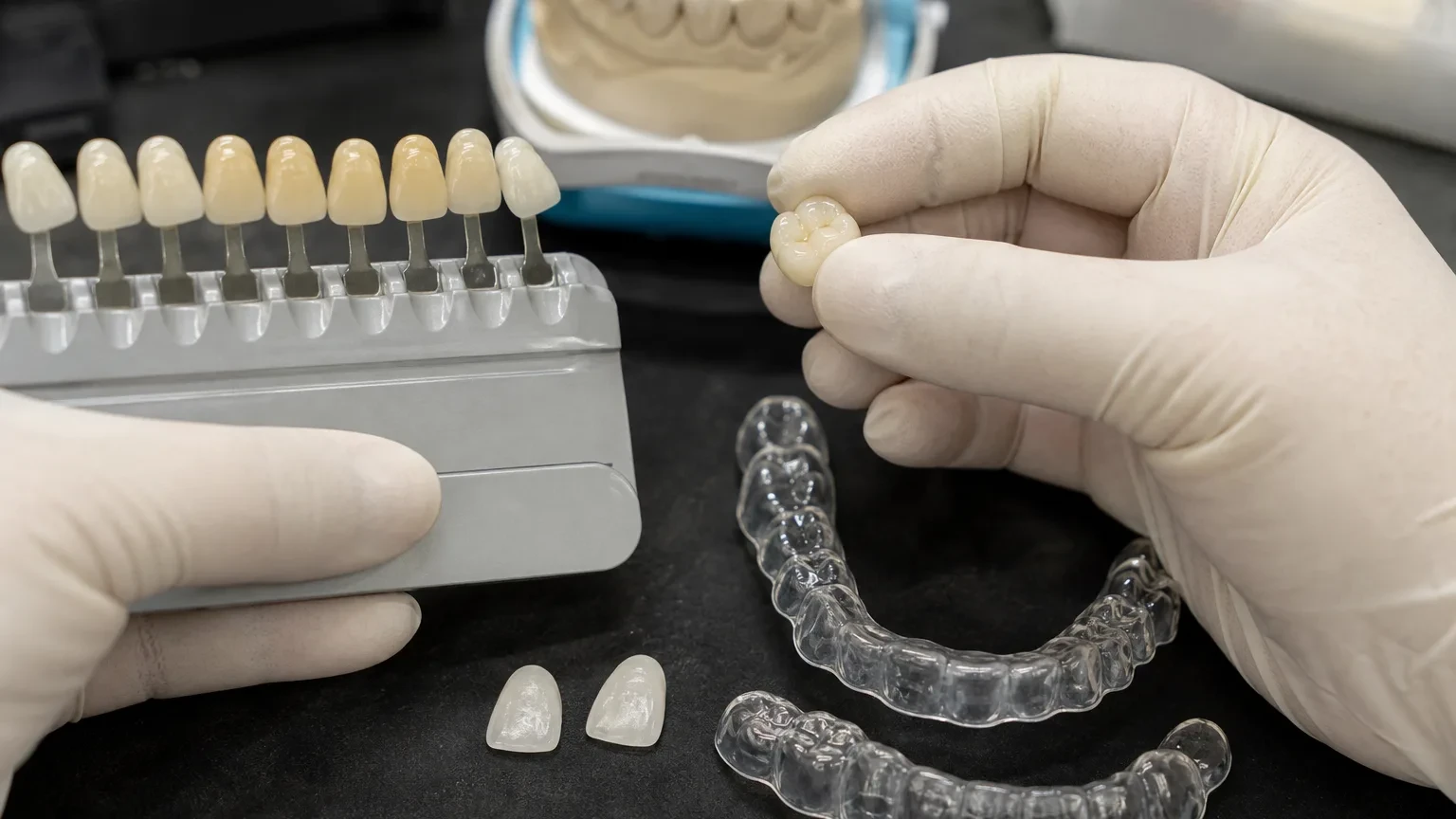
Can You Whiten Crowns Or Veneers?
Whitening brightens natural enamel, not porcelain or composite. The planning challenge is making old dental work and newly whitened teeth agree.
Read article