
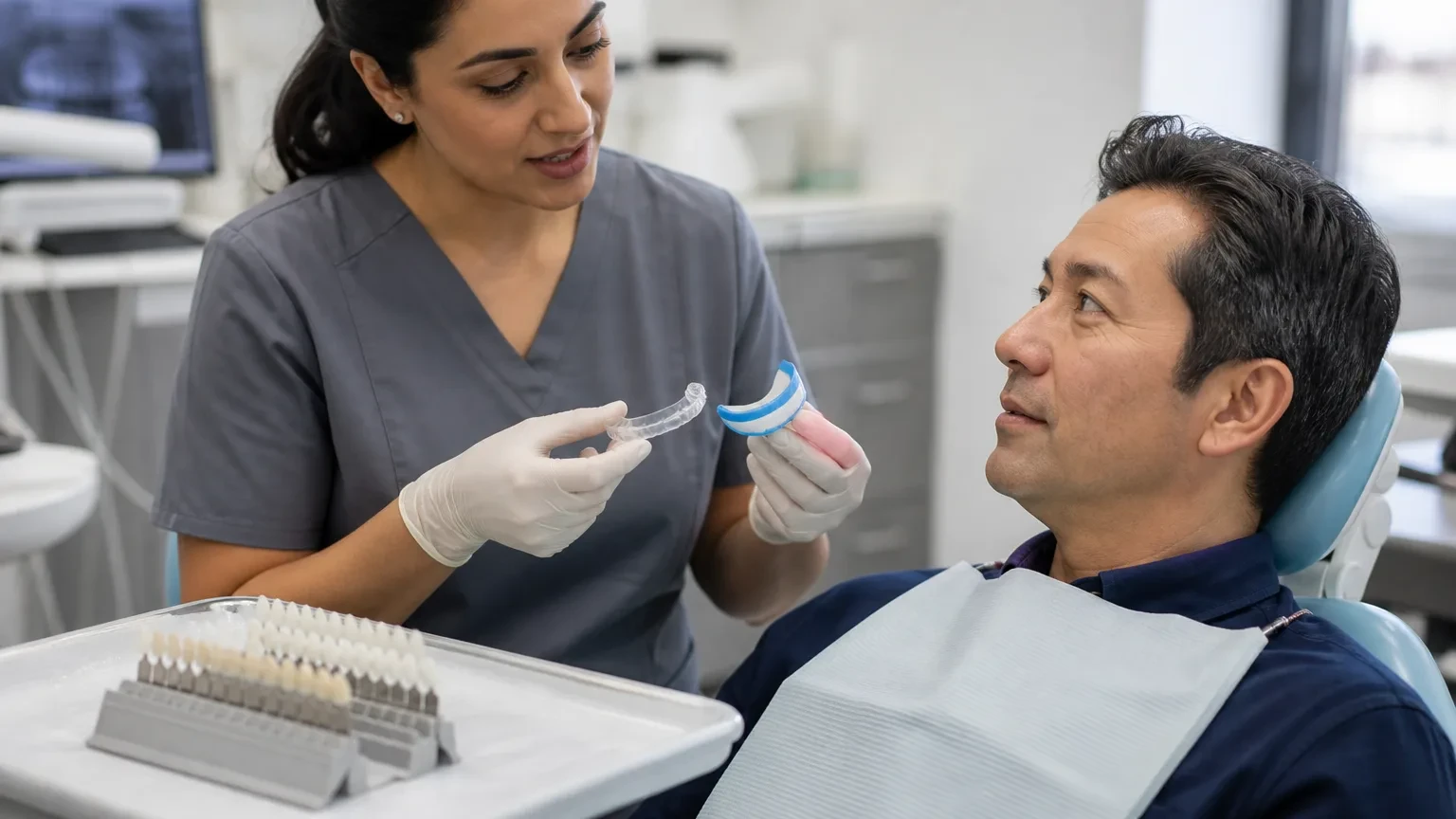
Is Professional Teeth Whitening Safe?
Professional teeth whitening is generally safe for healthy mouths. Learn what dentists screen for, common side effects, and when to delay treatment.

Reviewed by Dr. Sean Myran, DMDDoctor of Dental Medicine, University of Pennsylvania
Professional teeth whitening is generally considered safe for healthy adult teeth and gums when a dentist selects the product, protects soft tissue, and checks for problems first. The active ingredients are usually hydrogen peroxide or carbamide peroxide; they move into tooth structure and break apart stain molecules. MouthHealthy describes whitening as peroxide-based stain treatment, not a coating painted over enamel. That distinction matters because comfort and safety depend on dose, contact time, and the condition of the tooth.
Myths Vs Facts Before You Whiten
- Myth: Professional whitening strips enamel.
- Fact: Directed peroxide whitening does not work by scraping enamel away. Abrasive powders and acidic DIY mixtures are a different risk.
- Myth: Stronger gel is always better.
- Fact: Higher concentration can mean more sensitivity without a prettier final shade. Fit, timing, and diagnosis matter more.
- Myth: Whitening changes every white surface.
- Fact: Crowns, veneers, bonding, and fillings do not bleach like natural enamel, so visible dental work must be planned around shade goals.
- Myth: Sensitivity means damage.
- Fact: Temporary zing is common. Lingering pain, one-tooth pain, or gum burns deserve a call.
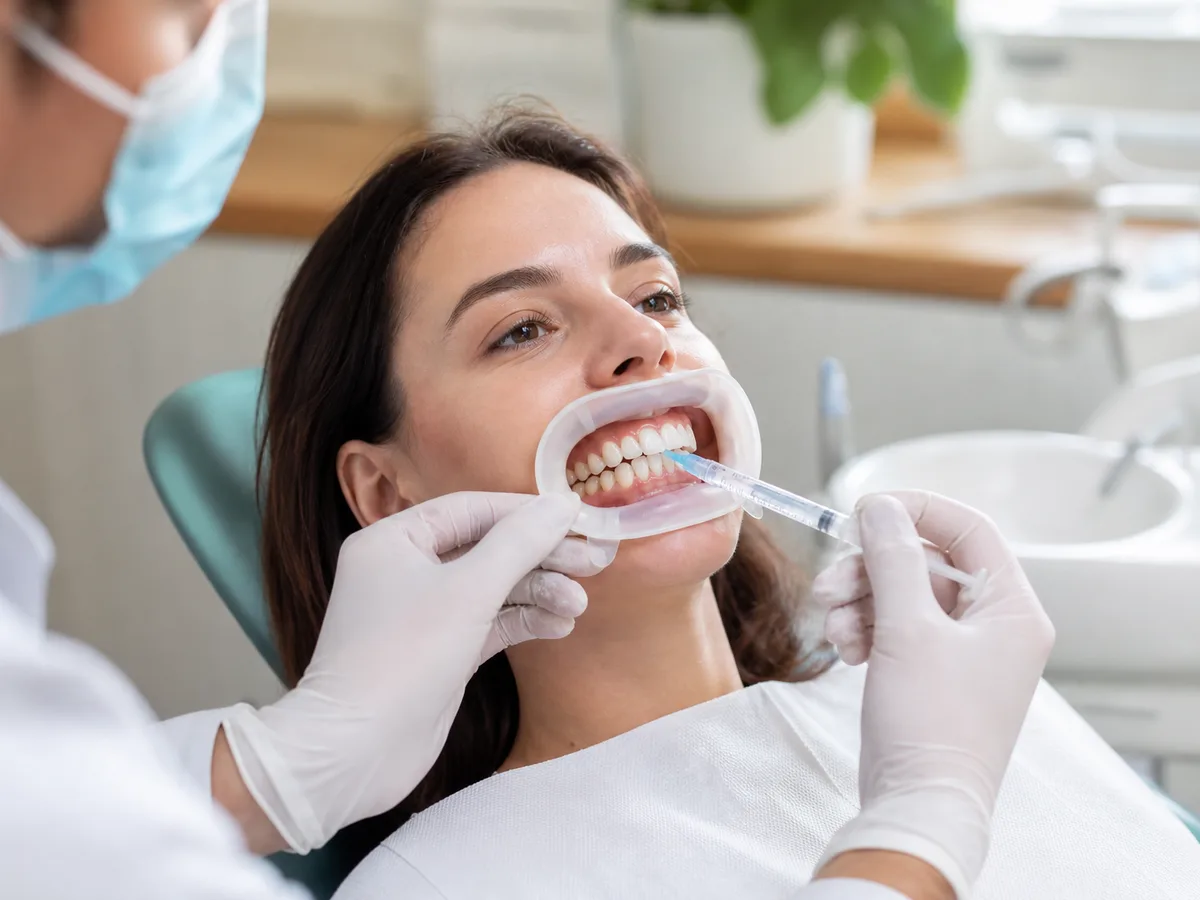 Good whitening starts with a mouth that is ready for it.
The exam is part of the safety system
A whitening appointment is not just a shade chat. Your dentist looks for cavities, cracked enamel, exposed roots, leaking fillings, gum recession, and heavy tartar that could make bleach sting or create uneven color. They also ask about sensitivity history, current dental work, and whether one dark tooth needs a separate diagnosis. If you need a second opinion before choosing a product, use find a dentist and ask for a cosmetic consult that includes a health screening, not only a price quote.
Risks Dentists Try To Reduce
The common side effects are tooth sensitivity and mild gum irritation. Both usually settle after whitening pauses or finishes. Dentists reduce those problems by using barriers, trimming trays so gel stays off the gums, choosing shorter wear schedules, and recommending fluoride or potassium nitrate products for sensitive mouths. Safety is less predictable when people sleep in trays not meant for overnight use, refill drugstore trays repeatedly, or combine strips, whitening toothpaste, charcoal, and online gel at the same time.
Who Should Be More Cautious
Patients with recession, worn biting edges, acid erosion, dry mouth, or a long history of cold sensitivity may still whiten, but the plan should be slower. Teenagers, people with many front restorations, and anyone whitening before a wedding or major event also need realistic timing. A rushed schedule can leave you with tender teeth right when you want to smile. Safety improves when the shade goal, the calendar, and the mouth all line up.
Delay whitening if you have untreated decay, active gum disease, a cracked tooth, recent dental trauma, or a single dark tooth that needs diagnosis. A tooth that turned gray after an injury may need root canal evaluation or internal bleaching, not regular tray whitening. For comfort planning, see Does Teeth Whitening Hurt? and Will Whitening Damage Enamel?. If restorations are visible, Can You Whiten Crowns Or Veneers? will save you from expecting porcelain to change.

A safe plan has a stop rule
Ask exactly how long to wear trays, how many days to continue, and what symptom means you should pause. A useful answer names the product, the schedule, and the backup plan for sensitivity. You should also know whether whitening comes before or after fillings, crowns, or veneers in your treatment sequence. That order prevents a bright natural shade from clashing with dental work made too early, and it keeps emergency shade decisions out of cosmetic dentistry later. Written instructions make that sequence easier to follow at home.
Bottom Line On Safety
For most healthy adults, professional whitening is a reasonable elective treatment. It becomes risky when whitening is used to cover up pain, disease, or unrealistic expectations. Let the dental exam decide whether now is the right moment.
Related articles
Keep exploring related topics from Dental Country.
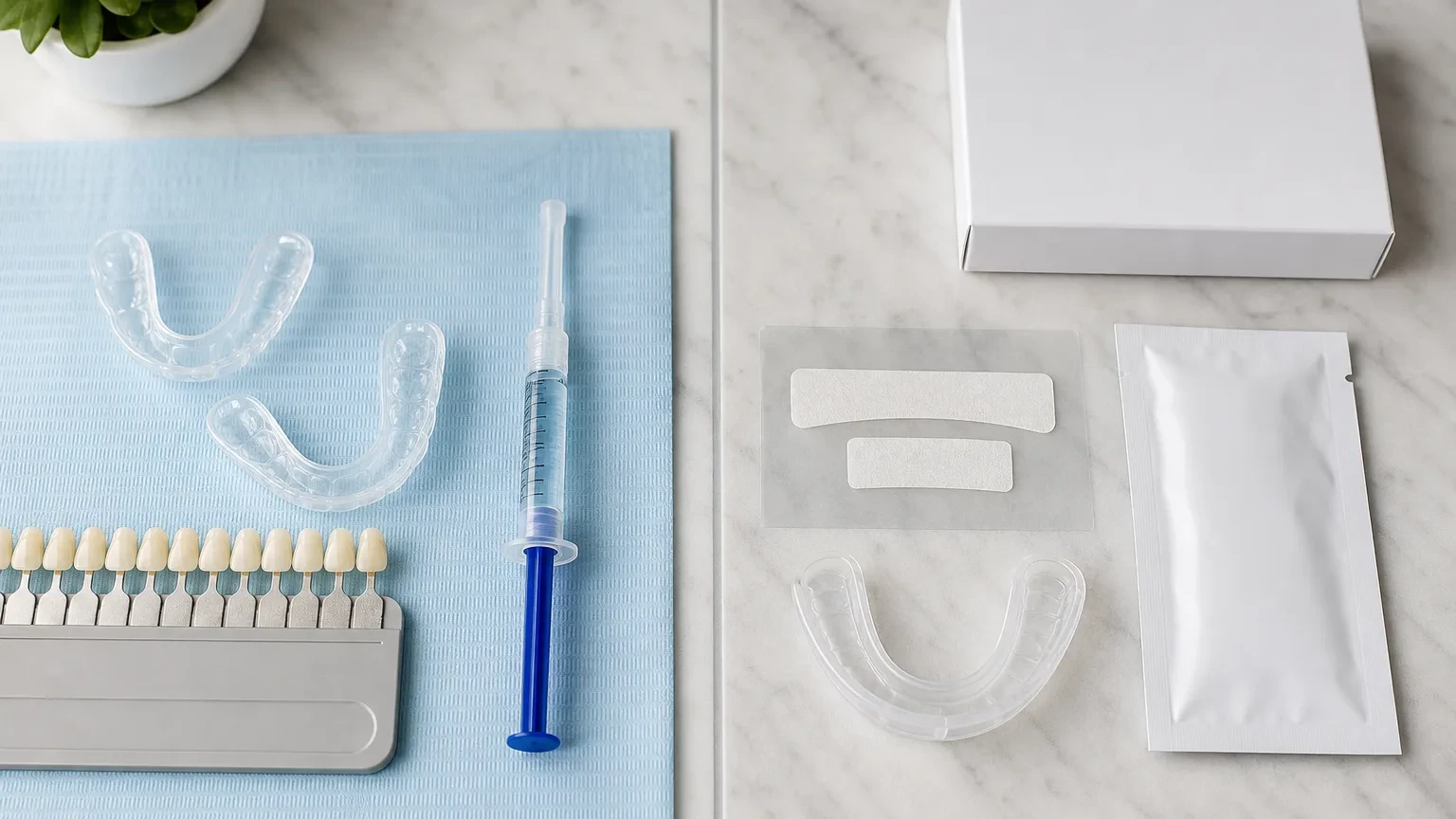
Professional Vs OTC Teeth Whitening: Which Works Better?
Strips, trays, and in-office whitening can all have a place. The difference is how much control you get over fit, strength, timing, and risk.
Read article
How Long Does Teeth Whitening Last?
Whitening lasts longer when you treat it as stain management, not a one-day makeover. Food, habits, enamel, and touch-ups all change the timeline.
Read article
Does Teeth Whitening Hurt?
Whitening discomfort is usually temporary sensitivity, not true pain. A day-by-day guide helps you know when to pause and when to call.
Read article
Can You Whiten Crowns Or Veneers?
Whitening brightens natural enamel, not porcelain or composite. The planning challenge is making old dental work and newly whitened teeth agree.
Read article