

What Counts As A Dental Emergency?
Dental emergencies include severe pain, swelling, trauma, bleeding, and lost teeth. Learn what needs care now and what can usually wait briefly.

Reviewed by Dr. Sean Myran, DMDDoctor of Dental Medicine, University of Pennsylvania
A dental emergency is a mouth, tooth, gum, or jaw problem where delay could worsen pain, infection, bleeding, function, or the chance of saving a tooth. Severe swelling, uncontrolled bleeding, facial trauma, a knocked-out permanent tooth, fever with dental pain, and a broken tooth exposing the nerve all deserve prompt advice. The ADA's MouthHealthy overview of dental emergencies is a useful public reference, but real triage depends on your symptoms right now.
Start With The Safety Branch
- Go medical first: trouble breathing, trouble swallowing, major facial cuts, head injury signs, suspected jaw fracture, or swelling spreading toward the eye or neck.
- Call a dentist now: knocked-out adult tooth, severe toothache, abscess signs, broken tooth with pain, lost crown with exposed pain, or bleeding that is not slowing.
- Schedule soon: minor chip without pain, dull sensitivity, lost filling without swelling, or a loose crown that still seats comfortably.
 Triage is based on the pattern, not just the label.
Speed and direction matter
A symptom that is spreading, escalating, or changing function gets more urgent. Swelling that was pea-sized yesterday and reaches the jawline today is different from a small gum bump that has not changed. Pain that wakes you or stops eating is different from mild cold sensitivity. When you call, describe timing, swelling, fever, injury, medicines, allergies, and whether swallowing or breathing feels normal.
Common Gray Areas
A lost filling may not require a midnight ER visit, but it should be protected and repaired before decay or fracture expands. A crown that falls off can wait a short time if the tooth is not painful and the crown is stored safely, but household glue is never appropriate. Jaw soreness from clenching can be scheduled, while jaw pain after a fall with a changed bite needs urgent evaluation.
Pain relief does not prove the problem is fixed. Dental infections can drain and feel better while the source remains. A broken tooth can stop hurting after the nerve is damaged. If symptoms keep returning, the question is no longer whether you can tolerate them; it is whether the tooth, gum, or jaw is being damaged while you wait.
When you are unsure, call early and let the office downgrade urgency if the details are reassuring. Dental teams would rather sort a borderline situation by phone than see a patient lose a tooth, spread an infection, or spend a long night in severe pain. Keep the conversation concrete: one-sided or both sides, swelling or no swelling, injury or no injury, and whether the symptoms are stable, improving, or moving fast.
Useful Links For The Branch You Are On
If a tooth is completely out, follow What Should You Do If You Knock Out A Tooth? immediately. For swelling or pus, read What Are Signs Of A Dental Abscess?. If you are deciding between hospital and dental care, Can You Go To The ER For Tooth Pain? explains what the ER can and cannot do. When symptoms are stable but urgent, find a dentist can help you look for an office that handles same-day problems.

Give the office usable facts
A clear photo, pain score, temperature, medication list, and timeline help the team place you appropriately. Say whether the problem followed trauma, recent dental work, or a known cavity. Also say what you have already taken and whether it helped. That information can shorten the first visit because the office knows whether to prepare for X-rays, drainage, splinting, a temporary repair, or referral.
Bottom Line
When airway, swallowing, head injury, or major trauma is involved, choose medical emergency care. When the problem is painful but stable and dental in origin, call a dentist quickly so the cause can be treated, not only quieted.
Related articles
Keep exploring related topics from Dental Country.
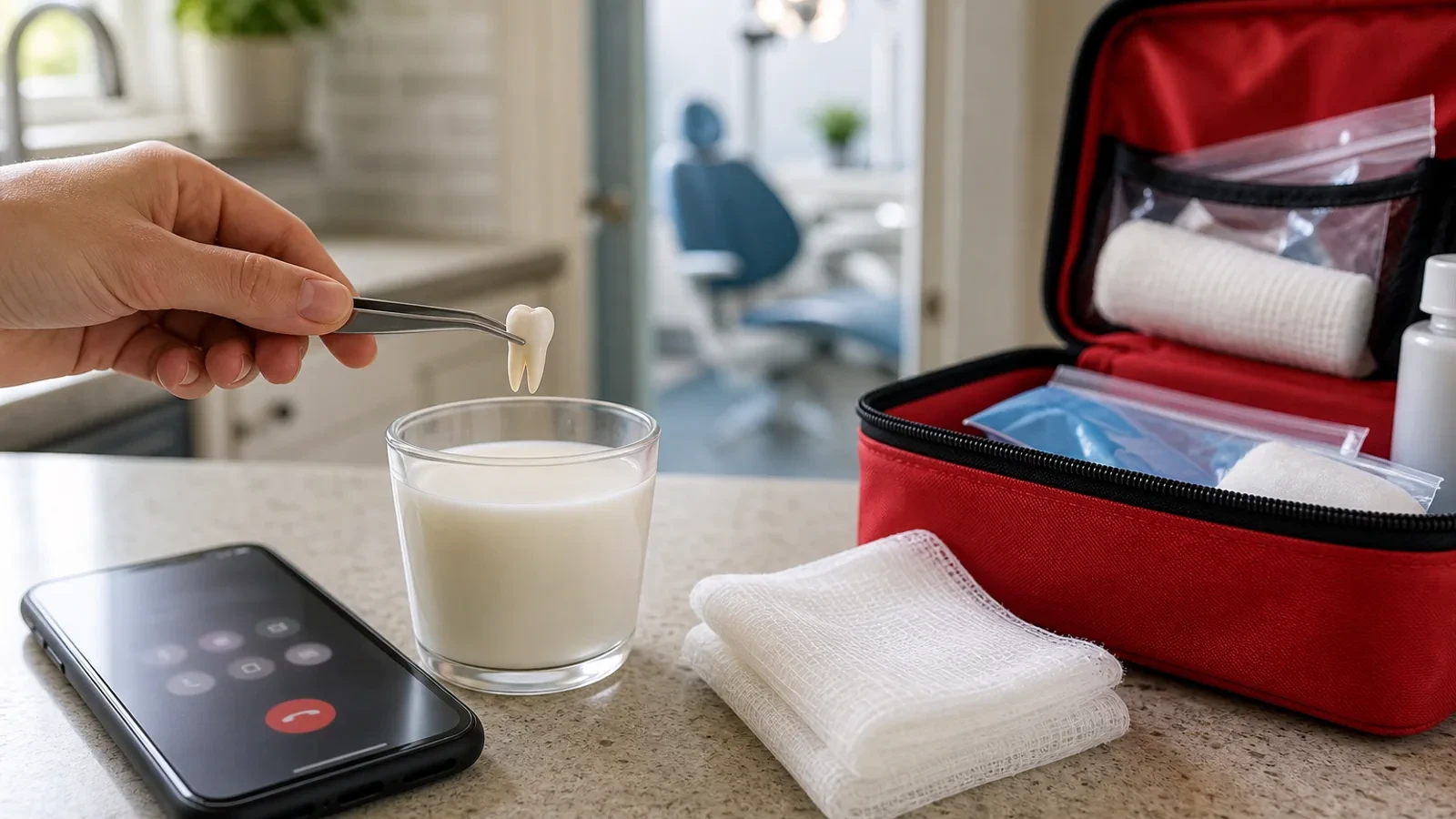
What Should You Do If You Knock Out A Tooth?
A knocked-out permanent tooth is one of the few dental emergencies where minutes change the odds. Handle the root gently and keep the tooth moist.
Read article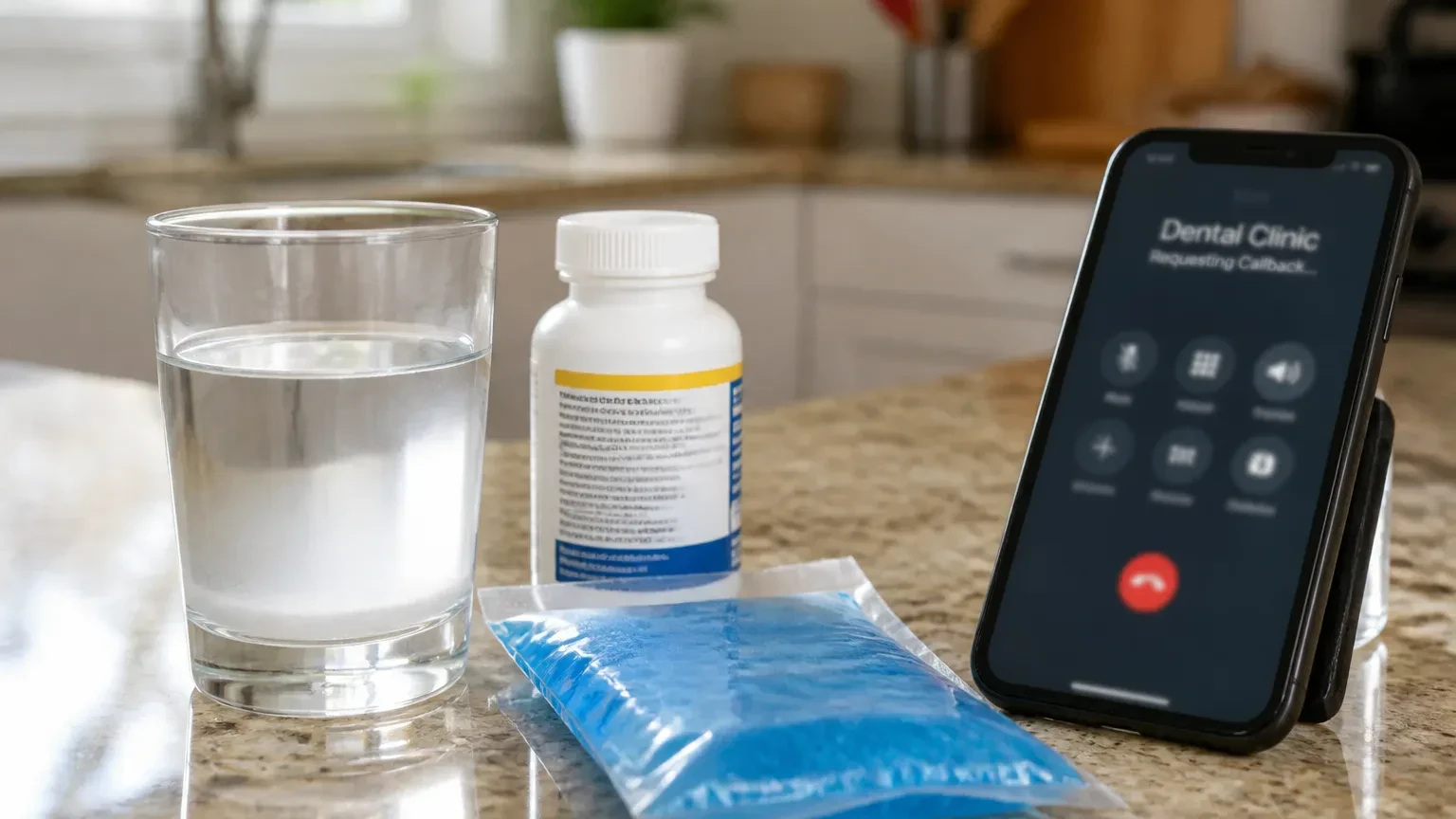
How Do You Stop A Toothache Until The Dentist?
Toothache first aid is about reducing irritation without masking danger. The goal is a calmer wait, not a home cure for decay or infection.
Read article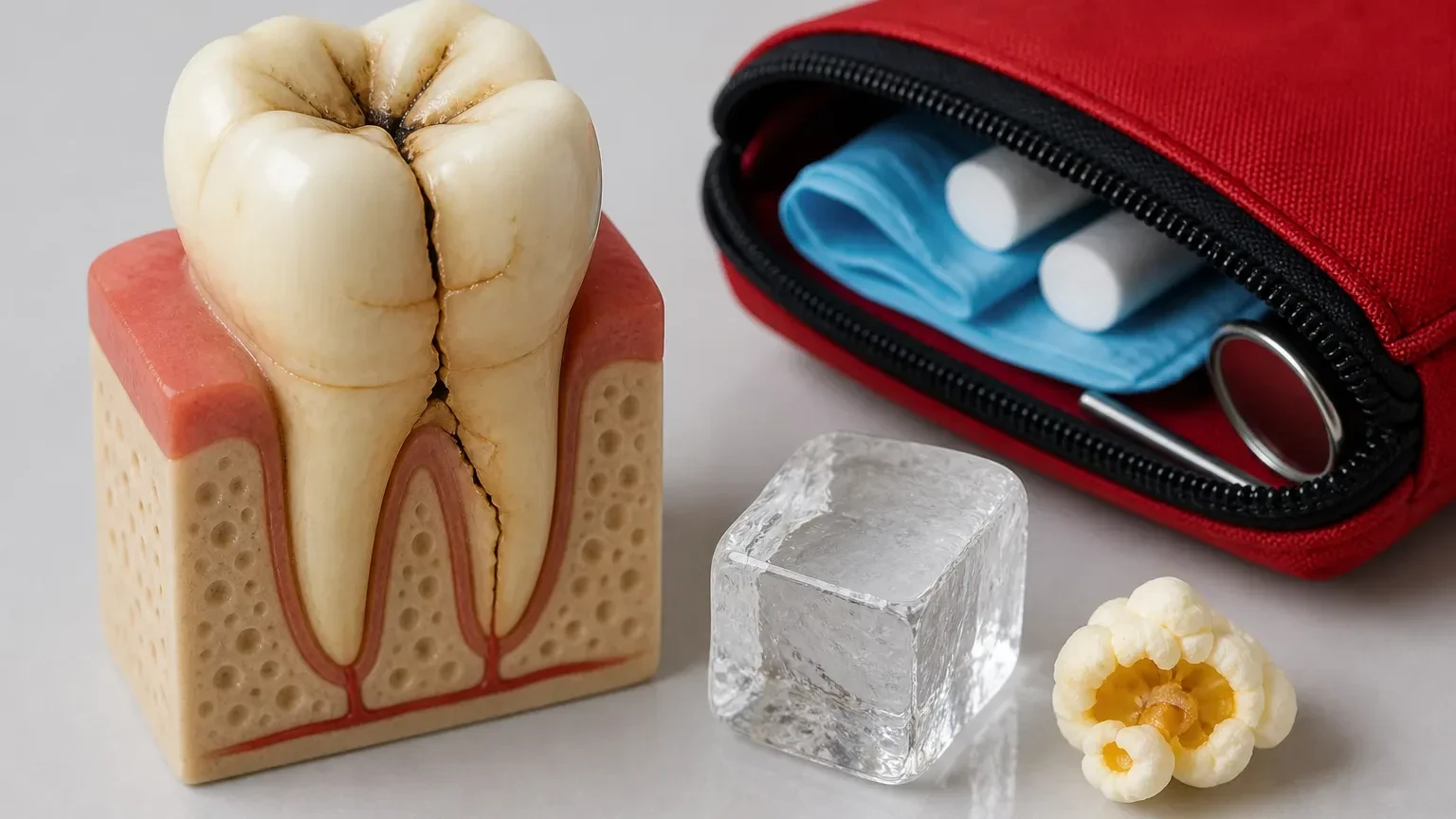
What Should You Do For A Cracked Tooth?
A cracked tooth often hurts in flashes, not constantly. Stop flexing it, protect the edge, and let a dentist identify how deep the crack runs.
Read article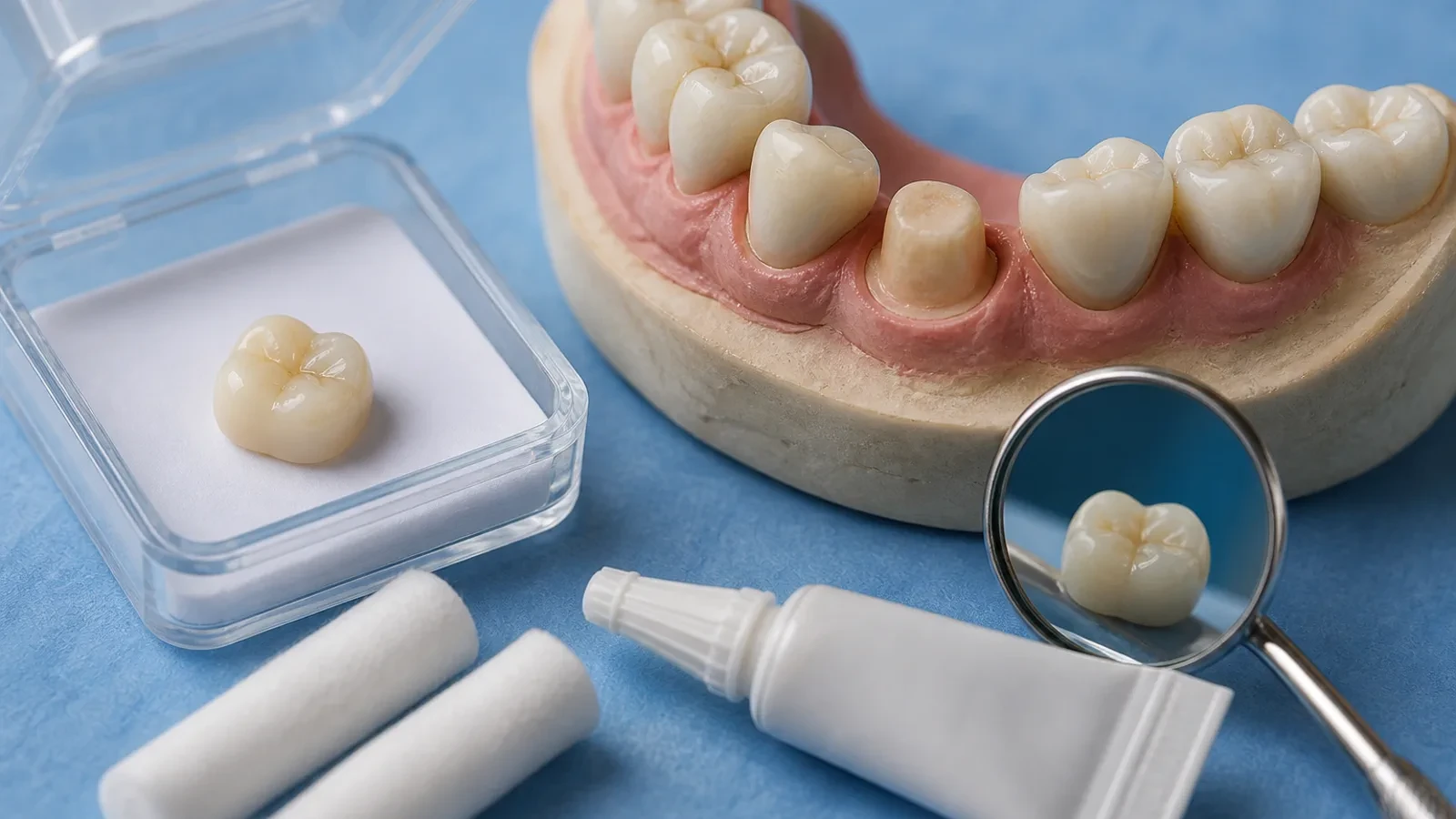
What Should You Do If A Crown Falls Off?
A fallen crown is not just loose hardware. The tooth underneath may be sensitive, decayed, fractured, or ready to recement only after an exam.
Read article