
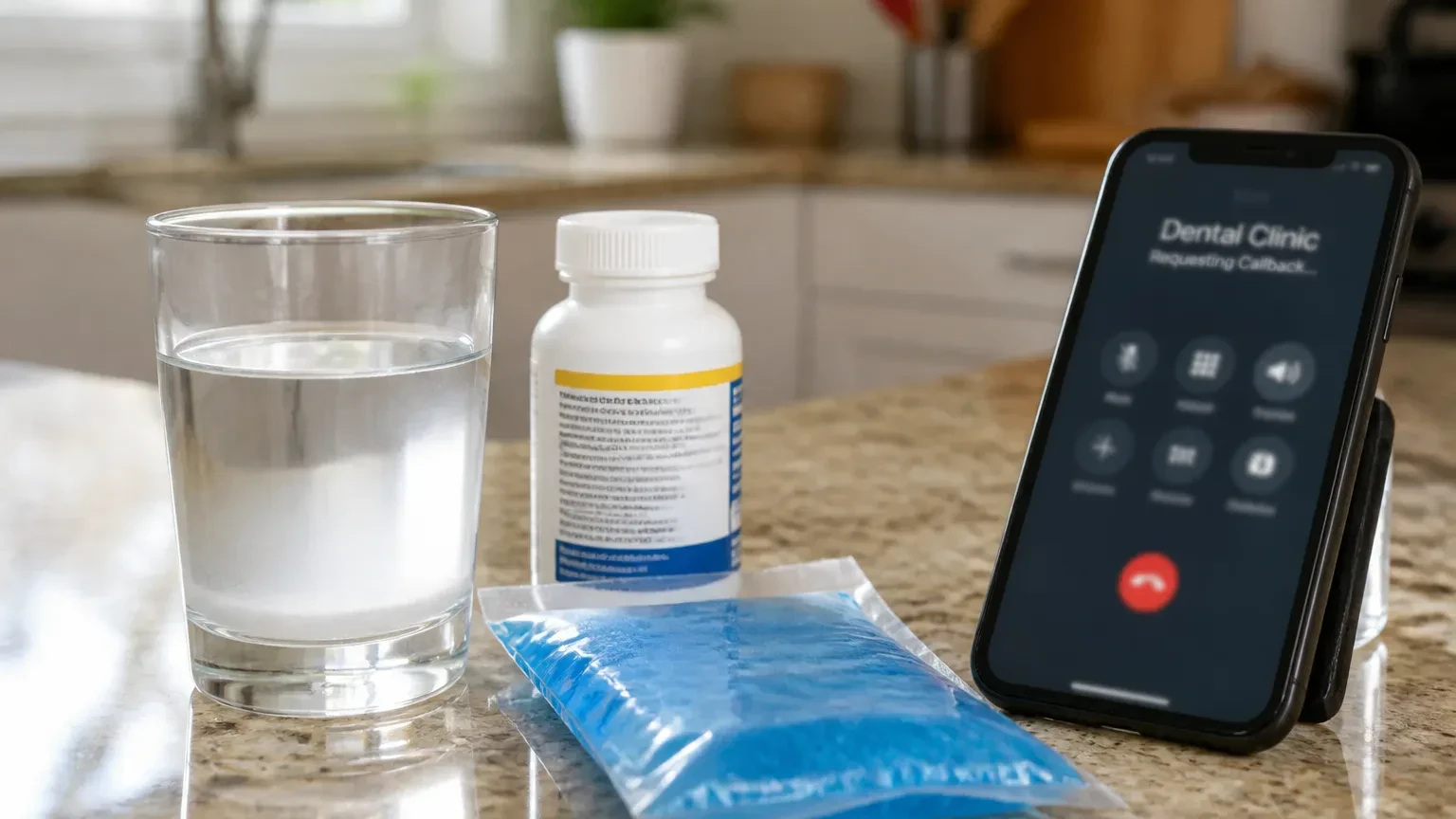
How Do You Stop A Toothache Until The Dentist?
Toothache relief can help briefly before a dentist visit. Learn safe home steps, what to avoid, and which symptoms need urgent dental attention.

Reviewed by Dr. Sean Myran, DMDDoctor of Dental Medicine, University of Pennsylvania
Toothache relief before a dental visit should be simple: clean gently, reduce triggers, use labeled pain medicine only when safe for you, and call sooner if symptoms suggest infection or nerve trouble. Warm salt-water rinses can soothe irritated gums, and careful flossing may remove food trapped between teeth. Do not put aspirin directly on the gum or tooth; it can burn tissue. MedlinePlus notes that tooth disorders can include pain, sensitivity, and structural problems, which is why a recurring ache deserves diagnosis.
Symptom Notes To Gather
- Trigger: cold, heat, sweets, biting, lying down, or nothing obvious.
- Duration: seconds, minutes, hours, or all night.
- Location: one tooth, several teeth, upper jaw, lower jaw, or hard to locate.
- Swelling: gum pimple, cheek swelling, bad taste, fever, or swollen glands.
- History: recent filling, cracked tooth, sinus symptoms, grinding, or trauma.
 Calm steps should not create new irritation.
Make the wait gentler
Choose soft foods and chew on the other side. Brush with a soft toothbrush and floss carefully rather than digging hard at the sore spot. A cold compress on the outside of the face can help after injury-related swelling. Avoid heat on swelling, leftover antibiotics, alcohol, smoking, and repeated chewing tests. The more you provoke the tooth, the less clear the pain pattern becomes.
When To Seek Care Faster
Call urgently for swelling, fever, bad taste with pus, pain that wakes you, pain that lingers after hot or cold, or pain when biting that feels sharp and repeatable. Go medical first for trouble breathing or swallowing, rapidly spreading swelling, or symptoms that feel heart-related. Pain medicine can lower the volume while infection or a cracked tooth keeps progressing, so do not use temporary comfort as proof that the problem is solved.
If swelling or pus is part of the story, compare your symptoms with What Are Signs Of A Dental Abscess?. If biting pain suggests a fracture, read What Should You Do For A Cracked Tooth?. If symptoms feel severe enough for hospital care, Can You Go To The ER For Tooth Pain? explains the handoff between ER and dental treatment.
Use the waiting period to remove friction from the visit. Keep a list of medicines, allergies, recent dental work, and medical conditions. If the ache started after a filling or crown, say so when scheduling. If you are taking pain medicine, note the time and dose instead of estimating later. Bring a photo of swelling if it changes before the visit. Those details help the dentist interpret tests because medication can dull symptoms without changing the cause.
What The Dental Visit May Test
The dentist may take X-rays, tap teeth, test cold response, check the bite, look for cracks, and measure gums. Treatment might be a filling, crown, root canal, extraction, gum care, or adjustment of a high restoration. That variety is why a toothache cannot be reliably treated from symptoms alone. Two aches that feel similar can have very different causes.

Bring a clean timeline
Write down when pain started, what makes it better or worse, and which medicines you used. Mention pregnancy, blood thinners, immune conditions, allergies, and recent dental work. If you do not have an office that can see you soon, find a dentist and ask for urgent toothache triage. A focused first visit can often identify whether the source is decay, nerve inflammation, a crack, gum infection, or referred pain.
Comfort With Caution
A toothache may settle for a few hours with careful home care, but lingering, throbbing, swelling, or bite pain needs a dental diagnosis. Treat home steps as a bridge to care, not a replacement for it.
Related articles
Keep exploring related topics from Dental Country.
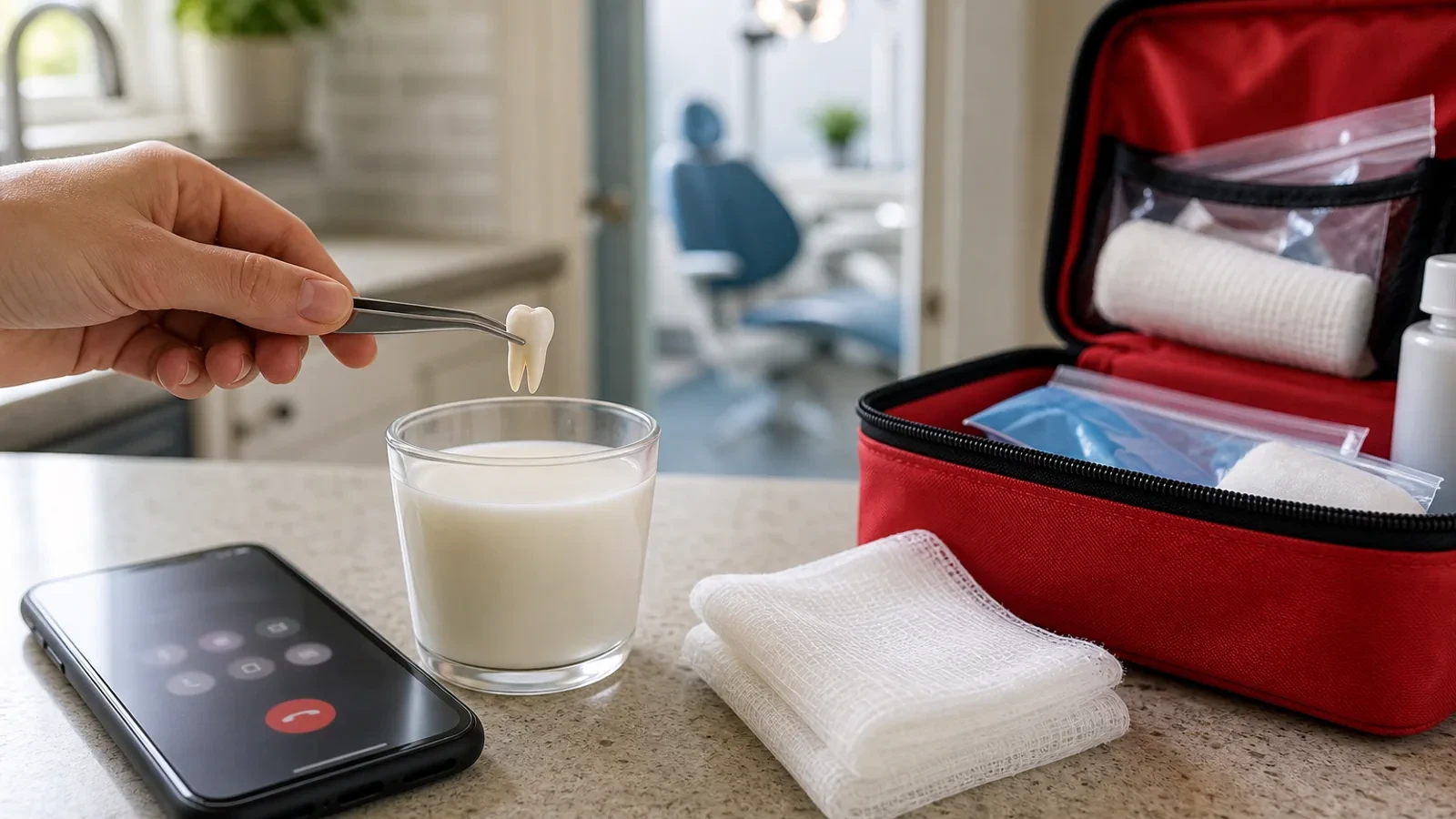
What Should You Do If You Knock Out A Tooth?
A knocked-out permanent tooth is one of the few dental emergencies where minutes change the odds. Handle the root gently and keep the tooth moist.
Read article
What Counts As A Dental Emergency?
Not every dental problem needs the ER, but some should not wait for a routine appointment. Use symptoms, speed, and risk to triage the next step.
Read article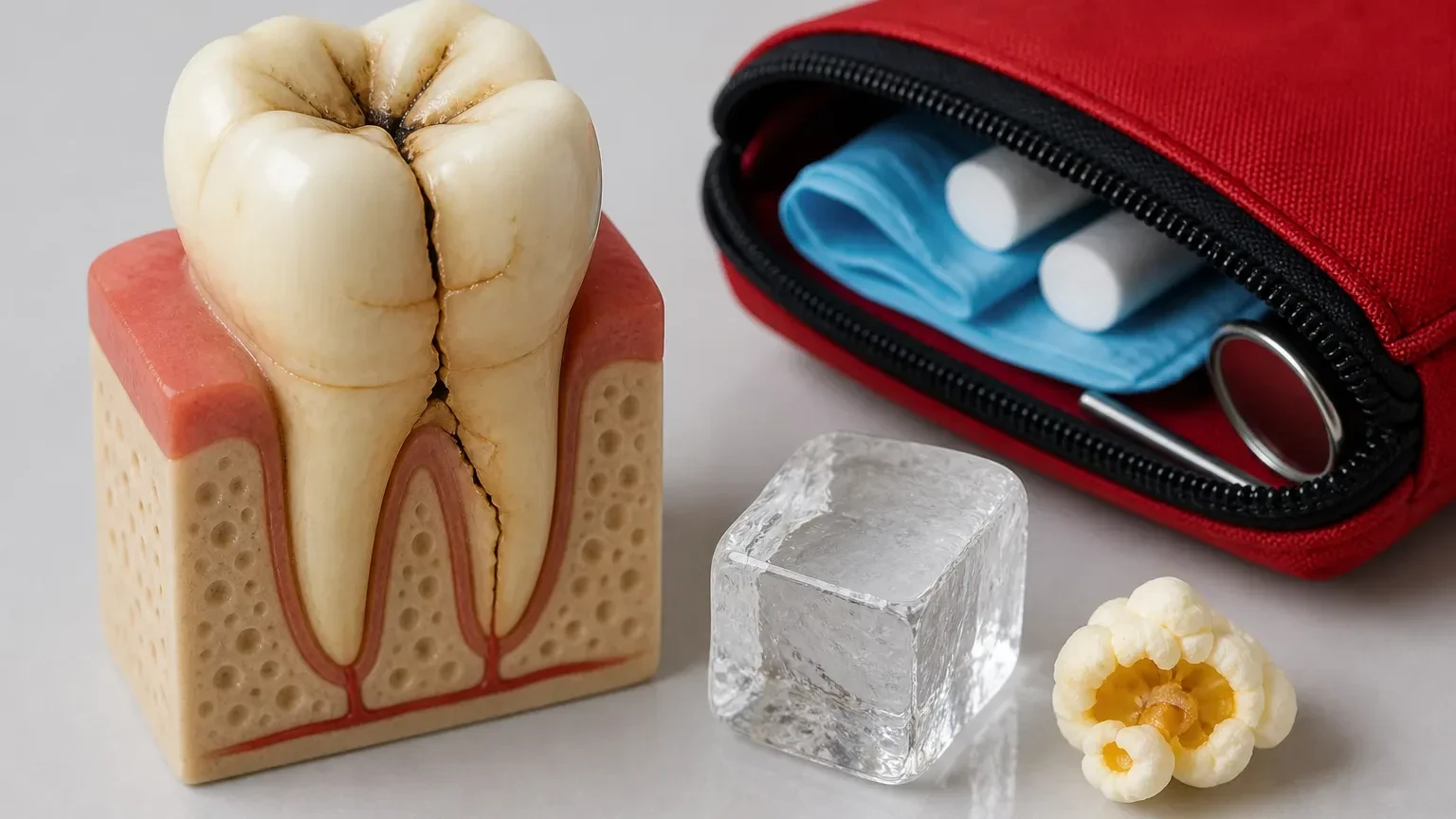
What Should You Do For A Cracked Tooth?
A cracked tooth often hurts in flashes, not constantly. Stop flexing it, protect the edge, and let a dentist identify how deep the crack runs.
Read article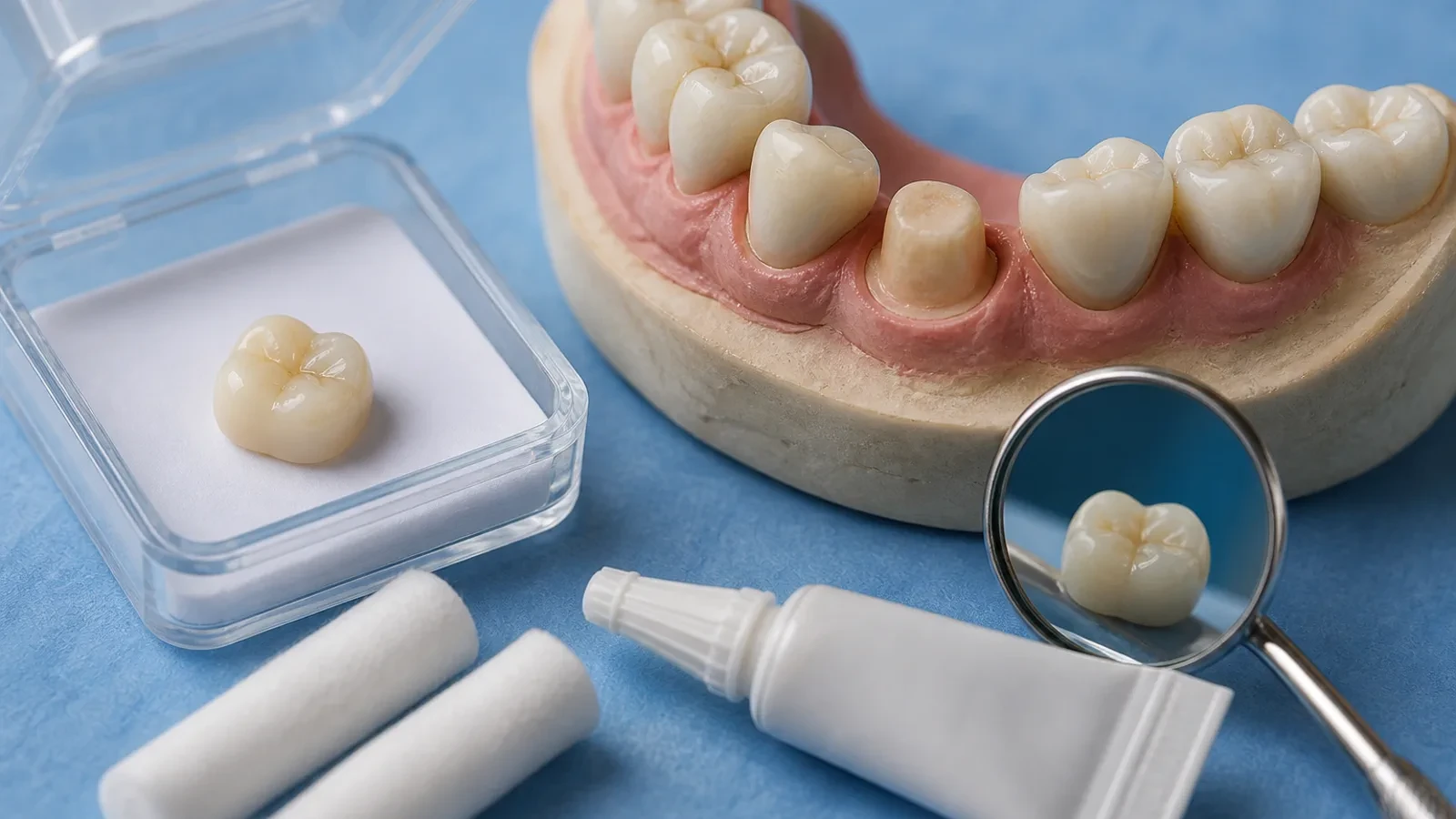
What Should You Do If A Crown Falls Off?
A fallen crown is not just loose hardware. The tooth underneath may be sensitive, decayed, fractured, or ready to recement only after an exam.
Read article