
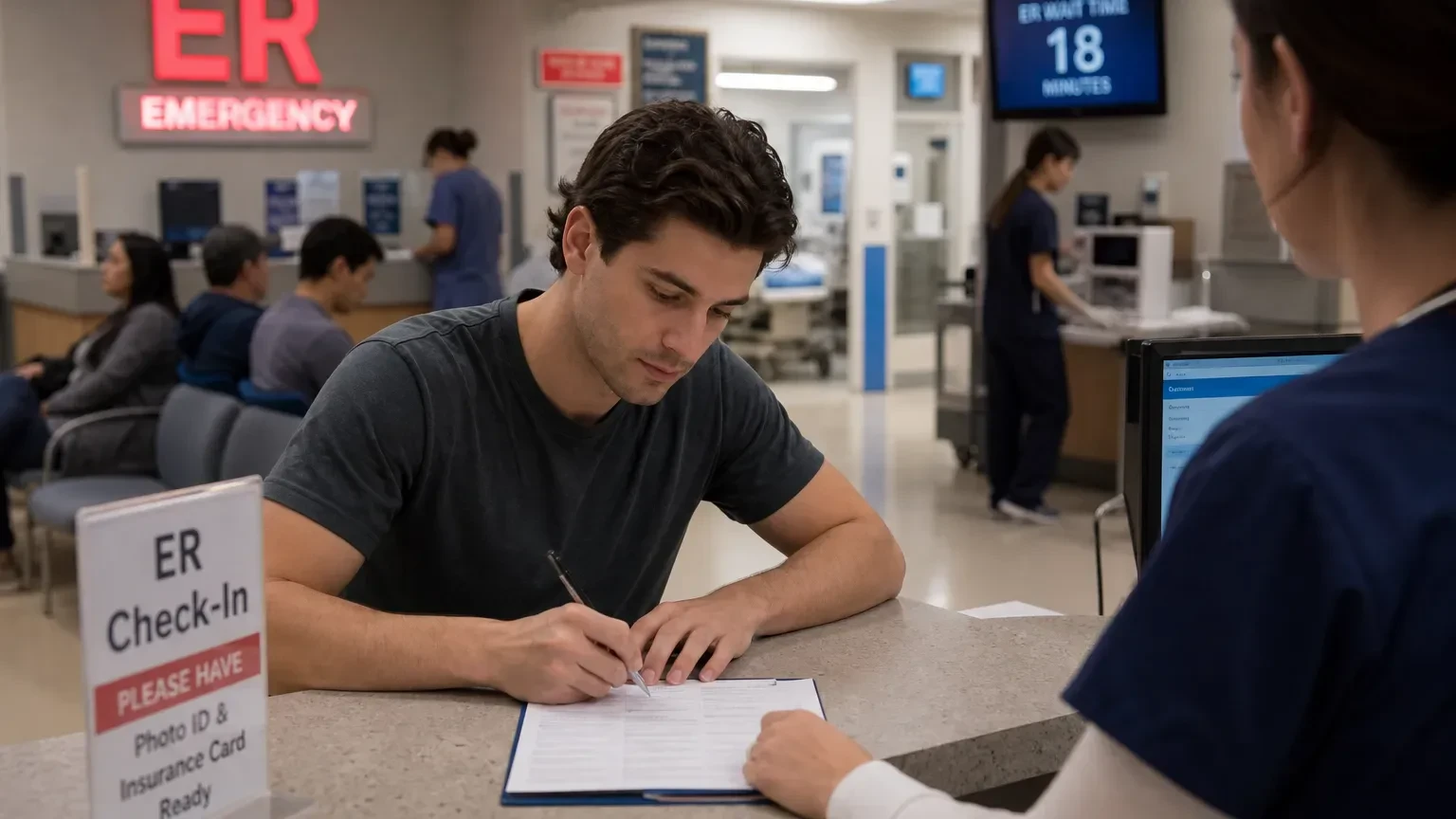
Can You Go To The ER For Tooth Pain?
The ER can help dangerous dental symptoms, but most tooth pain needs a dentist. Compare ER care, urgent dental care, and warning signs clearly now.

Reviewed by Dr. Sean Myran, DMDDoctor of Dental Medicine, University of Pennsylvania
You can go to the ER for tooth pain when symptoms suggest a medical emergency: trouble breathing, trouble swallowing, rapidly spreading facial swelling, high fever, major trauma, uncontrolled bleeding, or chest-pressure symptoms with jaw pain. For most toothaches, an emergency dentist is better equipped to treat the source. Mayo Clinic's tooth abscess guidance specifically warns that swelling affecting breathing or swallowing needs emergency care.
ER Vs Emergency Dentist
| Setting | Best For | Limits |
|---|---|---|
| ER | Airway risk, severe infection signs, trauma, uncontrolled bleeding, medical instability | Usually cannot do fillings, crowns, root canals, or routine extractions |
| Urgent dental office | Toothache, abscess source, broken tooth, lost crown, bite pain, swelling without airway symptoms | May refer out for hospital-level infection or facial fractures |
| Routine appointment | Mild sensitivity, small chip without pain, stable lost filling | Too slow for swelling, fever, trauma, or severe pain |
 Hospital care and dental care often work in sequence.
The ER stabilizes; dentistry fixes the source
An ER can evaluate spreading infection, give IV fluids or medication, treat injuries, and protect the airway. It may prescribe antibiotics or pain control when appropriate. What it usually cannot do is remove decay, rebuild a broken tooth, complete a root canal, recement a crown, or adjust a high filling. That is why discharge papers often say to follow up with a dentist quickly.
Call A Dentist First When Stable
If you can breathe and swallow normally, swelling is not racing, and there was no major trauma, call a dental office for urgent triage. Say how long pain has lasted, whether it wakes you, whether biting hurts, what medications you take, and whether you have fever or swelling. A dentist can identify whether the source is decay, a cracked tooth, gum infection, abscess, or bite trauma.
If swelling or fever is part of the picture, read What Are Signs Of A Dental Abscess?. For general triage, see What Counts As A Dental Emergency?. If jaw pain comes with chest pressure, shortness of breath, sweating, or nausea, When Is Jaw Pain A Dental Emergency? explains why medical care may come first.
The cost and wait time can feel frustrating, but the wrong setting can cost more time. A stable toothache may sit for hours in an ER and still leave you needing a dentist the next morning. A dangerous infection may be too risky for a dental office alone. Choose based on breathing, swallowing, swelling speed, trauma, fever, and medical stability, not only on how badly the tooth hurts. If symptoms are changing while you decide, choose the setting that can monitor medical risk. Bring dental records if you have them when possible.
After An ER Visit
Do not let temporary improvement become the end of the story. Pain medicine or antibiotics may buy time, but symptoms often return if the source remains. Keep discharge paperwork, medication names, and imaging notes. If you need follow-up, find a dentist and tell the office you were seen in the ER for dental pain so they can plan the first visit efficiently.
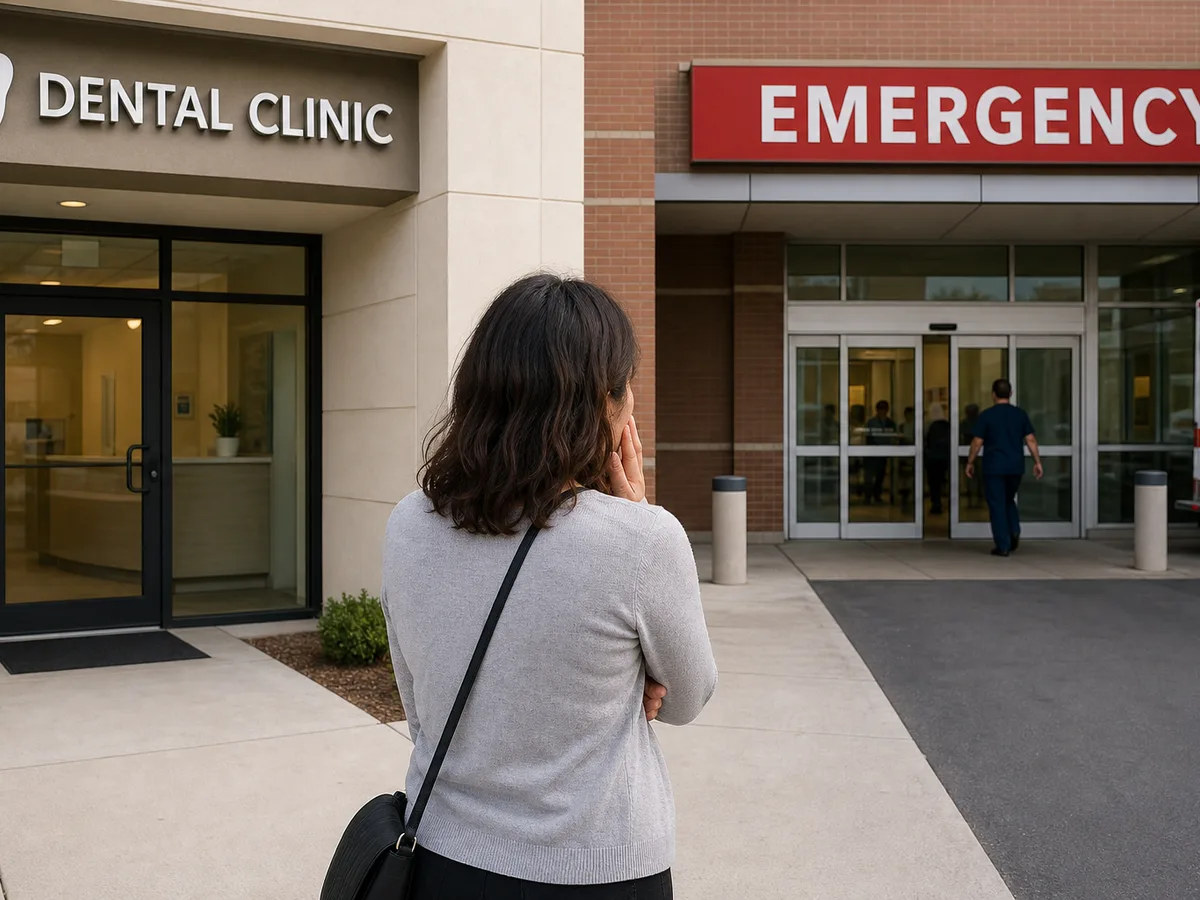
Follow-up closes the loop
Bring every prescription and note from the hospital. Tell the dentist whether swelling improved, whether fever stopped, and whether pain returns when chewing. The dental visit may involve X-rays, drainage, root canal treatment, extraction, or a temporary repair. The safest plan treats both pieces: the medical risk first when needed, then the dental source as soon as practical.
Simple Comparison
Choose the ER for danger signs and urgent dental care for a painful but stable tooth problem. When in doubt, describe symptoms clearly and ask for triage rather than waiting in silence.
Related articles
Keep exploring related topics from Dental Country.
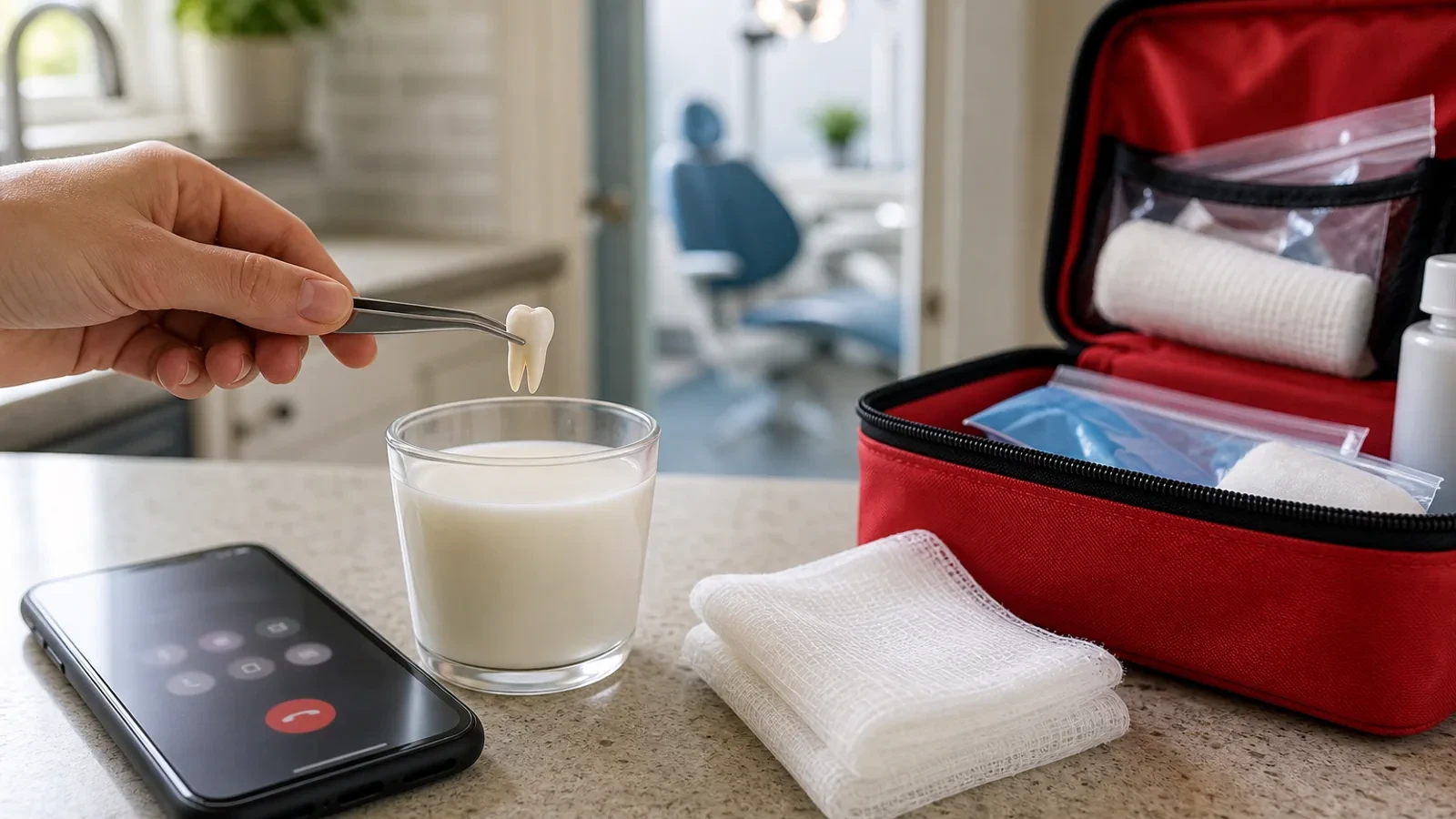
What Should You Do If You Knock Out A Tooth?
A knocked-out permanent tooth is one of the few dental emergencies where minutes change the odds. Handle the root gently and keep the tooth moist.
Read article
What Counts As A Dental Emergency?
Not every dental problem needs the ER, but some should not wait for a routine appointment. Use symptoms, speed, and risk to triage the next step.
Read article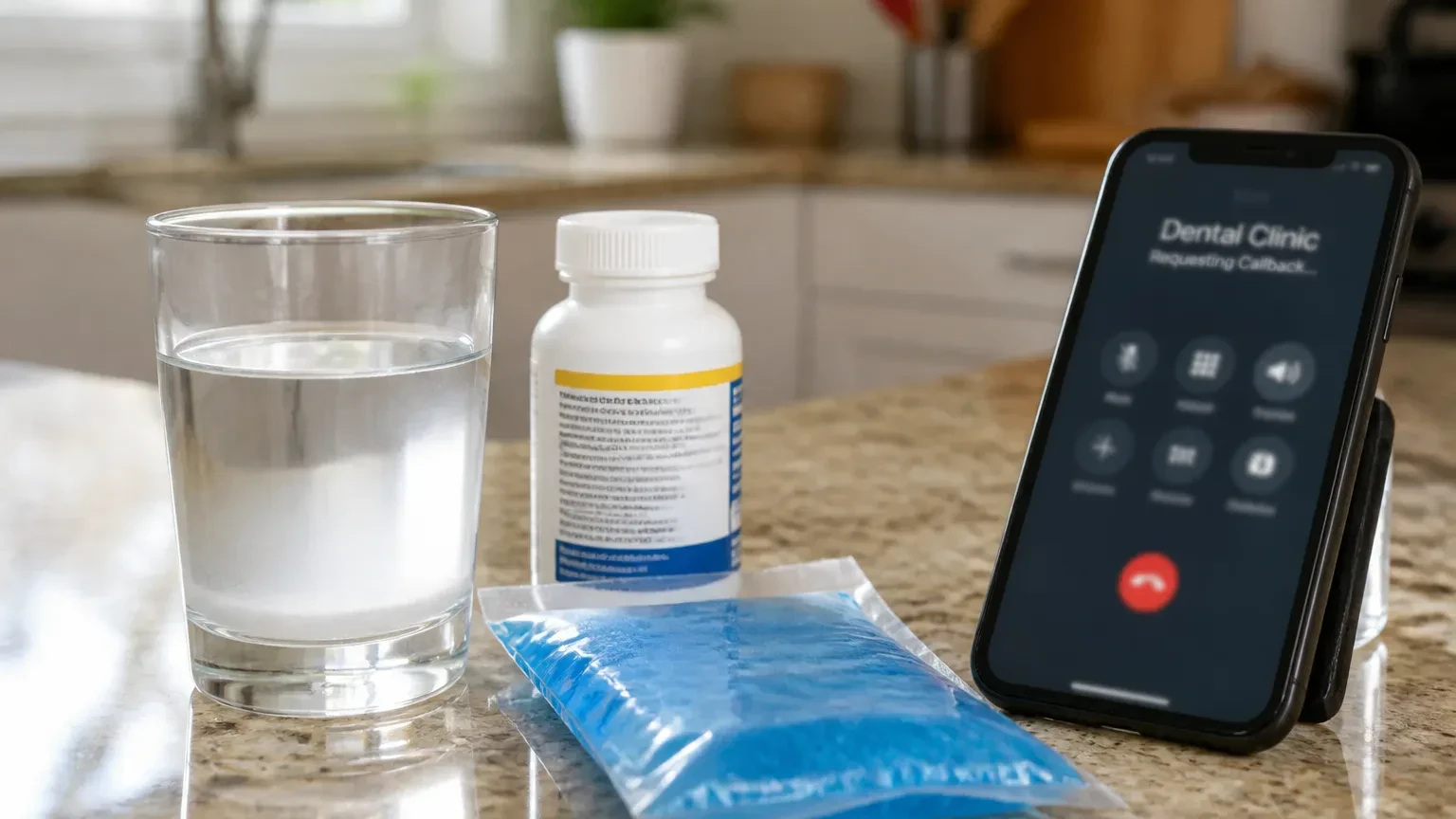
How Do You Stop A Toothache Until The Dentist?
Toothache first aid is about reducing irritation without masking danger. The goal is a calmer wait, not a home cure for decay or infection.
Read article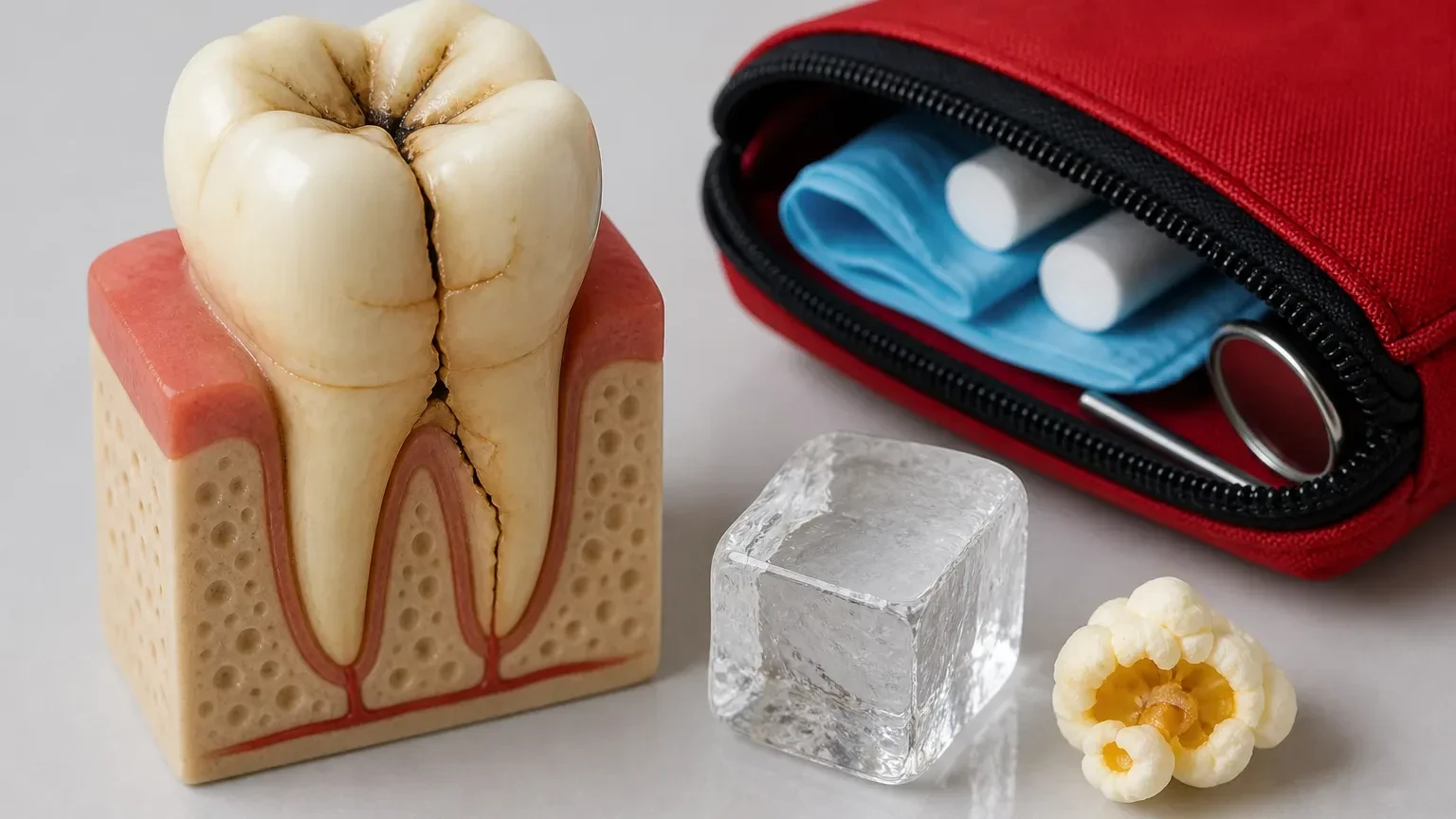
What Should You Do For A Cracked Tooth?
A cracked tooth often hurts in flashes, not constantly. Stop flexing it, protect the edge, and let a dentist identify how deep the crack runs.
Read article