
What Should You Do If You Knock Out A Tooth?
Knocked-out permanent teeth need urgent first aid. Learn how to handle, rinse, store, and transport the tooth before emergency dental care begins.

Reviewed by Dr. Sean Myran, DMDDoctor of Dental Medicine, University of Pennsylvania
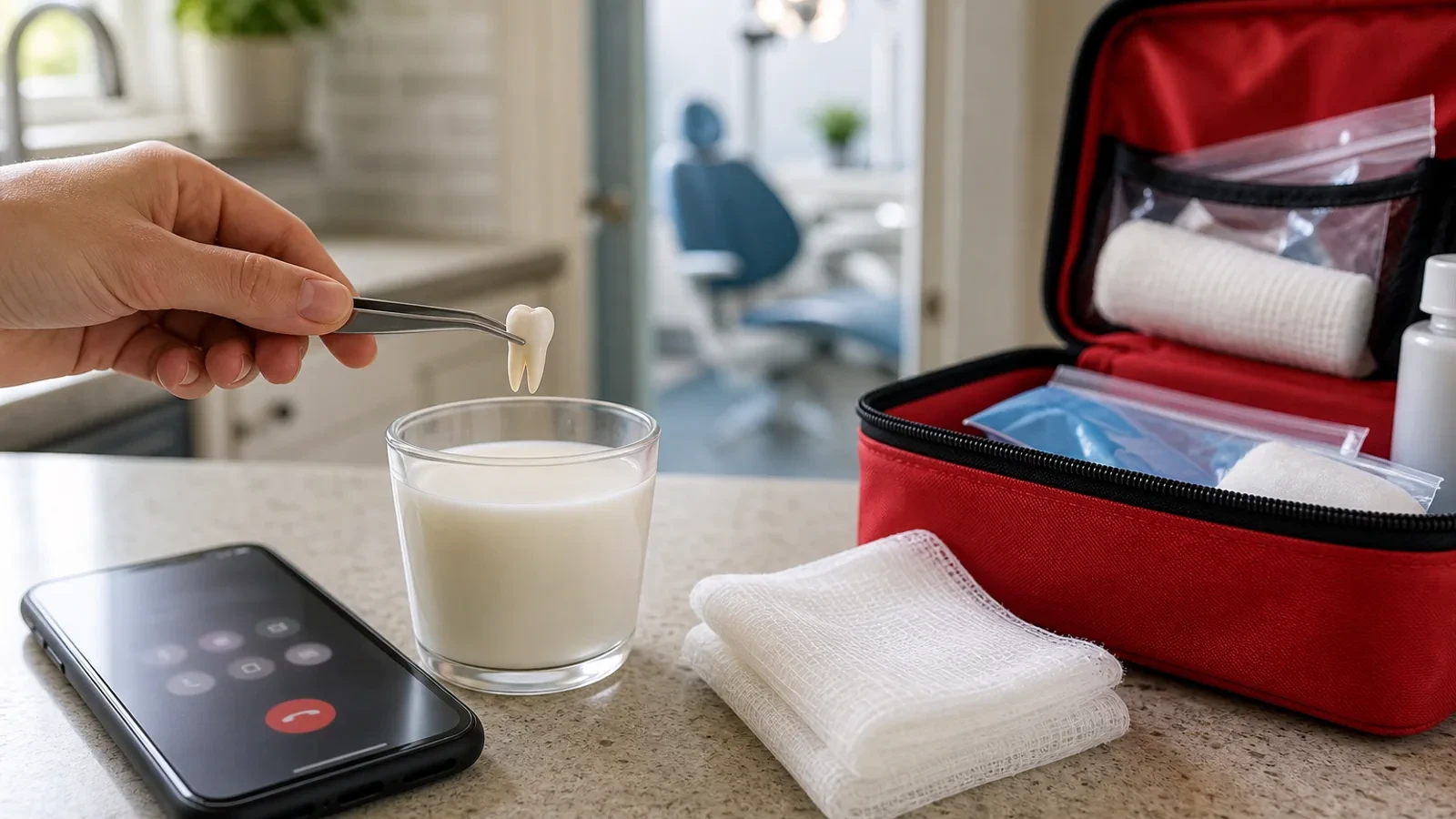
A knocked-out permanent tooth is a true dental emergency. The best chance of saving it comes from calm handling, moisture, and fast dental care. Touch only the crown, the white part normally visible in the mouth. Do not scrape, scrub, wrap the tooth in tissue, or let it dry on a counter. MouthHealthy gives similar first-aid guidance for knocked-out teeth and other dental emergencies, including the reminder to keep the tooth moist and call immediately.
First Five Minutes
- Find the tooth. Pick it up by the crown only.
- Rinse briefly if dirty. Use milk or clean water for a few seconds; do not scrub.
- Try gentle replacement. For an adult tooth, place it back in the socket if it slips in easily.
- If it will not seat, store it wet. Use milk, saliva, or a tooth-preservation kit.
- Call for emergency dental care. Say when the injury happened and whether the tooth is permanent.
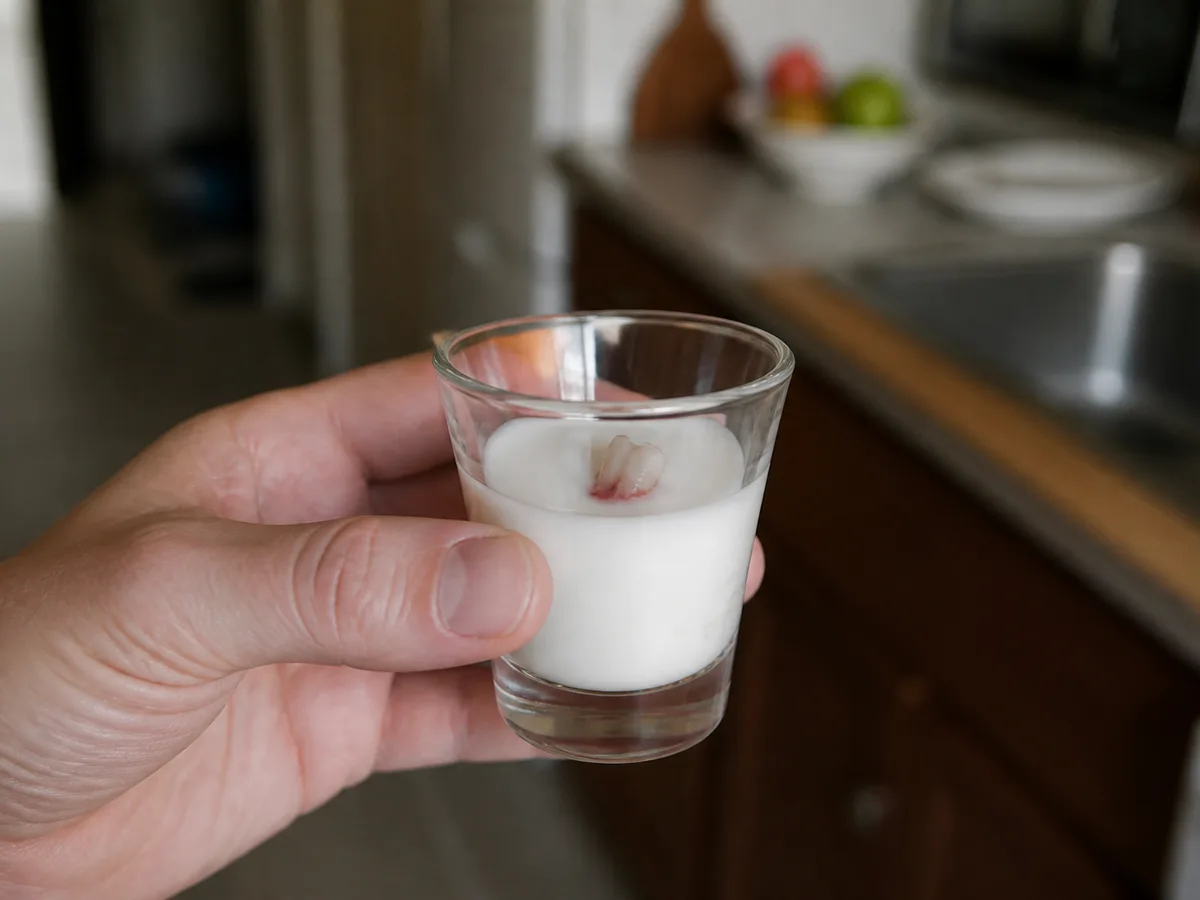 Moisture and gentle handling are the first treatment.
The root surface is fragile
The root is covered with delicate ligament cells that help a dentist replant the tooth. Drying, scrubbing, or disinfecting those cells can reduce the chance that the tooth heals back into place. If the injured person is alert and old enough not to swallow the tooth, holding it gently in the socket is often best. If that feels unsafe, milk is a practical backup while someone calls for care.
Baby Teeth Are Different
Do not place a knocked-out baby tooth back in the socket. Replanting a primary tooth can injure the developing permanent tooth underneath. A child still needs prompt evaluation for lip cuts, embedded fragments, jaw injury, and damage to neighboring teeth. If there was a fall, sports collision, loss of consciousness, vomiting, confusion, or trouble breathing, emergency medical care comes first, then dental follow-up.
Once you reach the dentist, expect an exam, X-rays, cleaning of the socket, and possibly a flexible splint that holds the tooth steady. A replanted permanent tooth often needs follow-up visits and may need root canal treatment later even when the first visit goes well. Keep every recheck; a quiet tooth can still have root or nerve changes that only show over time.
If the tooth was lost during sports or a fall, check the whole mouth before leaving the scene. Look for chipped neighboring teeth, cuts through the lip, loose orthodontic wires, and bite changes. A mouthguard, towel, or clean container can help protect the tooth during travel, but do not let searching for perfect supplies slow the call. The dental team can do more with an imperfectly stored tooth that arrives quickly than with a perfectly packed tooth that arrives hours later.
How To Choose The Next Call
For dental-only trauma, call a dentist and explain that a permanent tooth was avulsed. If you need a local option quickly, use find a dentist while another person keeps the tooth wet. For broader triage, read What Counts As A Dental Emergency?. If the tooth is cracked rather than out, see What Should You Do For A Cracked Tooth?. For facial impact or bite changes, When Is Jaw Pain A Dental Emergency? helps sort medical warning signs.
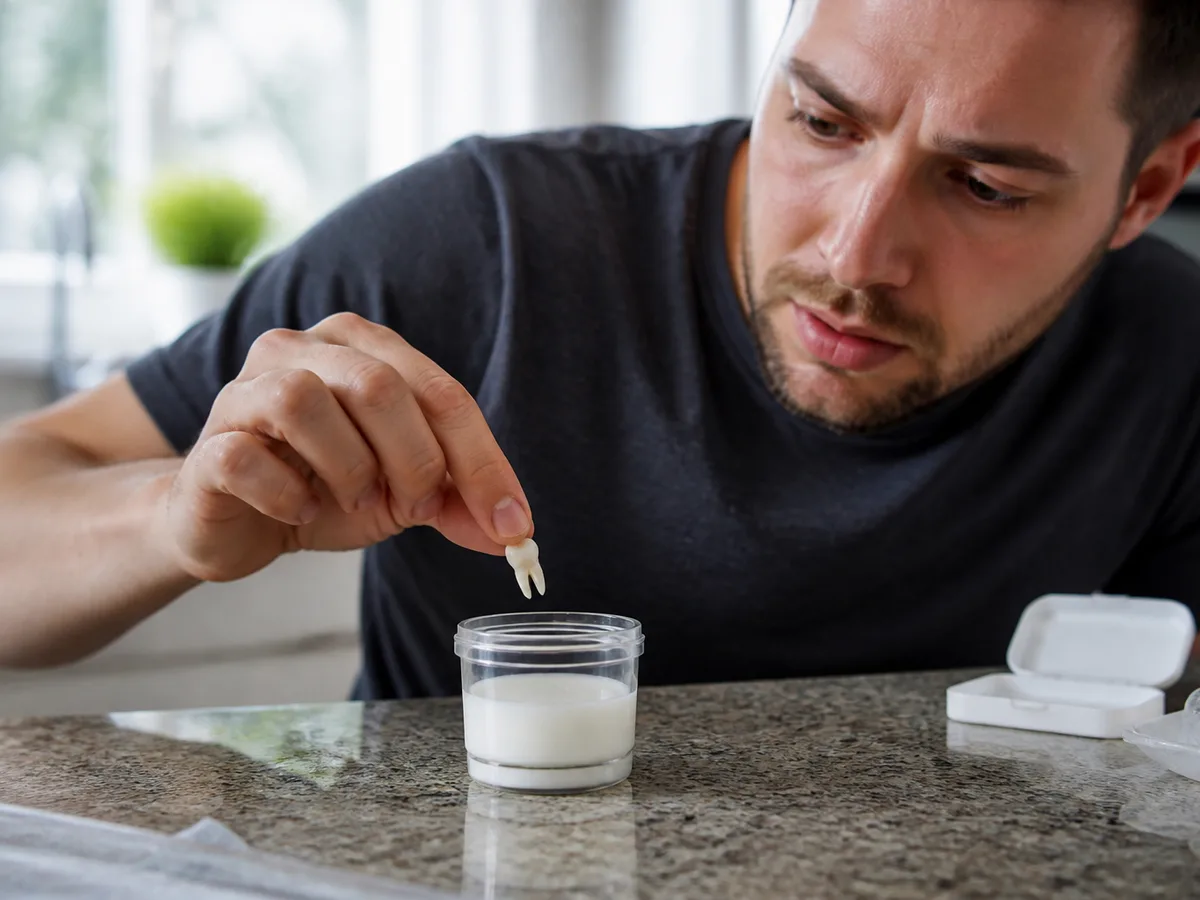
Fast care does not end at replanting
The first appointment is about saving the tooth and checking the injury. The later appointments decide whether the root is healing, the bite is safe, and the nerve needs treatment. Ask how long the splint should stay, what foods to avoid, how to brush around it, and which symptoms mean calling sooner. Written instructions matter because the mouth may feel calmer before the tooth is truly stable.
Practical Takeaway
A knocked-out permanent tooth should be handled like a time-sensitive injury, not a wait-and-see problem. Keep it moist, avoid root damage, and get dental help as quickly as possible.
Related articles
Keep exploring related topics from Dental Country.
What Counts As A Dental Emergency?
Not every dental problem needs the ER, but some should not wait for a routine appointment. Use symptoms, speed, and risk to triage the next step.
Read article
How Do You Stop A Toothache Until The Dentist?
Toothache first aid is about reducing irritation without masking danger. The goal is a calmer wait, not a home cure for decay or infection.
Read article
What Should You Do For A Cracked Tooth?
A cracked tooth often hurts in flashes, not constantly. Stop flexing it, protect the edge, and let a dentist identify how deep the crack runs.
Read article
What Should You Do If A Crown Falls Off?
A fallen crown is not just loose hardware. The tooth underneath may be sensitive, decayed, fractured, or ready to recement only after an exam.
Read article