
What Are Signs Of Dental Implant Failure?
Spot dental implant warning signs: pain, mobility, gum inflammation, bad taste, or bite changes. Learn what needs urgent care versus a prompt checkup.

Reviewed by Dr. Sean Myran, DMDDoctor of Dental Medicine, University of Pennsylvania
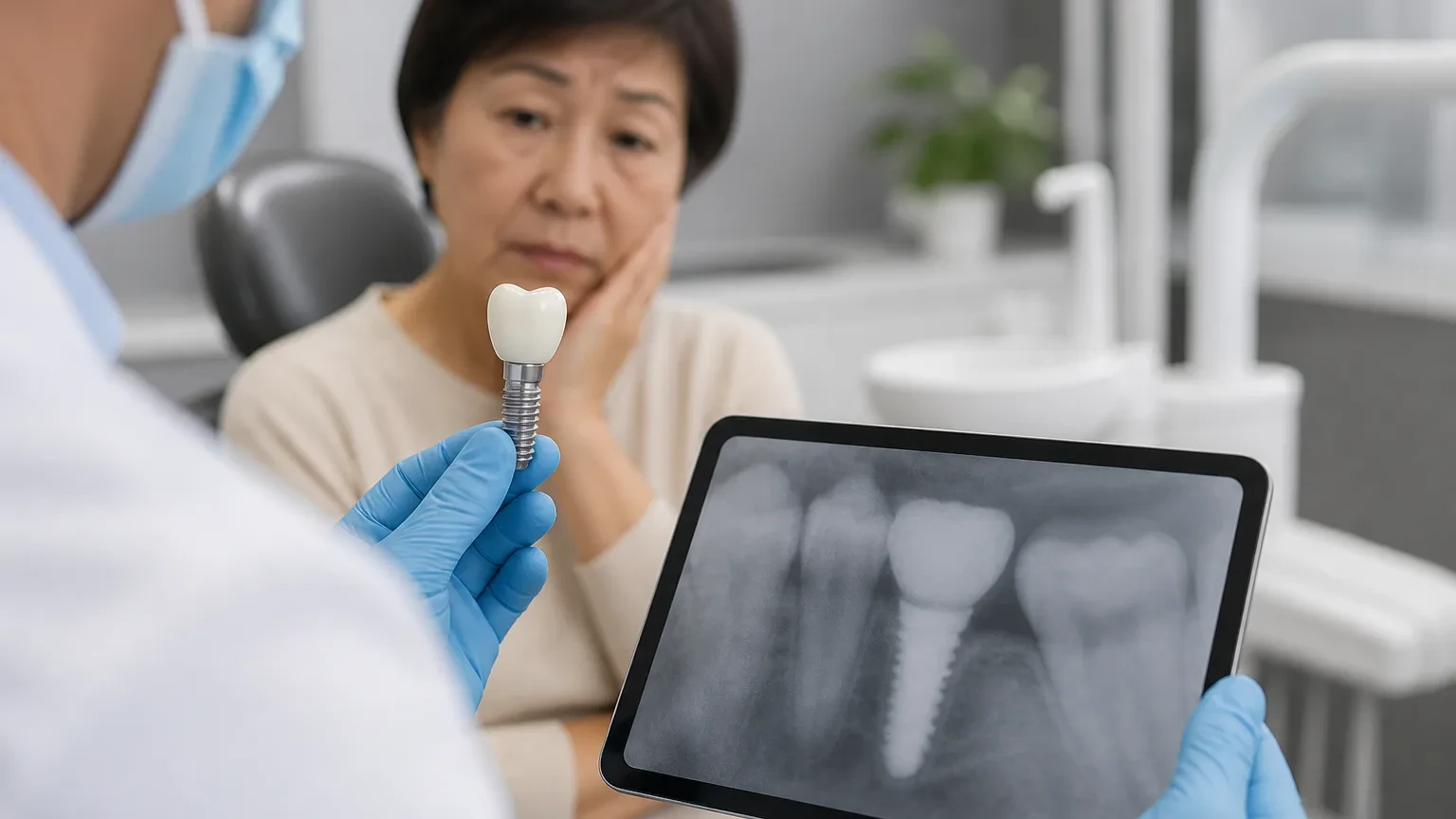
Dental implant failure is uncommon relative to how many implants are placed, but it is real. Problems can appear early (the implant never fully integrates) or years later (bone and gums break down around a previously stable fixture). Pain that escalates, movement of the implant or crown, persistent swelling, pus, a bad taste, gum recession that exposes metal, or a bite that suddenly feels high are all reasons to call your dentist promptly rather than waiting for a six-month cleaning.
Symptom Checklist
- Mobility: Any wiggle in the implant body is urgent; a loose crown screw can feel similar—do not self-diagnose.
- Pain pattern: Discomfort worsening after the first few healing days, or pain returning years later with chewing.
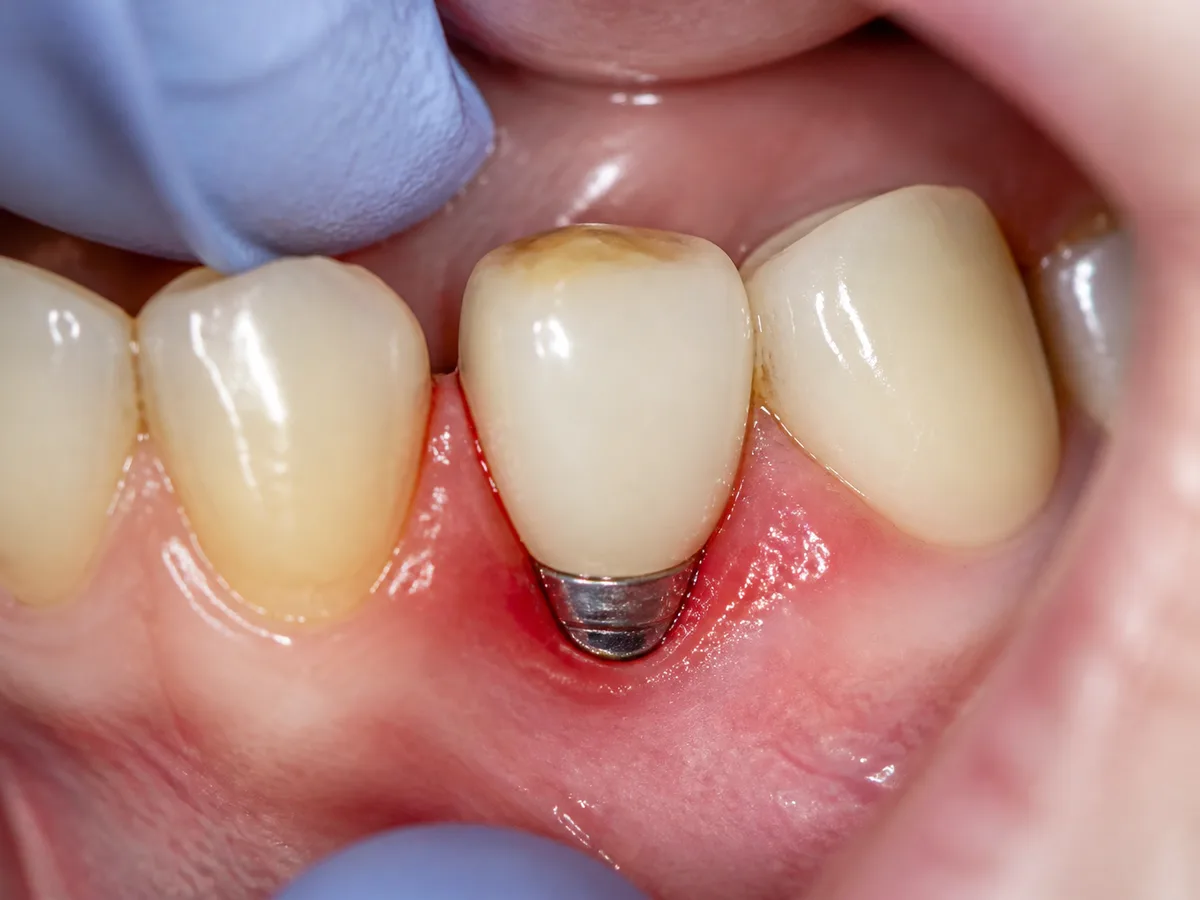
- Gum changes: Redness, swelling, bleeding on cleaning, or receding tissue around the collar.
- Discharge or taste: Pus, saltiness, or foul taste near the implant.
- Bite shifts: Crown feels tall, or you hit that tooth first.
- Fever or facial swelling: Treat as urgent, especially if spreading.
Early trouble is quieter than internet photos
Peri-implant mucositis (gum inflammation without major bone loss yet) can often be reversed with professional cleaning and sharper home care. Peri-implantitis involves bone loss and needs more assertive treatment. Catching the first category matters. The American Academy of Periodontology outlines implant-related periodontal concerns in patient language worth reading before you shrug off bleeding as “just sensitive.”
When To Seek Care
Same day / after hours: Rapid swelling, fever, difficulty swallowing or breathing, uncontrolled bleeding, or an implant that feels newly mobile after trauma. Within 24–48 hours: Persistent discharge, increasing pain, or a crown that came loose. At your next available visit: Mild occasional bleeding when cleaning that does not improve after a week of careful technique—still mention it; do not ignore a pattern.
Prevention overlaps with daily care—bookmark How Do You Care For Dental Implants? Smokers should also read Can Smokers Get Dental Implants? because risk stays elevated after placement. If you are still deciding whether implants fit you at all, start from Am I A Candidate For Dental Implants?
What the dentist may do next
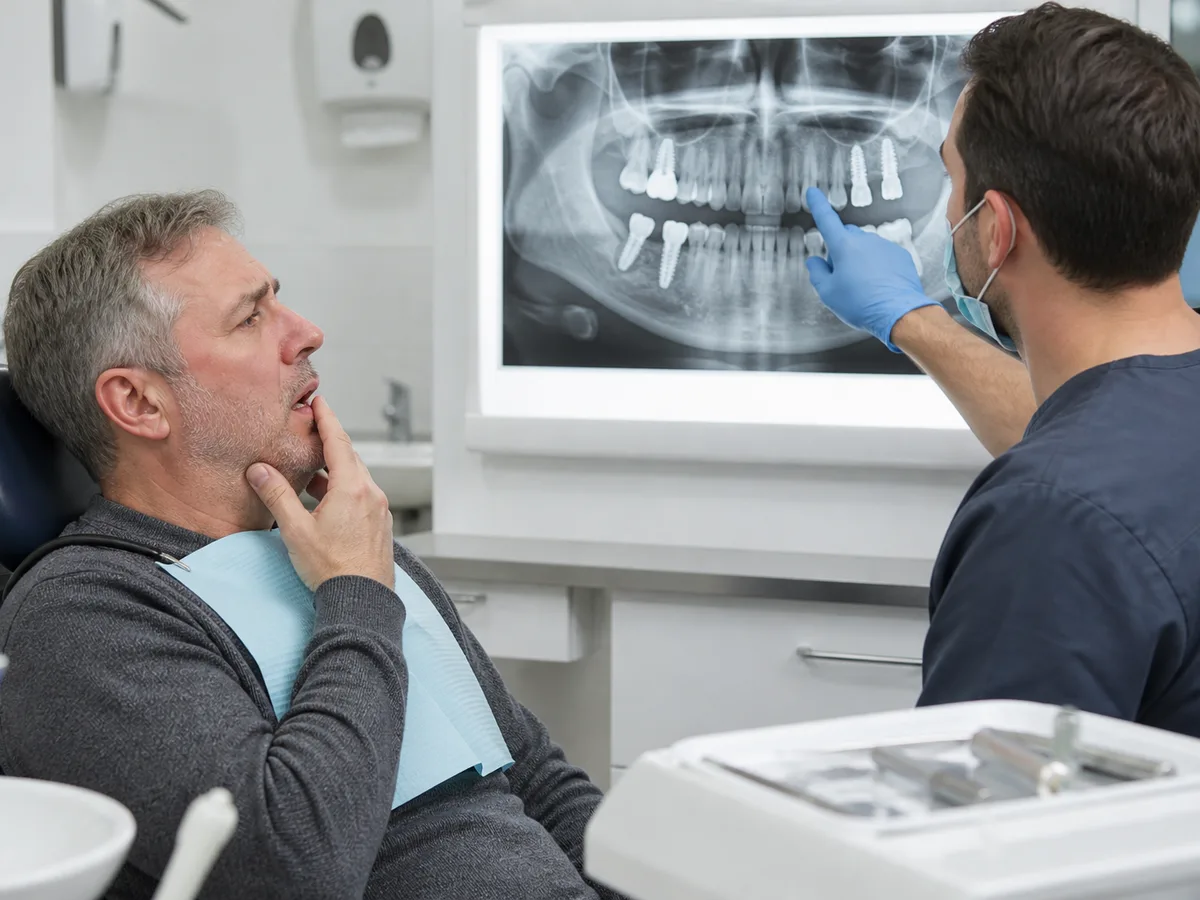
Expect an exam, gum measurements, and radiographs or a CBCT. Treatment ranges from deep cleaning and antibiotics to occlusal adjustment, surgical cleaning, grafting, or implant removal in severe cases. Removing a failed implant is disappointing—and sometimes the healthiest reset before a new plan. If you need help quickly, find a dentist familiar with implant complications, not only cosmetic placement.
Trauma And Accidents
A hit to the face from sports, a fall, or a car airbag can loosen components even when the bone was healthy yesterday. If the crown shifts after trauma, protect the area, avoid chewing there, and seek care the same day when possible. Save any pieces. Do not glue anything back with household adhesive.
Medical shifts matter too. New chemotherapy, anti-resorptive drugs, or poorly controlled blood sugar can change how tissues respond around an existing implant. Update your dentist when specialists change your medication list. Implants are not isolated from the rest of your health chart.
Photograph subtle gum changes in similar lighting once a month if you are prone to worry; trends help more than single angles. Share those photos at hygiene visits. Early documentation often turns a vague fear into a measurable pocket-depth conversation.
Write down questions between visits so small worries do not evaporate in the parking lot. Clear notes help your dentist adjust the plan while there is still flexibility, and they keep you from relying on memory during a numb or stressful appointment.
Do Not Wait For The Crown To Fall Off
By the time an implant is overtly loose, options narrow. Soft-tissue symptoms and bite changes are your early alarm system. Call while the problem is still a cleaning appointment instead of an explant surgery.
Related articles
Keep exploring related topics from Dental Country.
Am I A Candidate For Dental Implants?
Implant candidacy hinges on bone, gums, and overall health—not age alone. Here’s how dentists decide, and what that means before you commit.
Read article
How Long Do Dental Implants Last?
The implant post can last decades; crowns and hygiene decide how long the whole restoration feels “done.” Here’s what actually drives longevity.
Read article
Do Dental Implants Hurt?
Most people feel pressure during placement, not sharp pain—then a few days of soreness. Walk through what comfort usually feels like before, during, and after.
Read article
How Much Do Dental Implants Cost?
Implant pricing is a package, not a single sticker. Break down what you are buying—and the questions that keep quotes comparable.
Read article