
Am I A Candidate For Dental Implants?
See what dentists evaluate for implant candidacy: bone, gums, medical history, imaging, grafting needs, and when a bridge may fit better instead.

Reviewed by Dr. Sean Myran, DMDDoctor of Dental Medicine, University of Pennsylvania
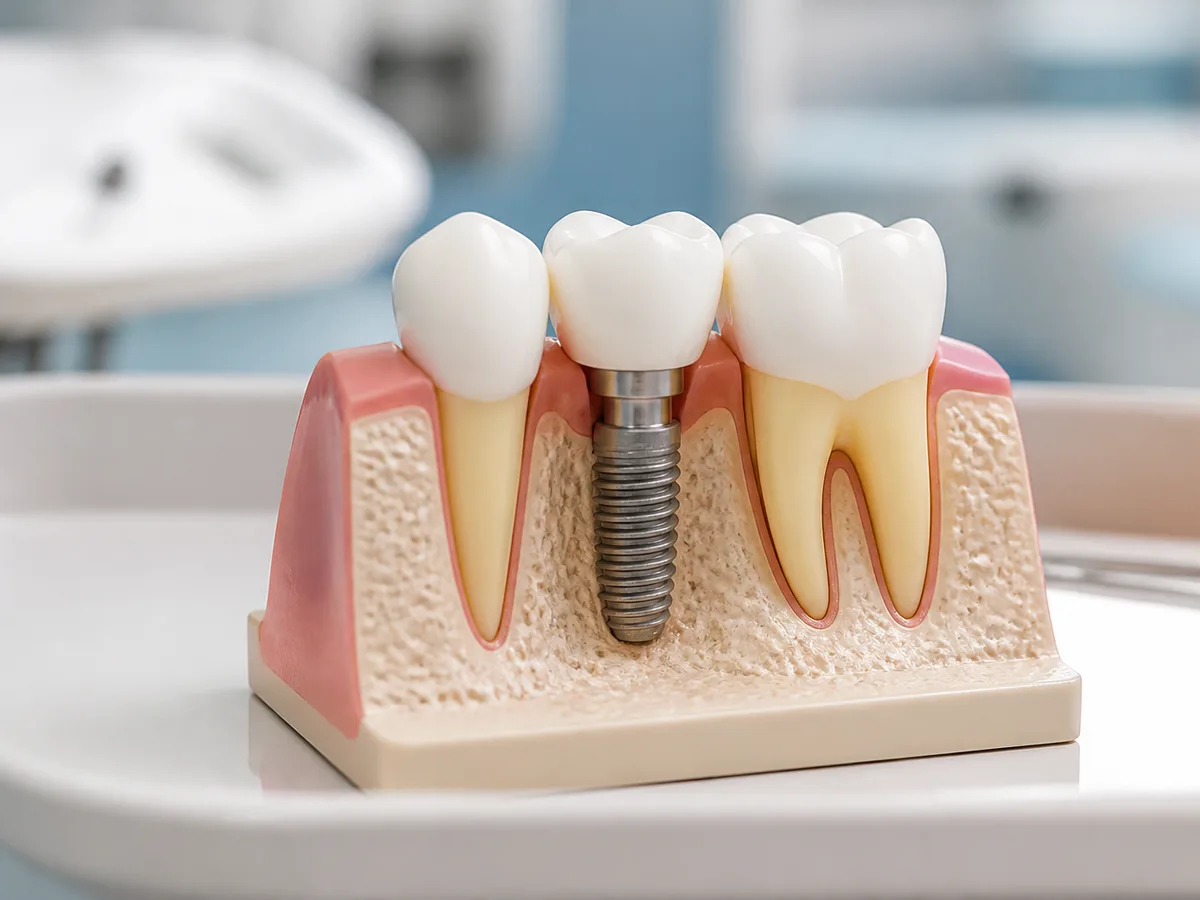
Most healthy adults missing one or more teeth can be considered for dental implants when the jaw can support a titanium or ceramic post—or can be rebuilt so it can. Age rarely rules someone out by itself. What matters is bone volume and quality, gum stability, bite forces, healing capacity, and whether medical conditions and medications are under reasonable control. Mayo Clinic notes that dental implant surgery is planned in stages, so candidacy is confirmed with an exam and imaging, not a quiz.
What Your Dentist Is Really Checking
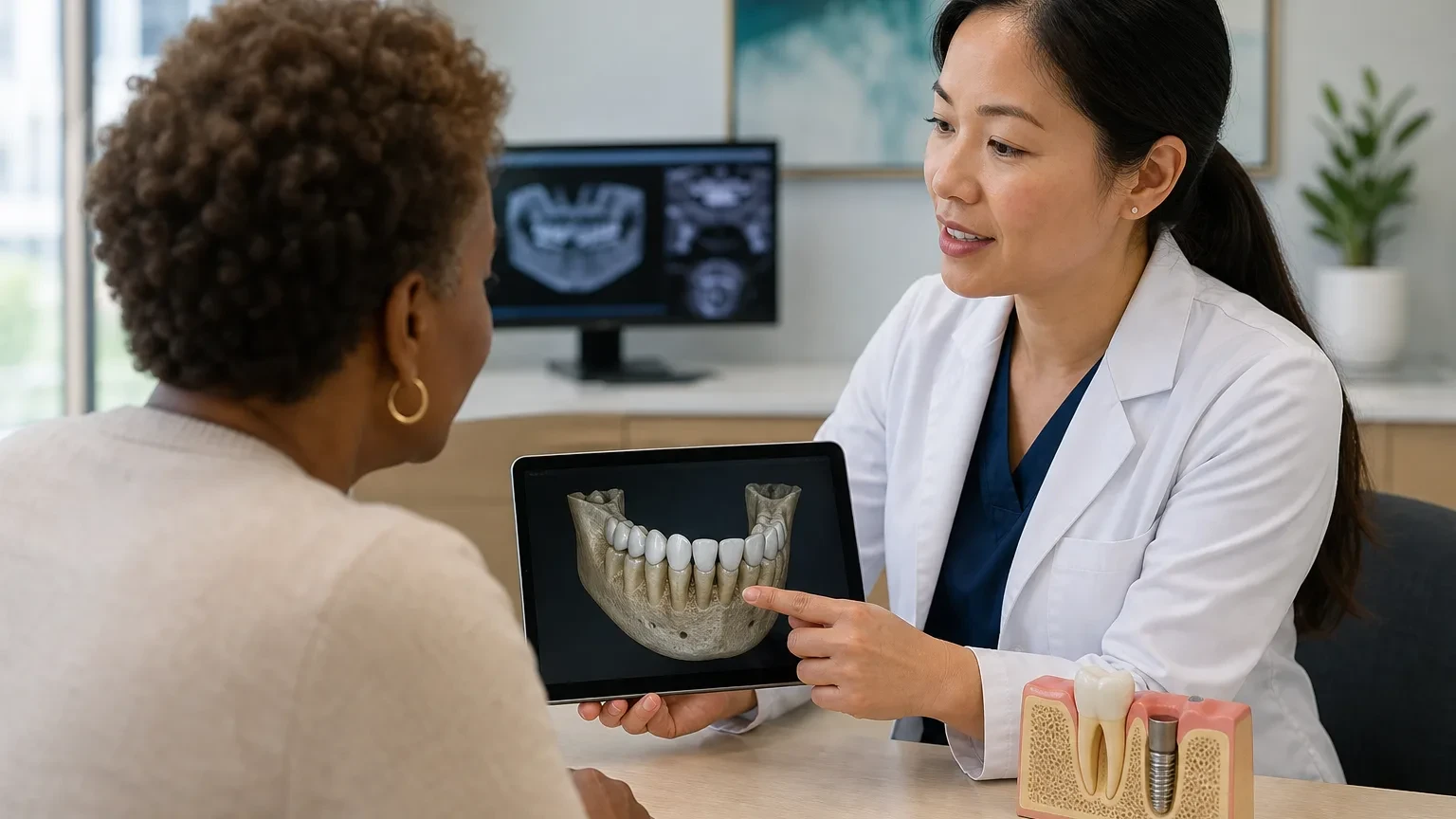
Think of the visit as two linked questions: Can we place a stable foundation in bone, and can we restore a tooth you can clean and chew with for years? Providers typically review your medical history and medications, probe the gums, study neighboring teeth, and order imaging—often a CBCT scan—to map bone, nerves, and sinuses. Active periodontal disease, untreated infection, poorly controlled diabetes, certain bone-related drugs, head-and-neck radiation, and heavy smoking raise risk. Those factors may delay implants, change the sequence, or point you toward a bridge or partial instead.
 Imaging turns a brochure promise into a site-specific plan.
Bone, gums, and the scan have to agree
Thin ridges after long-term tooth loss are common. That does not automatically end the conversation—it often starts a grafting discussion. Your provider should show you what the scan shows in plain language: where bone is thick enough today, where a graft or sinus lift might help, and where anatomy (nerve canals, sinus floor) limits angulation. Ask which finding is the real gatekeeper in your case so you are not surprised later by a “simple” plan that grows more complex after imaging.
A Practical Candidacy Checklist
- Bone: Enough height and width now, or a realistic graft plan first.
- Gums: Inflammation and infection controlled before elective placement.
- Health: Conditions and meds reviewed with your physician when needed.
- Habits: Smoking, grinding, and plaque control factored into risk.
- Restoration space: Room for a crown or denture you can clean daily.
- Alternatives: Bridge or removable options compared on the same visit.
If bone is the issue, read What Is A Dental Implant Bone Graft? before you assume implants are off the table. If you smoke, Can Smokers Get Dental Implants? explains how nicotine changes healing expectations. Cost planning belongs in the same conversation—see How Much Do Dental Implants Cost? so timeline and budget stay linked.
Leave with a sequence, not just a yes or no
A useful consult ends with a clear next step: proceed, prepare (treat gums, adjust habits, graft), or choose another restoration. You should know the order of appointments, what could delay surgery, and how the final tooth will be maintained. If you want that advice applied to your own mouth, find a dentist who places or restores implants regularly and bring a current medication list to the visit.
Questions Worth Asking At The Consult
Bring a short list so the visit does not blur into polite nods. Ask whether your bone is adequate today or only after grafting. Ask how gum inflammation would change timing. Ask whether your physician needs to weigh in on medications that affect bone healing. Ask what temporary tooth, if any, you would wear during integration. Finally, ask how often implants from this office are radiographed after the crown is delivered. Those answers tell you whether the practice thinks in decades or only in surgery days.
Patients who feel rushed often skip the alternative conversation. Insist on hearing how a bridge or partial would perform in your specific gap, including cleaning demands and what happens to the teeth next door. A confident implant recommendation should survive that comparison without defensiveness. If the only pitch is urgency, slow down and get a second opinion before you schedule.
Documentation helps later. Request a written outline of stages, estimated months between them, and which fees are locked versus contingent on grafting. Keep copies of imaging reports. When you compare another office, you will spend less time re-explaining your anatomy and more time judging communication quality.
When Another Option May Fit Better
Implants are excellent when the foundation and maintenance plan line up. They are not the only honest answer. A fixed bridge can replace a tooth without surgery in bone. A partial denture can be kinder to budget or medical risk. The goal is a stable, cleanable bite—not a specific product name. Ask your provider to rank options by longevity, maintenance, and what happens if something fails years from now.
Related articles
Keep exploring related topics from Dental Country.
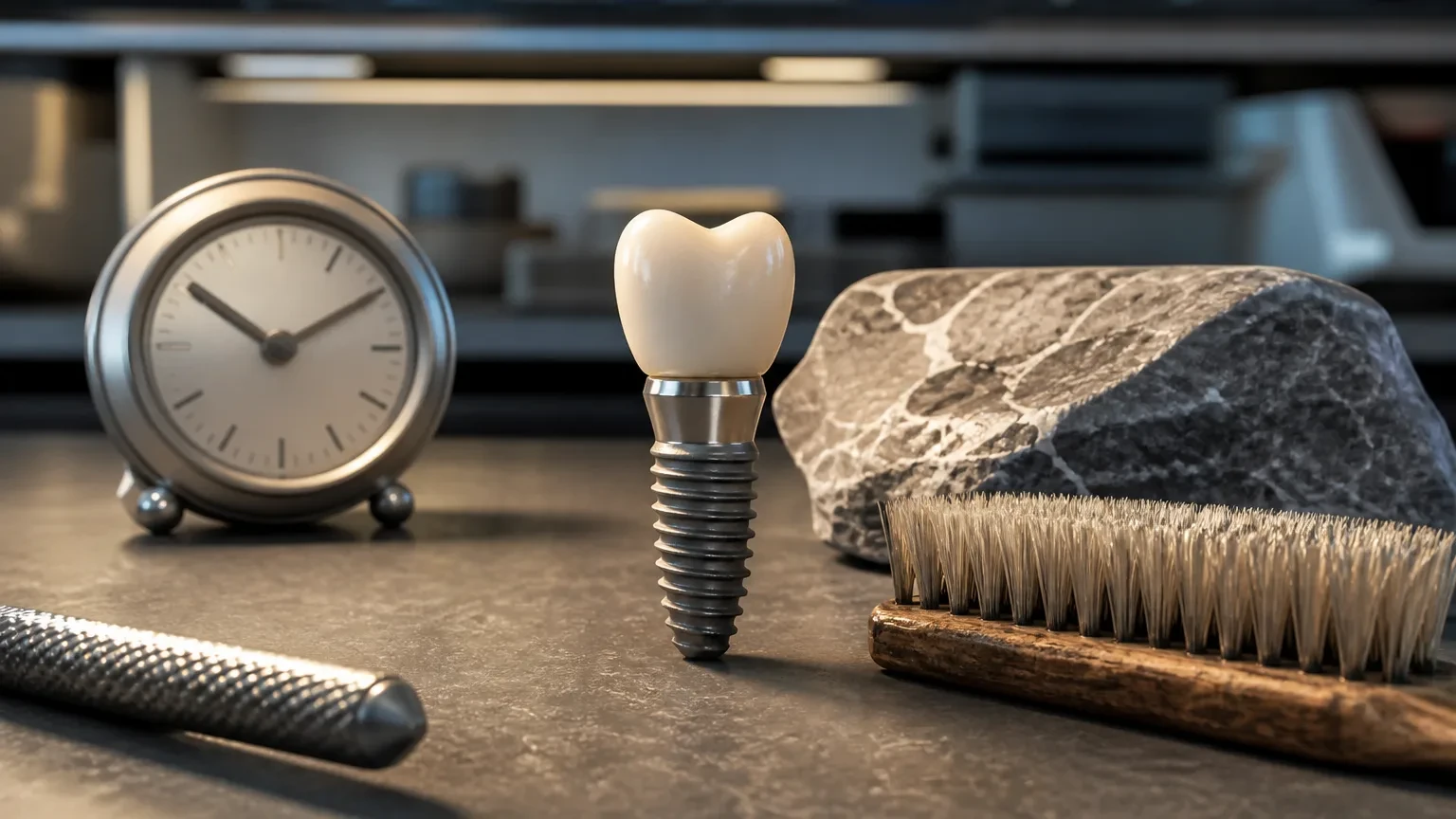
How Long Do Dental Implants Last?
The implant post can last decades; crowns and hygiene decide how long the whole restoration feels “done.” Here’s what actually drives longevity.
Read article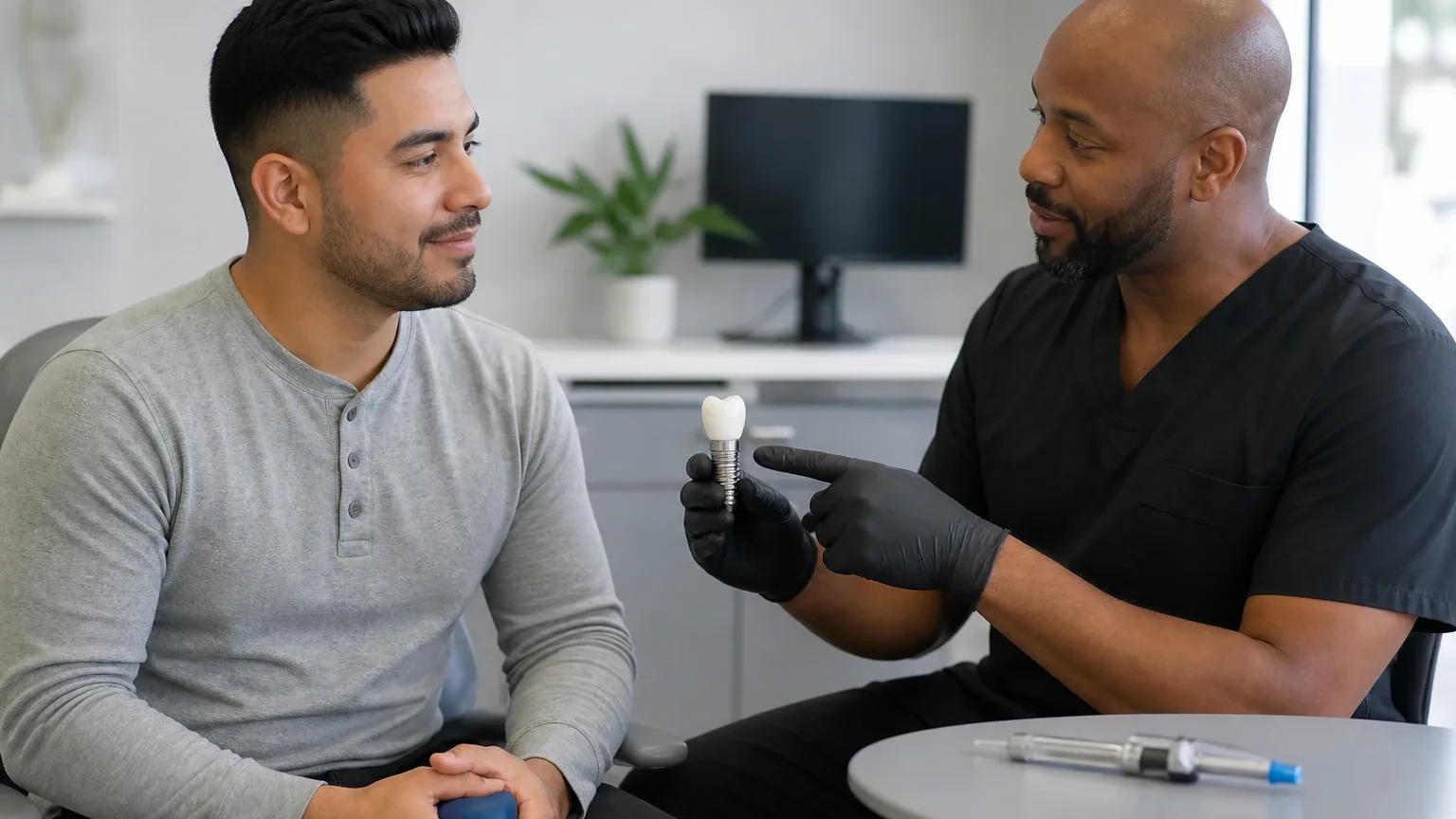
Do Dental Implants Hurt?
Most people feel pressure during placement, not sharp pain—then a few days of soreness. Walk through what comfort usually feels like before, during, and after.
Read article
How Much Do Dental Implants Cost?
Implant pricing is a package, not a single sticker. Break down what you are buying—and the questions that keep quotes comparable.
Read article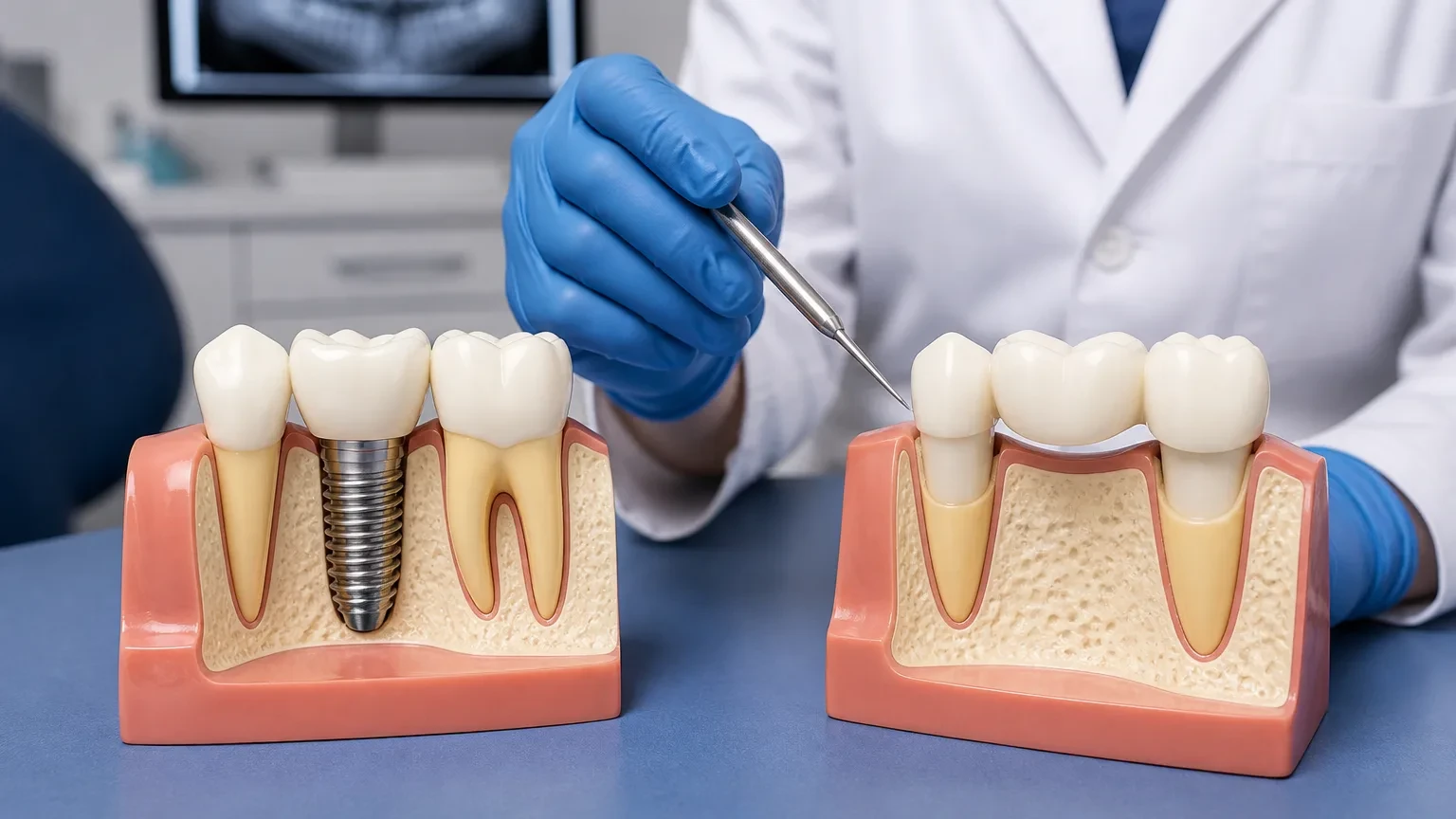
Dental Implant Vs Bridge: Which Is Better?
Neither option wins for every smile. Use this side-by-side look at implants versus bridges to match the fix to your tooth, bone, and maintenance style.
Read article