
How Long Do Dental Implants Last?
Dental implants can last decades with healthy bone and home care. Learn what usually lasts, what wears first, and habits that shorten implant life.

Reviewed by Dr. Sean Myran, DMDDoctor of Dental Medicine, University of Pennsylvania
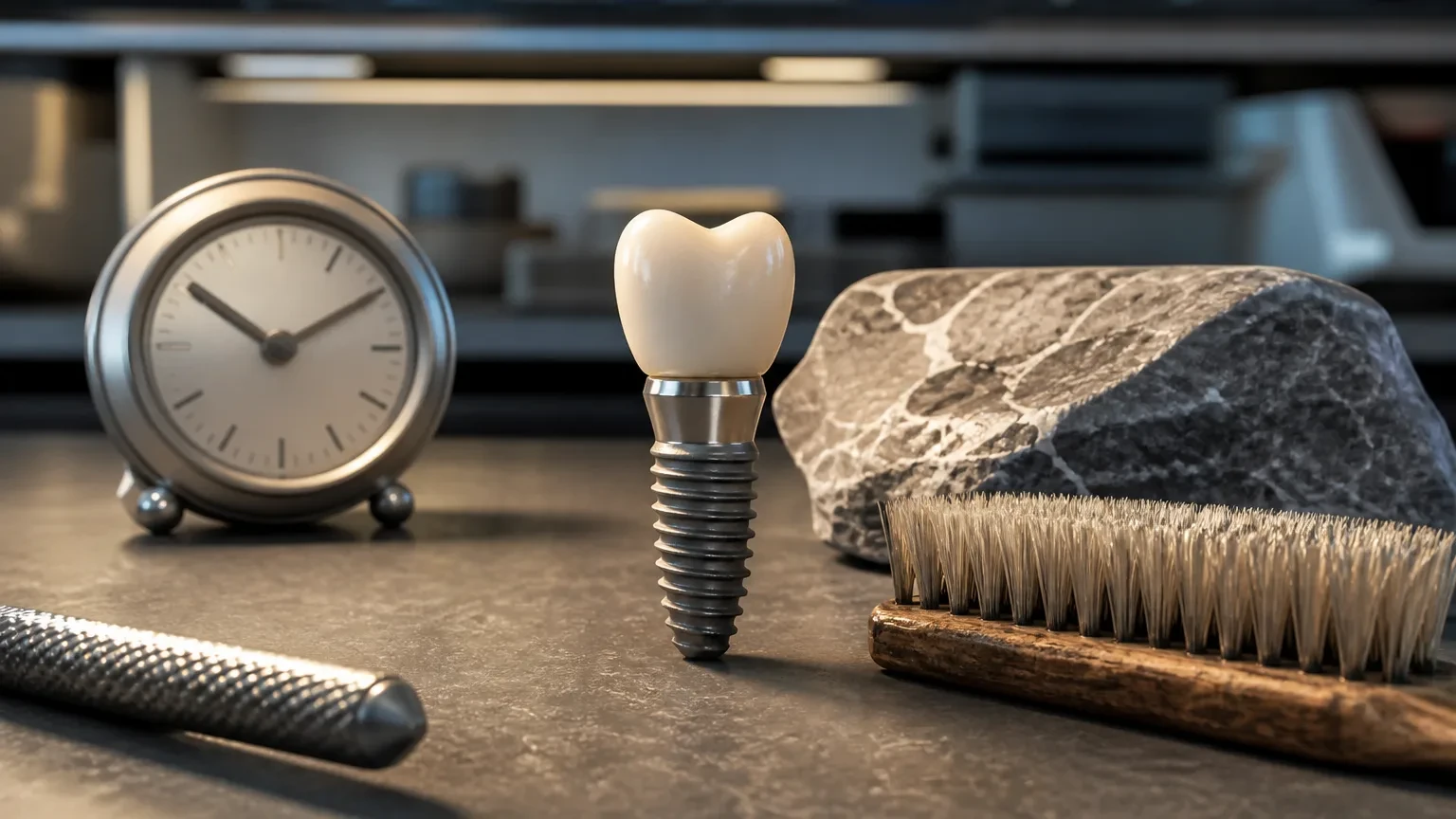
A well-integrated dental implant post can function for decades, and many patients keep implants for 20 years or more when bone, gums, and daily cleaning stay healthy. The crown, abutment screw, or denture teeth attached on top may need repair or replacement sooner—often in the 10-to-15-year range depending on material, bite force, and wear. Longevity is a partnership between surgical stability and the habits that protect the gum seal around the implant.
Myths Vs Facts About Implant Lifespan
- Myth: “Implants are permanent, so I can ignore them.” Fact: Implants need brushing, interdental cleaning, and professional maintenance like natural teeth—sometimes more carefully around the gum collar.
- Myth: “If the crown chips, the implant failed.” Fact: Crowns and denture teeth are wear parts. The post can remain healthy while the visible tooth is remade.
- Myth: “Titanium lasts forever in every mouth.” Fact: Peri-implant inflammation, smoking, uncontrolled grinding, and poor plaque control can threaten the bone that holds the implant.
- Myth: “Once it feels fine at six months, you’re set for life.” Fact: Problems can appear years later; routine exams catch them early.
The gum seal is the long game
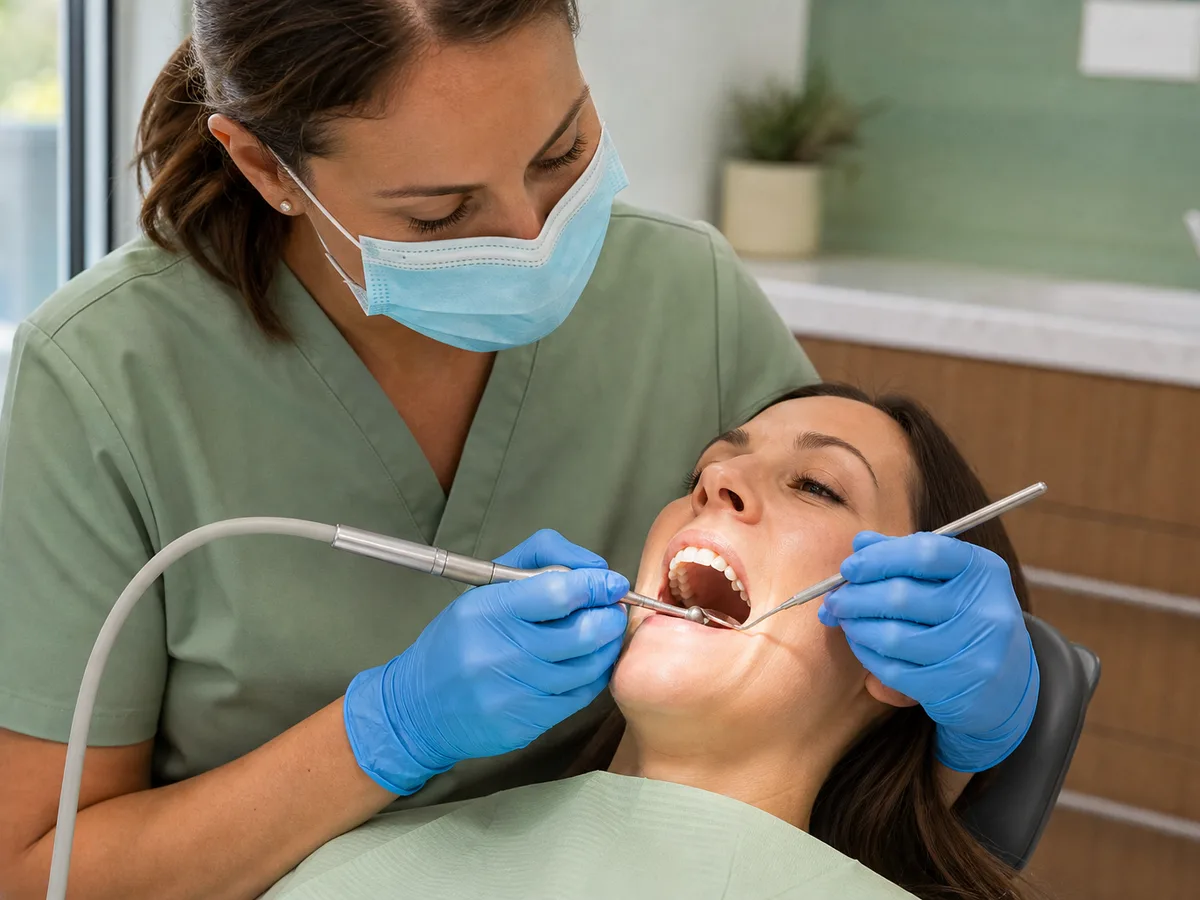
Bone loss around an implant is usually quiet at first. Bleeding when you clean, a bad taste, or a crown that feels taller can be early warnings. The American Academy of Periodontology discusses implant procedures and the need for healthy supporting tissues. Keeping that tissue calm is how “decades” becomes a realistic expectation instead of a marketing line.
What Usually Wears Out First
Porcelain or zirconia crowns can chip under heavy grinding. Acrylic teeth on implant dentures wear against food and opposing enamel. Screws can loosen. None of those automatically means the implant in bone has failed—but ignoring them can overload the foundation. Night guards, bite adjustments, and timely crown repairs protect the expensive part you cannot see.
If you are comparing timelines with other restorations, Dental Implant Vs Bridge: Which Is Better? puts longevity next to maintenance tradeoffs. For daily habits that protect the investment, see How Do You Care For Dental Implants? And if something feels wrong years later, What Are Signs Of Dental Implant Failure? covers warning signs worth a same-week call.

Habits that buy you years
Non-smokers with steady plaque control and regular hygiene visits stack the odds in their favor. Manage grinding. Treat gum inflammation early. Show up for radiographic checks when your dentist recommends them. If you need a practice that will track implants over time—not only place them—find a dentist and ask how often they re-evaluate implant bone levels after the crown is delivered.
Numbers You Will Hear—And How To Interpret Them
Survival rates quoted in studies often describe whether the implant remains in bone, not whether the first crown is still pristine. That distinction matters when a friend says their implant “failed” after a porcelain chip. Ask your dentist which statistic they mean. A crown remake is maintenance. Progressive bone loss with bleeding is disease. Treating those as identical creates unnecessary panic—or false calm.
Material choices influence the visible tooth more than the titanium in bone. Zirconia and porcelain-fused options wear differently against opposing enamel or an implant on the other arch. If you already clench, talk about night protection before the final shade appointment, not after the first fracture. Small planning choices at delivery show up as years gained later.
Travel and life changes interrupt care. If you move, take your implant brand and lot information with you when possible so another dentist can service components. Orphaned implants without records are harder to restore cleanly. Longevity includes paperwork, not only brushing.
A Realistic Way To Think About “How Long”
Ask for two numbers at your consult: expected lifespan of the implant in bone with good care, and expected lifespan of the crown or denture teeth before a remake is common. That framing avoids disappointment when a visible tooth needs work while the foundation is still solid. Longevity is less a guarantee and more a maintenance plan you agree to keep.
Related articles
Keep exploring related topics from Dental Country.
Am I A Candidate For Dental Implants?
Implant candidacy hinges on bone, gums, and overall health—not age alone. Here’s how dentists decide, and what that means before you commit.
Read article
Do Dental Implants Hurt?
Most people feel pressure during placement, not sharp pain—then a few days of soreness. Walk through what comfort usually feels like before, during, and after.
Read article
How Much Do Dental Implants Cost?
Implant pricing is a package, not a single sticker. Break down what you are buying—and the questions that keep quotes comparable.
Read article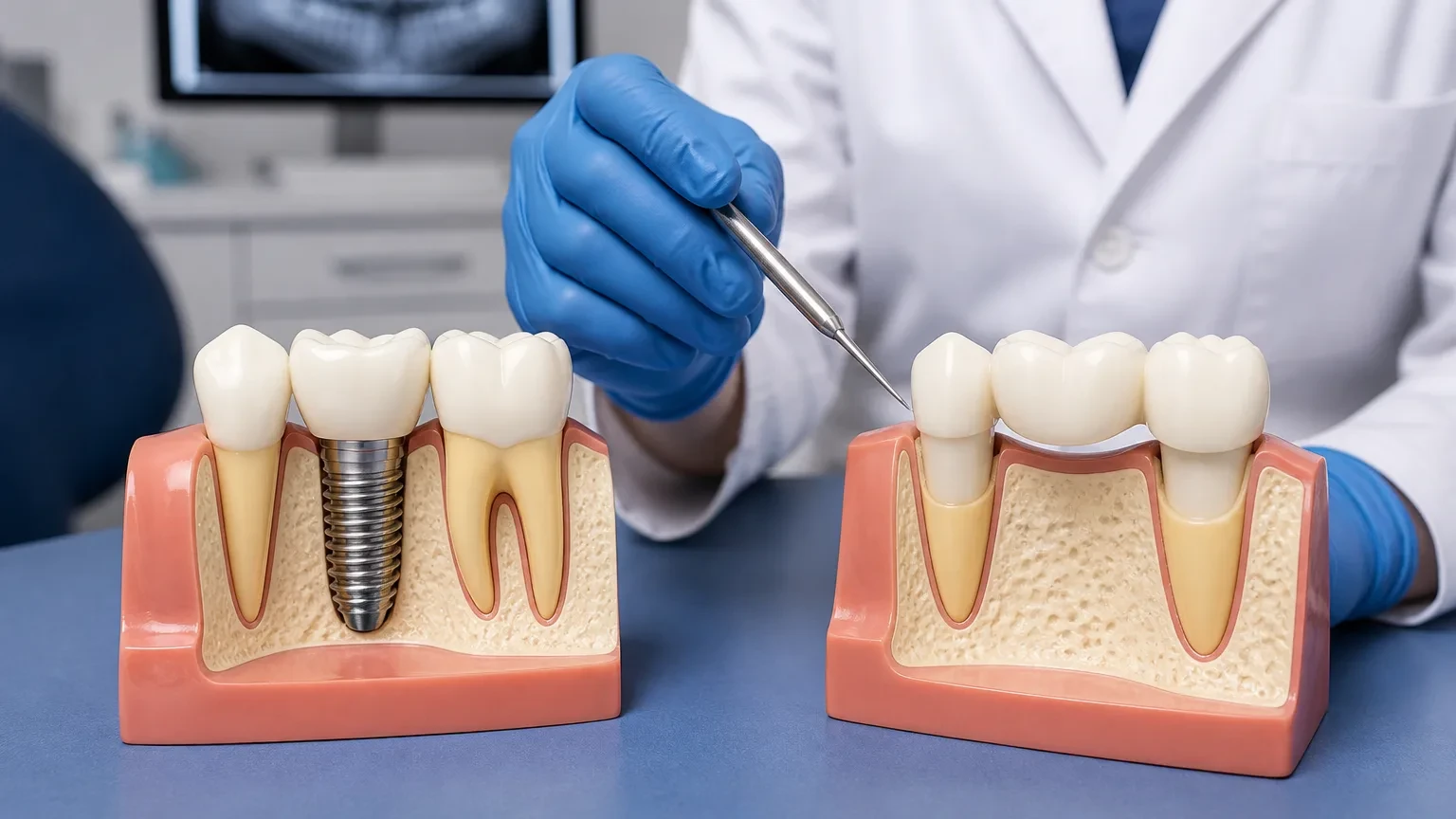
Dental Implant Vs Bridge: Which Is Better?
Neither option wins for every smile. Use this side-by-side look at implants versus bridges to match the fix to your tooth, bone, and maintenance style.
Read article