
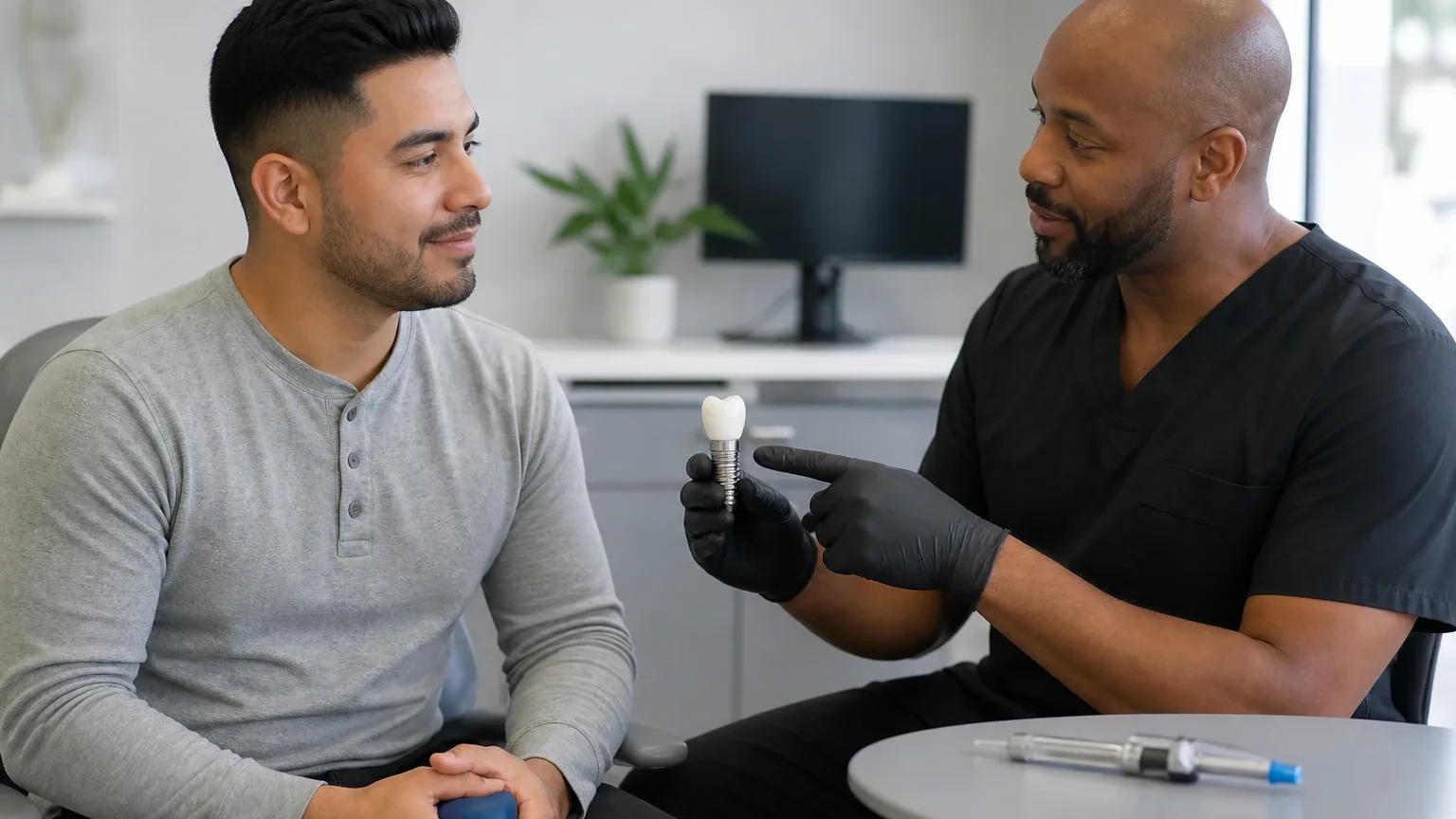
Do Dental Implants Hurt?
Implant surgery uses local anesthesia for most patients. Expect pressure during placement and a few days of soreness—here is a realistic comfort timeline.

Reviewed by Dr. Sean Myran, DMDDoctor of Dental Medicine, University of Pennsylvania
Dental implant placement is typically performed with local anesthesia, so you should not feel sharp pain while the site is numb. You may feel pressure, vibration, or tapping as the implant is seated. Afterward, mild to moderate soreness, swelling, and bruising for a few days are common—closer to a tooth extraction than to an open wound that keeps you awake for weeks. Sedation options exist if anxiety is high; ask what your office offers before the day of surgery.
Comfort Timeline Many Patients Describe
- Surgery day: Numbness during the procedure; tingling as anesthetic fades; start prescribed or recommended pain control before it fully wears off if your dentist advises it.
- Days 1–3: Peak swelling and tenderness; soft foods; cold packs early, then gentle warmth if recommended; sleep with your head slightly elevated.
- Days 4–7: Steady improvement for straightforward single implants; residual stiffness when chewing on that side.
- Weeks 2+: Most daily discomfort fades while deeper bone healing continues quietly for months.

Pressure during surgery, soreness after
The part people fear—drilling in bone—happens under anesthesia. The part you remember is usually the ache afterward, which responds to the same playbook used after extractions teeth: rest, soft diet, careful rinsing when cleared to do so, and medication as directed. The American Association of Oral and Maxillofacial Surgeons frames implant surgery as a standard oral surgical procedure; your comfort plan should be just as specific as the surgical plan.
What Makes One Case Feel Harder Than Another
A single implant in dense bone with no graft is often a shorter, milder recovery than multiple implants, immediate placement after extraction, or surgery that includes a sinus lift. Bone grafting adds its own swelling. If you grind your teeth, the healing site can feel irritated until a temporary solution protects it. Smoking slows soft-tissue calm-down and is worth pausing around surgery when you can.
Healing length is a separate question from pain—see How Long Does Dental Implant Healing Take? If grafting is part of your plan, What Is A Dental Implant Bone Graft? explains why that stage can feel more swollen. For the “is this normal?” worry later on, keep What Are Signs Of Dental Implant Failure? bookmarked rather than guessing from internet photos.

Call sooner when pain breaks the pattern
Pain that worsens after day three, fever, foul taste, or swelling that spreads toward the eye or neck is not “tough it out” territory—contact the office. Severe throbbing that medication cannot touch deserves the same urgency. A clear after-hours number should be on your discharge sheet. If you still need a provider who will walk you through anesthesia and recovery options in advance, find a dentist and ask specifically how they manage implant discomfort.
Medication And Swelling Tips That Actually Help
Follow the regimen your surgeon wrote down, not a generic blog stack of supplements. If ibuprofen or acetaminophen is recommended, timing beats heroic single doses. Some patients receive a short steroid course to limit swelling; others do not. Ice in the first day is classic; switching to gentle heat later is only wise if your instructions say so. Saltwater rinses usually wait until you are cleared to disturb the clot area.
Food texture matters more than calorie tracking for a few days. Cool yogurt, scrambled eggs, lukewarm soups, and soft fish beat chips and crusty bread. Chew on the opposite side. Avoid drinking through straws if your surgeon is protecting a clot near an extraction site. Hydration helps you feel human even when chewing is awkward.
Work and childcare planning saves stress. Many people return to desk work the next day after a single implant; physically demanding jobs may need more buffer. If you arranged sedation, you will need a ride and a quiet afternoon. Build that into the calendar so pain is not confused with logistical exhaustion.
Anxiety Is Part Of The Pain Story
Fear can make pressure feel like pain. Ask whether you can visit the operatory beforehand, use nitrous oxide, oral sedation, or IV sedation, and bring headphones. Knowing the numbness check, the expected length of the appointment, and who to text afterward often lowers the volume on everything you feel that day.
Related articles
Keep exploring related topics from Dental Country.
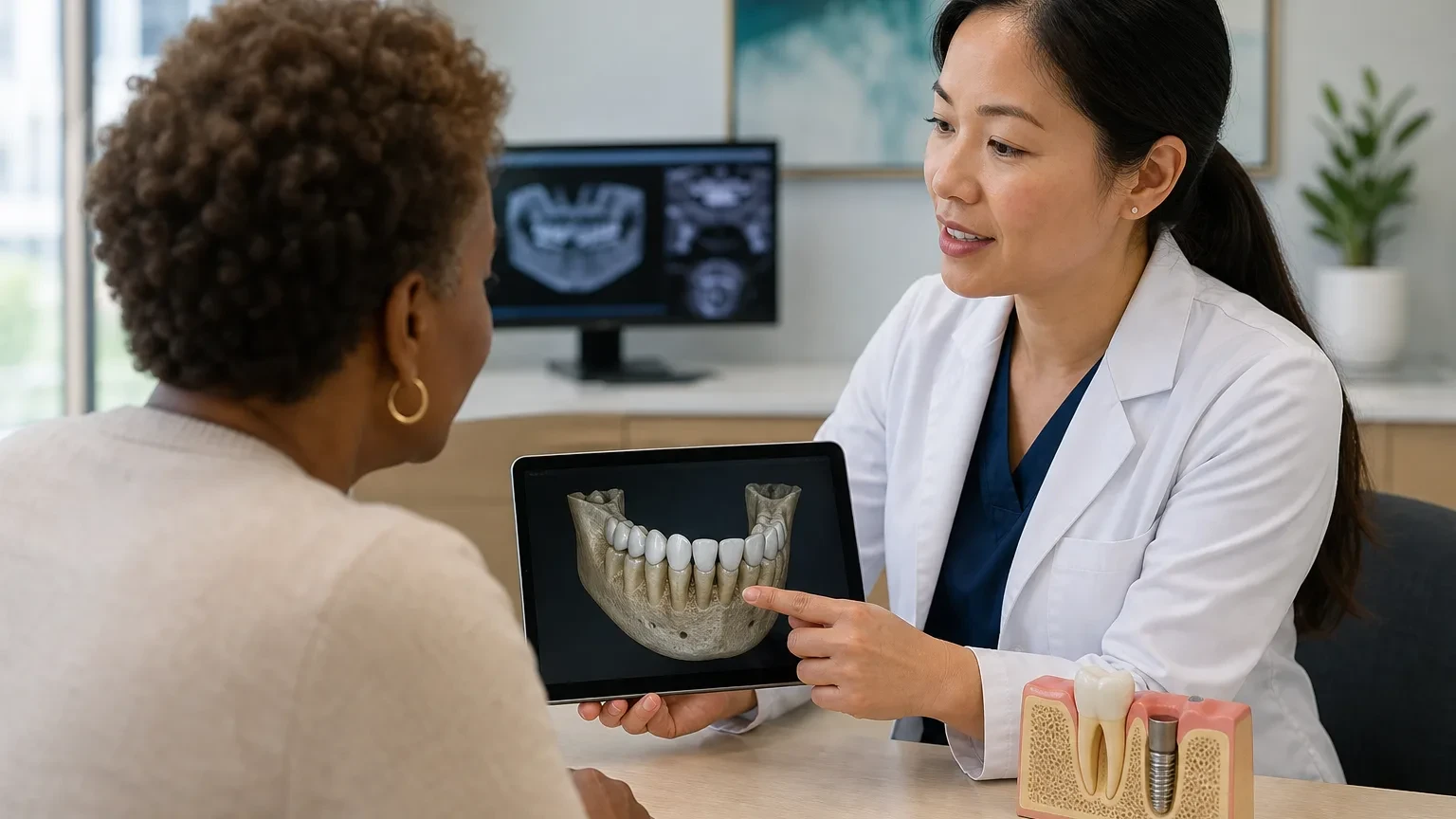
Am I A Candidate For Dental Implants?
Implant candidacy hinges on bone, gums, and overall health—not age alone. Here’s how dentists decide, and what that means before you commit.
Read article
How Long Do Dental Implants Last?
The implant post can last decades; crowns and hygiene decide how long the whole restoration feels “done.” Here’s what actually drives longevity.
Read article
How Much Do Dental Implants Cost?
Implant pricing is a package, not a single sticker. Break down what you are buying—and the questions that keep quotes comparable.
Read article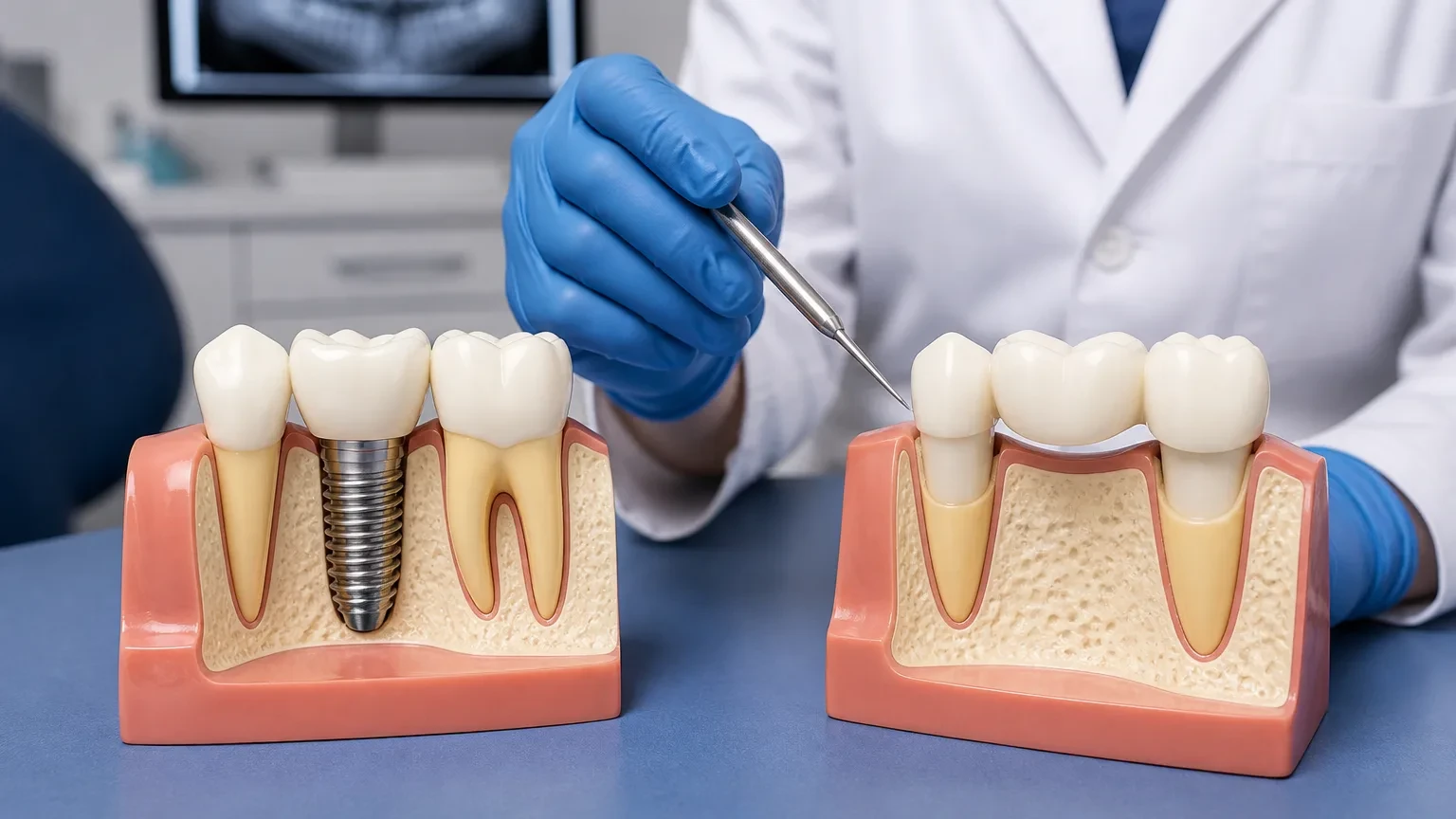
Dental Implant Vs Bridge: Which Is Better?
Neither option wins for every smile. Use this side-by-side look at implants versus bridges to match the fix to your tooth, bone, and maintenance style.
Read article