

How Long Does Dental Implant Healing Take?
Dental implant healing often takes 3–6 months for osseointegration, longer with grafts. Follow the typical timeline from placement to the final crown.

Reviewed by Dr. Sean Myran, DMDDoctor of Dental Medicine, University of Pennsylvania
Soft tissues around a dental implant often feel presentable within one to two weeks, but the deeper process—osseointegration, when bone bonds to the implant surface—commonly takes about three to six months for a straightforward case. Grafts, sinus lifts, immediate placement after extraction, or softer bone can stretch that window. Your dentist clears the final crown based on clinical stability and, when needed, follow-up imaging—not on a calendar app alone.
Stage-By-Stage Timeline
- Planning (days to a few weeks): Exam, records, CBCT, medical clearance when indicated.
- Site preparation (0–several months): Extraction healing and/or bone grafting if the ridge needs volume.
- Implant placement (surgery day): Post seated in bone; temporary tooth may or may not be attached.
- Osseointegration (often 3–6 months): Bone matures against the implant; you may wear a flipper, essix, or stay with a gap temporarily.
- Abutment and final tooth (weeks): Soft-tissue shaping, impressions or scans, then crown, bridge, or denture delivery.
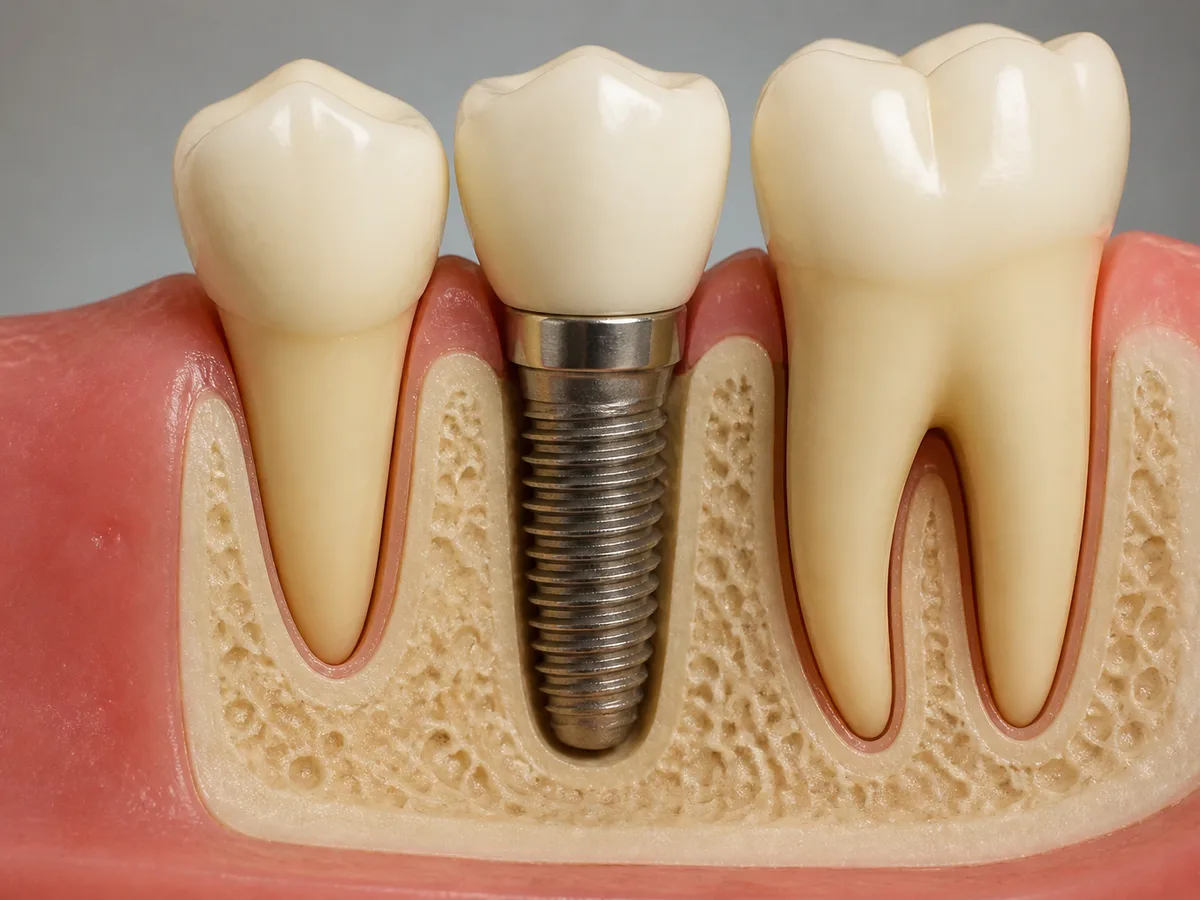
Why “healed enough to smile” is not “ready to torque”
Early comfort is encouraging, but loading a crown before bone is ready can jeopardize integration. Some protocols use immediate or early loading when primary stability is high and the bite can be controlled; others wait the classic months. Neither approach is casual—both depend on torque values, bone density, and who is coordinating the restorative plan. NIDCR’s patient material on dental implants is a solid plain-language companion while you wait through the quiet middle months.
What Speeds Or Slows The Clock
Dense bone in the front lower jaw often integrates predictably. Softer upper-molar bone, smoking, uncontrolled diabetes, and large grafts slow things down. Infections or loose temporary teeth that overload the implant can force a pause. Follow diet and hygiene instructions even when you feel fine—most setbacks in this phase come from impatience, not bad luck.
Pain expectations belong in Do Dental Implants Hurt? Graft timing is covered in What Is A Dental Implant Bone Graft? And if progress stalls with symptoms, compare notes with What Are Signs Of Dental Implant Failure? rather than waiting for the “final crown” appointment to raise the alarm.
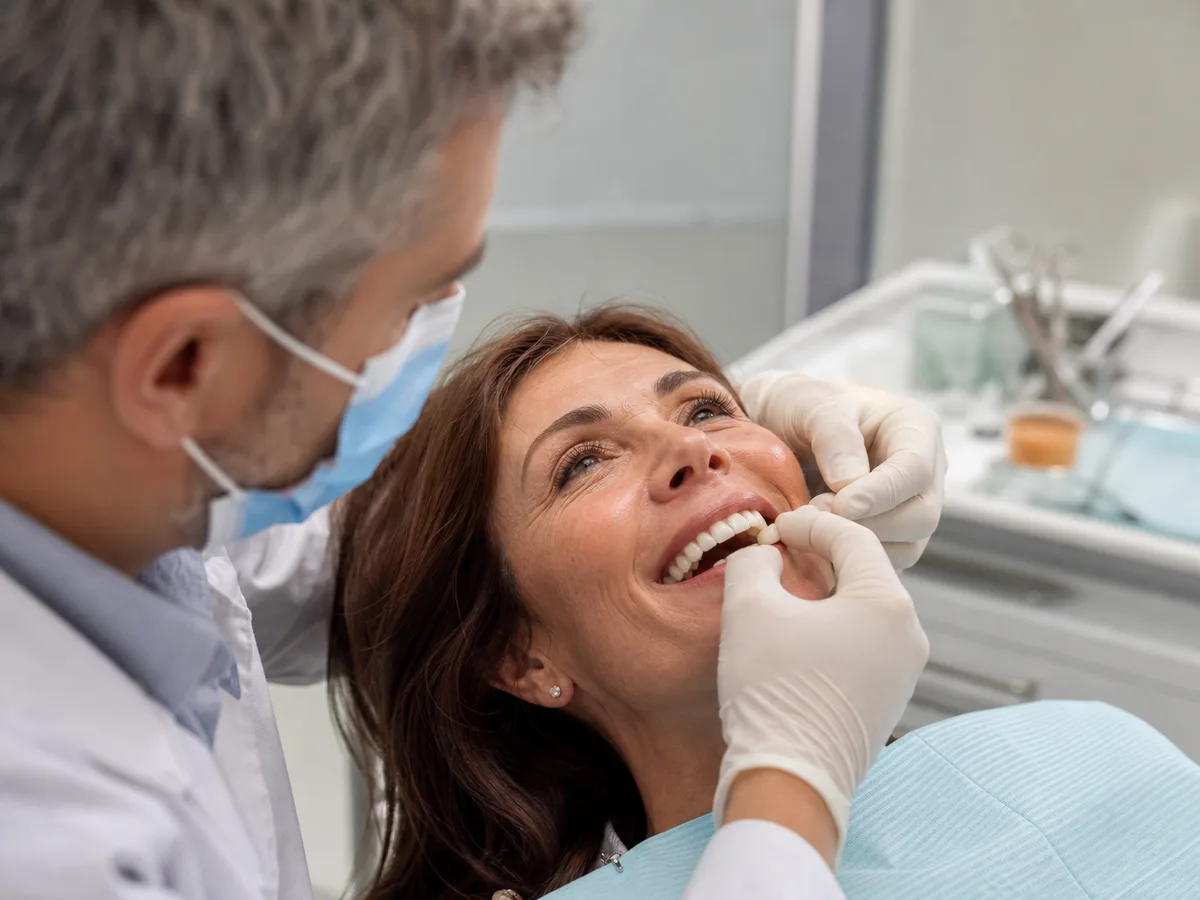
Use the waiting months well
Practice cleaning around the site the way you will after the crown. Keep hygiene visits. Avoid chewing hard foods on a temporary that was meant only for looks. If your timeline feels vague, ask for milestone visits in writing: suture removal, integration check, scan body / impression date, and crown seat. For a practice that will map those dates clearly, find a dentist experienced with implant sequencing.
Living With A Temporary Tooth While You Wait
Essix retainers with a pontic, acrylic flippers, bonded Maryland bridges, and sometimes nothing at all are common interim solutions. Each has bite and speech quirks. Flippers can load the healing ridge if you chew aggressively on them—ask what is safe. Clear aligner-style temporaries look neat but crack when used as bottle openers. Budget a repair contingency during long heals.
Sports and travel deserve a plan. Mouthguards may need adjustment around a temporary. International trips right after grafting are unwise if swelling or sinus precautions are still active. Tell your surgeon about marathons, weddings, and flights before they seat the implant so timing can flex.
Emotional fatigue is real in month four. Mark the integration-check appointment early so the wait has a visible finish line. Use the months to refine cleaning habits; patients who invent hygiene only after the final crown spend the first year undoing inflammation that started silently.
Full-Arch Timelines Differ
Same-day teeth on multiple implants (including some All-on-4 style workflows) compress the cosmetic wait but still rely on careful bite management while bone matures. “Teeth in a day” describes a provisional smile, not the end of biology. Ask what is temporary versus final in any accelerated plan.
Related articles
Keep exploring related topics from Dental Country.
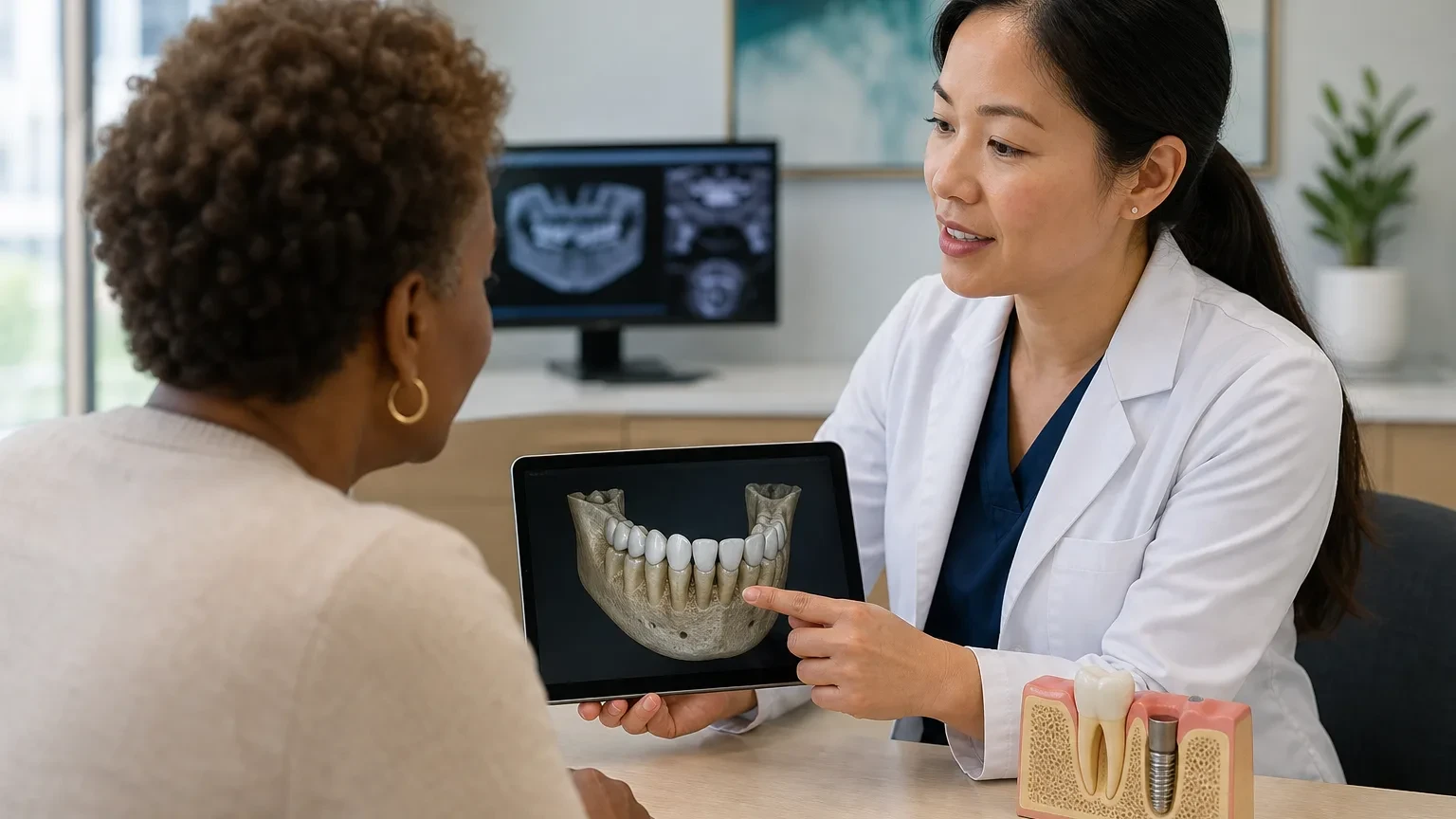
Am I A Candidate For Dental Implants?
Implant candidacy hinges on bone, gums, and overall health—not age alone. Here’s how dentists decide, and what that means before you commit.
Read article
How Long Do Dental Implants Last?
The implant post can last decades; crowns and hygiene decide how long the whole restoration feels “done.” Here’s what actually drives longevity.
Read article
Do Dental Implants Hurt?
Most people feel pressure during placement, not sharp pain—then a few days of soreness. Walk through what comfort usually feels like before, during, and after.
Read article
How Much Do Dental Implants Cost?
Implant pricing is a package, not a single sticker. Break down what you are buying—and the questions that keep quotes comparable.
Read article