
Can Smokers Get Dental Implants?
Smokers can sometimes get dental implants, but nicotine raises failure risk. Learn how plans change and why a quit window around surgery helps healing.

Reviewed by Dr. Sean Myran, DMDDoctor of Dental Medicine, University of Pennsylvania
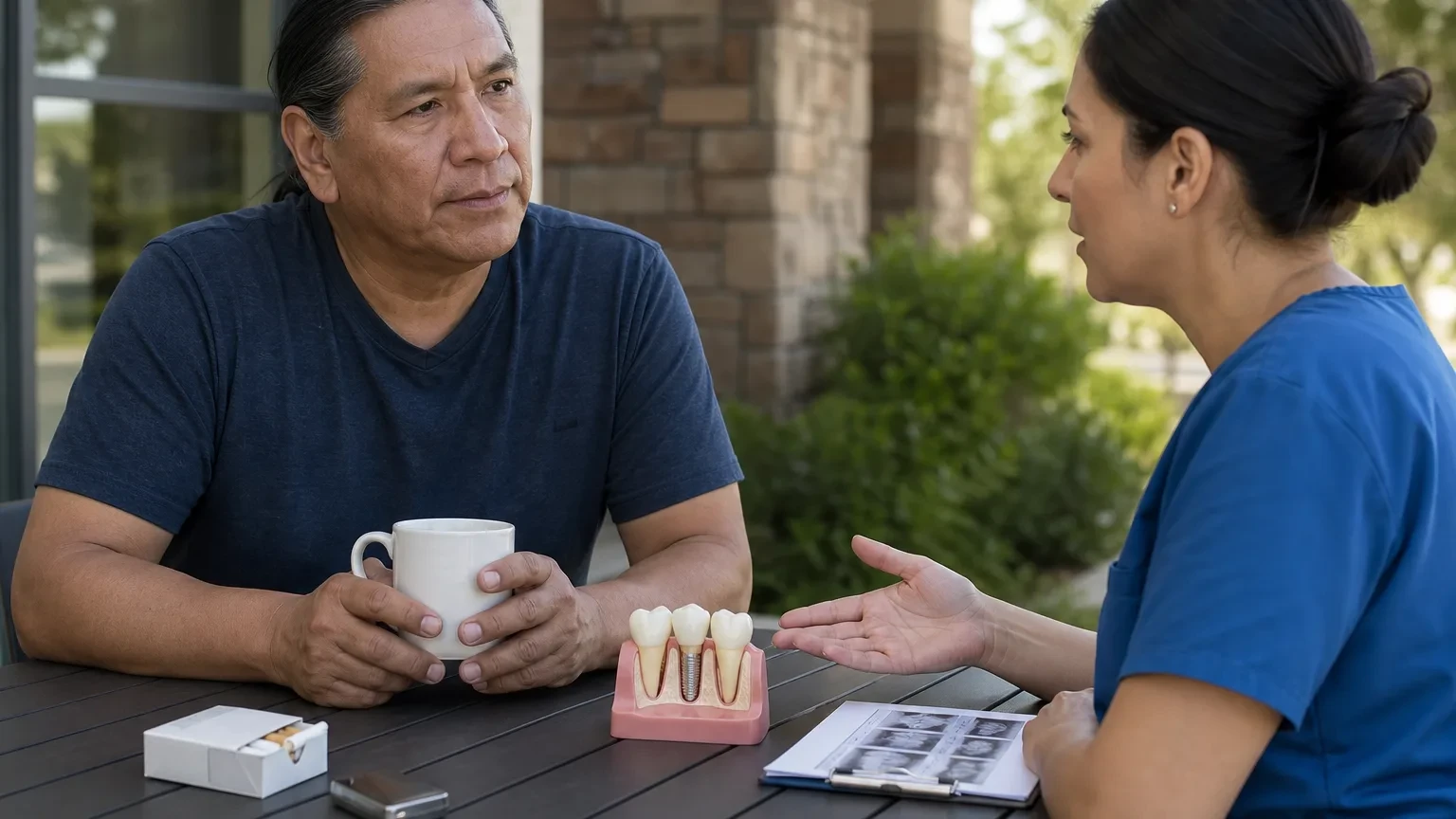
Yes—many smokers still receive dental implants—but nicotine and combustion byproducts raise the risk of failed integration, slower soft-tissue healing, and peri-implant inflammation later. Dentists do not treat smoking as a moral score; they treat it as a healing variable. Some offices require a quit window before elective surgery. Others proceed with sharper informed consent, tighter follow-up, and sometimes altered staging. The honest answer is case-by-case after examining bone, gums, and how much you smoke.
Why Nicotine Changes The Odds
Smoking constricts blood vessels and reduces oxygen delivery in the tissues that must seal around an implant. That environment is less forgiving when plaque accumulates or when a temporary tooth overloads the site. Research summaries and clinical guidance have long associated tobacco use with higher implant complication rates. Public health resources such as the CDC’s tobacco topic hub make the broader healing impact clear even outside dentistry: less reliable circulation, more inflammation.
What “higher risk” looks like in real life
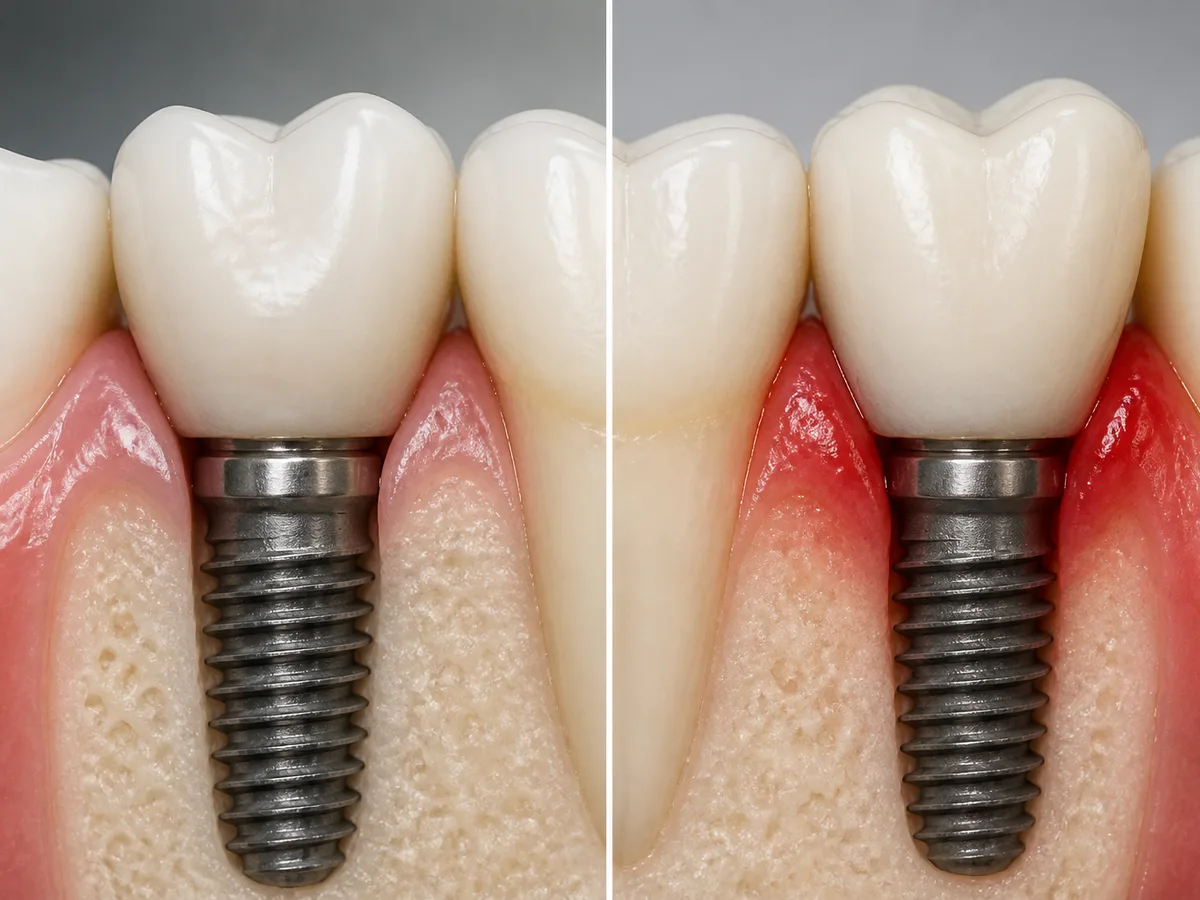
Higher risk can mean the implant never fully integrates, the gum collar stays puffy, or bone dips years later. It can also mean grafts fail more often, which matters if you already need volume. None of that is guaranteed doom—plenty of former smokers do well—but walking in without a plan to reduce exposure is how optimistic case presentations turn into retreatment conversations.
How Offices Adapt The Plan
- Requesting a quit or vape pause before and after surgery
- Delaying implants until gum disease is controlled
- Avoiding immediate loading when stability margins are thin
- Scheduling more frequent hygiene and radiographic checks
- Documenting informed consent about elevated failure rates
Candidacy overall still follows the same pillars in Am I A Candidate For Dental Implants? Aftercare discipline matters even more—use How Do You Care For Dental Implants? as your baseline, then ask what extra tools your hygienist wants around the implant collar. Warning symptoms are the same as for anyone else; see What Are Signs Of Dental Implant Failure?
A quit window is clinical, not cosmetic
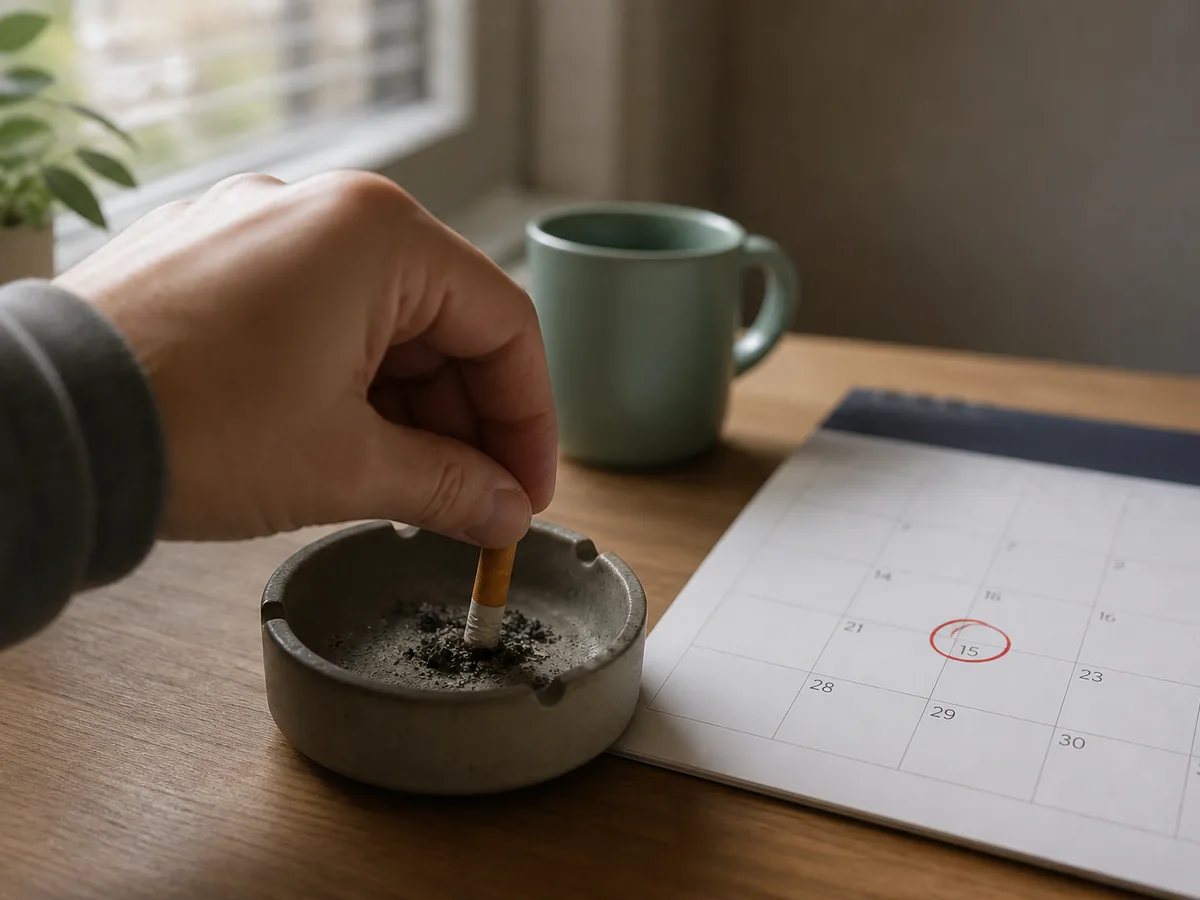
Even a temporary stop around surgery improves blood flow when tissues are knitting. If full cessation feels impossible, be candid about daily amount and nicotine replacements so your surgeon can time procedures and set expectations. E-cigarettes are not a free pass; discuss them specifically. When you want a team that will talk through risk without shaming, find a dentist and ask how they handle implant treatment for patients who smoke.
Vaping, Cannabis, And Occasional Use
Clinicians need the real pattern, not the version that sounds responsible. Nicotine gum or patches still deliver vasoconstrictive chemistry even without smoke. Cannabis smoking adds heat and inhalation habits that can stress surgical sites; edibles may be discussed as a short-term alternative when your surgeon agrees. Weekend-only use still matters if those weekends cover the first two healing weeks.
Relapse planning beats surprise. If you quit for surgery and restart at month two, tell the office. They may tighten hygiene intervals rather than lecture. Shame keeps useful data out of the chart. The clinical goal is tissue oxygen and plaque control, not perfection theater.
Partner support helps. Household smoke exposure and stress cues sabotage quit windows. Ask whether the practice can point you to cessation resources; many public health departments still run free programs. Pair that help with the implant timeline so both projects reinforce each other. Even a few smoke-free weeks around surgery can change how soft tissue seals and how comfortable the first hygiene visits feel afterward.
Bottom Line
Smoking is a modifiable risk factor, not an automatic lifetime ban. Reduce exposure, stabilize gums, and choose a provider who will monitor the implant closely. The implant can succeed—but it needs a more careful partnership than a textbook non-smoker case.
Related articles
Keep exploring related topics from Dental Country.
Am I A Candidate For Dental Implants?
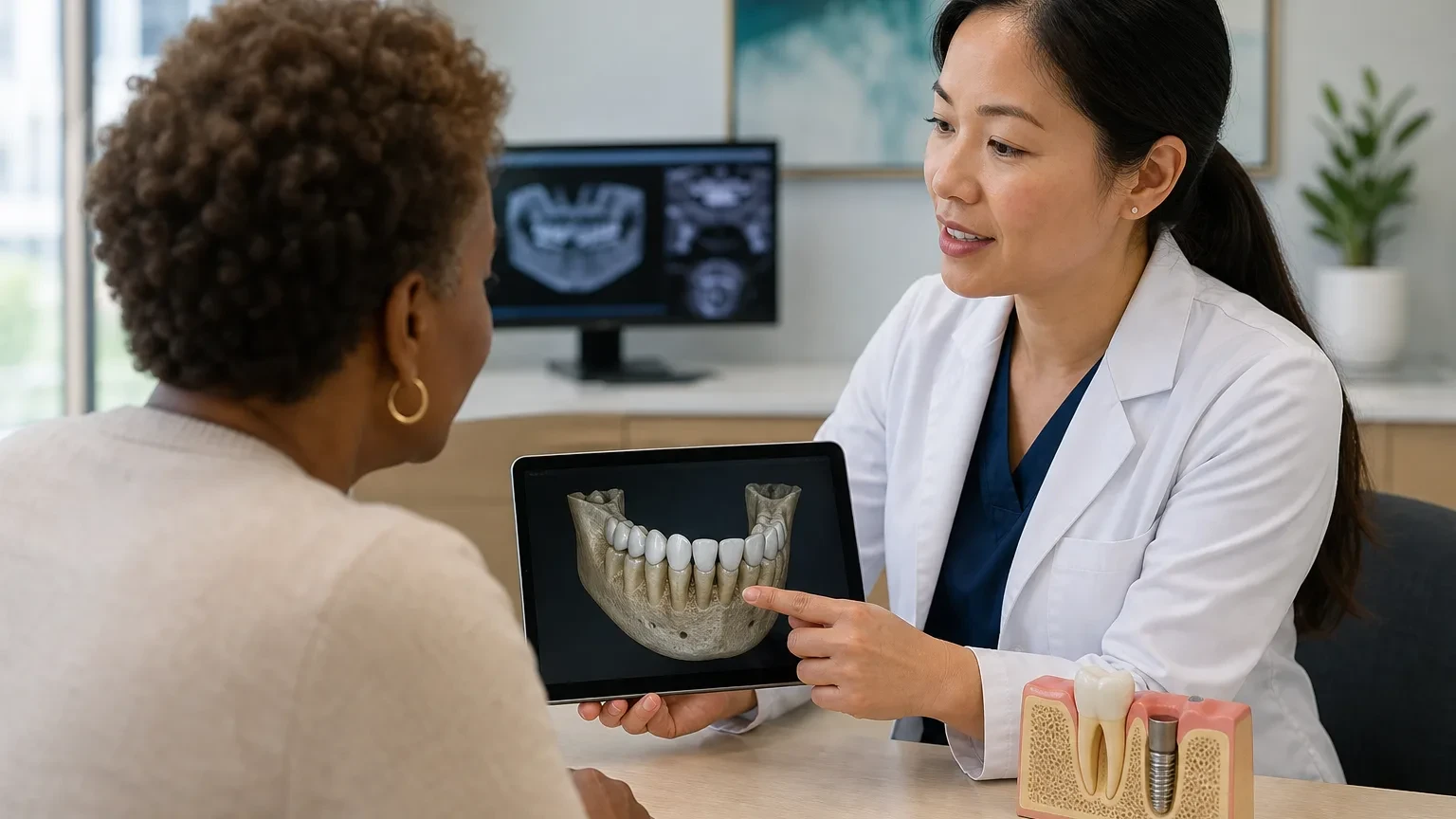
Implant candidacy hinges on bone, gums, and overall health—not age alone. Here’s how dentists decide, and what that means before you commit.
Read article
How Long Do Dental Implants Last?
The implant post can last decades; crowns and hygiene decide how long the whole restoration feels “done.” Here’s what actually drives longevity.
Read article
Do Dental Implants Hurt?
Most people feel pressure during placement, not sharp pain—then a few days of soreness. Walk through what comfort usually feels like before, during, and after.
Read article
How Much Do Dental Implants Cost?
Implant pricing is a package, not a single sticker. Break down what you are buying—and the questions that keep quotes comparable.
Read article