
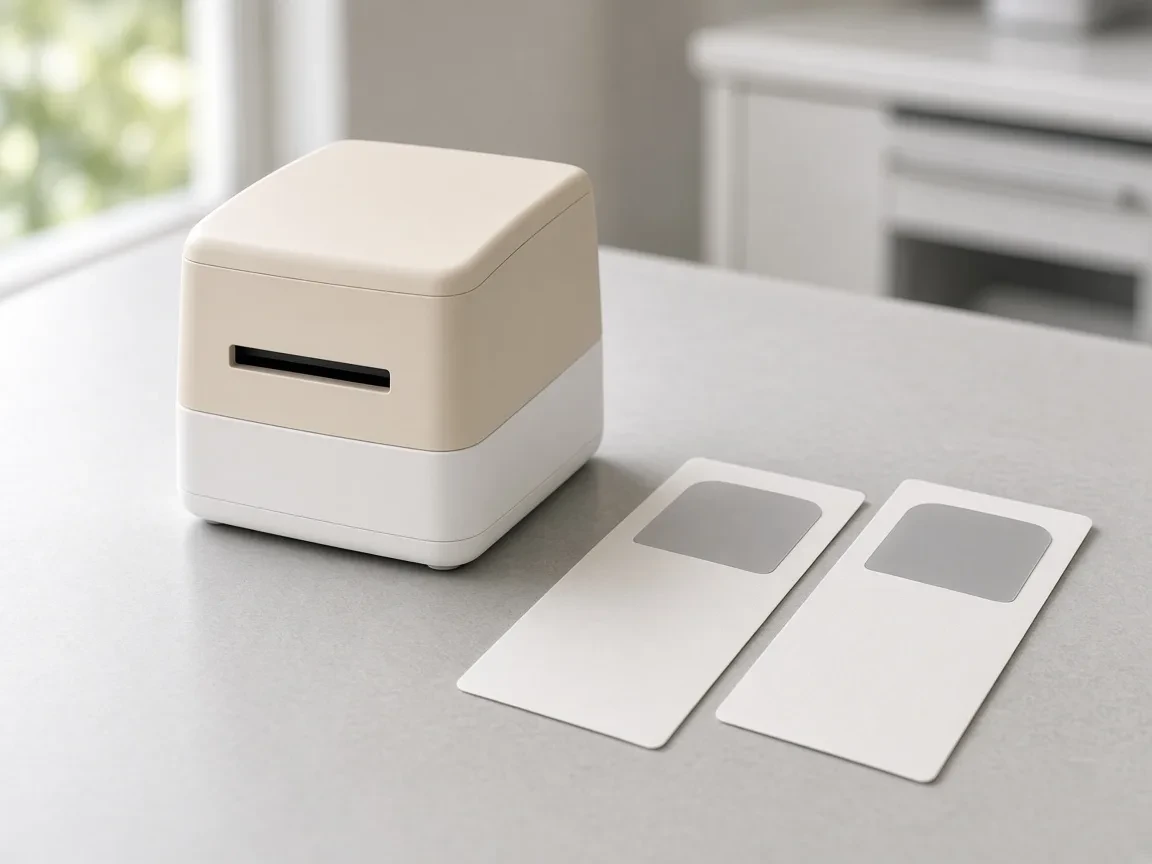
Dental Phosphor Plate Systems: How to Choose.
How to choose a phosphor plate system: reusable plates, a reader that is not the x-ray head, and how ScanX, Xios, and Pspix differ.

Reviewed by Dr. Sean Myran, DMDDoctor of Dental Medicine, University of Pennsylvania
How we rank explains how these product lists are ordered.
A phosphor plate system is the flexible plate and the reader that digitizes it. The reader does not expose the patient. An x-ray head does. A rigid sensor is the other way to capture the same bitewing, and it is the sensor guide. An optical impression wand is the intraoral scanner guide. This page is the plate path.
How to choose a phosphor plate system
- The reader and the plates are one quote. Plates are film-sized and reusable. They scratch, crease, and pick up dust, and a damaged plate is a retake. Ask which sizes are in the kit, and whether a spare plate is included. Size 2 is the adult bitewing. Smaller mouths need a smaller plate. Do not assume the kit includes every size.
- The x-ray head is a second machine. Nothing on this page makes the exposure. A reader alone cannot take a radiograph. The radiography list is where the tube heads at that address are described.
- Workflow, not a resolution contest. You expose the plate, carry it to the reader, and the reader scans it and clears it. A plate that is not cleared can carry the last image into the next patient. A sensor shows the image while the patient is still in the chair. Plates let someone expose a series and scan them together. Pick the workflow the room will actually follow. Resolution figures from one listing are not copied onto the others.
- Where the reader sits. A stationary reader is a counter that several rooms walk to. A cordless reader moves. The radiography list already separates Xios Scan, which is stationary, from Pspix, which is cordless. Match that to how far the plates have to travel.
- Software you already run. The image has to open on the operatory computer. Ask the dealer to show that on your software, not on a demo laptop.
How the plate readers differ
Treat the table as product differences, not a score. A time printed for a reader is how long the scan takes, not the x-ray dose.
| Line | What you are buying | Best fit | Watch for |
|---|---|---|---|
| Dentsply Sirona Xios Scan | A stationary phosphor-plate reader | One counter that several rooms can walk plates to | It does not expose the patient, and it is not the Xios sensor |
| Acteon Pspix | A cordless phosphor-plate reader | A reader that has to move between rooms | Cordless is the reader. You still need an x-ray head |
| Air Techniques ScanX | The ScanX plate-reader line | An office pricing a plate system the older list does not name | Confirm the model and the plate sizes in the kit. Intraoral-only is not a panoramic cassette reader |
| Dürr VistaScan | Dürr’s plate-reader line | The other line to price beside ScanX | Read the model. Do not assume every VistaScan accepts a panoramic cassette |
Dentsply Sirona Xios Scan
Xios Scan is the stationary reader already on the radiography list. It scans a plate that an x-ray head has exposed. Choose it when plates from more than one room can walk to one counter. It is not the Xios sensor, and it is not an impression scanner. This page does not repeat the resolution figure from that older listing.
Acteon Pspix
Pspix is the cordless reader on that same list. Choose it when the reader has to move, not when you want to skip the x-ray head. Plates still have to be exposed first. Any time stated for the Pspix is how long the reader takes to show the image. It is not an exposure time.
Air Techniques ScanX
ScanX is Air Techniques’ plate-reader line. It is the system to put on the quote when an office wants plates and the older list only named Xios Scan and Pspix. The buying question is which ScanX, and which plate sizes come with it. A model built only for intraoral plates is not a panoramic cassette reader. Confirm the name on the quote before you compare it with the other two.
Dürr VistaScan
VistaScan is Dürr’s plate-reader line. Price it against ScanX when the dealer offers both, and read the model. An intraoral-only unit and a unit that also takes extraoral plates are different purchases. VistaScan does not expose the patient either.
Related guides
- Imaging
- Digital x-ray sensors
- Intraoral x-ray units
- X-ray heads and the older plate list
- Intraoral scanners, for impressions
Phosphor plate questions
Is a phosphor plate a sensor?
No. A sensor is rigid and shows the image at the chair. A plate is flexible and has to be read. A sensor replaces both the plate and the reader. Both still need an x-ray head.
Do I still need an x-ray head?
Yes. The reader only digitizes a plate that has already been exposed. Without a tube head, the system cannot take a radiograph.
Is this an intraoral scanner?
No. An intraoral scanner records the shape of the teeth for a crown or an aligner. A plate reader records a radiograph.
Related articles
Keep exploring related topics from Dental Country.
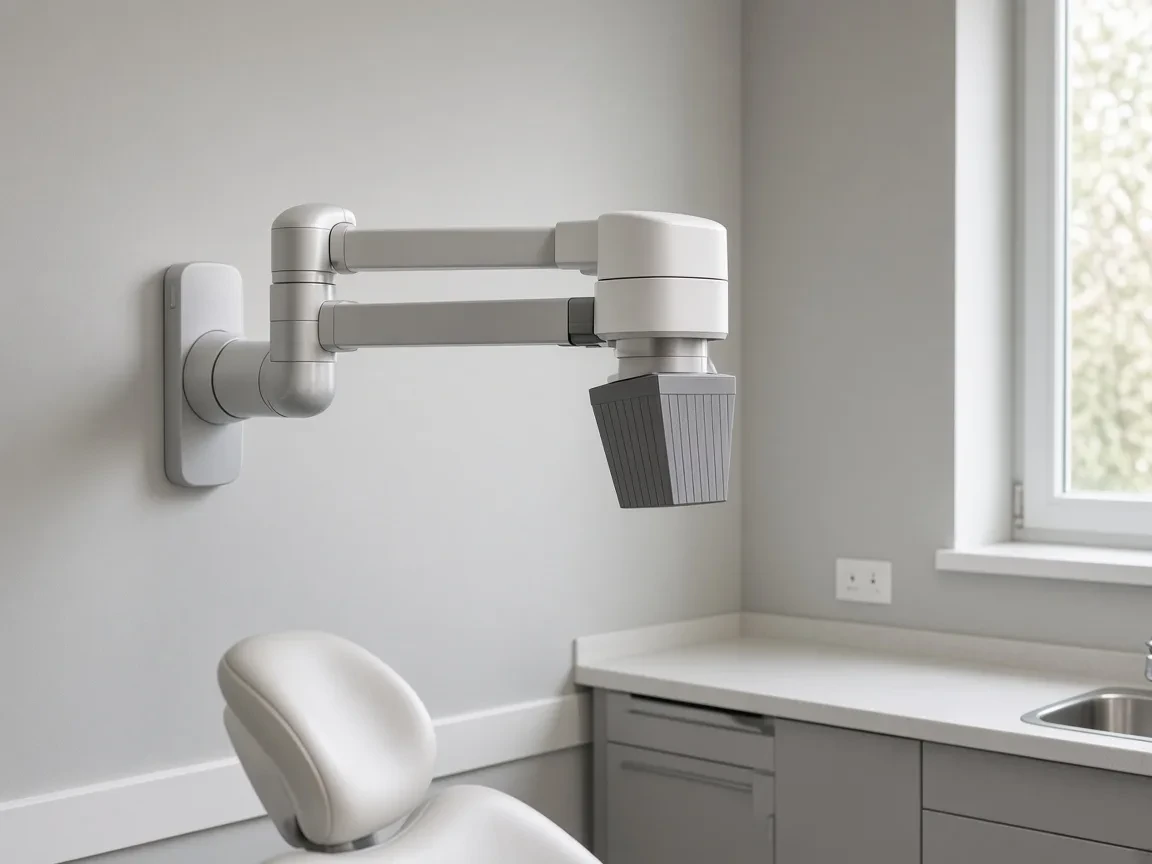
Dental X-ray Units and Phosphor Plates
Radiography, not an optical scanner: phosphor-plate readers, intraoral x-ray heads, and a panoramic unit.
Read article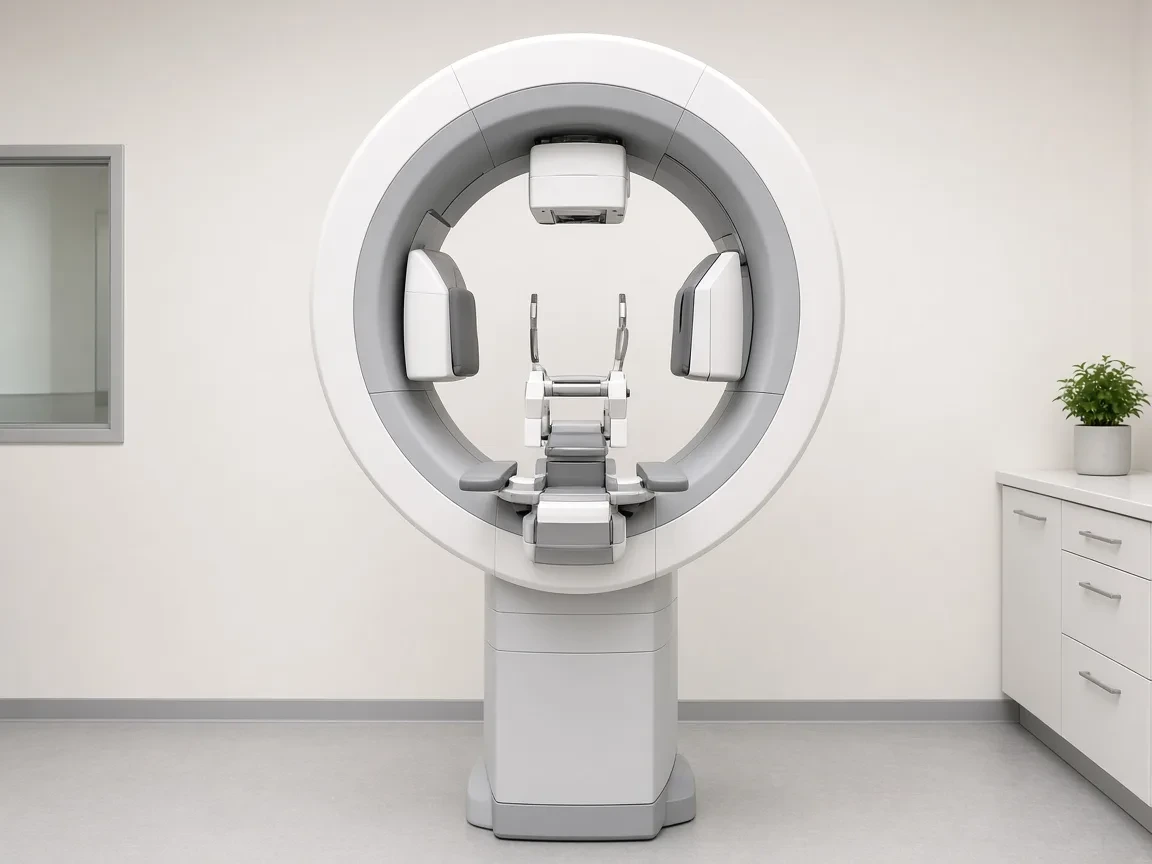
Dental CBCT Systems: How to Choose
How to choose a dental CBCT: field of view, voxel size, 2D modes, and how Planmeca, Dentsply Sirona, Carestream, Vatech, DEXIS, and Morita differ.
Read article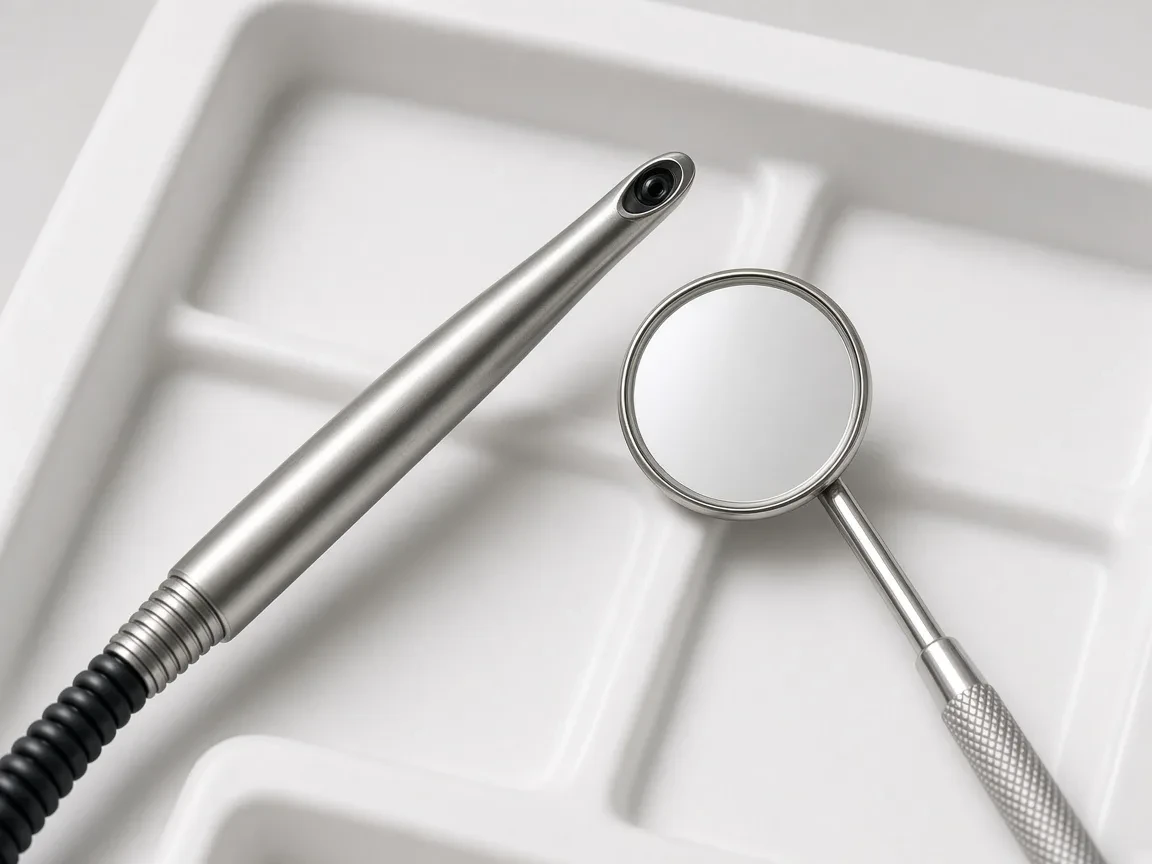
Intraoral Cameras: How to Choose
How to choose an intraoral camera: focus, capture, software, and how MouthWatch, DEXIS, Acteon, Digital Doc, and Carestream differ.
Read article
Dental Intraoral X-ray Units: How to Choose
How to choose an intraoral x-ray unit: a wall arm or a handheld, a DC generator, and how Veraview, ProX, and NOMAD differ.
Read article