
Dental X-ray Sensors: How to Choose.
How to choose a dental X-ray sensor: size, cable, software lock-in, and how DEXIS, Dentsply Sirona, Carestream, and Vatech differ from phosphor plates.

Reviewed by Dr. Sean Myran, DMDDoctor of Dental Medicine, University of Pennsylvania
How we rank explains how these product lists are ordered.
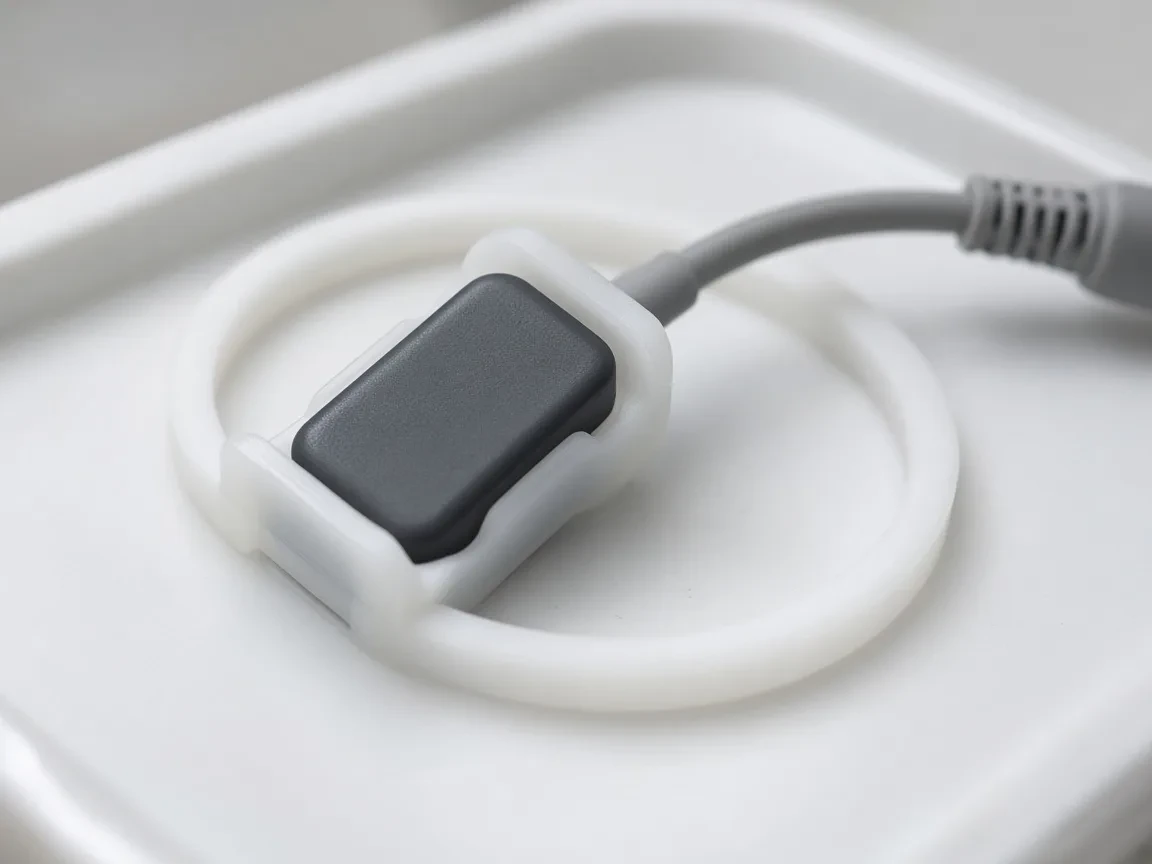
A digital X-ray sensor is the rigid plate on a cable that captures a bitewing or periapical in a few seconds. It is not a panoramic unit, not a CBCT, and not an intraoral camera. Phosphor plates are the other digital path: a flexible plate goes in the mouth, then a scanner reads it. Plates and sensors solve the same radiographs with different workflow. This guide is about sensors.
How to choose a sensor
- Sizes. Size 2 is the adult bitewing and posterior periapical. Size 1 is easier on smaller mouths. Size 0 is for children. Most offices need at least one size 2 per working room, plus a smaller sensor if they see kids. One sensor shared across the hall does not survive a busy hygiene day.
- Cable and durability. The cable and the housing corners are what fail, usually from bites and drops, not from the chip. Ask what the warranty actually covers and what a replacement sensor costs in year three. Rounded corners and a thin body matter more to patients than a marketing line about resolution.
- Software. Some sensors open in the vendor’s imaging program only. Some bridge into the practice-management chart you already use. A sensor that forces a second image library will be fought by the team. Test a capture on your current software before you sign.
- Holders. The sensor is useless without a positioning system that fits that brand’s thickness. Budget the holders with the sensor. The X-ray supplies list is where those holders and barriers live.
- Sensor or plate. Sensors are faster and have a higher replacement cost when one is damaged. Plates are cheaper to lose and slower, because each exposure is scanned. Do not buy both systems unless you have a reason, such as a plate for pediatrics and sensors for adults.
How common sensor lines differ
| Brand | Known for | Best fit | Watch for |
|---|---|---|---|
| DEXIS | Titanium and related sensors in DEXIS imaging | Offices already storing radiographs in DEXIS | A DEXIS sensor is a weak fit if images must live in another suite |
| Dentsply Sirona | Schick 33 and Xios sensors tied to Sidexis | Practices on Sidexis or a Sirona panoramic unit | Confirm the sensor generation matches the Sidexis version you run |
| Carestream Dental | RVG and CS 6200 sensors in CS Imaging | Offices on Carestream software or a CS panoramic | Match the sensor to the software, not just the generator |
| Vatech | EzSensor, often quoted below the premium U.S. brands | Offices comparing acquisition cost against DEXIS or Schick | Test the software bridge. The price advantage disappears if the team will not use it |
DEXIS
DEXIS sensors are built to live in DEXIS imaging, next to DEXIS cameras and, in many offices, a DEXIS panoramic. That is the right buy when the chart already opens those images. It is the wrong buy when you would be starting a second radiograph database to accommodate one brand of sensor.
Dentsply Sirona
Schick 33 and the Xios line are Sirona’s intraoral sensors, and they are at home in Sidexis. Offices with an Orthophos or other Sirona 2D unit usually stay here so bitewings and the panoramic land in one program. Check that the sensor you are quoted is supported by the Sidexis version already installed, not the version on the dealer’s laptop.
Carestream
RVG is the name Carestream’s sensor line carried for years. The CS 6200 is the current compact sensor in that family. Both expect CS Imaging. If the panoramic unit is a CS 8100, keeping the sensor in the same software is the practical reason to choose it.
Vatech
EzSensor is the sensor Vatech offers against the higher-priced U.S. lines. The useful comparison is not the spec-sheet line pairs. It is whether a captured image files into the software your assistants already have open, and what a broken size 2 costs to replace.
Related guides
Sensor questions
Do sensors replace a panoramic machine?
No. A sensor takes intraoral images. A panoramic unit takes the full-arch screening image. A CBCT takes volumes. You still need the sensor for bitewings even if you own the other two.
How many sensors does one office need?
One size 2 for each room that takes radiographs at the same time, plus a size 1 or 0 if you treat children. A single sensor for a four-chair office becomes the bottleneck, and it is also the only sensor you can drop.
Related articles
Keep exploring related topics from Dental Country.
Dental Glass Ionomer Restoratives: How to Choose
How to choose a glass ionomer restorative: Fuji II LC, EQUIA Forte, packable Fuji IX, and Ketac Silver cermet.
Read article
Top 5 Core Buildup Materials in Dentistry
Core buildups compared honestly: dual-cure LuxaCore and Clearfil versus cermet and light-cure composites.
Read article
Dental Amalgam Separators: How to Choose
How to choose an amalgam separator: central or chairside, canister recycling, and how Solmetex, Rebec, Dürr, and Metasys differ.
Read article
Dental Instrument Washers: How to Choose
How to choose a dental instrument washer: cassette capacity, drying, and how SciCan HYDRIM, Melag, and Miele differ.
Read article