
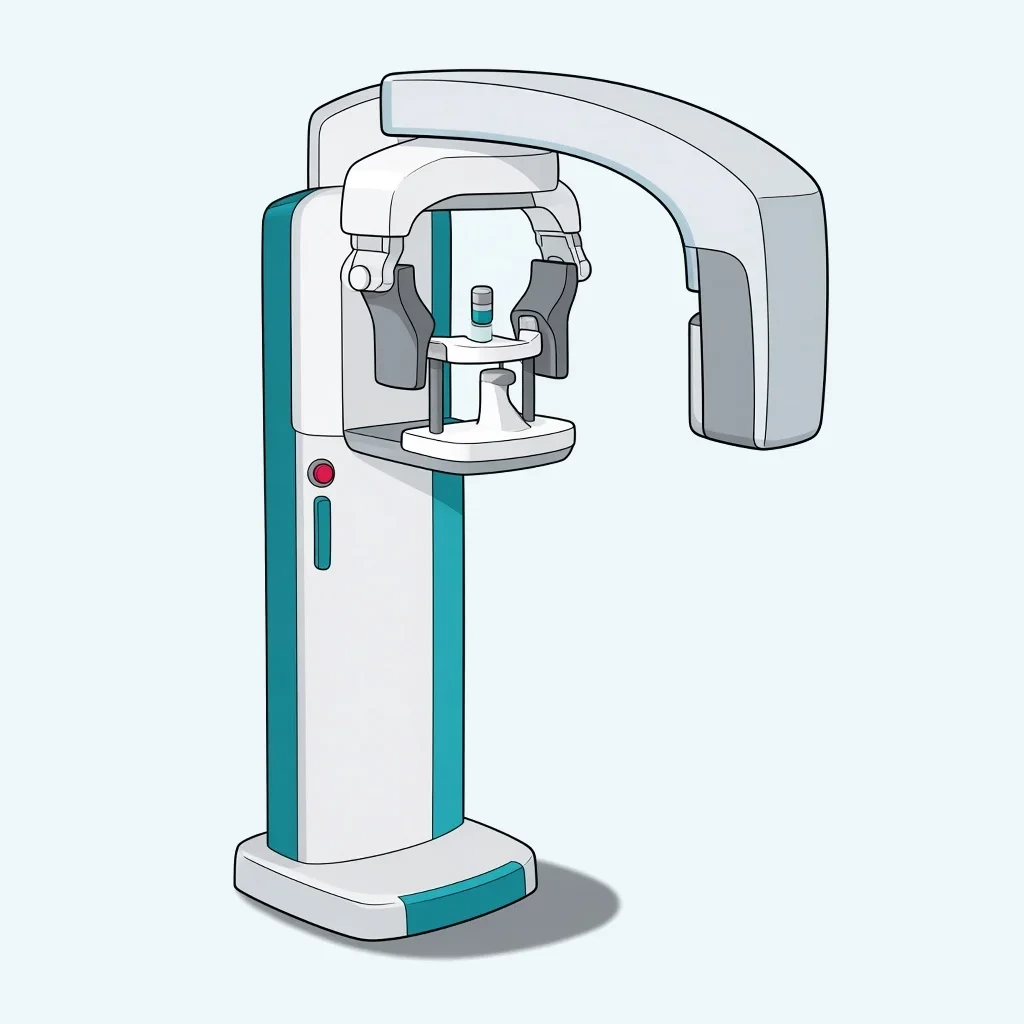
Panoramic X-ray Units: Planmeca, Vatech, Carestream
2D panoramic versus combo CBCT, ceph, and patient positioning, and how Planmeca, Dentsply Sirona, Vatech, Carestream, and DEXIS differ.

Reviewed by Dr. Sean Myran, DMDDoctor of Dental Medicine, University of Pennsylvania
How we rank explains how these product lists are ordered.
A panoramic unit is the full-arch screening image: third molars, mixed dentition, gross pathology, and a first look before you order a CBCT slice. It is not a cavity-detection image. Buy a dedicated panoramic machine when you do not need 3D yet. Buy a combo unit when you already know implant or surgical cases will follow.
How to choose a panoramic unit
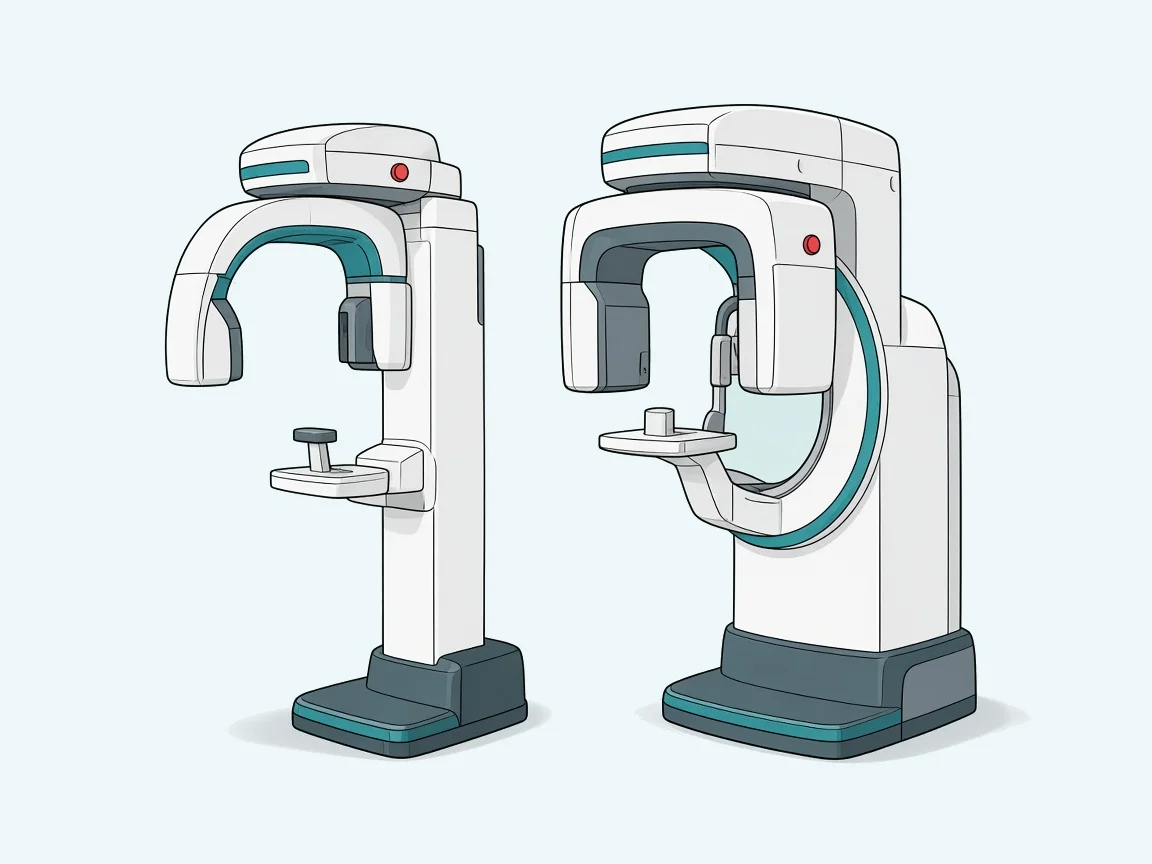
- 2D only, or 2D plus 3D. A panoramic-only unit costs less and takes less decision time. A combo that adds CBCT costs more and can save a second machine later. Do not buy 3D “just in case” if nobody in the office will read volumes.
- Ceph. Orthodontic offices need a cephalometric attachment or a unit that includes it. General offices usually do not.
- Positioning. Laser or light beams, a chin rest, and a bite peg decide how many retakes you take. Ask to position a staff member, not to watch a demo on a mannequin.
- Sensor versus a separate plate. Direct-digital panos put the sensor in the unit. That is different from a phosphor plate you scan after the exposure.
- Room and power. Measure the sweep, the wheelchair access, and whether the unit needs a dedicated circuit. The brochure footprint often ignores the operator’s standing room.
How common panoramic lines differ
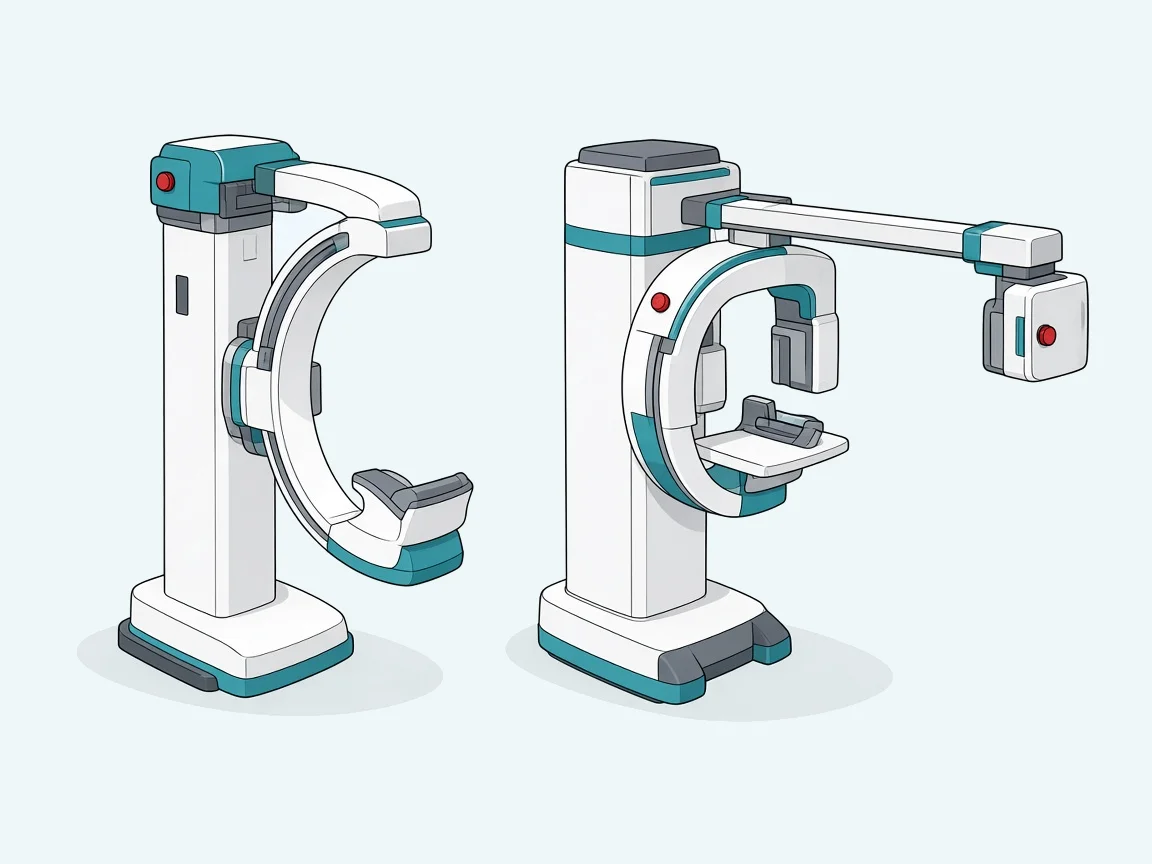
| Brand | Known for | Best fit | Watch for |
|---|---|---|---|
| Planmeca | ProMax 2D, and ProMax 3D if you add a volume later | Offices that may step from pano to CBCT on one platform | The upgrade path only helps if you stay with Planmeca |
| Dentsply Sirona | Orthophos panoramic and hybrid units | Practices on Sidexis | Confirm ceph is a separate arm, not assumed |
| Vatech | PaX-i and related 2D units, often at a lower acquisition cost | General offices buying a first pano | Compare service response, not just the invoice |
| Carestream Dental | CS 8100 family for compact panoramic imaging | Smaller rooms that still need a full-arch image | Check the real installed width, including the sweep |
| DEXIS | OP panoramic and OP 3D combo units | Offices already in DEXIS imaging | A 2D OP and a 3D OP are different purchases |
Planmeca ProMax
The ProMax 2D is a panoramic platform, and the same mechanical idea carries into ProMax 3D. That is useful if you expect to add a volume later and you are willing to stay with one manufacturer. It is not a discount if you are certain you will never take a CBCT.
Dentsply Sirona Orthophos
Orthophos is the panoramic and hybrid line that feeds Sidexis. Orthodontic practices should read the quote for the ceph arm specifically. A panoramic head does not include a lateral ceph just because the brand also sells one.
Vatech
PaX-i and the related 2D units are frequently the price alternative to the European combo machines. For a general office that wants third-molar and screening images, that is a rational comparison. Visit the service question before you celebrate the lower number: who arrives when the unit will not reconstruct.
Carestream CS 8100
The CS 8100 family is the compact panoramic Carestream shows to offices with a tight alcove. Measure the sweep with the salesperson in the actual room. A unit that fits on paper and blocks a hallway does not fit.
DEXIS OP
DEXIS sells panoramic OP units and OP 3D units that add a volume. If your sensors and cameras are already DEXIS, keeping the pano in that software avoids a second image library. Buy the 3D model only when someone in the practice will use the volumes.
Related guides
- Imaging equipment
- CBCT buying guide
- X-ray supplies and accessories
What the ADA and FDA selection guide says
The 2012 ADA and FDA recommendations, Dental Radiographic Examinations: Recommendations for Patient Selection and Limiting Radiation Exposure, still posted by the FDA, treat a panoramic film as one option inside an individualized exam. They do not set a calendar interval for panoramic radiographs.
For a new child in the transitional dentition, and for a new adolescent with permanent teeth, the recommendation is posterior bitewings with a panoramic examination, or posterior bitewings and selected periapical images. A full-mouth intraoral series is preferred when the patient has clinical evidence of generalized oral disease or a history of extensive dental treatment. For a new dentate or partially edentulous adult, the recommendation is posterior bitewings with selected periapical images, or a panoramic examination when it is indicated, with the same preference for a full-mouth series when disease is generalized or the treatment history is extensive.
The document says a periapical or panoramic examination is useful for evaluating dental development, and that a panoramic radiograph is also useful for craniofacial trauma. It also says intraoral radiographs are more accurate than panoramic radiographs for dentoalveolar trauma, root shape, root resorption, and pulp pathosis. The advantages it names for panoramic examinations are a lower radiation dose, lower cost, and a larger area on one image. The bitewing examination is called the most efficient method for detecting proximal lesions. One finding cited there is that taking posterior bitewings of new adult patients reduced the number of findings and the diagnostic yield of the panoramic radiograph. The clinical indicators named as the best predictors of a useful panoramic yield were suspicion of periapical pathosis, partially erupted teeth, caries, swelling, and suspected unerupted teeth.
Third molars, once the patient is in late adolescence (the document uses 16 to 19 years), are assessed with selected periapical images or a panoramic examination. For edentulous adults, studies cited in the document found abnormalities on panoramic radiographs in 30 to 50 percent of patients, including anatomy that matters for a prosthesis, such as the mandibular canal, the mental foramen, and the maxillary sinus. The same section says there was little evidence that screening radiographs changed denture outcomes: one study reported that less than 4 percent of findings changed treatment before the denture was made. The panel still concluded that radiographs are appropriate as part of the first assessment of edentulous areas when a prosthesis, including an implant, is being considered.
On image quality, the document says proper education and training in patient positioning is necessary if panoramic radiographs are going to be diagnostic. That is a buying point for the unit’s chin rest, bite peg, and lights, and it is also a training point. A machine does not correct a patient who is positioned wrong.
Panoramic questions
Can a panoramic image replace bitewings?
No. A pano overlaps contacts and is the wrong image for early interproximal decay. You still need a sensor or phosphor plates for bitewings.
Should a new office buy pano and CBCT together?
Buy the combo when you already plan implants, thirds, or airway cases in-house. Buy pano alone when those cases will be referred for the first few years.
When do the ADA and FDA recommendations include a panoramic image?
For a new child with transitional dentition or a new adolescent, the 2012 recommendations pair posterior bitewings with either a panoramic examination or selected periapicals. For a new dentate adult, a panoramic examination is the alternative when it is indicated, not the automatic film. A full-mouth intraoral series is preferred when oral disease is generalized or the treatment history is extensive.
Sources
American Dental Association, U.S. Food and Drug Administration
Dental Radiographic Examinations: Recommendations for Patient Selection and Limiting Radiation Exposure. Revised 2012. Posted by the FDA as The Selection of Patients for Dental Radiographic Examinations.
Related articles
Keep exploring related topics from Dental Country.
Intraoral X-ray Units: Wall-Mount vs Handheld NOMAD
A wall-arm or handheld intraoral x-ray unit, a DC generator, and how Veraview, ProX, and NOMAD differ.
Read article
Phosphor Plate Systems: ScanX, VistaScan, Xios Scan
Phosphor plate systems: reusable plates, a reader that is not the x-ray head, and how ScanX, Xios, and Pspix differ.
Read article
Dental X-ray Sensors: DEXIS, Schick, Carestream, Vatech
X-ray sensor size, cable, and software lock-in, and how DEXIS, Dentsply Sirona, Carestream, and Vatech differ from phosphor plates.
Read article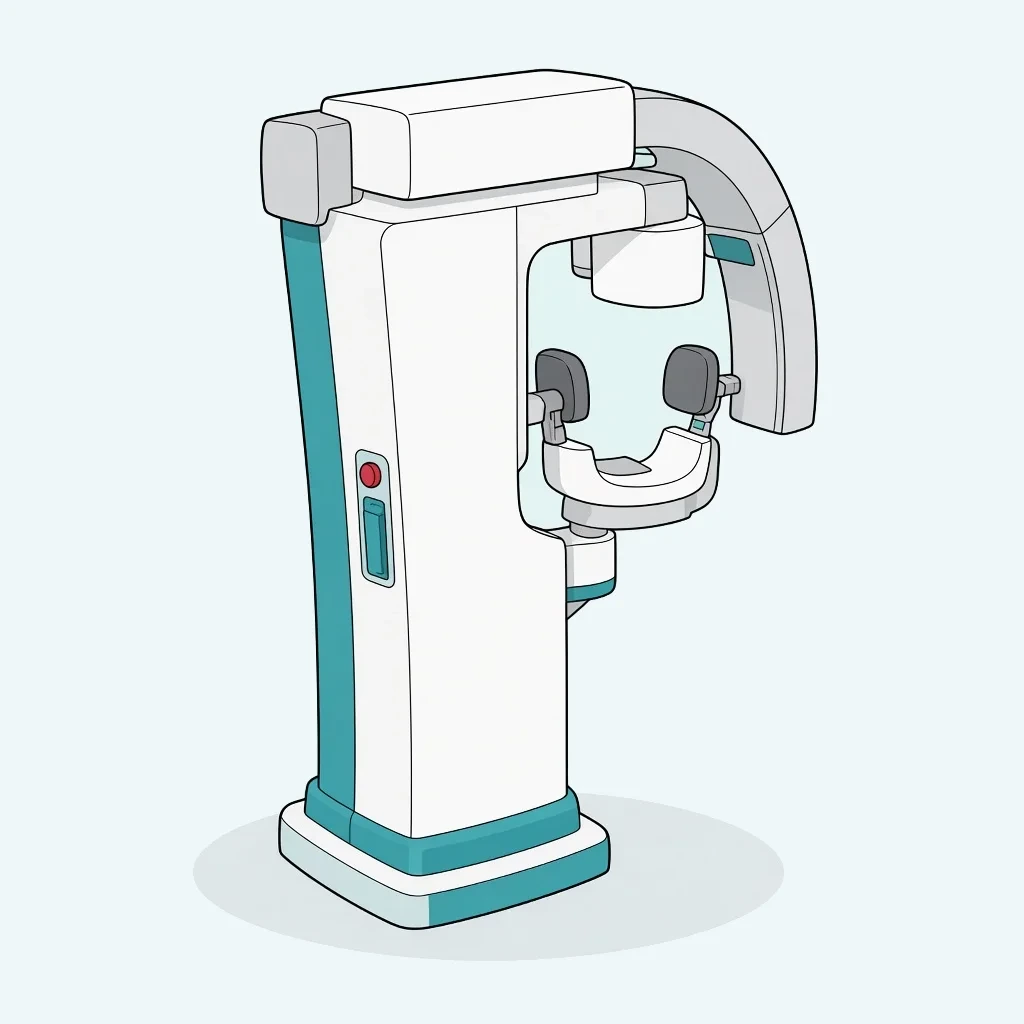
Dental CBCT Systems: Field of View, Dose and Brands
CBCT field of view, voxel size, and 2D modes, and how Planmeca, Dentsply Sirona, Carestream, Vatech, DEXIS, and Morita differ.
Read article