
Top 5 Digital X-Ray Machines for Dentists.
Radiography only: two PSP plate scanners, two intraoral x-ray heads, and one panoramic unit. Not optical scanners.

Reviewed by Dr. Sean Myran, DMDDoctor of Dental Medicine, University of Pennsylvania
How to Choose Among These Five Imaging Devices
The address of this page says intraoral scanners. The title says digital x-ray machines. The old introduction describes optical impression scanners: still photographs stitched together, digital video, laser scanning without powder, and optical scanning that needs powder on the teeth. None of the five products is that device. Two are phosphor-plate readers. Two are intraoral x-ray generators. One is a panoramic unit. Prices in euros and empty rating cells are omitted. No optical-scanner resolution is invented to fill the slug.
Buying criteria that follow the hardware, not the slug
- Reader, tube, or panoramic — Xios Scan and the Satelec Pspix digitize a plate that was already exposed. Veraview iX and the MAX70HF / DC are the generators that make the exposure. The Veraview IC5 is a panoramic CCD unit. A plate scanner does not replace the tube. A tube does not replace the reader.
- Do not compare the only two resolution lines — Xios prints up to 22 line pairs per millimeter. The IC5 prints “up to 96 µms” and a 25 percent pixel-size reduction, in the page’s own units. Pspix, the iX, and the MAX70 do not print a resolution. Those are not one scale.
- Exposure time is not readout time — The iX prints 10 milliseconds to 2 seconds of exposure. The IC5 prints a panoramic scan under 5.5 seconds. Pspix prints “seconds” for the image to appear. That is the reader, not the dose.
- What “portable” was doing in the old table — Pspix is the cordless plate scanner. Both generators are stationary. The table called the IC5 portable; the product section calls it compact, lightweight, and fully automatic. The body is the one used here. Powder-on-teeth, from the introduction, applies to none of these rows.
| Device | What it is | Method the listing names | Figure the listing prints | Watch-out |
|---|---|---|---|---|
| Xios Scan | Stationary PSP plate scanner | Laser scan of an image plate | Up to 22 line pairs/mm | Replaces a darkroom, not an optical impression scan. |
| Pspix | Cordless PSP scanner | Phosphor plates; image in seconds | 4 plates in the kit; no resolution number | Readout time is not x-ray exposure. Parts are removable and sterilizable, as stated. |
| Veraview iX | Intraoral x-ray generator | DC generator; analog and digital output; LED and laser positioning | Exposure 10 ms–2 s; footprint 0.86 m² | The old third photo is labeled panoramic. It is not this unit, and it is not shown here. |
| MAX70HF / DC | Stationary intraoral x-ray generator | High-frequency DC; articulated arm; wireless remote | Arm reach 50–120 cm; movement up to 92 in | No resolution and no exposure time in this listing. |
| Veraview IC5 | Panoramic unit | CCD sensor; triple laser alignment | Scan under 5.5 s; up to 96 µms; 25% pixel-size reduction | Not the cordless Pspix. “Portable” in the old table is not repeated. |
1. Xios Scan — Sirona

Xios Scan is Sirona’s digital radiography scanner for phosphor plates. The listing says it moves a practice off film without a darkroom or chemicals, scans the plate with a laser, and reaches up to 22 line pairs per millimeter. It says the laser path is there to keep images reproducible and to limit scratches and blur, and that the workflow is meant to use fewer plates. Compatibility is “most dental imaging software,” which is the page’s phrase, not a named software list.
A plate still has to be exposed by an x-ray generator. This listing is the reader. It is not the Veraview iX or the MAX70, and it is not a wand that scans a prepared tooth for a crown.
Who it is for: Intraoral plates when you want a stationary laser reader and the 22 line-pairs figure is the resolution you are buying from this page.
Tradeoff: No plate size is printed. “Up to 22” is a ceiling, not the resolution of every scan. Stationary means the reader stays put; the plates move. There is no exposure-time spec because this machine does not make the exposure.
2. Pspix — Satelec

The New Pspix is Satelec’s cordless phosphor-plate scanner, listed with four plates. The page says it was among the first cordless scanners of this type, that a digital image appears within seconds, and that parts come off to be sterilized. It says the unit accepts a range of phosphorus plates, not only the four in the kit. Software integration is claimed without a product name.
Seconds here are how long the reader takes. They are not the 10 milliseconds to 2 seconds of exposure on the Veraview iX, and they are not the IC5’s 5.5-second panoramic sweep. No line-pairs figure is printed, so Xios’s 22 is not assigned to the Pspix.
Who it is for: A cordless plate reader at the chair when the kit of four plates, removable sterilizable parts, and a readout in seconds are the spec you need.
Tradeoff: Cordless is the reader. You still need a generator to expose the plate, and you still need a way to sterilize the parts the listing says come off. “A wide variety of plates” is not a size chart. This page does not give one.
3. Veraview iX — Morita
The Veraview iX is Morita’s intraoral x-ray generator, not a plate scanner and not the panoramic IC5 that shares the Veraview name. The listing says it can output analog or digital images, uses a direct-current generator, and positions with LEDs plus a laser. Two LED beams are named. Exposure time is 10 milliseconds to 2 seconds. The support arm is flexible. The control panel is illuminated. The footprint printed is 0.86 square meters.
The photo that used to sit in the third slot is file-named and alt-texted as the panoramic IC5. It is not shown on this row. There is no separate iX image on the page.
Who it is for: An intraoral tube head when you want DC, laser and LED alignment, a stated exposure window of 10 ms to 2 s, and a footprint of 0.86 m².
Tradeoff: Analog and digital output still needs a sensor or film or a plate and reader downstream. This listing does not name which digital receptor. It does not print line pairs. A flexible arm is not the MAX70’s 50–120 cm reach figure; that number belongs to the next unit. Do not treat two Morita boxes as one machine.
4. MAX70HF / DC — CSN Industrie

The MAX70HF / DC is a stationary intraoral x-ray unit from CSN Industrie. The listing is about reach: an articulated arm covering 50 to 120 cm, and movement up to 92 inches. The master control is a backlit touchscreen. A wireless remote is included for hands-free exposure. The technology line is high-frequency DC. The page says the layout suits a larger or multi-chair room and cuts down on a separate exposure key.
No exposure-time range and no resolution are printed. Those gaps stay empty. The iX’s 10 ms–2 s window is not copied across.
Who it is for: A wall-mounted intraoral generator when the arm span (50–120 cm, up to 92 inches of movement) and a wireless remote are the reason to pick it over the iX’s positioning story.
Tradeoff: High-frequency DC is the type named, not a kV or mA chart. Stationary means the arm has to reach the chair; it is not the Pspix you carry. Without a printed exposure range, “efficient” in the old overview is not a dose.
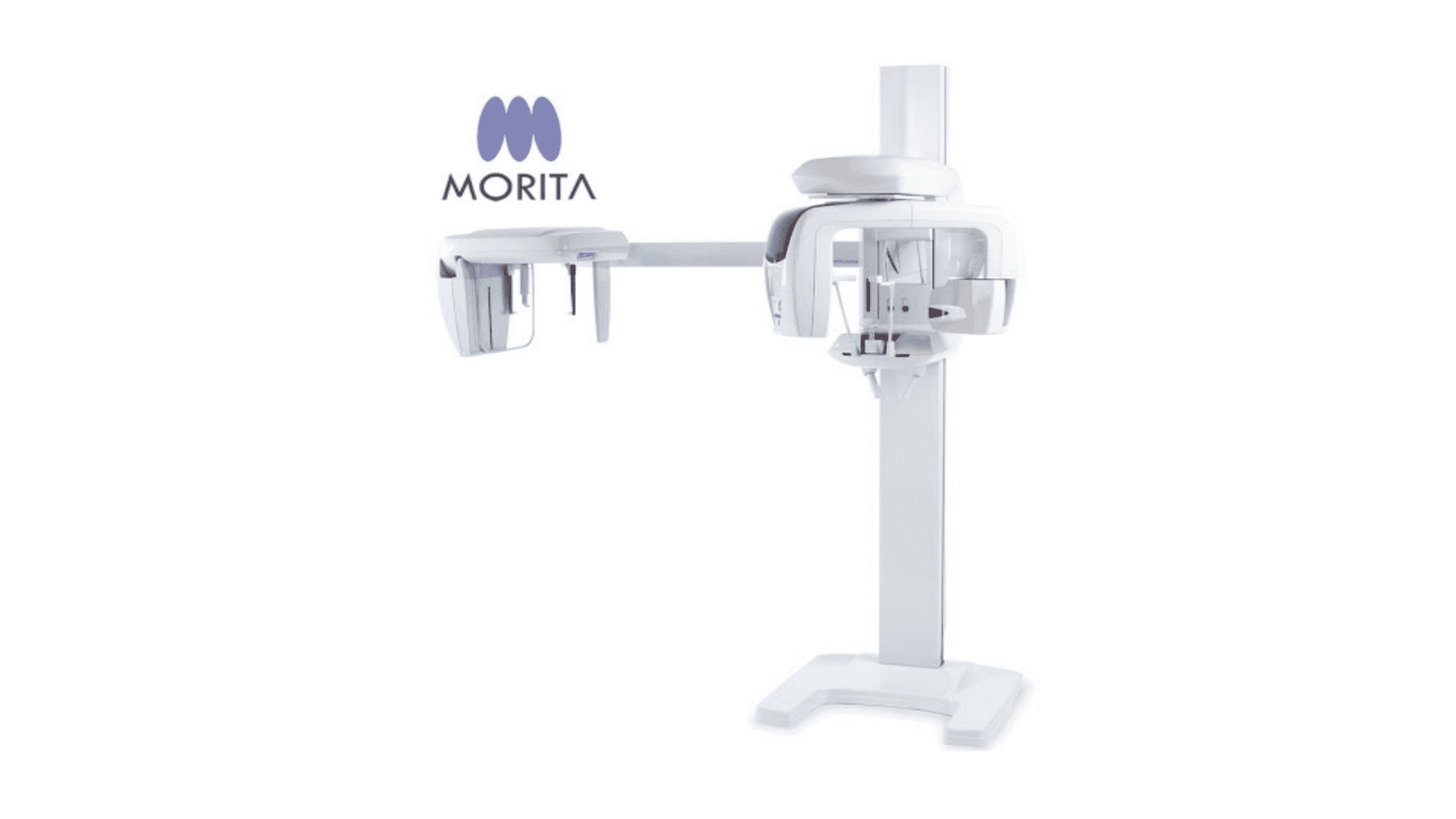
5. Veraview Panoramic IC5 — Morita

The Digital HD Veraview Panoramic IC5 is Morita’s panoramic unit on this page. The listing says a full scan finishes in under 5.5 seconds, the sensor is a CCD, and alignment uses triple laser beams. Resolution is printed as “up to 96 µms,” with a 25 percent pixel-size reduction. It also says the unit uses up to 50 percent less energy than “standard systems,” which is the comparison the page chose and did not define. The body calls it compact, lightweight, and fully automatic.
A panoramic sweep is not a periapical. It does not read a phosphor plate, and it is not an optical impression. The old table’s “portable” cell is dropped because the product copy never says you carry it between rooms the way it says you carry the Pspix.
Who it is for: Panoramic imaging when you want the CCD, the triple-laser alignment, and the sub-5.5-second scan this listing states.
Tradeoff: “96 µms” is kept in the page’s units and is not converted into line pairs to beat the Xios. A 25 percent pixel-size reduction needs a baseline the page does not give. Fifty percent less energy is the same kind of claim. A second image file on the old page is also labeled IC5; one is enough, and neither image is the iX.
Frequently Asked Questions
Are these intraoral scanners?
Not the optical impression kind the introduction described. Xios Scan and Pspix scan phosphor plates. The Veraview iX and the MAX70HF / DC generate intraoral x-rays. The IC5 is a panoramic machine. The slug was not changed. The rows were.
Which one is cordless?
The Pspix plate reader. Xios Scan is a stationary reader. Both generators are stationary. The IC5 is a panoramic unit the body describes as compact, not as a hand-carried scanner.
Can I rank them by image sharpness?
Only two listings print a sharpness figure, and they do not share a unit: 22 line pairs per millimeter on the Xios, and up to 96 µms on the IC5. The other three are silent. Exposure time exists for the iX (10 ms to 2 s) and scan time for the IC5 (under 5.5 s). Pspix’s “seconds” are readout.
Why are there no prices?
The old table used Dentaltix euro prices and a ratings column that was empty for every row. Those figures are not how you tell a plate reader from a tube head.
Related articles
Keep exploring related topics from Dental Country.
Top 10 Porcelain Brushes for Dental Labs
Compare Kolinsky, red sable, and synthetic porcelain brushes from Renfert, Dixon, and Patterson for build-up, stain, and glaze.
Read article
Top 10 Dental Flasks & Presses for Labs
Compare denture flasks, hydraulic presses, and pressure pots — Atlas 44 bronze, Handler Big Boy, and Lang Aquapres.
Read article
Top 10 Bottle Cleaners for Dentists
Compare the best Bottle Cleaners for Dentists — our researched Top 10 ranking of the leading brands and options to help you choose the right fit for your practice.
Read article
7 Dental Websites to be Inspired by
Compare the best 7 Dental Websites to be Inspired by, ranked on performance, features, and value to help you choose the right fit for your practice.
Read article