
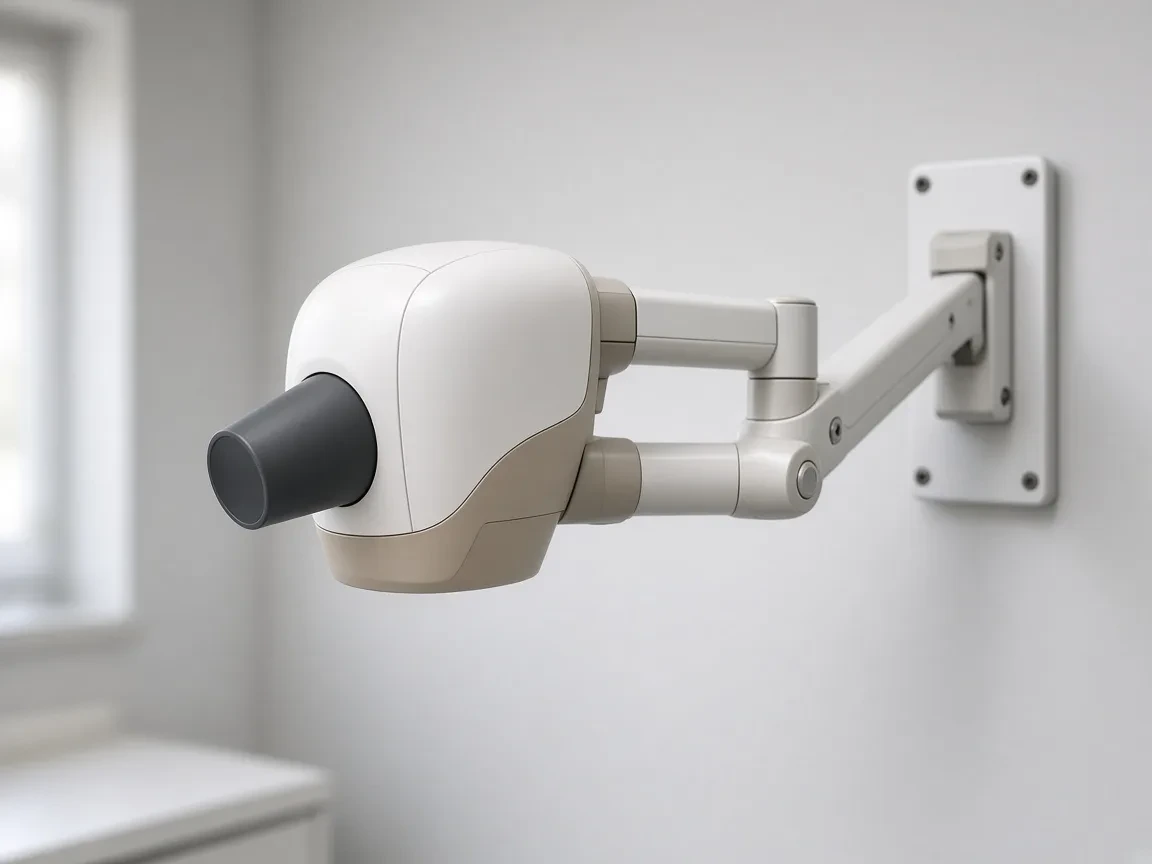
Dental Intraoral X-ray Units: How to Choose.
How to choose an intraoral x-ray unit: a wall arm or a handheld, a DC generator, and how Veraview, ProX, and NOMAD differ.

Reviewed by Dr. Sean Myran, DMDDoctor of Dental Medicine, University of Pennsylvania
How we rank explains how these product lists are ordered.
An intraoral x-ray unit is the tube head that exposes a bitewing or a periapical. It is not the sensor, and it is not the phosphor plate reader. Those capture the image. This machine makes the exposure. A panoramic unit is a different device, covered in the panoramic guide.
How to choose an intraoral x-ray unit
- Wall arm, mobile stand, or handheld. A wall arm stays in one room. A mobile stand rolls between rooms and needs a place to park. A handheld is carried to the patient. A handheld is not a small wall unit. Confirm the rules for handheld units where the office is before you order one.
- A DC generator. Current intraoral heads are high-frequency DC. An older alternating-current head is a different machine. This page does not print a universal kV or a universal exposure time. Read the sheet for the model on the quote.
- Reach in the room you have. The head has to reach the patient in the chair you already own, including the short side of a small operatory. Ask to swing the arm in that room. A longer arm on a brochure is not a longer arm in the quote.
- How you aim. Lights or lasers on the head are how you line up the beam. Ask to position the head on a person in the operatory, not on a photograph.
- The receptor is a second purchase. A tube head alone does not show an image. You still need a sensor, or a plate and a reader. The older radiography list already separates heads from readers. Keep that split when you buy.
- The exposure switch. Some units use a coiled cord at the wall. Some include a wireless remote. Confirm which one is in the quote, and that the person exposing can stand where the barrier already is.
How the intraoral heads differ
Treat the table as product differences, not a score. Technique factors stay on each model’s own sheet. A number from one listing is not copied onto the others.
| Line | What you are buying | Best fit | Watch for |
|---|---|---|---|
| J. Morita Veraview iX | An intraoral head with LED and laser positioning | A room that wants the positioning aids already named on the older list | It makes the exposure. It is not the panoramic Veraview, and it is not a plate reader |
| MAX70 | An intraoral head on an articulated arm, with a wireless remote | Compare it with the iX on reach and on how the exposure is triggered | The older list states no exposure window for it. Do not copy the iX numbers onto it |
| Planmeca ProX | Planmeca’s intraoral x-ray line | An office putting a current wall or mobile head on the same quote | Confirm wall versus mobile, and which arm, before you compare it |
| NOMAD | A handheld intraoral x-ray | A chair a wall arm cannot reach, or a clinic that moves between rooms | Confirm the rules where the office is. You still need a sensor or a plate |
J. Morita Veraview iX
The Veraview iX is the intraoral head already on the radiography list: a DC generator, with LED and laser positioning. Choose it when those aiming lights are the reason for the quote. It is not the panoramic Veraview that shares the name, and it does not scan a plate. Whatever captures the image is a second device.
MAX70
The MAX70 is the other intraoral head on that list, sold on arm reach and a wireless remote. No exposure window is stated for it there, so the iX figures are not copied onto it. Compare reach and how the exposure is triggered. It still needs a sensor or a plate and a reader.
Planmeca ProX
ProX is Planmeca’s intraoral line, the head to put beside the iX and the MAX70 when the quote is for a current unit rather than the two rows on the old list. Confirm whether the quote is a wall mount or a mobile stand, and which arm. Dentsply Sirona’s Heliodent is the other wall-mounted head to ask about when the office already uses a Sirona receptor. Read that model’s sheet the same way. This page does not print technique factors for either line.
NOMAD
NOMAD is the handheld intraoral x-ray. Choose it when a wall arm cannot reach the patient, or when one head has to move between chairs. It is not a wall unit with the mount left off. Confirm the rules for a handheld where the office is, and confirm the badge on the quote. Pair it with a sensor or a plate system the same way you would pair a wall head.
Related guides
- Imaging
- Digital x-ray sensors
- Phosphor plate systems
- Panoramic x-ray units
- The older radiography list
Intraoral x-ray questions
Does the x-ray head include a sensor?
No. The head exposes the patient. A sensor, or a plate and a reader, captures the image. Buying only the head leaves you with no radiograph.
Is a handheld the same machine as a wall unit?
No. A wall arm stays mounted. A handheld is carried to the chair. The shielding and the way the operator stands are part of that choice. Confirm the rules where the office is before you treat them as interchangeable.
Is this the panoramic machine?
No. A panoramic unit sweeps the jaws. This page is the head for bitewings and periapicals. Full-arch imaging is the panoramic guide, and three-dimensional imaging is the CBCT guide.
Related articles
Keep exploring related topics from Dental Country.
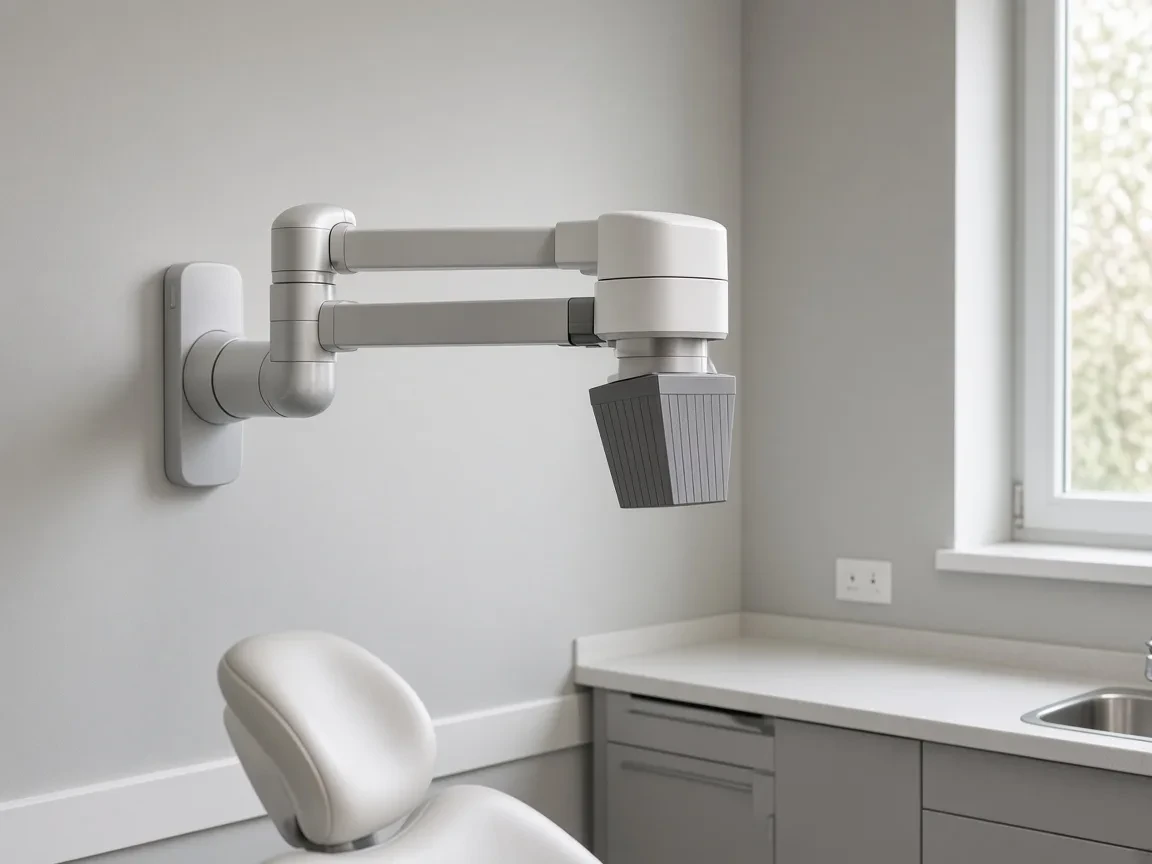
Dental X-ray Units and Phosphor Plates
Radiography, not an optical scanner: phosphor-plate readers, intraoral x-ray heads, and a panoramic unit.
Read article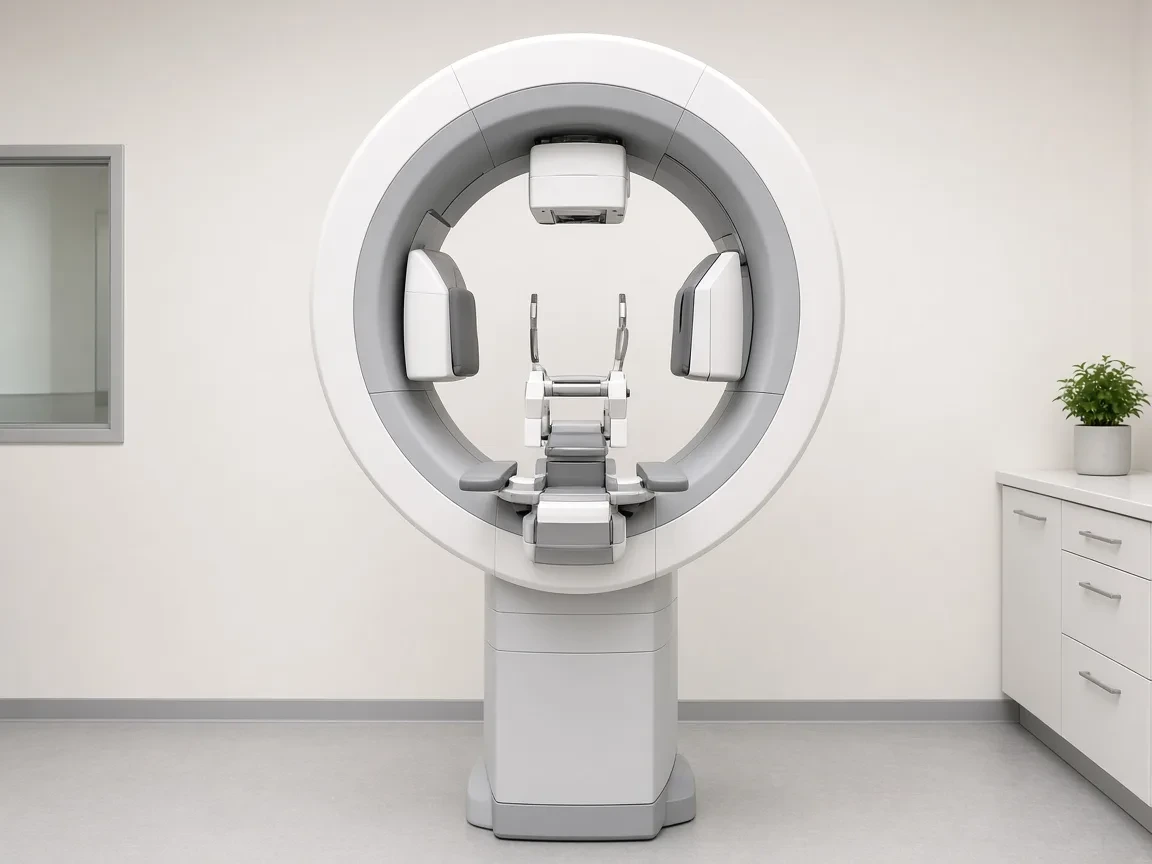
Dental CBCT Systems: How to Choose
How to choose a dental CBCT: field of view, voxel size, 2D modes, and how Planmeca, Dentsply Sirona, Carestream, Vatech, DEXIS, and Morita differ.
Read article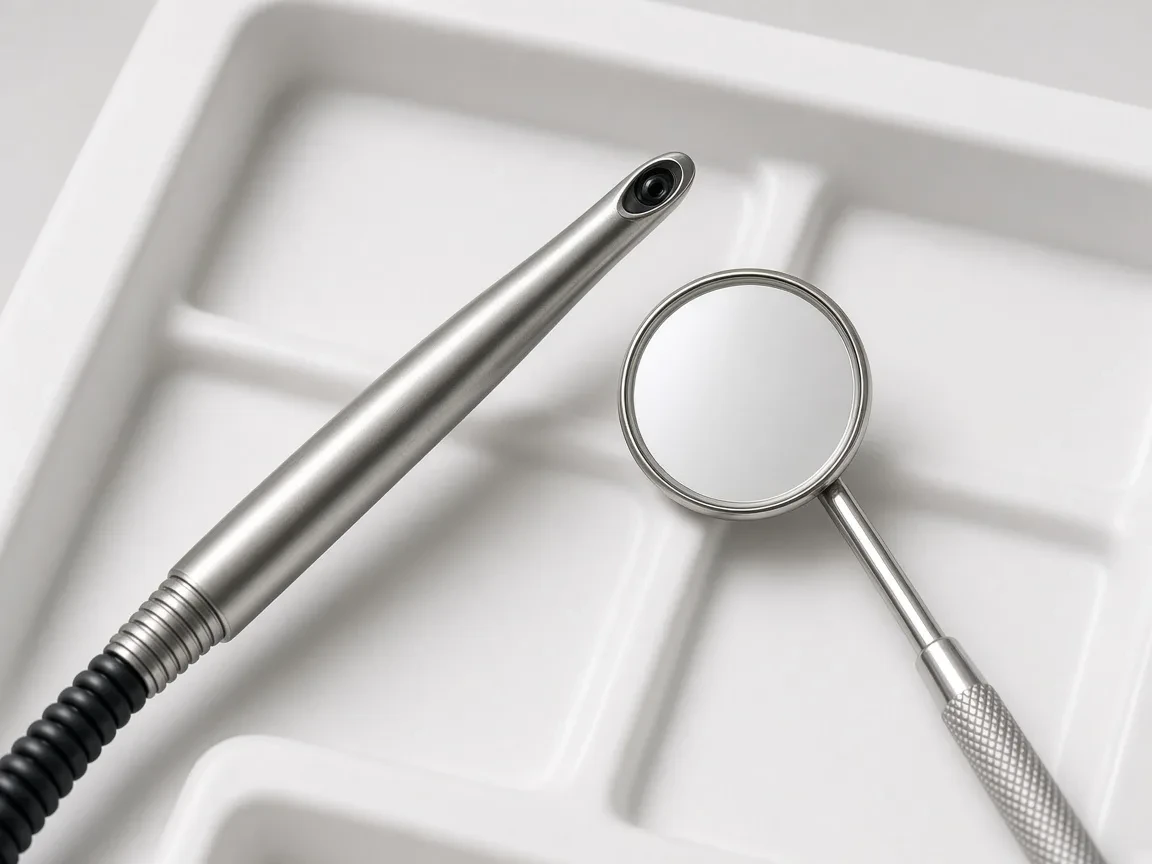
Intraoral Cameras: How to Choose
How to choose an intraoral camera: focus, capture, software, and how MouthWatch, DEXIS, Acteon, Digital Doc, and Carestream differ.
Read article
Panoramic X-ray Units: How to Choose
How to choose a dental panoramic X-ray: 2D versus combo CBCT, ceph, patient positioning, and how Planmeca, Dentsply Sirona, Vatech, Carestream, and DEXIS differ.
Read article