
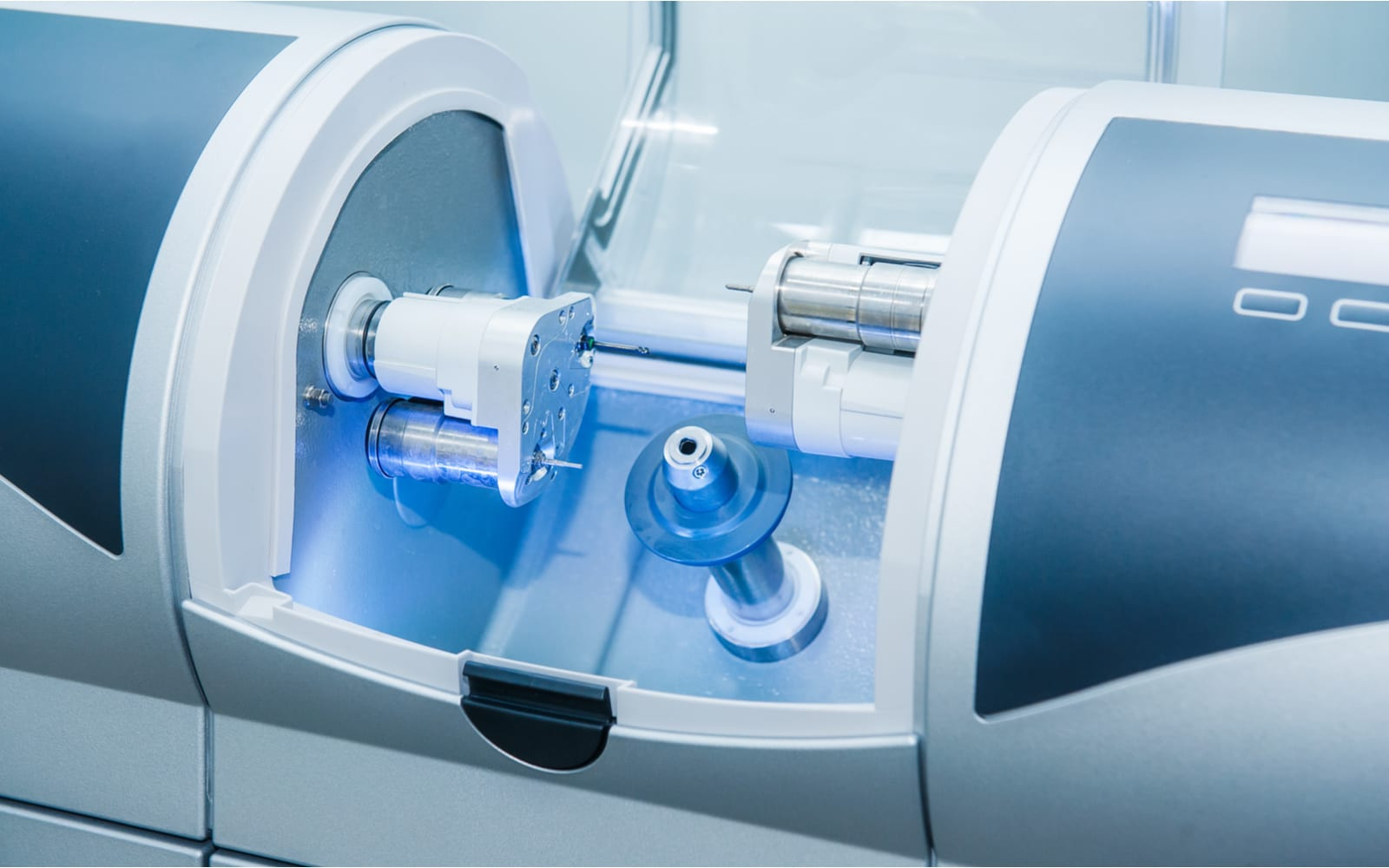
Top 5 Milling Machines (CAD/CAM) in Dentistry.
PrograMill PM7, CEREC MC XL, PlanMill 30S, Ceramill Mikro IC, and Roland DWX-4W — the five mills this page ranks.
How to Choose a Dental Milling Machine
The five ranked sections on this page are Ivoclar PrograMill PM7, Dentsply Sirona CEREC MC XL, Planmeca PlanMill 30S, Amann Girrbach Ceramill Mikro IC, and Roland DWX-4W. An older comparison chart on this URL named CEREC Primemill, PlanMill 40 S, Roland DWX-52DC, vhf S2, Ceramill Matik, IMES-iCORE 350i Pro, and Aidite AMD-500DC. Those model names are not the five product sections, so they are not in the table below.
Blocks and burs are separate purchases. See the CAD/CAM block guide and the milling bur guide. Printed restorations are a different machine class: the dental 3D printer guide.
Buying criteria that follow these five listings
- Wet, dry, or both — PM7’s listing says wet and dry. Ceramill Mikro IC and the DWX-4W say wet. PlanMill 30S names ceramic, composite, and abutment blocks and does not say wet or dry. The CEREC MC XL spec block says wet grinding is not supported, while the overview still says the unit mills and grinds ceramics.
- Axes — PM7 is the 5-axis row. MC XL, PlanMill 30S, Mikro IC, and DWX-4W each print a 4-axis system. A 5-axis requirement for full-arch bars is not a claim printed on the four 4-axis rows.
- Where it sits — MC XL is described as chairside, with a crown in about 10 minutes. PlanMill 30S is described as chairside, 20–25 minutes, open platform. DWX-4W is described as a compact wet mill for glass ceramic and composite, including small labs and chairside use. PM7 is the automated wet-and-dry unit. Mikro IC is the compact wet grinder aimed at glass ceramic and titanium.
- Tool changing — PM7 lists automatic tool and material changers. PlanMill 30S lists five tool positions. Mikro IC lists an 8-position changer. DWX-4W lists an automatic changer. The MC XL spec block says automatic tool changing: no.
- What the page does not compare — Spindle-replacement cost, a service region, and a dealer price are not printed for these five. Exocad and 3Shape are not named on the product blocks. MC XL names CEREC software. PlanMill 30S says open platform.
| Machine | What the row is | Axes and process the listing prints | Materials the listing names | Watch-out |
|---|---|---|---|---|
| PrograMill PM7 | Automated mill with an onboard PC | 5-axis, wet and dry, 970-watt spindle | Lithium disilicate, PMMA, zirconia, and more | Ionizer is described for PMMA dust. No chamber size is printed. |
| CEREC MC XL | Chairside CEREC unit | 4-axis. About 10 minutes a unit. Spec block: wet grinding not supported; automatic tool change no | Overview: ceramics and composites | Overview also says four spindle motors. The wet-grinding line and the ceramic line are both on the page. |
| PlanMill 30S | Chairside Planmeca mill | 4-axis, single spindle, up to 100,000 rpm, five tool positions, 20–25 minutes | Ceramic, composite, abutment blocks | Open platform is the integration line. This row is the 30S, which is a different model from PlanMill 40 S. |
| Ceramill Mikro IC | Compact wet grinder | 4-axis wet, 750-watt motor, 8-position changer | Titanium and glass ceramics | Carving mode “up to 60%” is the listing’s time line. This row is Mikro IC, which is a different model from Ceramill Matik. |
| DWX-4W | Compact wet mill | 4-axis wet, up to 60,000 rpm, automatic tool changer | Glass ceramic and composite resin | “Up to three patients a day” is the listing’s throughput line. This row is the wet DWX-4W, which is a different model from the dry DWX-52DC. |
1. PrograMill PM7 — Ivoclar

The Ivoclar PrograMill PM7 listing describes a 5-axis mill for wet and dry processing, with an integrated PC and touchscreen, automatic tool and material changers, and a 970-watt spindle with servomotors. Materials named in the product block include lithium disilicate, PMMA, and zirconia. A built-in ionizer is described as cutting PMMA dust and cleaning time. Applications named: inlays, onlays, crowns, bridges, frameworks, full-contour restorations, provisionals, and implant-supported structures.
Who it is for: A lab that wants one listing’s wet-and-dry 5-axis unit, with tool and material changing handled on the machine.
Tradeoff: The page prints watts, axis count, and the ionizer. It does not print a blank size, a spindle speed, or a price. “And more” on materials is the listing’s phrase, not a full disk library.
2. CEREC MC XL — Dentsply Sirona

The CEREC MC XL listing describes a chairside unit tied to CEREC software. The overview says four spindle motors and milling or grinding of ceramics and composites, including inlays, onlays, crowns, veneers, bridges, abutments, and surgical guides, with a crown in about 10 minutes. The spec block prints 4 axes, block size up to 85 × 40 × 22 mm, dimensions 42 × 70 × 40 cm, weight 43 kg, power 100–230 V, 50/60 Hz, 1.5–3.5 A, automatic tool changing “no,” and wet grinding “not supported.”
Who it is for: A CEREC chairside workflow when the 4-axis unit, the 10-minute crown line, and the published block size are the machine you mean to buy.
Tradeoff: The overview’s ceramic-grinding description and the spec line “wet grinding: not supported” are both printed here. This guide does not overwrite either line. No tool-changer count is added, because the spec says automatic tool changing is not included.
3. PlanMill 30S — Planmeca

The Planmeca PlanMill 30S listing describes a chairside 4-axis mill with a single spindle, up to 100,000 rpm, a linear-motor rotary axis, and a five-position tool changer. Milling time is printed as 20–25 minutes. Materials named: ceramic, composite, and abutment blocks. The platform line says open integration with most dental systems. Applications named: single- and multi-unit crowns, inlays, onlays, veneers, abutments, and implant restorations.
Who it is for: A chairside Planmeca workflow when a 4-axis, five-tool, open-platform 30S is the unit in the catalog row.
Tradeoff: Wet versus dry is not stated on this row. PlanMill 40 S was on the old chart and is a different model; it is not this heading. No exterior dimensions are printed.
4. Ceramill Mikro IC — Amann Girrbach

The Amann Girrbach Ceramill Mikro IC listing describes a compact 4-axis wet mill with a 750-watt motor and an 8-position automatic tool changer. Materials named: titanium, glass ceramics, and other hard materials. The listing describes DNA milling strategies, a carving mode that cuts processing time by up to 60%, and a thrilling mode for adapting standard CAD blocks into assemblies. Applications named: inlays, onlays, full-contour crowns, bridges, veneers, and titanium or glass-ceramic work.
Who it is for: Wet grinding of glass ceramic or titanium when the 4-axis Mikro IC, the 750-watt motor, and the eight-tool changer are the spec you are ordering.
Tradeoff: The 60% carving-mode figure is the listing’s claim. Ceramill Matik was on the old chart and is a different machine. Dry zirconia is not what this row’s process line says.
5. DWX-4W — Roland

The Roland DWX-4W listing describes a compact 4-axis wet mill for glass ceramic and composite resin, with ball-screw axis control, a multi-pin clamp, an automatic tool changer, one-button operation, and a spindle up to 60,000 rpm. Applications named: crowns, inlays, onlays, veneers, and three-unit bridges. The throughput line says restorations for up to three patients a day without interruption. The listing places it in a small lab or at chairside.
Who it is for: Wet glass-ceramic and composite work when a 4-axis DWX-4W, a 60,000 rpm spindle, and that three-patient throughput line match the job.
Tradeoff: Dry zirconia is the DWX-52DC story from the old chart, and that model is not this row. The page does not print a blank count beyond the multi-pin clamp description, and it does not print a price.
Related articles
Keep exploring related topics from Dental Country.
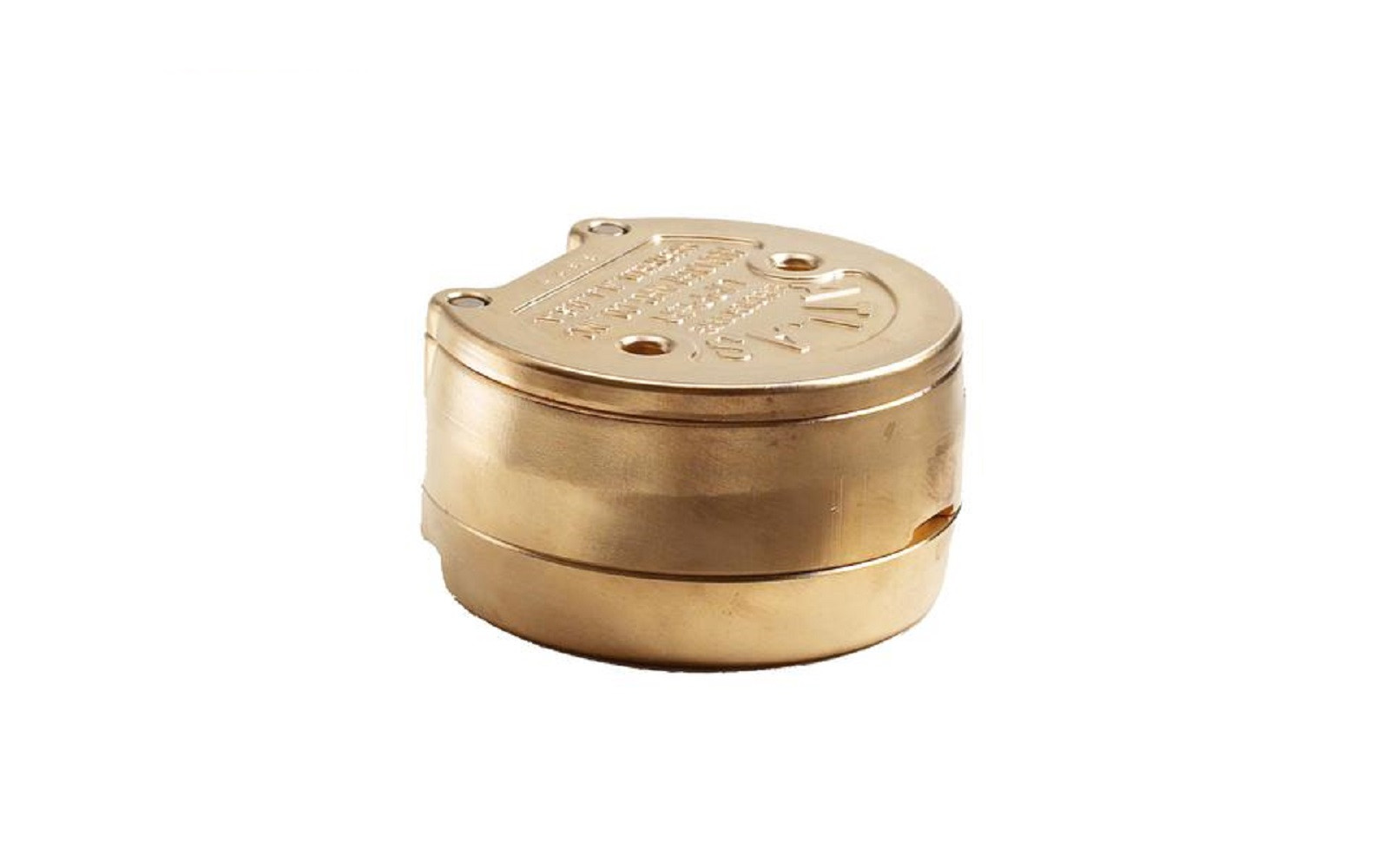
Top 10 Dental Flasks & Presses for Labs
Compare denture flasks, hydraulic presses, and pressure pots — Atlas 44 bronze, Handler Big Boy, and Lang Aquapres.
Read article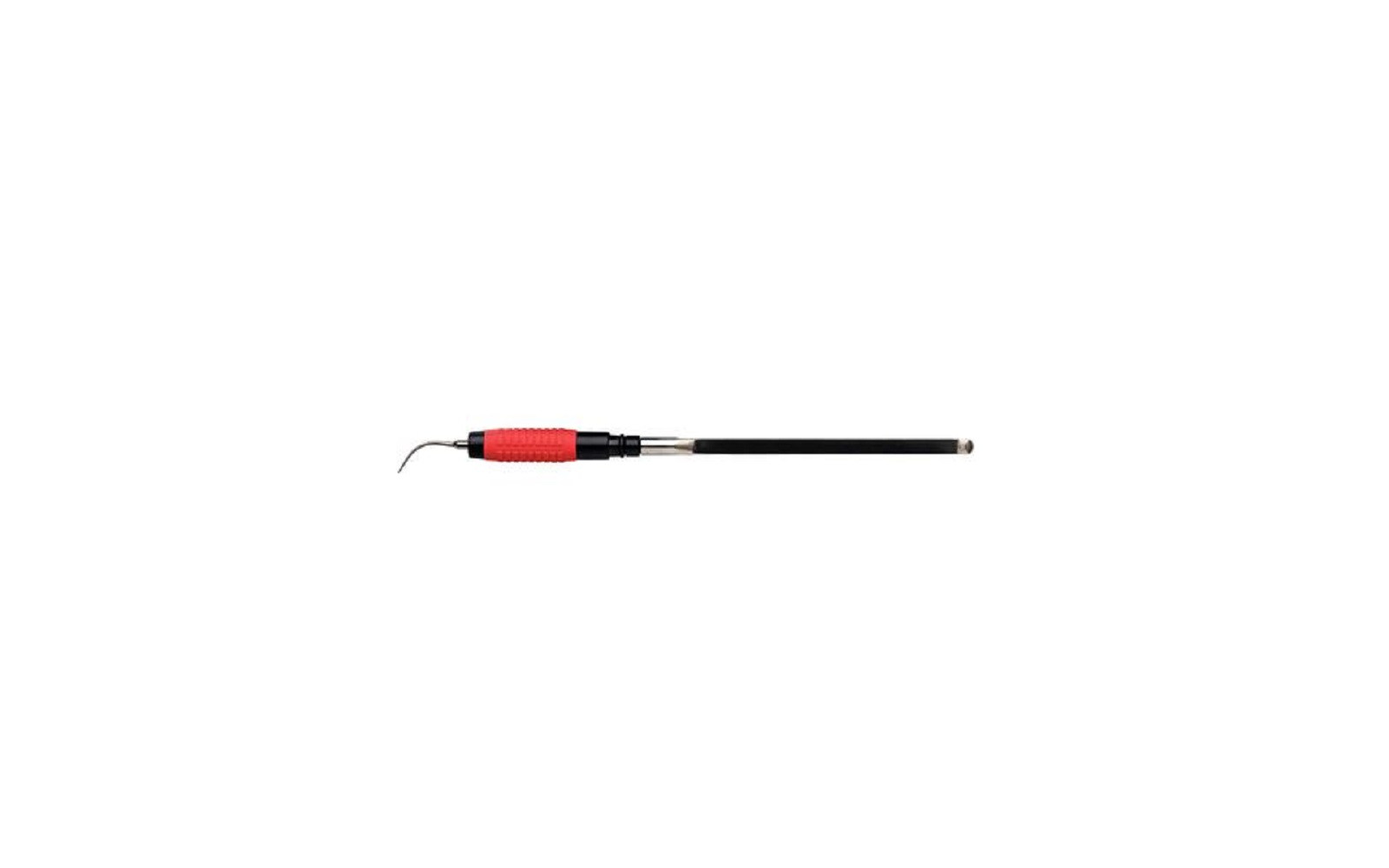
Top 10 Periotomes in Dentistry
Compare anterior and posterior periotomes from Premier, Hu-Friedy, Directa Luxator, TBS, and Nordent for atraumatic extractions.
Read article
Top 10 Bottle Cleaners for Dentists
Compare the best Bottle Cleaners for Dentists — our researched Top 10 ranking of the leading brands and options to help you choose the right fit for your practice.
Read article
7 Dental Websites to be Inspired by
Compare the best 7 Dental Websites to be Inspired by, ranked on performance, features, and value to help you choose the right fit for your practice.
Read article