
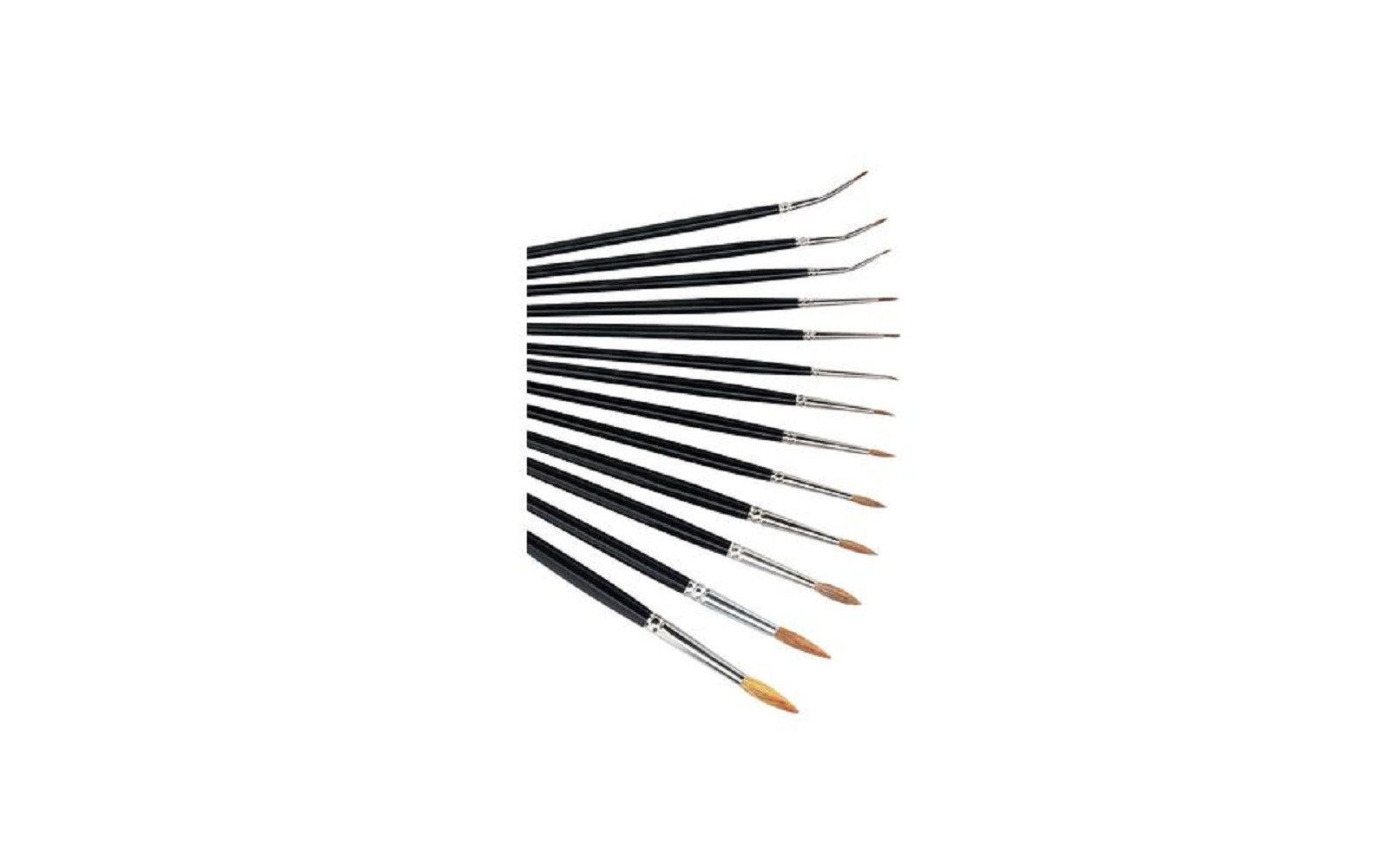
Top 10 Porcelain Brushes for Dental Labs.
Compare Kolinsky, red sable, and synthetic porcelain brushes from Renfert, Dixon, and Patterson for build-up, stain, and glaze.
How to Choose a Porcelain Brush for the Bench
A porcelain brush is a moisture-and-powder tool, not a paintbrush that happens to live in a dental lab. The tip has to pick up a controlled amount of modeling liquid, lay ceramic without ditching or flooding, and spring back to a point after you wipe it on a napkin. The wrong hair — or the right hair in the wrong size — is how you get dry ledges, gray contamination, and a glaze that looks wiped instead of fired.
Hair type is the first split. Kolinsky red sable (the weasel family, not “any brown hair”) holds liquid in the belly and tapers to a needle. That is why it still dominates build-up and internal stain. Ordinary red sable is similar but usually less fine and less expensive — good for stain and general wet work. Synthetic (Renfert Takanishi acrylic, Ceramicus microhair, Biobond Permalon) keeps a point after repeated porcelain cycles and does not shed animal hair into a shoulder. Synthetics are also the honest answer if the lab has a no-animal-hair policy or if techs destroy sable tips by standing them wet in a dappen dish.
Size and shape are the second split. Large rounds (6, 8) move body and enamel. Mid sizes (2, 4) build mamelons and incisal effects. 00 / 000 and 1/0 tips stain and glaze. Flats and 45° angles load opaque or shoulder porcelain while the hand stays on the bench. A “set of ten identical #4 sables” is not a porcelain kit.
Buying criteria that change the restoration
- Hair vs job — Kolinsky or Genius natural hair for wet build-up; Takanishi or Ceramicus when you want a stable synthetic point; tiny stain brushes (00/000) as a separate pair, not a worn-down build-up brush.
- Point memory — after you load porcelain, the tip should return. Splayed tips drag grooves. Renfert’s Ceramicus pitch is specifically “no splaying after every build-up.”
- Liquid reservoir — natural Kolinsky holds more moisture; synthetics can feel “drier” until you change your liquid ratio. Do not chase that by drowning the powder.
- Handle and storage — a light, non-slip handle matters for eight-hour benches. Genius hides a protective sleeve in the handle so you can store the brush standing on the tip ( Renfert’s stated method to keep porcelain out of the ferrule).
- Contamination — dedicated brushes for stain, glaze, and metal-opaque. A DuraLay pattern-resin brush is not a ceramic brush, even if it is sable.
Brush comparison
| Brush | Maker | Hair | Typical sizes / shape | Primary job | Tradeoff |
|---|---|---|---|---|---|
| Patterson red sable | Patterson | Red sable | Round stain / tint sizes | Everyday ceramic stain and tint | House-brand; hair grade not published as Kolinsky |
| Dixon red sable rounds | Dixon | Pure red sable, aluminum ferrule, wood handle | Needle-point rounds | Fine stain and characterization | Wood handles vary; not a full build-up system |
| Takanishi | Renfert | Synthetic acrylic | 1/0–8 plus opaquer; 00/000 stain set | Build-up and porcelain reduction | Less liquid belly than Kolinsky |
| Kolinsky | Renfert | Natural Kolinsky red sable | Set 1, 2, 4, 6, 8, 1/0 | Classic wet ceramic build-up; 1 and 1/0 for stain/glaze | Costs more; ruined by poor drying / storage |
| DuraLay sable | Reliance | Sable | Resin-application sizes | Mixing and placing DuraLay pattern resin | Wrong chemistry for porcelain powder |
| Takanishi stain 00 / 000 | Renfert | Synthetic | 00 and 000 pair | Internal and external stain lines | Too small to build body porcelain |
| Genius | Renfert | Natural hair (A1 Kolinsky-quality) | 2, 4, 6, 8; sleeve in handle | All-day build-up with tip protection | Premium price; refill hairs, do not mash the sleeve |
| Ceramicus | Renfert | Synthetic microhair | Build-up set, 00/000 stain, opaquer, “Big Brush” | Techs who want sable behavior without sable | Feel is different — give it a week before judging |
| Dixon angled / flat sable | Dixon | Red sable, 45° or flat | Angle and flat | Shoulder, opaque, and rest-on-the-bench work | Not for mamelon sculpture |
| Biobond Permalon flats | Dentsply-line Biobond | Permalon synthetic | Flat (e.g. size 4) | Loading porcelain in a flat stroke | Flat only — still need a round pointed brush |
Porcelain stains · Dental porcelain
1. Patterson® Red Sable Brushes

Patterson’s red sable brushes are the distributor house-brand version of the stain-and-tint brush every ceramic bench already owns: animal hair, a usable point, sold to labs that need replacements in bulk rather than a named German system.
They are at their best on external stain, glaze adjustments, and small characterizations — the work where you want a wet tip and do not want to dip a $80 Kolinsky into a metal-oxide stain pot. Patterson does not publish a Kolinsky grade or a protective handle sleeve. Treat them as consumable stain brushes, not as your only build-up instrument.
Who it is for: in-house labs and high-volume stain bays that go through brushes and want a familiar sable feel without a Renfert invoice.
Tradeoff: hair quality is “red sable,” which varies more than a named Kolinsky lot. If the tip opens after a week, retire it to glaze wipe-off; do not keep sculpting incisal edges with a broom.
2. Red Sable Brushes — Dixon Inc

Dixon’s rounds use a pure red sable tip, a seamless aluminum ferrule, and a wood handle. The marketing claim that matters is the taper: the hair is dressed to a needle point for tinting and staining ceramic, not for moving a scoop of body porcelain across a molar occlusal.
The aluminum ferrule is the practical upgrade over cheap crimped ferrules that collect dried porcelain and rust-stain the hair. Wood is comfortable and traditional; it is also the part that warps if brushes are left standing in liquid.
Who it is for: technicians who want a named sable stain brush with a real ferrule and already own larger build-up brushes from Renfert or another ceramic line.
Tradeoff: this is not a size-graded porcelain system. You will still need a 6 or 8 for build-up and a dedicated synthetic if your medical director banned animal hair. Keep Dixon stains away from DuraLay and from metal-bond opaque that you do not want in a glaze brush.
3. Takanishi Acrylic Bristle Brushes — Renfert

Takanishi is Renfert’s long-running synthetic ceramic brush. The official page calls out a stable tip, highly flexible bristles, and suitability for porcelain reduction as well as build-up — the opposite of a floppy sable that only wants to add wet powder. Hair is synthetic on every catalog size, from the 00/000 stain pair through 1/0–8 and a dedicated opaquer.
Densely packed acrylic is why Takanishi became the default “I ruined my Kolinsky” replacement. The point survives wiping, and the hair does not have the batch-to-batch belly of natural sable. Liquid handling is drier; experienced techs shorten the wet time on the glass rather than flooding the powder.
Who it is for: production benches, training labs, and anyone who builds a lot of zirconia or lithium disilicate veneers and wants the same tip on Monday and Friday.
Tradeoff: it will not feel like Kolinsky on day one. If you need maximum moisture hold for a large enamel layer, keep a Renfert Kolinsky or Genius in the same drawer and use Takanishi for cut-back and corrective additions.
4. Kolinsky Brushes — Renfert

Renfert’s Kolinsky line is explicit: natural Kolinsky red sable, a fine flexible tip, and an “optimum liquid reservoir.” The set is six sizes — 1, 2, 4, 6, 8, and 1/0. Renfert assigns sizes 1 and 1/0 to stain/glaze and the middle/large sizes to build-up. That mapping is more useful than buying “a Kolinsky” and using it for everything.
This is still the reference feel for wet ceramic: the belly feeds the point, the point places a cusp without dumping a blob, and the hair forgives a slightly wetter mix. It is also the easiest brush to destroy — standing it wet, loading it with dried porcelain at the ferrule, or using it to mix stain paste.
Who it is for: ceramic specialists and small labs that fire fewer units per day and want control more than they want a bulletproof synthetic.
Tradeoff: price and maintenance. A Kolinsky that has splayed is a worse tool than a $25 Takanishi that still points. If animal hair is a procurement problem, skip to Ceramicus or Takanishi instead of buying a mid-grade “sable” that is neither.
5. DuraLay Sable Brush — Reliance Dental

Reliance sells this sable for DuraLay inlay pattern resin — mixing and placing acrylic pattern material, not ceramic powder. It is on porcelain-brush lists because catalogs lump “sable, dental, small” together. Clinically it belongs next to the DuraLay liquid, not next to the modeling liquid.
Pattern resin is sticky, sets fast, and wrecks a ceramic brush. Using a dedicated DuraLay sable (and throwing it away when the ferrule fills with polymer) is how you keep the $70 Genius out of the trash. Do not “just rinse it” and go back to enamel porcelain; residual monomer and pigment are not a glaze effect you want.
Who it is for: crown-and-bridge techs who still wax/resin patterns or do intraoral pattern pickups, and dentists who build resin copings chairside.
Tradeoff: if you came to this page for a porcelain build-up brush, this is the wrong SKU. Keep it in the resin drawer, labeled.
6. Takanishi Stain Brushes — Size 00 and 000

Renfert sells Takanishi stain brushes as a 00 and 000 pair (item 17010000). Same synthetic acrylic as the build-up line, packed to stay pointed, sized so you can draw a fissure stain or a cervical blend without dragging a #4 across the incisal.
These are the brushes that should live in the stain palette, not in the build-up cup. Once a 00 has been through brown fissure stain, it is no longer an enamel brush. The synthetic hair is the right call here: stain oxides are harder on tips than modeling porcelain, and you will replace this pair more often than a Genius 8.
Who it is for: anyone who already owns larger Takanishi or Kolinsky rounds and is still staining with a chewed-down build-up brush.
Tradeoff: useless for body porcelain. If you only buy one pair of brushes this year and you build crowns, buy a 4 and a 6 first, then this pair.
7. Genius Porcelain Brush — Renfert

Genius is Renfert’s natural-hair build-up brush with a modern handle: non-slip grip and a protective sleeve stored in the handle that slides over the tip. Renfert tells you to store the brush standing on that protected tip so porcelain does not migrate into the ferrule. Sizes are 2, 4, 6, and 8, sold as a set or as refills — the handle is meant to outlive the hair.
The hair is natural (Renfert’s “A1 Kolinsky quality” language in dealer copy; the US product page lists natural hair for build-up). Closely packed points and a handle you can actually hold for a full case are the reasons labs pay up. Refill tips are the feature that makes the price rational.
Who it is for: full-time ceramic technicians who want Kolinsky-class hair and a storage system that does not rely on a separate cap rolling off the bench.
Tradeoff: it is a build-up tool. Pair it with a 00/000 stain brush. Do not use the sleeve as a hammer, and do not store it wet inside the sleeve — you will grow a porcelain crust in the one place the design was meant to keep clean.
8. Ceramicus — Renfert

Ceramicus is Renfert’s answer to the natural-vs-synthetic argument: a proprietary synthetic microhair, densely packed, with enough resilience that the company advertises no splaying after each porcelain build-up. The range is a full bench — build-up sizes, a 00/000 stain set, 1/0 and 2/0 stain sizes, a “Big Brush,” and an opaquer — all synthetic.
If Takanishi is the proven acrylic workhorse, Ceramicus is the newer microhair that is supposed to give you sable-like point and tension without the animal hair. Techs who switch usually notice two things: the tip stays dressed longer, and the liquid pickup is not identical to Kolinsky. Adjust the wetness; do not press harder.
Who it is for: labs standardizing on one synthetic family for build-up, stain, and opaque so every brush in the rack behaves the same.
Tradeoff: “superior to both types” is Renfert’s claim, not a lab study. Try a 4 and a stain pair before you retire a drawer of Kolinsky. Some ceramists still want one natural-hair brush for wet enamel layers.
9. Angled and Flat Red Sable Brushes — Dixon Inc

Dixon’s angled and flat sables exist because a round point is the wrong geometry for some porcelain. The 45° angled tip lets you rest your hand on the bench and still reach a facial shoulder or a lingual band. Flats load opaque and shoulder porcelain in a single pass instead of stippling with a round.
These are complementary tools, not replacements for a #6 round. Use the angle when access is awkward (lingual of a lower anterior, distal of a molar pontic). Use the flat when you want an even opaque skin. Same red sable and aluminum-ferrule construction as Dixon’s rounds.
Who it is for: techs who already have pointed rounds and keep leaving ridges in opaque or shaking through a long shoulder.
Tradeoff: a flat will not sculpt mamelons. An angle used as a general build-up brush leaves directional strokes you then have to erase. Keep them in the opaque/shoulder cup.
10. Biobond® Porcelain Brushes — Flat

Biobond flats (commonly listed as Permalon™ fiber, size 4) are synthetic porcelain brushes from the old Dentsply Biobond ceramic ecosystem. The point of Permalon — in dealer language — is that the fiber stays usable long after sable would have hooked and split.
A size-4 flat is an opaque-and-spread brush. It will not replace a pointed Kolinsky for incisal porcelain. It will replace the habit of scrubbing opaque on with a worn round and leaving streaks that show through after glaze. If your lab still has Biobond porcelain on the shelf, these brushes match that workflow; they also work as generic flats on modern zirconia porcelains.
Who it is for: labs that want a durable synthetic flat and already think in “load, spread, condense” rather than “pick and place.”
Tradeoff: one flat is not a porcelain kit. Buy a pointed synthetic (Takanishi or Ceramicus) for sculpture. And do not assume Biobond-branded hair is available forever in every size — stock the flats you actually wear out.
Frequently Asked Questions
Kolinsky or synthetic for porcelain build-up?
Kolinsky red sable still holds more modeling liquid and is the classic wet-build brush. Synthetics such as Renfert Takanishi and Ceramicus keep a point longer and avoid animal hair. Many benches keep one Kolinsky or Genius for enamel layers and a synthetic for cut-back, opaque, and training.
What brush size should I use for ceramic stain?
Use 00, 000, or 1/0 stain brushes — Renfert assigns Kolinsky sizes 1 and 1/0 and Takanishi/Ceramicus 00/000 pairs to stain and glaze. A worn #4 build-up brush makes muddy stains and contaminates your build-up cup.
Can I use a DuraLay sable on porcelain?
You can, and you will regret it. DuraLay brushes are for pattern resin. Residual acrylic and pigment contaminate ceramic. Keep a cheap dedicated sable in the resin drawer.
How should I store porcelain brushes?
Clean, reshape the tip, and dry with the hair protected. Renfert’s Genius is designed to store standing on a sleeved tip so porcelain does not collect in the ferrule. Do not leave any ceramic brush standing in liquid.
Read next
Related articles
Keep exploring related topics from Dental Country.
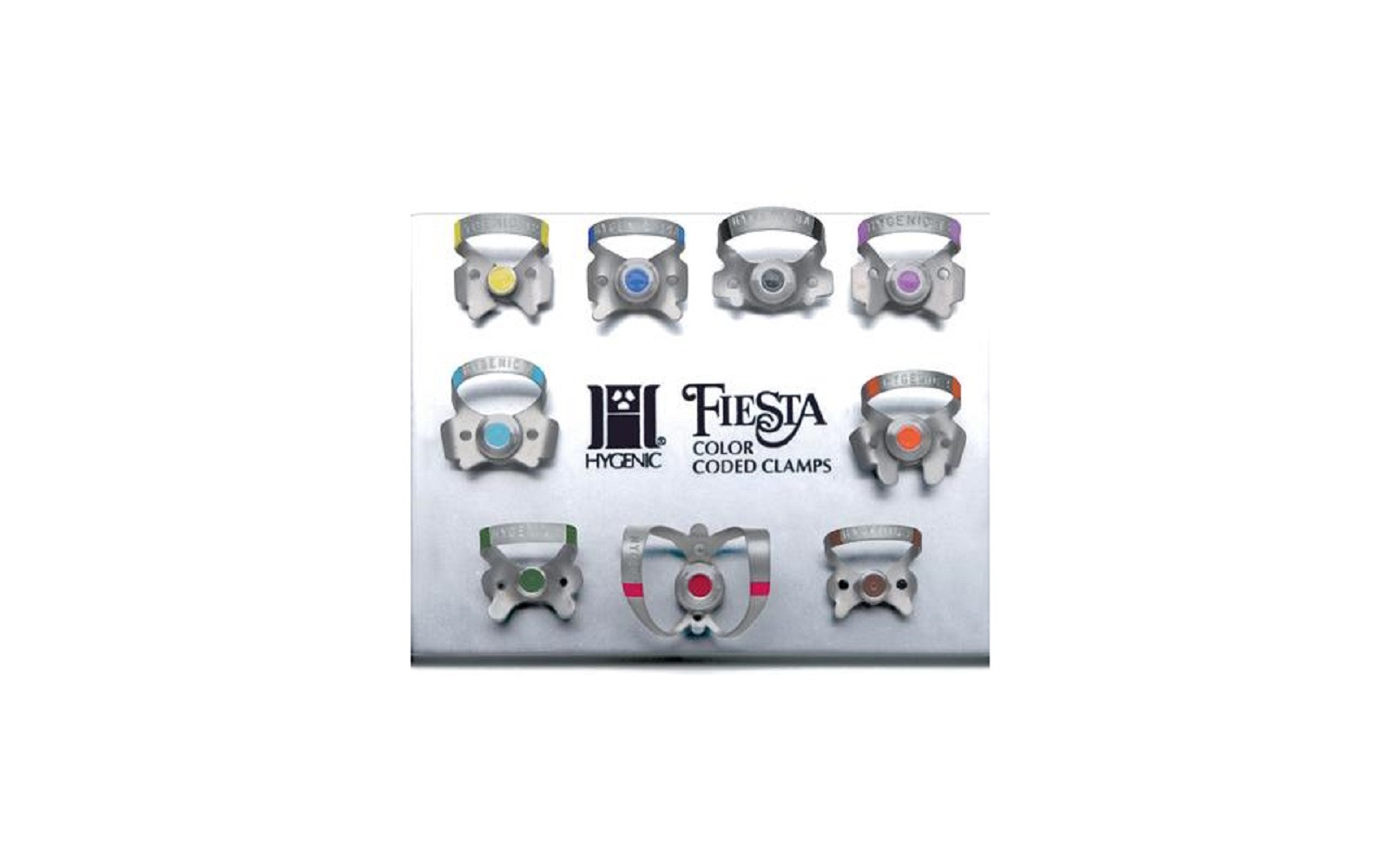
Top 10 Rubber Dam Clamps for Root Canals
Compare winged, wingless, Brinker, and serrated rubber dam clamps from Hu-Friedy, Coltene, and Kulzer for root-canal isolation.
Read article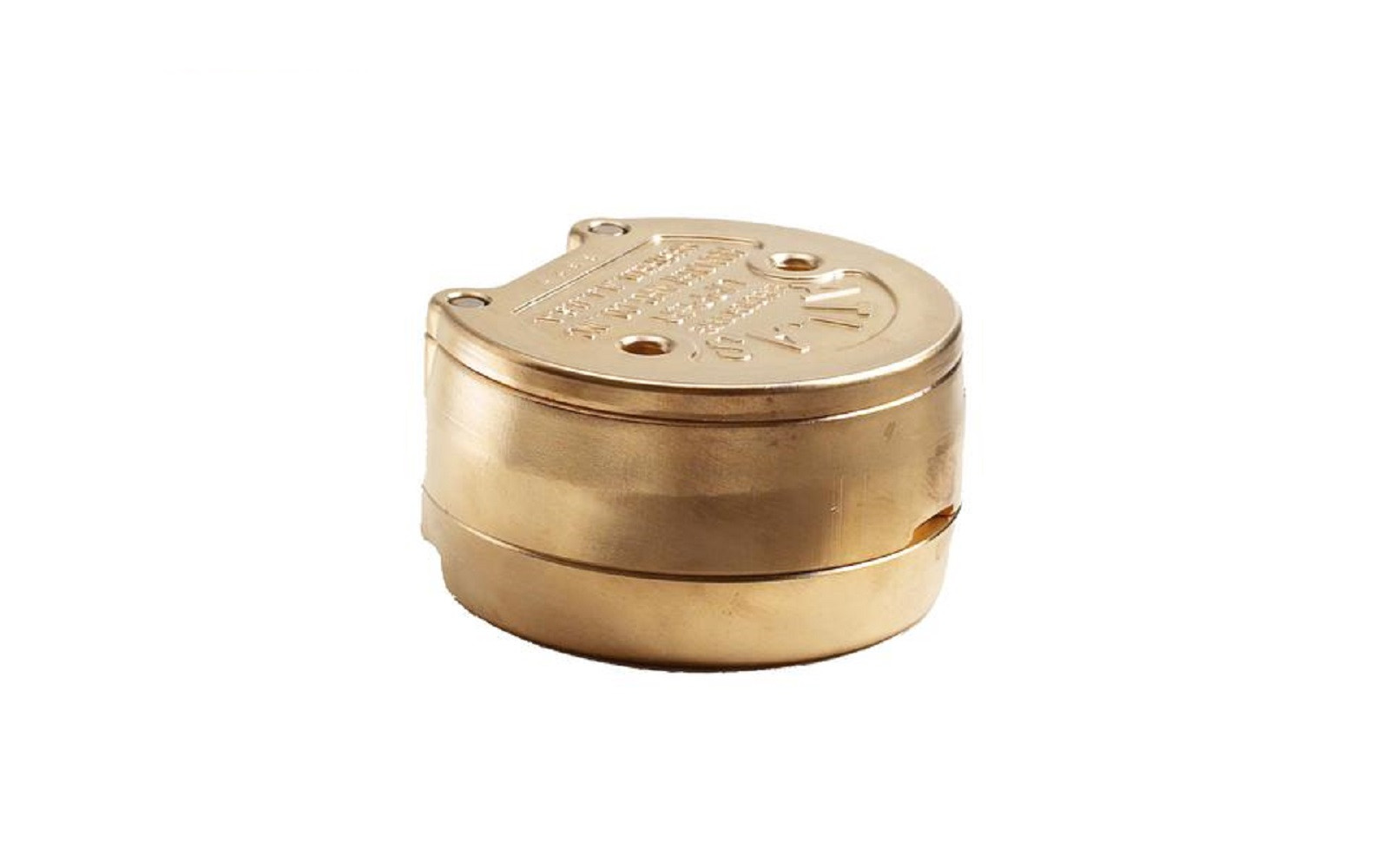
Top 10 Dental Flasks & Presses for Labs
Compare denture flasks, hydraulic presses, and pressure pots — Atlas 44 bronze, Handler Big Boy, and Lang Aquapres.
Read article
Top 10 Bottle Cleaners for Dentists
Compare the best Bottle Cleaners for Dentists — our researched Top 10 ranking of the leading brands and options to help you choose the right fit for your practice.
Read article
7 Dental Websites to be Inspired by
Compare the best 7 Dental Websites to be Inspired by, ranked on performance, features, and value to help you choose the right fit for your practice.
Read article