
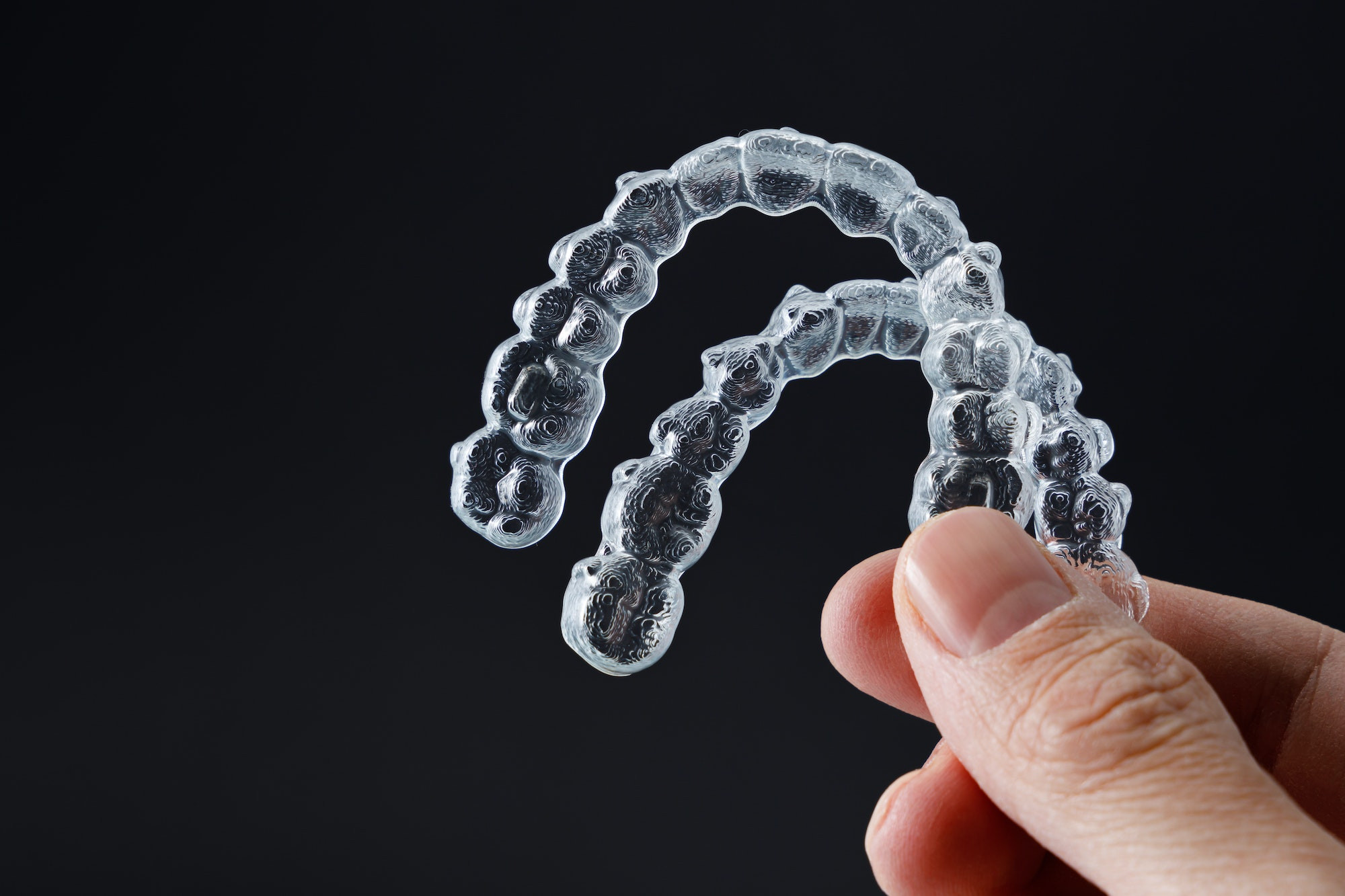
Invisalign vs. ClearCorrect.
Compare Invisalign and ClearCorrect clear aligners on cost, comfort, monitoring, and brand ecosystem. See how to choose with your orthodontist’s guidance.
Is ClearCorrect a Strong Alternative to Invisalign?
Invisalign (Align Technology) and ClearCorrect (a Straumann Group brand) are both doctor-directed clear aligner systems. They share the same basic idea — sequential removable trays that move teeth — but differ in brand ecosystem, provider networks, case selection habits, and pricing in the real world. Neither is a mail-order DIY kit. This comparison focuses on cost, comfort, monitoring, and who might prefer each system.

Quick Comparison
| Factor | Invisalign | ClearCorrect |
|---|---|---|
| Parent company | Align Technology | Straumann Group |
| Typical fee range | About $3,000–$8,000 | Often lower mid-range; varies by office |
| Planning software | ClinCheck and Align digital suite | ClearCorrect / Straumann digital workflow |
| Visibility | Clear trays; attachments common | Clear trays; attachments as needed |
| Monitoring | In-office visits; some practices use remote photo tools | In-office visits; digital records per provider setup |
| Best for | Wide case range with experienced Invisalign providers | Cost-conscious aligner cases with ClearCorrect-trained clinicians |
| Retainers | Required after treatment | Required after treatment |
Cost and Value
Office fees vary more than manufacturer list prices. Invisalign’s brand recognition and extensive education network can price higher in competitive markets. ClearCorrect is frequently positioned as a value-oriented clinical alternative, but a complex ClearCorrect case can still outcost a simple Invisalign Lite-style plan. Always compare comprehensive quotes that include records, attachments, refinements, and retainers.
Treatment Process and Timeline
Both systems begin with an exam, records (scans or impressions), and a staged digital setup your dentist or orthodontist approves. You wear trays most of the day, changing them on a schedule, and return for progress checks. Average aligner timelines often fall in a 6–18 month window for mild-to-moderate cases; complex movements take longer regardless of logo. Provider skill and patient wear time matter more than brand slogans.
Comfort, Materials, and Monitoring
Modern aligner plastics are designed for comfort, but edges, attachments, and new-tray pressure can still irritate. Invisalign’s SmartTrack material and mature accessories ecosystem are widely documented; ClearCorrect uses its own Straumann-aligned material science and workflows. Remote monitoring apps and photo check-ins depend on what your specific clinic offers — ask, do not assume the consumer ad applies to your office.
Risks and Limitations
Missed wear hours stall either brand. Not every bite should be treated with aligners alone. Unsupervised mail-order aligners are a different category and outside this brand-to-brand clinical comparison. Gum disease, untreated decay, and unrealistic Instagram goals should be resolved before trays begin.
The Case for Invisalign
Pros
- Largest brand footprint — Many orthodontists have deep Invisalign case experience.
- Mature digital planning tools — ClinCheck visualizations are familiar in consults.
- Broad product tiers — Options for milder versus comprehensive needs depending on the office.
- Strong mindshare — Easier to find providers who treat aligners weekly.
Cons
- Often priced at a premium — You may pay for brand + ecosystem.
- Still compliance dependent — Trays only work when worn.
- Attachments still common — “Invisible” does not always mean attachment-free.
The Case for ClearCorrect
Pros
- Competitive pricing in many offices — Attractive for budget-sensitive aligner candidates.
- Doctor-directed like Invisalign — Clinical oversight rather than pure mail-order.
- Straumann Group backing — Tied to a major dental manufacturer ecosystem.
- Solid option for appropriate mild–moderate cases — When your provider knows the system well.
Cons
- Smaller everyday brand recognition — Fewer patients start by asking for it by name.
- Provider experience varies — Ask how many ClearCorrect cases they finish per year.
- Complex bites may still need braces or hybrid plans — Brand alone does not expand biology.
Who Should Choose Which?
- Lean Invisalign if you want the most widely available aligner ecosystem and your preferred specialist is Invisalign-focused.
- Lean ClearCorrect if your trusted provider recommends it for your case and the comprehensive fee is meaningfully better.
- Choose neither mail-order path if you have bite problems that need in-person diagnosis, radiographs, and periodontal evaluation.
Questions to Ask Either Brand’s Provider
How many aligner cases do you finish each year with this system? What is included in refinements if teeth do not track? Will I need elastics, IPR (polishing between teeth), or attachments? What is the retainer plan and replacement cost? Can I see photos of cases like mine — not just ideal marketing smiles?
Those answers reveal clinical fit better than a brand brochure. If a provider only offers one aligner system, that is fine when their results are strong; just compare their comprehensive fee and communication style against another consult before you commit.
How to Decide
Pick the clinician and comprehensive plan first, then the aligner brand they use best. A well-managed ClearCorrect case beats a poorly supervised Invisalign case — and the reverse is also true. Ask about refinement policies, estimated wear hours, and retainer plans before you sign.
For neutral background before your visit, review AAO clear aligner guidance and MouthHealthy orthodontics overview.
Need a shorter answer first? See our FAQ: Invisalign vs ClearCorrect: how do they compare?.
Related comparisons: Invisalign vs. traditional braces | Invisalign vs braces FAQ | At-home aligners vs Invisalign.
When you are ready for a case-specific recommendation, find a dentist near you through Dental Country and ask which option fits your diagnosis, timeline, and budget.
Frequently Asked Questions
Is ClearCorrect owned by Invisalign?
No. Invisalign is Align Technology. ClearCorrect is part of the Straumann Group. Older marketing copy sometimes confuses the brands — verify ownership on each company’s materials.
Which is more comfortable?
Comfort is individual and depends on trim, attachments, and tooth movement stages. Trial fit and your provider’s finishing style matter more than online anecdotes.
Can either replace braces for tough cases?
Experienced providers treat many complex cases with aligners, sometimes with elastics or hybrid braces phases. Skeletal problems may still need more than trays.
Do both need retainers afterward?
Yes. Retention is part of orthodontics with any appliance brand. Budget for retainers and replacement schedules.
Related articles
Keep exploring related topics from Dental Country.

5 Best Dry Mouth Gum Brands
What is a dry mouth? A dry mouth, also known as xerostomia, is a condition where the salivary glands in the mouth do not produce enough saliva.
Read article
Top 10 Mouthwashes & Rinses for Your Mouth and Teeth
Find the right Mouthwashes & Rinses for Your Mouth and Teeth for your practice, compared on performance, features, and value.
Read article
Top 10 Specialty Toothbrushes
See our researched ranking of the top Specialty Toothbrushes, compared on quality, features, and value so you can choose with confidence.
Read article
Top 10 Toothbrushes in Dental Offices
See our researched ranking of the top Toothbrushes in Dental Offices, compared on quality, features, and value so you can choose with confidence.
Read article