
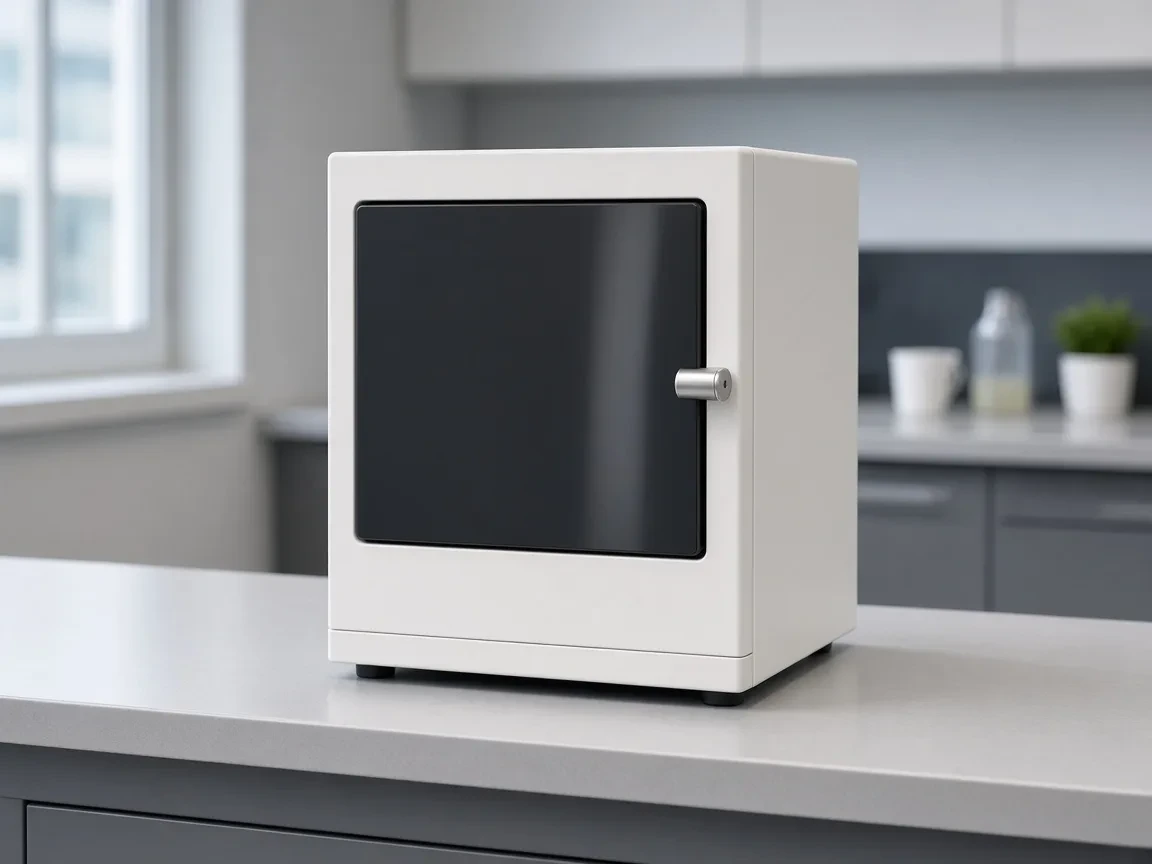
Dental Porcelain Furnaces: How to Choose.
How to choose a porcelain furnace: pressing, firing, and zirconia sintering are different machines, including Programat, Dekema, and Whip Mix.

Reviewed by Dr. Sean Myran, DMDDoctor of Dental Medicine, University of Pennsylvania
How we rank explains how these product lists are ordered.
A porcelain furnace, a press furnace, and a zirconia sintering furnace are three machines that catalogs file in one corner of the lab. Pressing a glass-ceramic ingot, firing layered porcelain, and sintering zirconia are not the same cycle. A press furnace will not sinter a zirconia crown. Furnace trays and pillows are a separate accessory list: furnace trays and pillows.
The mill guide is the machine that cuts the restoration. This page is the oven that finishes it.
How to choose a porcelain furnace
- Name the material first. Pressed glass-ceramic needs a press furnace and the pressing program for that ingot. Layered porcelain needs a firing furnace and vacuum. Milled zirconia needs a sintering furnace and that zirconia maker’s cycle. One box rarely does all three well. If the quote says “furnace,” ask which of those three it is.
- Use the ceramic maker’s program. Temperature, hold, and vacuum come from the instructions for that porcelain or that zirconia, not from a generic cycle stored as “crown.” This page does not print a firing chart. Load the program the material’s maker publishes for that furnace, or confirm the furnace can store it.
- Vacuum, muffle, and calibration. Porcelain firing expects a vacuum pump that actually pulls. A press furnace expects a muffle that fits the ring size you use. A sintering furnace expects a chamber rated for that zirconia’s cycle. Ask when the furnace was last calibrated, and who does the next one.
- Chairside or lab. A small crystallization oven next to a chairside mill is a different purchase from a lab press that runs all day. Match the furnace to where the restoration is finished, not to the largest brochure photo.
- Trays are not the furnace. Firing pads, pins, and pillows are consumables. They do not choose the cycle. Buy them for the furnace you already own.
How the furnace lines differ
Treat the table as product differences, not a score. Do not compare a press furnace with a sintering furnace as if they were two prices for the same job.
| Line | What that box is for | Best fit | Watch for |
|---|---|---|---|
| Ivoclar Programat | A family: press models, firing models, and separate sintering models | Labs and chairside mills already on Ivoclar ceramics | The model letter matters. A press Programat is not the sintering Programat |
| Dekema | Lab porcelain and press furnaces | A lab that fires and presses all day and wants a dedicated lab oven | Confirm vacuum and the ring size. It is not a zirconia sinter by default |
| Whip Mix | Press furnaces used for pressed ceramics | A lab adding pressable glass-ceramic without replacing the whole oven room | Pressing is the job. Sintering zirconia is still another furnace |
| Mihm-Vogt | Sintering furnaces for zirconia | A lab milling zirconia that needs a sinter cycle, not a porcelain press | Follow the zirconia maker’s cycle. A porcelain vacuum program does not belong on this unit |
Ivoclar Programat
Programat is a family, not one oven. Pressing models press glass-ceramic. Other Programat models crystallize or sinter. Read the model, then read the Ivoclar program for the ingot or the zirconia you actually use. A chairside crystallization oven next to a mill is a smaller machine than a lab press. Quote the one that matches the restorations you finish in that room.
Dekema
Dekema’s Austromat line is a lab furnace for porcelain firing and pressing. Choose it when the lab’s work is conventional ceramic and pressable ingots, and when you want that oven’s vacuum and muffle rather than a chairside box. Ask which ring sizes the muffle accepts. Do not plan on it as the zirconia sinter unless the specific model is sold for that cycle.
Whip Mix
Whip Mix press furnaces are for pressed ceramics. The buying question is the ring size and whether the programs for your ingot brand can be stored. It does not replace a sintering furnace for milled zirconia. If the lab does both, the quote is two machines.
A zirconia sintering furnace
Mihm-Vogt is the sintering side of this decision: an oven for zirconia, not for pressing porcelain. Ivoclar also sells sintering models inside the Programat family. Either way, load the cycle the zirconia manufacturer publishes. A faster “speed” program is only acceptable when that zirconia’s instructions include it. Trays and beads for sintering are consumables, the same way firing trays are consumables for a porcelain oven.
Related guides
Furnace questions
Can one furnace press porcelain and sinter zirconia?
Treat them as different machines until the spec sheet for that exact model lists both cycles and your material’s maker approves its program on that model. A press furnace and a sintering furnace are the normal pair in a lab that does both.
Where do the temperatures come from?
From the instructions packed with the ceramic or the zirconia, for the furnace you own. A cycle copied from a different porcelain is how you get a failed press. This guide does not publish a chart.
Are firing trays part of the furnace?
No. Pins, pads, and pillows wear out. Replace them. They do not change which furnace you should have bought.
Related articles
Keep exploring related topics from Dental Country.
Dental Lab Porcelain Brushes: How to Choose
How to choose a porcelain brush for the bench: Kolinsky, red sable, and synthetic brushes for build-up, stain, and glaze.
Read article
Dental Separators and Foil: How to Choose
How to choose a denture separator: tin-foil substitutes, trial-pack film, real foil, and a debubblizer that is not one.
Read article
Dental 3D Printers: How to Choose
How to choose a dental 3D printer by indication, and how SprintRay, Formlabs, VOCO, Stratasys, and Arfona differ.
Read article
Dental Mills: How to Choose
How to choose a dental mill: chairside blocks versus lab discs, and how CEREC, PlanMill, PrograMill, Ceramill, and Roland differ.
Read article