
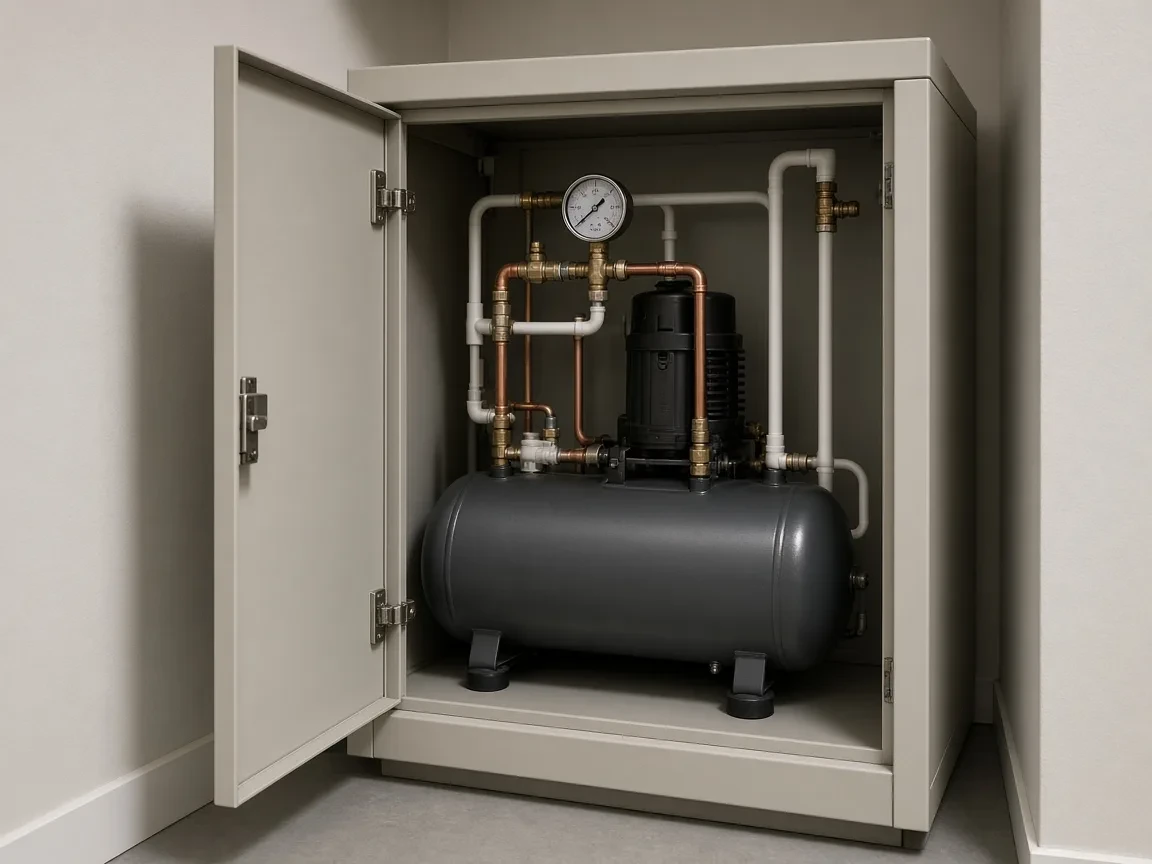
Dental Air Compressors: How to Choose.
How to choose a dental air compressor: oil-free air, drying, noise, and how Air Techniques, Dürr, Midmark, Jun-Air, and DentalEZ differ.

Reviewed by Dr. Sean Myran, DMDDoctor of Dental Medicine, University of Pennsylvania
How we rank explains how these product lists are ordered.
A dental compressor runs handpieces, air-water syringes, and scalers. Oil in that air ruins turbines and contaminates lines, so dental compressors are oil-free. The rest of the decision is how many users you run at once, how dry the air is, and whether the closet can live with the noise.
How to choose a dental compressor
- Oil-free heads. This is not optional. An industrial oiled compressor does not belong on dental handpiece lines.
- Users, not chairs. Size the unit for how many handpieces run at the same time, including hygiene, not for the number of chairs in the floor plan.
- Drying. A coalescing filter and a dryer keep water out of turbines. A tank alone is not a dryer. Wet air is the failure mode that shows up months later.
- Noise and the room. Open-head units are cheaper and louder. Cabinet and sound-reduced units cost more and can sit closer to patients. Measure decibels in the mechanical room you actually have, with the door you actually have.
- Redundancy. Two-head units can keep the office open when one head is down. A single head is a single point of failure on a surgery day.
How common compressor lines differ
| Brand | Known for | Best fit | Watch for |
|---|---|---|---|
| Air Techniques | AirStar oil-free compressors, a common U.S. dental standard | Offices replacing an AirStar or matching an existing Air Techniques vacuum | Match user rating to simultaneous handpieces |
| Dürr Dental | Tornado and Duo lines, often with sound-reduced cabinets | Offices that need the mechanical room near the operatories | Confirm dryer and filter are in the package |
| Midmark | Oil-free dental compressors sold with the operatory package | Practices buying chairs and mechanicals from one dealer | Do not let the chair quote hide an undersized compressor |
| Jun-Air | Quiet, enclosed oil-free compressors | Small offices without a remote mechanical room | Quiet cabinets still need ventilation and service access |
| DentalEZ | CustomAir oil-free systems | Offices already on DentalEZ chairs and delivery | Service is dealer-dependent; ask who stocks heads |
Air Techniques AirStar
AirStar is the compressor a large share of U.S. offices already have, often next to an Air Techniques vacuum. Staying in that family simplifies service. The model number has to match simultaneous users. A unit that keeps up with two hygienists and one doctor is not the unit that keeps up with five rooms on a Monday.
Dürr Dental
Tornado and Duo are the Dürr compressor lines offices meet when noise is the complaint. Sound-reduced cabinets help when the mechanical closet shares a wall with a treatment room. Open the quote and find the dryer. A quiet wet compressor is still a wet compressor.
Midmark
Midmark sells compressors alongside chairs and sterilization. That is convenient when one dealer owns the install. Pull the compressor out of the package price and check the user rating on its own. Packages are where undersized mechanicals hide.
Jun-Air
Jun-Air’s reputation is the enclosed, quiet oil-free compressor for offices that cannot exile the unit to a roof or a basement. You still need intake air, heat exhaust, and a panel that a technician can remove. Quiet is not the same as maintenance-free.
DentalEZ CustomAir
CustomAir fits offices that already standardized on DentalEZ chairs and delivery. The clinical question is the same as every other brand: oil-free heads, a real dryer, and a local technician who can get a replacement head without a week of downtime.
Related guides
Compressor questions
Can I use a hardware-store compressor?
No. Oiled shop compressors put oil vapor into handpiece lines. Dental units are oil-free for that reason.
How do I know the unit is big enough?
Count handpieces that run together at the busiest hour, including hygiene, then match the manufacturer’s user rating. Add a head of spare capacity if you plan to open another room within the warranty.
Related articles
Keep exploring related topics from Dental Country.
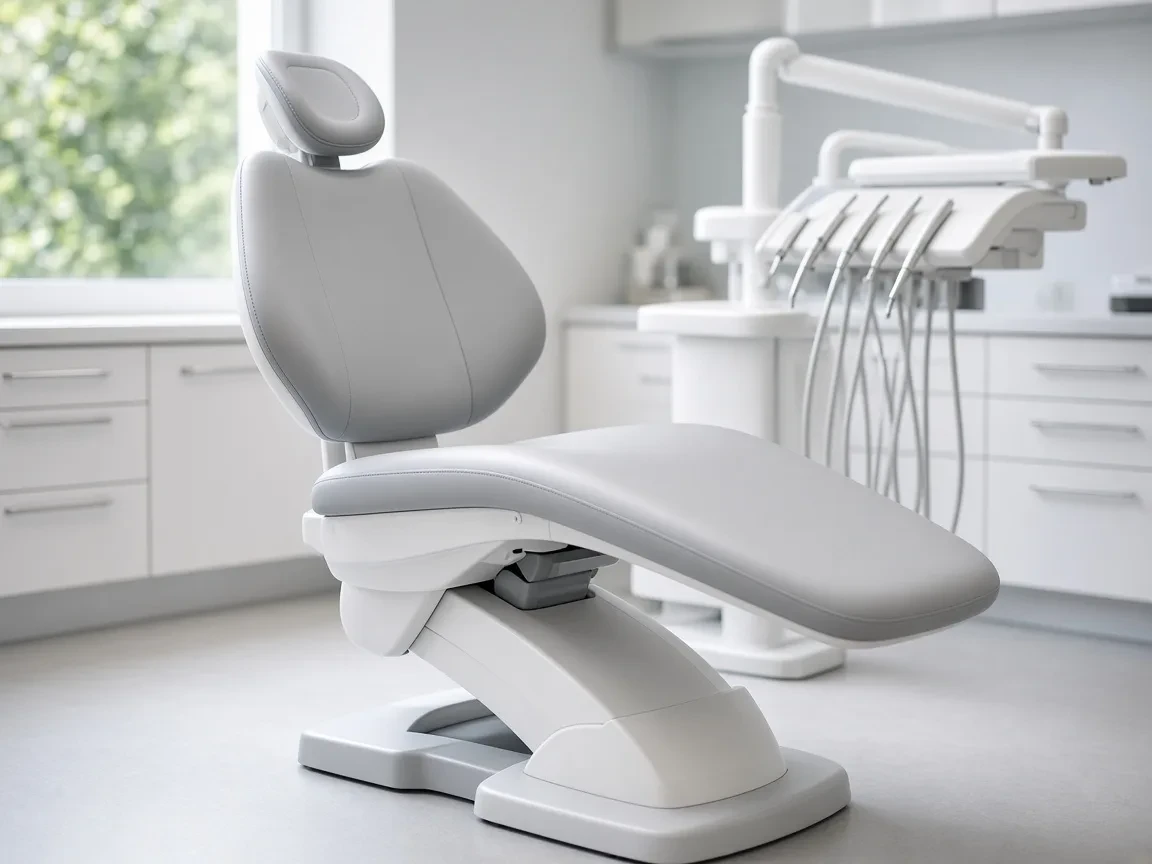
Dental Chairs: How to Choose
How to choose a dental chair: entry, backrest, delivery, and how A-dec, Midmark, Planmeca, DentalEZ, and Pelton & Crane differ.
Read article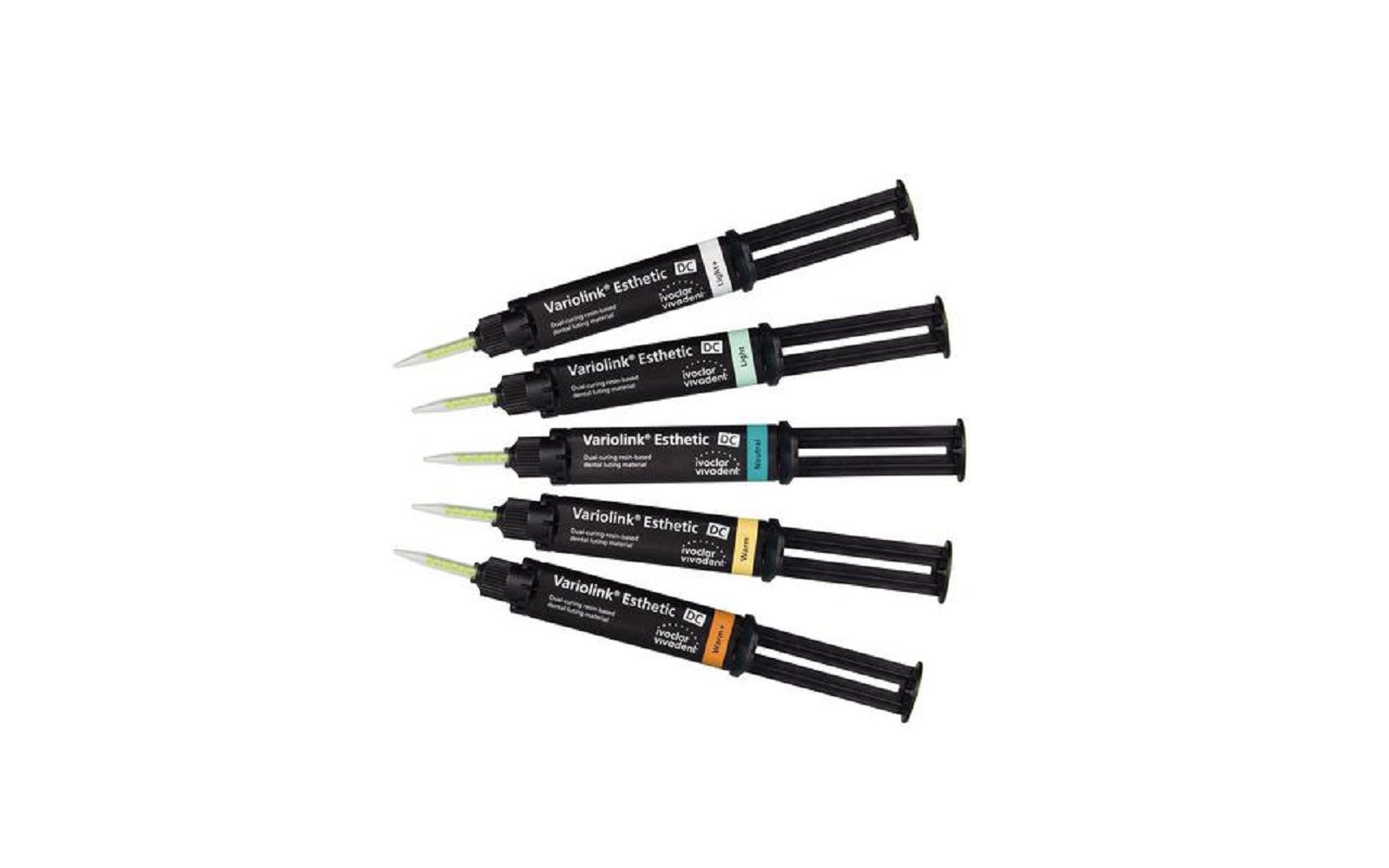
Dental Resin Cements: How to Choose
How to choose a resin cement: adhesive or self-adhesive, and how Variolink, RelyX, PANAVIA, and NX3 differ.
Read article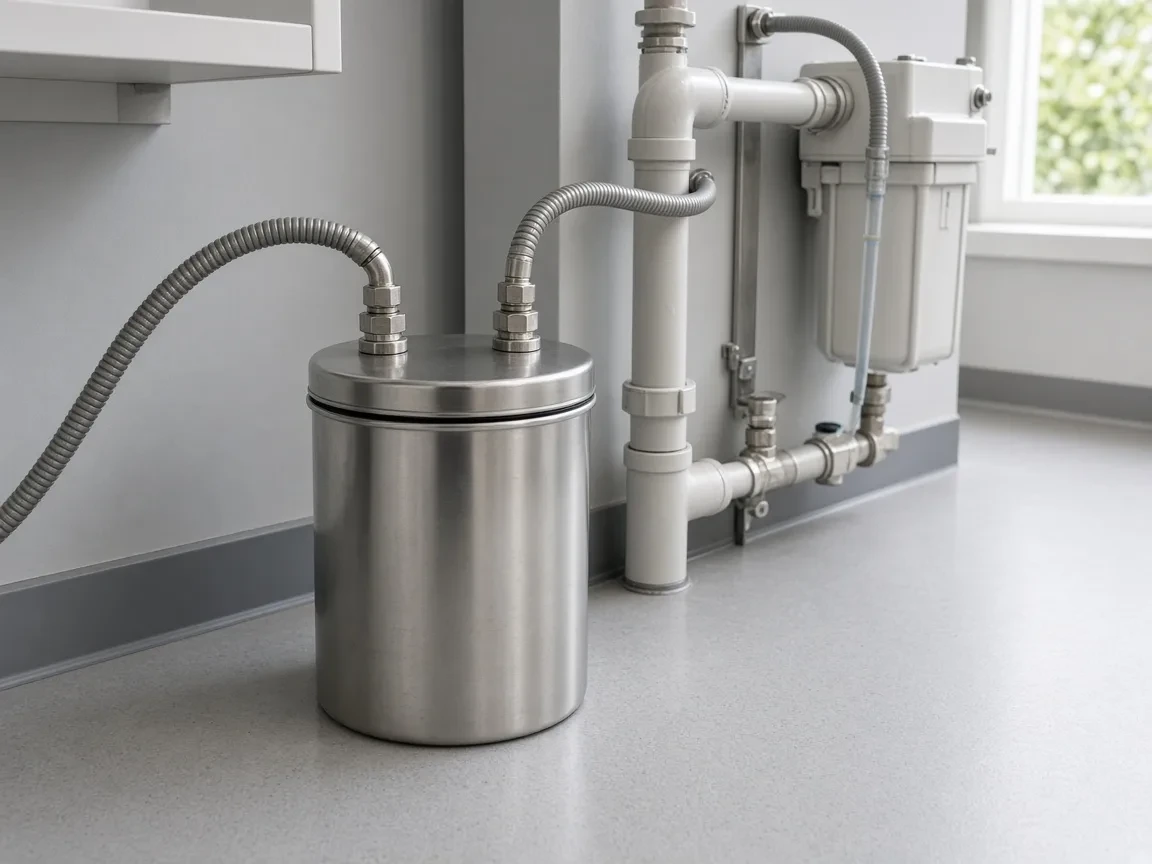
Dental Amalgam Separators: How to Choose
How to choose an amalgam separator: central or chairside, canister recycling, and how Solmetex, Rebec, Dürr, and Metasys differ.
Read article
Dental Instrument Washers: How to Choose
How to choose a dental instrument washer: cassette capacity, drying, and how SciCan HYDRIM, Melag, and Miele differ.
Read article