
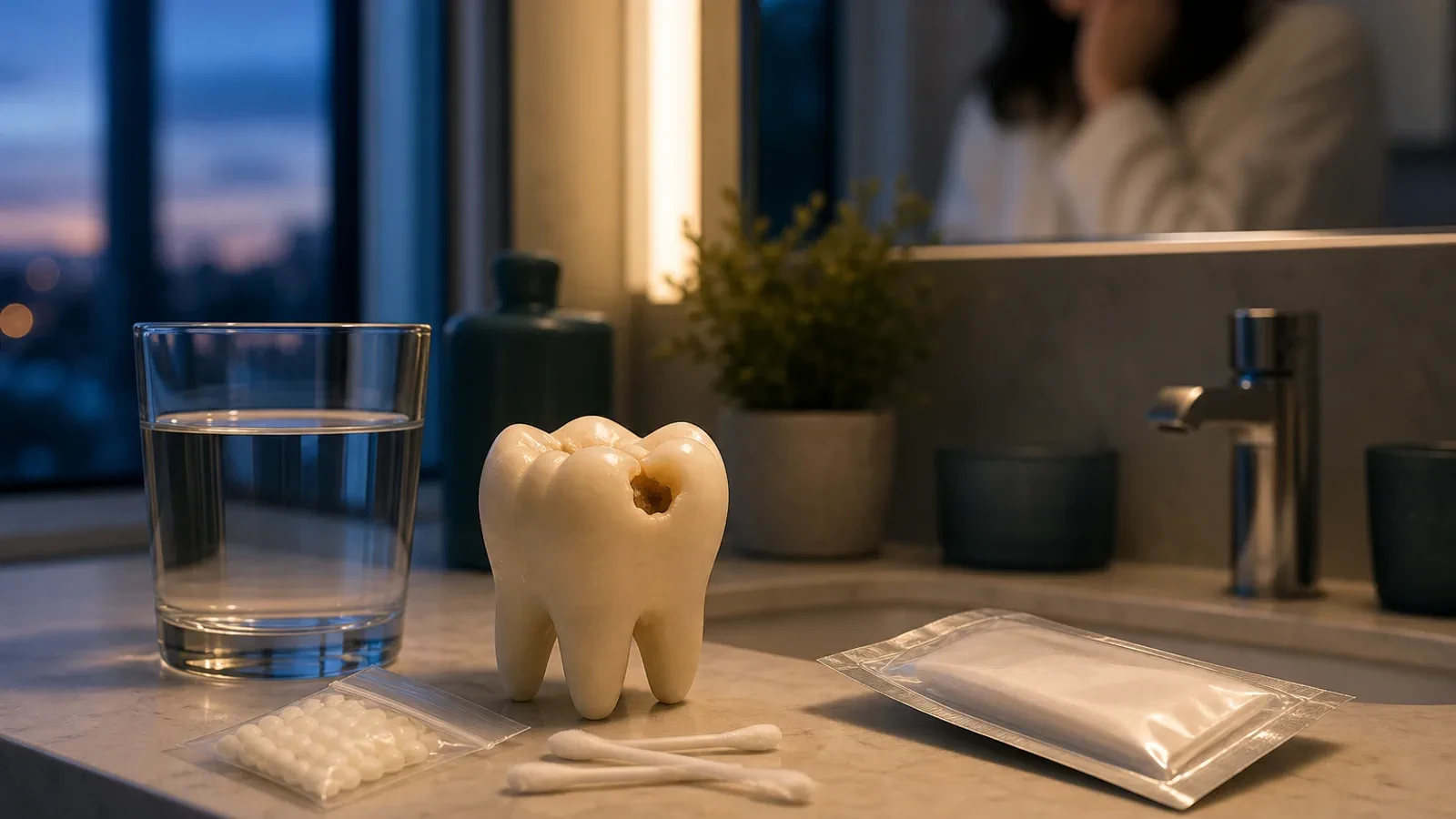
What Should You Do If You Lose A Filling?
A lost filling can expose tooth structure and trap bacteria. Learn how temporary filling material works and why repair should be scheduled soon.

Reviewed by Dr. Sean Myran, DMDDoctor of Dental Medicine, University of Pennsylvania
If you lose a filling, keep the area clean, avoid chewing on that side, and schedule a dental visit soon. Temporary filling material from a pharmacy can cover the space briefly when used as directed, but the tooth still needs evaluation for decay, cracks, bite stress, or a replacement restoration. MedlinePlus covers dental problems and treatment in its dental health information, and a lost filling is a good example of why restored teeth need follow-up.
How A Filling Fails
Fillings can loosen because the surrounding tooth chipped, decay undermined the edge, grinding flexed the restoration, or normal wear broke the bond. Once the filling is gone, the opening can trap food and bacteria. The exposed tooth may feel sensitive to cold, sweets, air, or pressure. Even without pain, the tooth is less protected than it was before the restoration came out.
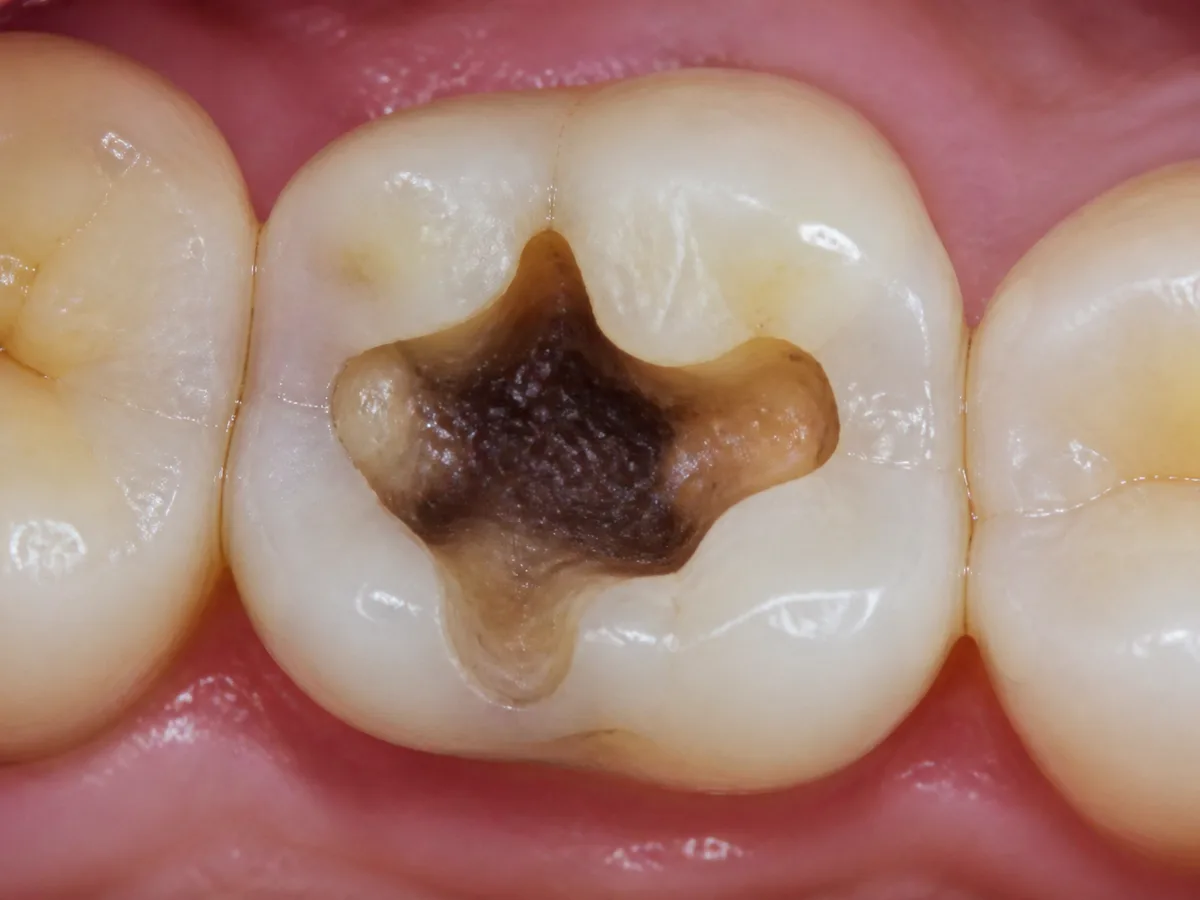 Short-term protection buys time, not certainty.
Temporary material is a cover, not a cure
Temporary filling products are designed to seal a space briefly, not to diagnose decay or withstand months of chewing. Wash your hands, read the label, and avoid forcing material deep into the tooth. If the tooth hurts, smells bad, bleeds, or has swelling nearby, skip self-repair and call. A short-term cover should make the tooth easier to keep clean while you arrange care.
What To Avoid
- Do not pack aspirin, cotton, or household glue into the hole.
- Do not chew hard or sticky foods on that side.
- Do not ignore new sensitivity or bite pain.
- Do not assume the old filling can simply be replaced without an exam.
At the visit, the dentist checks how much tooth remains, whether decay is active, whether the nerve is irritated, and whether the bite contributed to failure. A small lost filling may need a new filling. A larger defect may need an onlay or crown. If the tooth cracked or the nerve is involved, root canal treatment or extraction may enter the conversation.
Sensitivity gives useful clues. A quick zing with cold may mean exposed dentin, while lingering heat pain or spontaneous throbbing can point toward nerve inflammation. Pain on biting can suggest a crack or high spot. Tell the office which pattern fits instead of saying only that it hurts. That detail helps them decide whether the first visit is likely to be a straightforward restoration or a deeper diagnostic appointment. It also helps them reserve enough time if numbing, decay removal, or a temporary build-up may be needed that day and same-week follow-up if possible locally.
Similar Emergencies, Different Fixes
A crown that falls off exposes more prepared tooth structure; read What Should You Do If A Crown Falls Off?. If the tooth broke with the filling, see What Should You Do For A Broken Tooth?. If aching or swelling develops, How Do You Stop A Toothache Until The Dentist? can help you manage the wait. Use find a dentist if you need an appointment and tell the office whether the tooth is painful or merely open.

The edge tells the story
The margin where filling met tooth often explains the next step. Clean, solid edges may accept a new restoration. Soft decay, cracks, or a thin wall mean the tooth needs a stronger plan. Ask what failed and how the replacement will prevent repeat loss. That question turns a frustrating emergency into useful prevention.
How To Think About It
A lost filling is usually not a hospital emergency, but it is not harmless. Keep it clean, protect it briefly if appropriate, and schedule repair before sensitivity, decay, or fracture expands the problem.
Related articles
Keep exploring related topics from Dental Country.
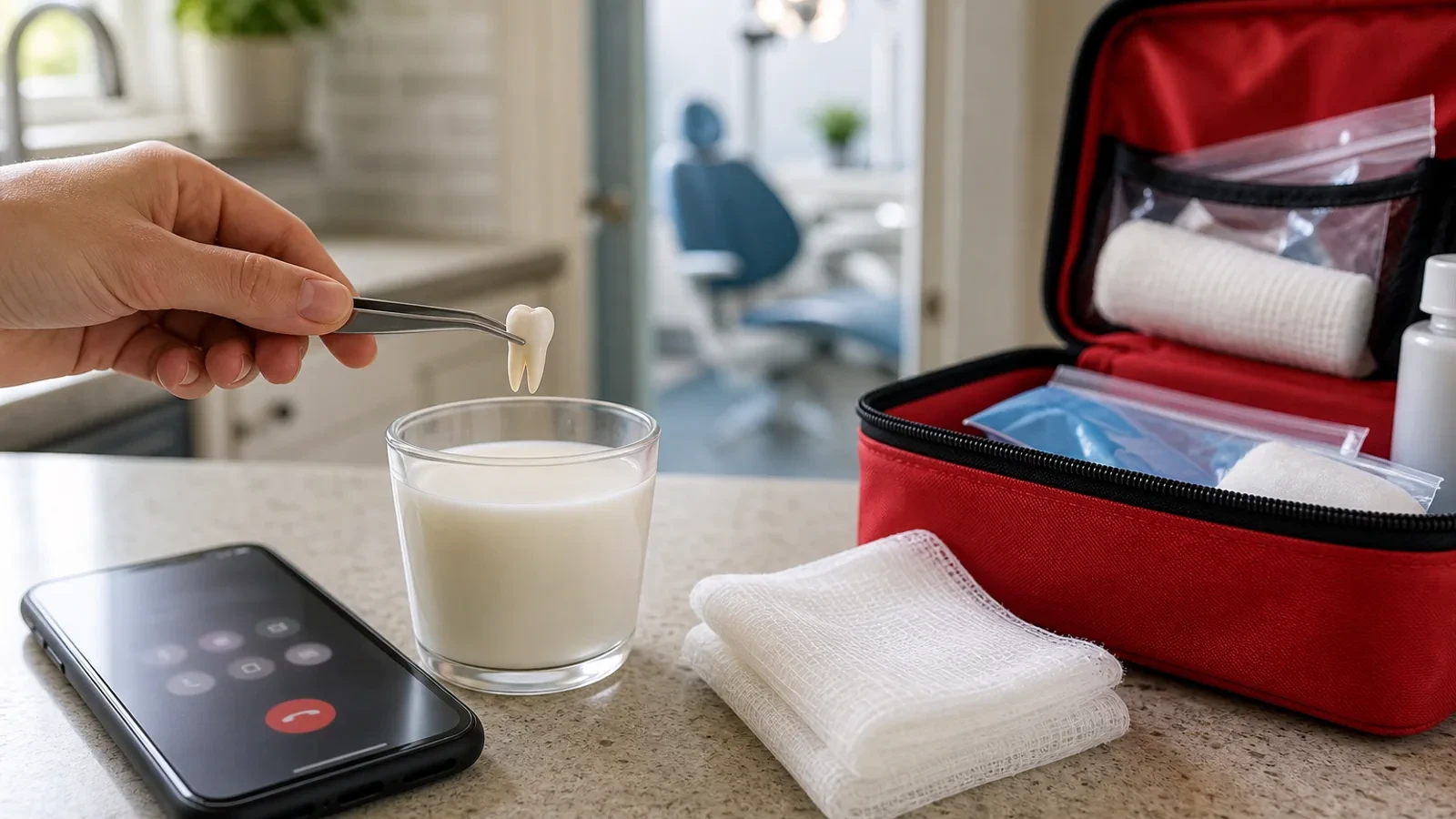
What Should You Do If You Knock Out A Tooth?
A knocked-out permanent tooth is one of the few dental emergencies where minutes change the odds. Handle the root gently and keep the tooth moist.
Read article
What Counts As A Dental Emergency?
Not every dental problem needs the ER, but some should not wait for a routine appointment. Use symptoms, speed, and risk to triage the next step.
Read article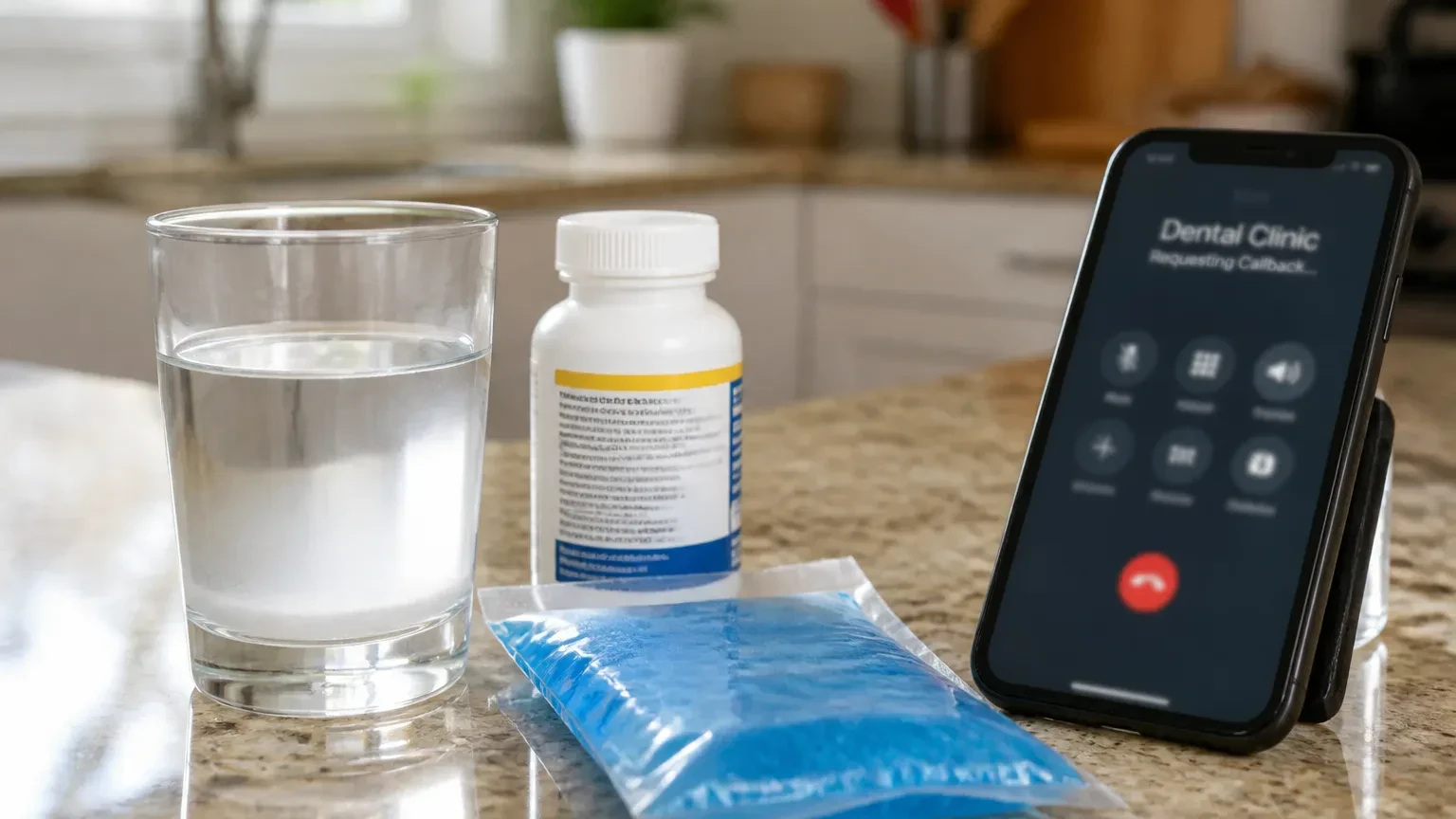
How Do You Stop A Toothache Until The Dentist?
Toothache first aid is about reducing irritation without masking danger. The goal is a calmer wait, not a home cure for decay or infection.
Read article
What Should You Do For A Cracked Tooth?
A cracked tooth often hurts in flashes, not constantly. Stop flexing it, protect the edge, and let a dentist identify how deep the crack runs.
Read article