
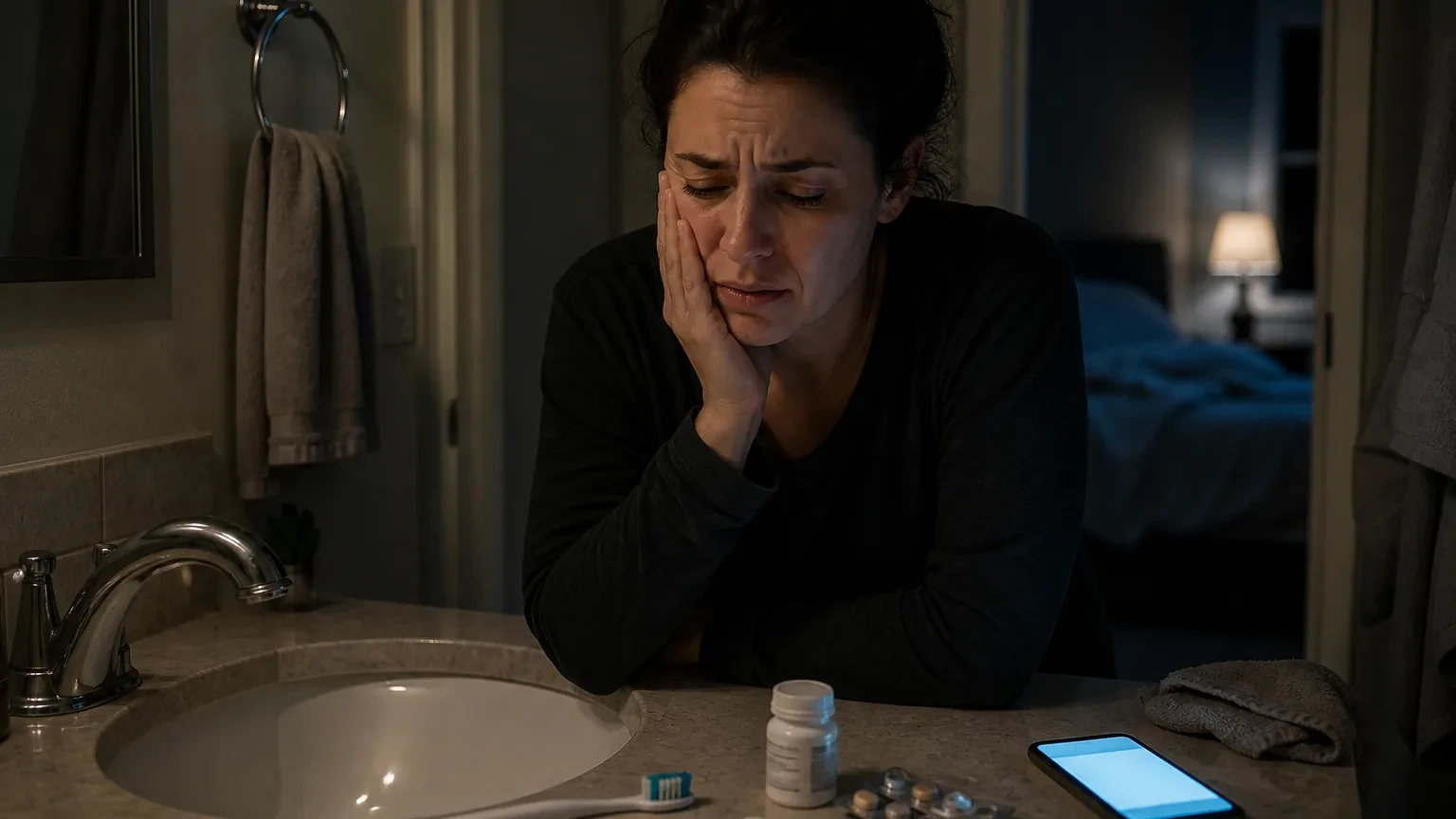
What Happens If You Skip A Root Canal?
Skipping a needed root canal can let infection spread, damage bone, worsen pain, or lead to extraction. Learn what can change over time and why.

Reviewed by Dr. Sean Myran, DMDDoctor of Dental Medicine, University of Pennsylvania
If a dentist has confirmed that a restorable tooth needs a root canal, skipping treatment can allow infection, inflammation, or structural damage to progress. Pain may come and go, but that does not mean the pulp recovered. A dying nerve can become quieter while bacteria continue moving through the canal system. MouthHealthy describes root canal treatment as removing infected or inflamed pulp; without that step, the source may remain inside the tooth.
What Can Change While You Wait
- Pain pattern: mild sensitivity can become throbbing, biting pain, or night pain.
- Infection: swelling, drainage, bad taste, fever, or facial tenderness can develop.
- Bone support: infection at the root tip can enlarge the area of bone loss.
- Tooth structure: cracks and decay can leave too little tooth to restore.
- Treatment options: a tooth that was savable may shift toward extraction.
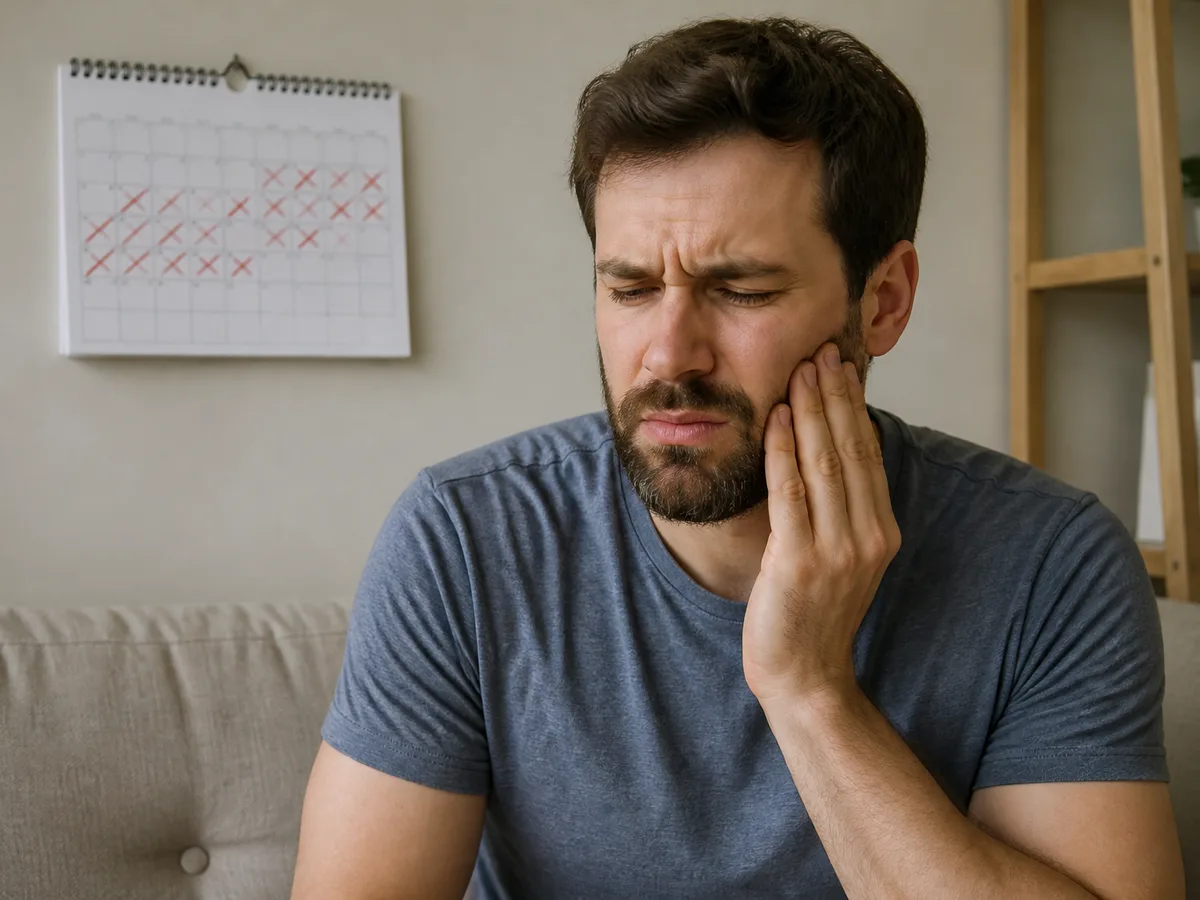 A quiet tooth can still be active disease.
Pain relief can be misleading
A tooth can feel better after pressure drains through the gum or after the nerve dies. That quieter phase is easy to misread. If the bacterial source remains, swelling can return and the area around the root can keep changing. The safest question is not whether you can tolerate today; it is whether waiting reduces tomorrow's choices.
When Delay Is Especially Risky
Do not delay if swelling is spreading, fever is present, swallowing is difficult, or the tooth is painful to touch. Mayo Clinic lists severe toothache, swelling, fever, and trouble swallowing as abscess warning signs. Medical emergency care may be needed for breathing trouble, rapidly spreading swelling, or a very ill feeling.
Antibiotics may be used when infection is spreading, but they do not remove dead pulp or repair a cracked tooth. Pain medicine can help you sleep, but it does not seal the canal system. Home measures can buy comfort only briefly. They should not become the plan when a dentist has already found a tooth source.
Delay is also risky when the tooth has a large cavity, a cracked cusp, or a temporary filling. The longer bacteria and chewing forces work on a weakened tooth, the more likely it is that root canal treatment will no longer be enough. If cost is the barrier, ask the office to separate urgent infection control from the final restoration plan and review How Much Does A Root Canal Cost?.
There are reasonable short delays, such as waiting a few days for a specialist appointment after the tooth has been evaluated. That is different from months of silence while symptoms change. Keep the office informed if swelling, fever, or biting pain appears before the scheduled visit.
If you choose not to treat the tooth, ask what monitoring would look like and what symptom would change the plan. Silence should be deliberate, not accidental.

Waiting can turn one choice into several
Once a tooth is removed, you may need to decide about bone grafting, an implant, a bridge, or living with the space. Those options can be valid, but they are different from simply postponing a root canal. If you need to revisit the diagnosis or get a second opinion, use find a dentist and ask for a prognosis-focused exam.
What If You Are Unsure?
Ask the dentist to show the X-ray findings, explain which tests failed, and describe what happens if you wait two weeks, two months, or six months. A clear answer should include pain risk, infection risk, fracture risk, and whether the tooth is still restorable. If the comparison is really between saving and removing the tooth, read Root Canal Vs Extraction: Which Should I Choose?.
For earlier symptoms that may have led to the recommendation, see What Are Signs You Need A Root Canal?.
Related articles
Keep exploring related topics from Dental Country.

Does A Root Canal Hurt?
Modern root canal treatment is built around numbness and control. The ache that brings you in is often worse than the appointment itself.
Read article
How Long Does A Root Canal Take?
Root canal timing depends on the tooth, the infection, and the final seal. A front tooth and a molar are not the same appointment.
Read article
Root Canal Vs Extraction: Which Should I Choose?
Root canal treatment and extraction solve different problems. The better choice depends on whether the tooth can be restored and kept stable.
Read article
Do You Need A Crown After A Root Canal?
A crown after a root canal is not just cosmetic. It is often the part that keeps a weakened back tooth from cracking under normal chewing.
Read article