
Do You Need A Crown After A Root Canal?
Many back teeth need crowns after root canals, while some front teeth may not. Learn how tooth strength, cracks, and fillings guide the decision.

Reviewed by Dr. Sean Myran, DMDDoctor of Dental Medicine, University of Pennsylvania
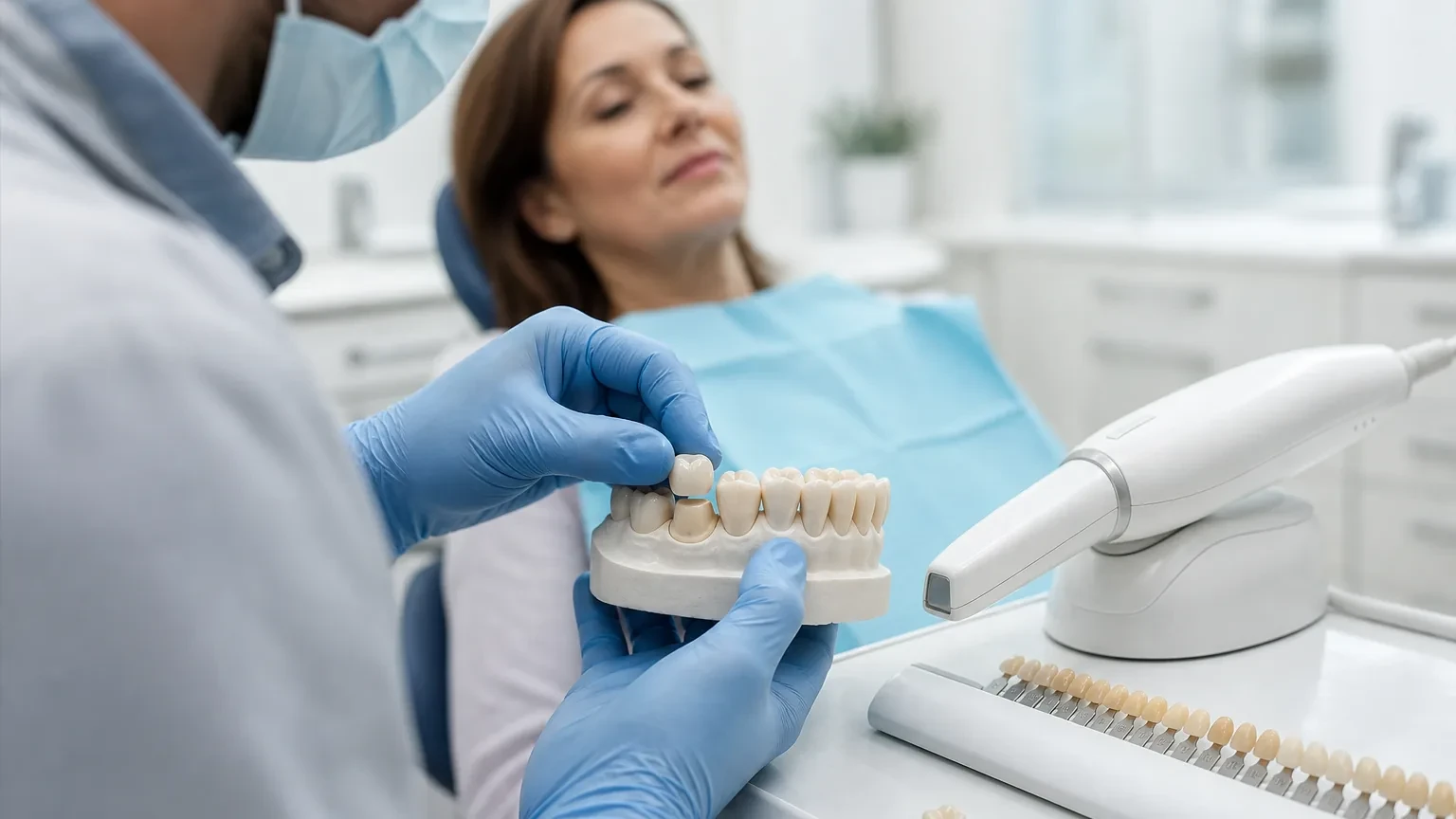
Many molars and premolars need a crown after root canal treatment because they take heavy chewing forces and often started with a large cavity or filling. Some front teeth can be restored with a bonded filling instead, especially if they have plenty of natural tooth structure and no major crack. The root canal removes infected pulp; the final restoration protects the outside of the tooth. The American Association of Endodontists notes that restoration after root canal treatment is part of returning the tooth to function.
The Crown Decision Tree
- Which tooth is it? Back teeth usually need more coverage than front teeth.
- How much tooth is missing? Large fillings, decay, and broken cusps raise fracture risk.
- Is there a crack? A crown can brace some cracked teeth, but not every crack is restorable.
- How does the bite hit? Grinding or a heavy bite can make coverage more important.
- Can the seal be protected? Leakage around a weak temporary repair can undo good canal work.
 The canal treatment and final restoration work as a pair.
Back teeth crack under side forces
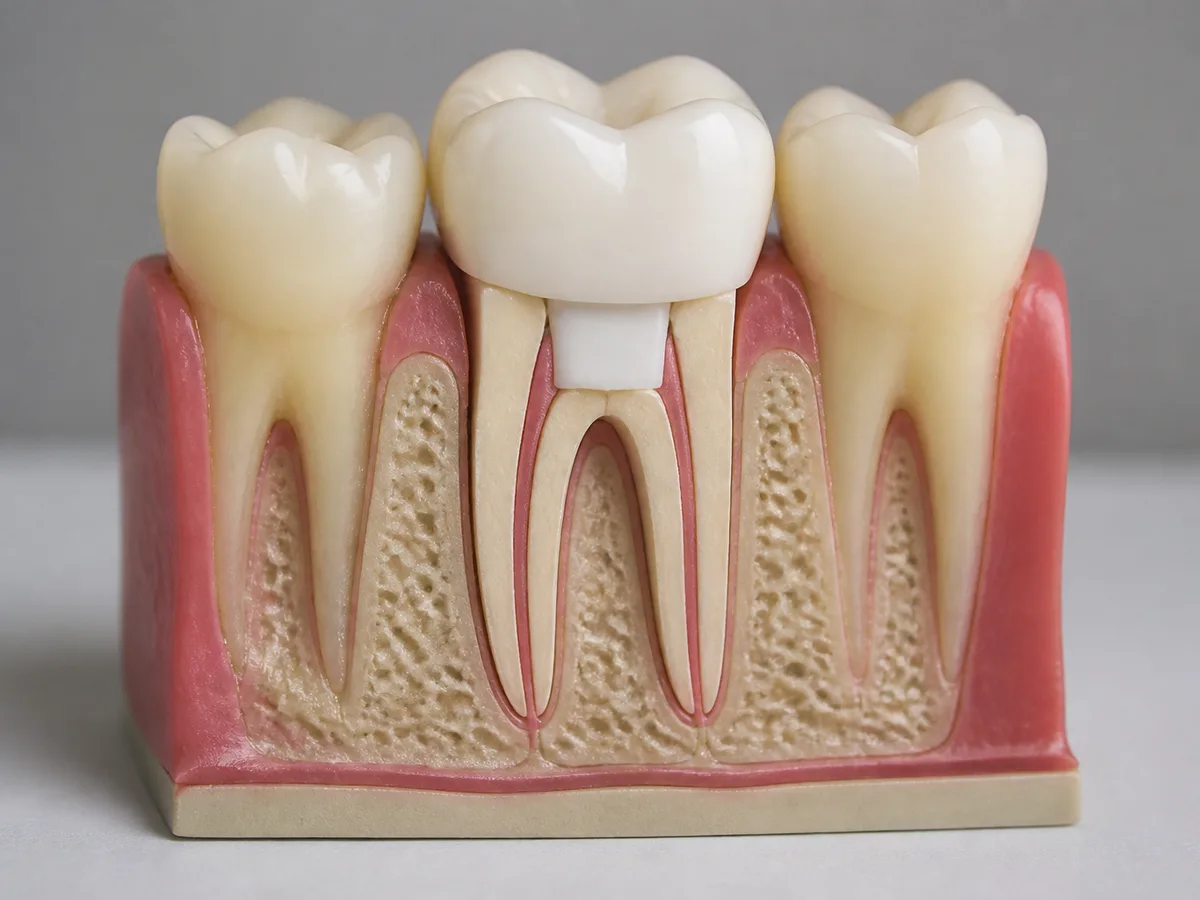
Molars do not just bite up and down. They grind, twist, and absorb side loads while you chew. A root-canal-treated molar with thin walls can split even if the canals were cleaned perfectly. A crown wraps the remaining structure so the cusps are less likely to flex apart. That is why the crown conversation belongs in the first treatment plan, not weeks after the tooth feels better.
When A Filling May Be Enough
A small front tooth access opening may be restored with composite when the bite is gentle and the tooth has not lost much structure. Some premolars also fall into a gray area. The dentist may recommend an onlay, crown, or bonded restoration depending on the shape of the remaining walls. What matters is not the label; it is whether the restoration covers the weak parts and seals the tooth against bacteria.
Esthetics can also influence the plan. A front tooth that darkened after trauma may need internal bleaching, bonding, or a veneer discussion after the root canal. A back tooth may not show when you smile, but it carries enough force that strength matters more than shade. Good restoration planning respects both appearance and load.
Delaying the final restoration can be risky. Temporary fillings wear, leak, or break. A tooth that feels comfortable can still fracture while you are eating. If cost is the reason for waiting, ask for the full sequence in writing and read How Much Does A Root Canal Cost? before comparing estimates. If the tooth has already cracked badly, Root Canal Vs Extraction: Which Should I Choose? may be the more relevant decision.
If your dentist says the crown can wait, ask what behavior makes that safe: soft chewing, a small access opening, low bite force, or a planned recall date. A vague delay is less useful than a protected delay with limits.
Ask what failure the crown prevents
A clear recommendation should explain the specific risk: cusp fracture, leakage, weak walls, esthetics, or bite load. It should also say how soon the crown should be placed and what to avoid until then. If you need help finding a restorative dentist or endodontic referral, use find a dentist and bring any X-rays or treatment notes you already have.
How To Read The Recommendation
A crown is usually a strength and sealing decision, not a sign that the root canal failed. Be cautious if you hear only "you always need a crown" or "you never need a crown." The stronger answer is specific to the tooth, the amount of missing structure, the bite, and the expected lifespan of the repair.
For recovery timing around the crown phase, see How Long Is Root Canal Recovery?.
Related articles
Keep exploring related topics from Dental Country.

Does A Root Canal Hurt?
Modern root canal treatment is built around numbness and control. The ache that brings you in is often worse than the appointment itself.
Read article
How Long Does A Root Canal Take?
Root canal timing depends on the tooth, the infection, and the final seal. A front tooth and a molar are not the same appointment.
Read article
Root Canal Vs Extraction: Which Should I Choose?
Root canal treatment and extraction solve different problems. The better choice depends on whether the tooth can be restored and kept stable.
Read article
How Much Does A Root Canal Cost?
The root canal fee is only one line of the plan. Tooth location, complexity, insurance, and the final crown can change the real total.
Read article