
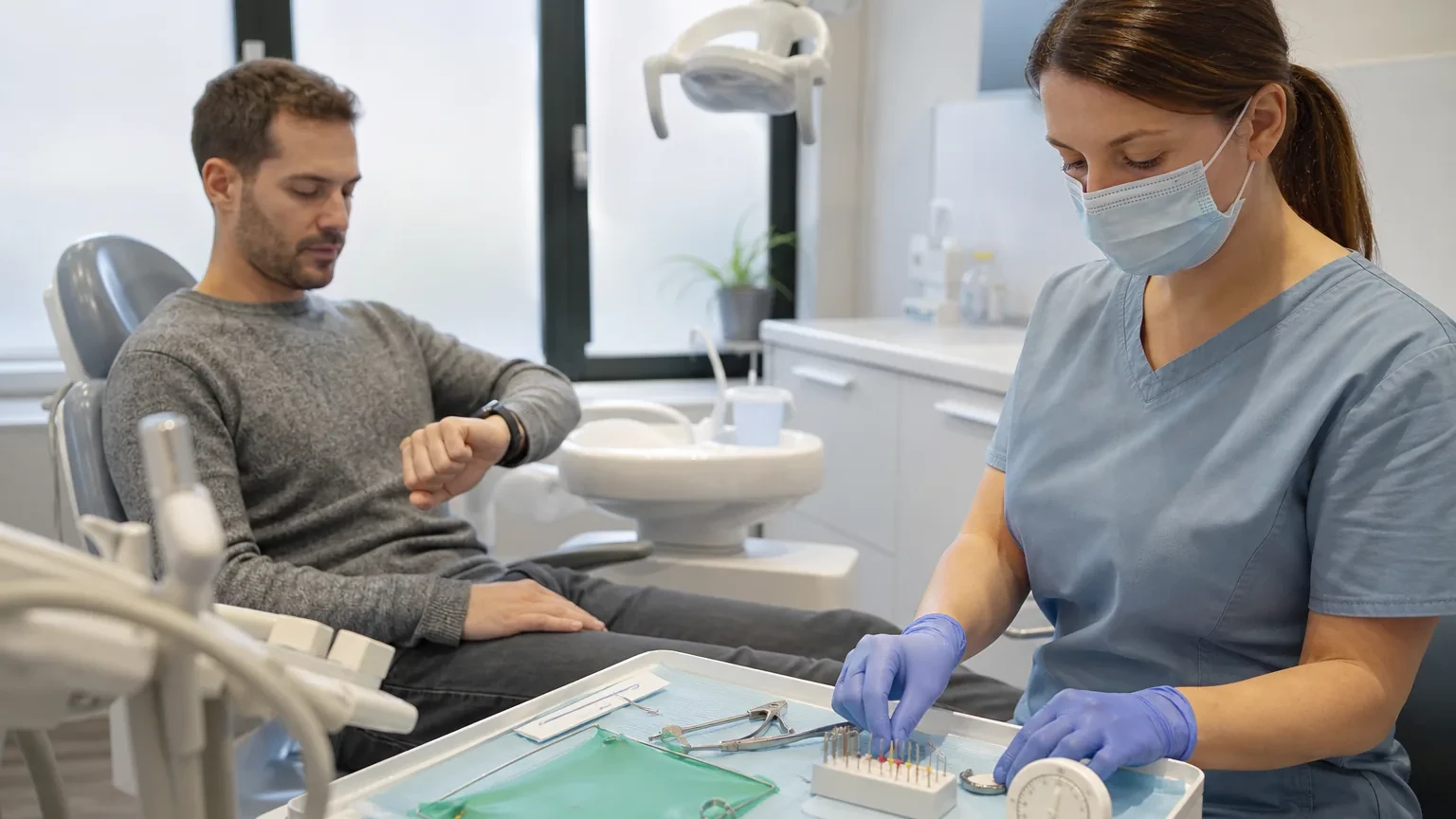
How Long Does A Root Canal Take?
A root canal often takes 60 to 90 minutes, but molars and complex infections may need longer or more than one visit. See what affects timing.

Reviewed by Dr. Sean Myran, DMDDoctor of Dental Medicine, University of Pennsylvania
Many root canals take about 60 to 90 minutes, but the honest range is wider. A front tooth with one canal may be faster. A molar with three or four canals, old filling material, curved roots, or swelling can take longer or need a second appointment. The goal is not speed by itself; it is finding, cleaning, shaping, disinfecting, and sealing the canal system well. The American Association of Endodontists describes root canal treatment as cleaning inside the tooth and sealing it, which explains why anatomy changes the clock.
A Typical Appointment Clock
- Check-in and review: symptoms, medical history, X-rays, consent, and the plan for the final restoration.
- Numbing and isolation: local anesthetic, comfort testing, and placement of a dental dam.
- Access and canal location: opening the tooth and finding the canals under magnification or light.
- Cleaning and shaping: removing inflamed tissue, irrigating, and shaping the canals for filling.
- Sealing and temporary repair: filling the canals, closing the tooth, and reviewing chewing instructions.
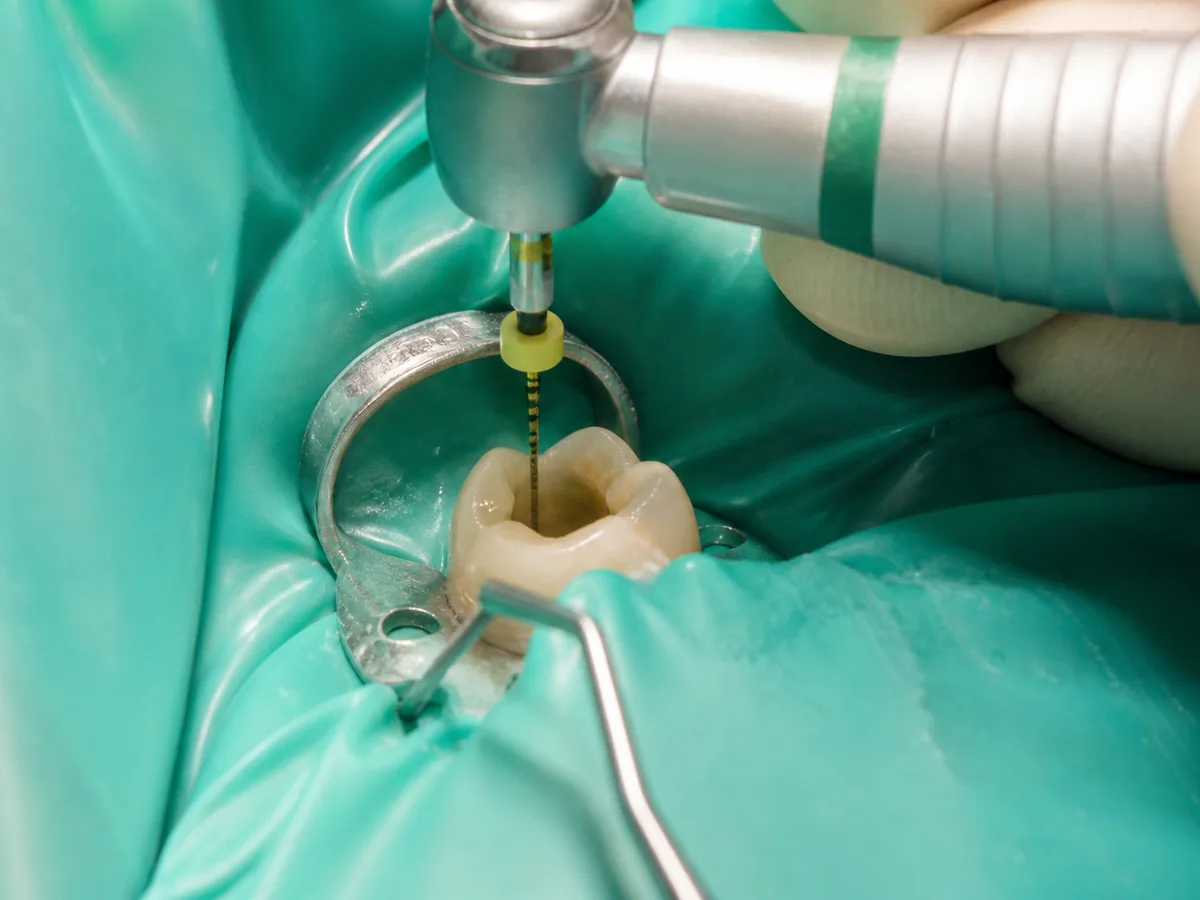 Time is linked to anatomy and access.
The tooth sets much of the schedule
Molars usually take longer because they have more canals and sit farther back in the mouth. Limited opening, strong gag reflex, dense bone, old crowns, or hidden canal branches can also slow careful work. If a dentist recommends referral to an endodontist, that is often about precision and equipment, not a sign that something went wrong.
One Visit Or Two?
Many teeth can be completed in one visit when the canal can be cleaned, dried, and sealed predictably. Two visits may make sense when drainage, swelling, complex retreatment, or time limits make a temporary medication safer. A second visit does not automatically mean the case is worse. It can be a deliberate way to disinfect the tooth and avoid rushing the final seal.
Emergency visits can be different from planned visits. If you arrive with swelling or severe pain, the first appointment may focus on diagnosis, opening drainage, calming the tooth, or starting treatment rather than finishing every step. That is still progress. The office should tell you whether you are leaving with a temporary seal, medication inside the tooth, or completed canal filling.
The crown or final filling may be a separate appointment. That part matters because a treated tooth can fracture or leak if it is left with a weak temporary restoration for too long. If you are planning work and life around care, pair this timeline with Do You Need A Crown After A Root Canal? and Can You Drive After A Root Canal?. Together, those questions cover chair time, transportation, and what happens after you leave.
Build a little buffer around the visit if the tooth is a molar, if you are seeing a new office, or if the dentist has not yet taken X-rays. Diagnosis and consent take real time.

Ask what the time estimate includes
When you call, ask whether the quoted time includes diagnosis, treatment, buildup, crown preparation, or only the canal procedure. If pain is severe or swelling is present, ask whether the first visit is expected to relieve pressure or complete treatment. Need a local estimate from an office that can evaluate the tooth? Use find a dentist and describe which tooth hurts.
How To Keep The Day Predictable
Eat beforehand if your dentist says it is safe, because numbness can make meals awkward afterward. Bring a medication list, arrive with time for paperwork, and avoid scheduling a demanding meeting immediately after a long molar appointment. For most people, the visit is manageable, but the calendar works better when it leaves room for careful treatment and a softer evening.
If timing is part of a larger decision, Root Canal Vs Extraction: Which Should I Choose? explains why the shortest appointment is not always the simplest long-term option.
Related articles
Keep exploring related topics from Dental Country.

Does A Root Canal Hurt?
Modern root canal treatment is built around numbness and control. The ache that brings you in is often worse than the appointment itself.
Read article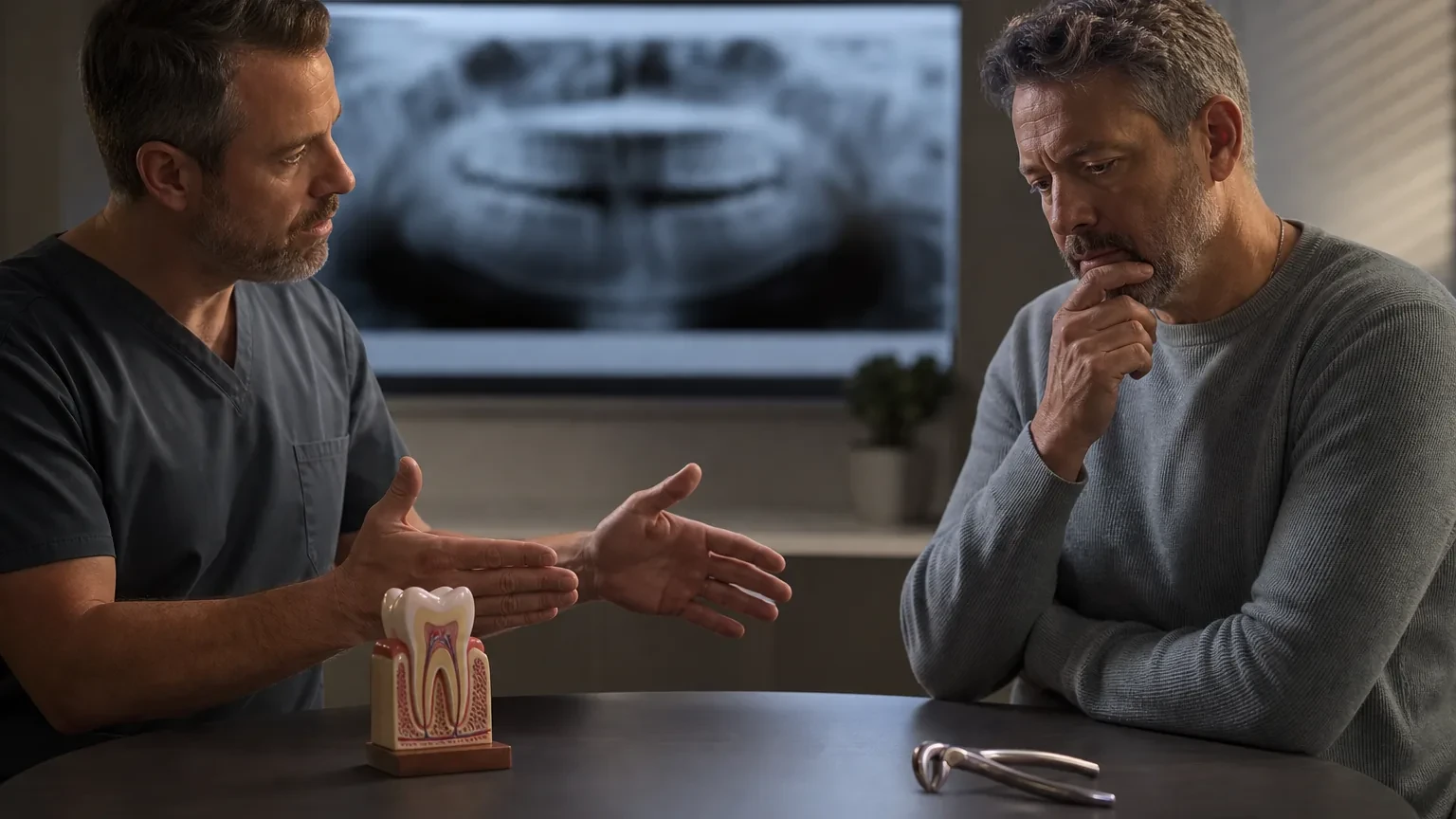
Root Canal Vs Extraction: Which Should I Choose?
Root canal treatment and extraction solve different problems. The better choice depends on whether the tooth can be restored and kept stable.
Read article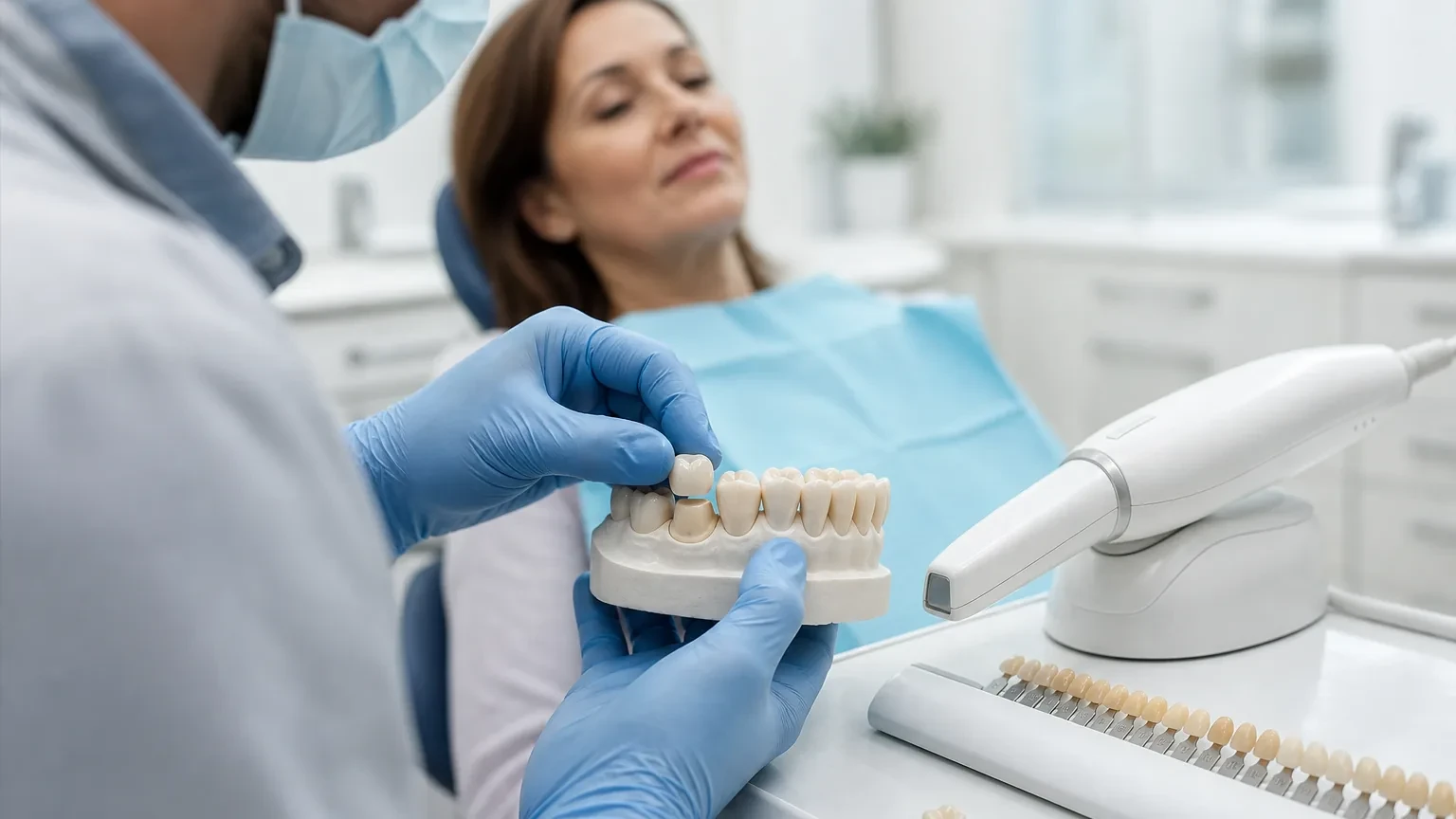
Do You Need A Crown After A Root Canal?
A crown after a root canal is not just cosmetic. It is often the part that keeps a weakened back tooth from cracking under normal chewing.
Read article
How Much Does A Root Canal Cost?
The root canal fee is only one line of the plan. Tooth location, complexity, insurance, and the final crown can change the real total.
Read article