

Does A Root Canal Hurt?
Root canals are usually done with local anesthetic, not sharp pain. Learn what the visit feels like and what soreness is normal afterward for you.

Reviewed by Dr. Sean Myran, DMDDoctor of Dental Medicine, University of Pennsylvania
A root canal should not feel like sharp dental work once the tooth is properly numb. Most patients feel pressure, water, vibration, and the dental dam, not drilling pain inside the tooth. If a tooth is badly inflamed, it can take extra anesthetic or a different numbing technique before treatment starts. MouthHealthy explains that root canal treatment removes infected or inflamed pulp; anesthesia is what lets that happen comfortably.
Comfort Guide By Stage
- Before the visit: spontaneous throbbing, heat pain, or biting pain can be intense because the nerve is already irritated.
- During numbing: expect a pinch and pressure from anesthetic, then testing before the dentist proceeds.
- During cleaning: you may feel vibration and jaw fatigue, but pain should be reported immediately.
- That evening: tenderness around the tooth is common, especially if chewing hurt before treatment.
- Next few days: soreness should trend down, not become broader or more severe.
 Comfort is checked before the canal work begins.
Numb first, then treat
A careful team does not guess whether you are numb. They ask, test, wait when needed, and add anesthetic if sensation remains. Tell the dentist if you still feel cold, sharpness, or electric pain. Raising a hand signal before the procedure starts gives you a simple way to pause without trying to talk through the dental dam.
What Soreness Means Afterward
Post-treatment tenderness usually comes from the ligament around the root, not from the cleaned nerve space. The tooth has been isolated, irrigated, shaped, and sealed, so the surrounding tissues can feel bruised for a short period. Chewing on the opposite side, eating softer foods, and using pain medicine only as directed can make the first couple of days easier.
Anxiety can also change how pain is remembered. If you had a difficult dental experience years ago, say so plainly. A modern visit can be paced with more explanation, rest breaks, additional numbing checks, and sometimes nitrous oxide. The goal is not to prove you can tolerate discomfort; it is to treat the infection while keeping you steady enough to finish the appointment safely.
Pain that wakes you after it had improved, swelling, fever, a bad taste, or a bite that feels too high deserves a call. A high temporary filling can keep the tooth sore because every bite pounds on it. Infection can also need more attention if swelling develops. If you are comparing symptoms, How Long Is Root Canal Recovery? explains the normal recovery arc, while What Are Signs You Need A Root Canal? covers warning patterns before treatment.
If you have had trouble getting numb in the past, mention the tooth, the procedure, and whether infection was present. That history helps the dentist choose the anesthetic approach and schedule enough time.
Bring headphones if the sound bothers you, and agree on a stop signal before the handpiece starts. Small control points can make the appointment feel less mysterious.

Plan for jaw and biting tenderness
The most realistic plan is a comfortable procedure followed by mild, manageable soreness. Ask whether your tooth has a temporary filling, whether you should avoid chewing on it, and when the permanent restoration should be placed. If fear is the main barrier, use find a dentist and ask about anesthesia checks, nitrous oxide, and appointment length before you book.
The Practical Takeaway
Root canal treatment is meant to stop tooth pain, not create a new ordeal. You should expect numbness, communication, and a short recovery window. Severe, spreading, or worsening pain is the exception and should be handled by the dental office rather than endured at home.
For the bigger treatment decision, Root Canal Vs Extraction: Which Should I Choose? can help you weigh saving the tooth against removing it.
Related articles
Keep exploring related topics from Dental Country.

How Long Does A Root Canal Take?
Root canal timing depends on the tooth, the infection, and the final seal. A front tooth and a molar are not the same appointment.
Read article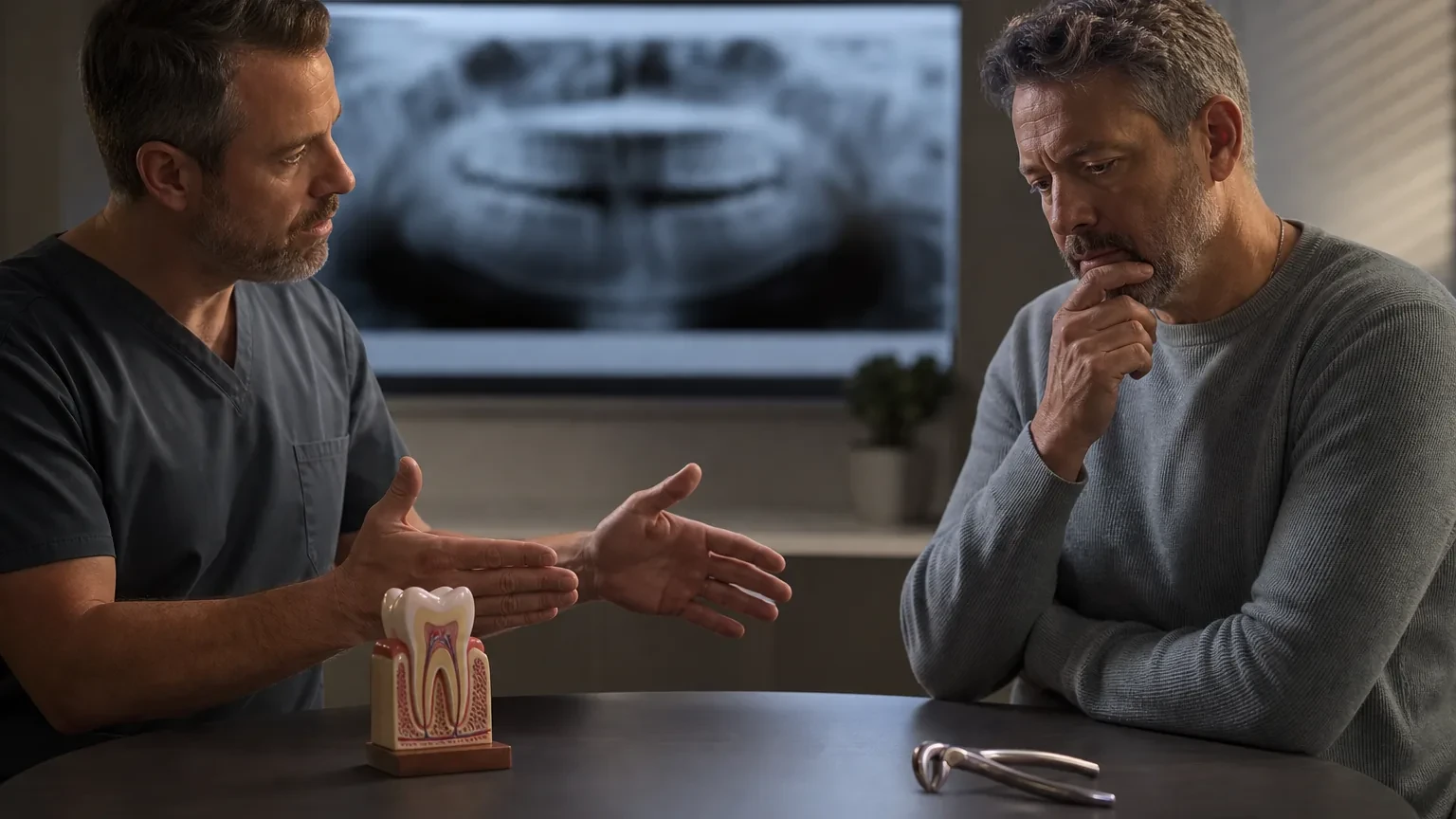
Root Canal Vs Extraction: Which Should I Choose?
Root canal treatment and extraction solve different problems. The better choice depends on whether the tooth can be restored and kept stable.
Read article
Do You Need A Crown After A Root Canal?
A crown after a root canal is not just cosmetic. It is often the part that keeps a weakened back tooth from cracking under normal chewing.
Read article
How Much Does A Root Canal Cost?
The root canal fee is only one line of the plan. Tooth location, complexity, insurance, and the final crown can change the real total.
Read article