
What Are Signs You Need A Root Canal?
Root canal warning signs can include lingering temperature pain, biting pain, swelling, darkening, and abscess symptoms. Learn when to call.

Reviewed by Dr. Sean Myran, DMDDoctor of Dental Medicine, University of Pennsylvania
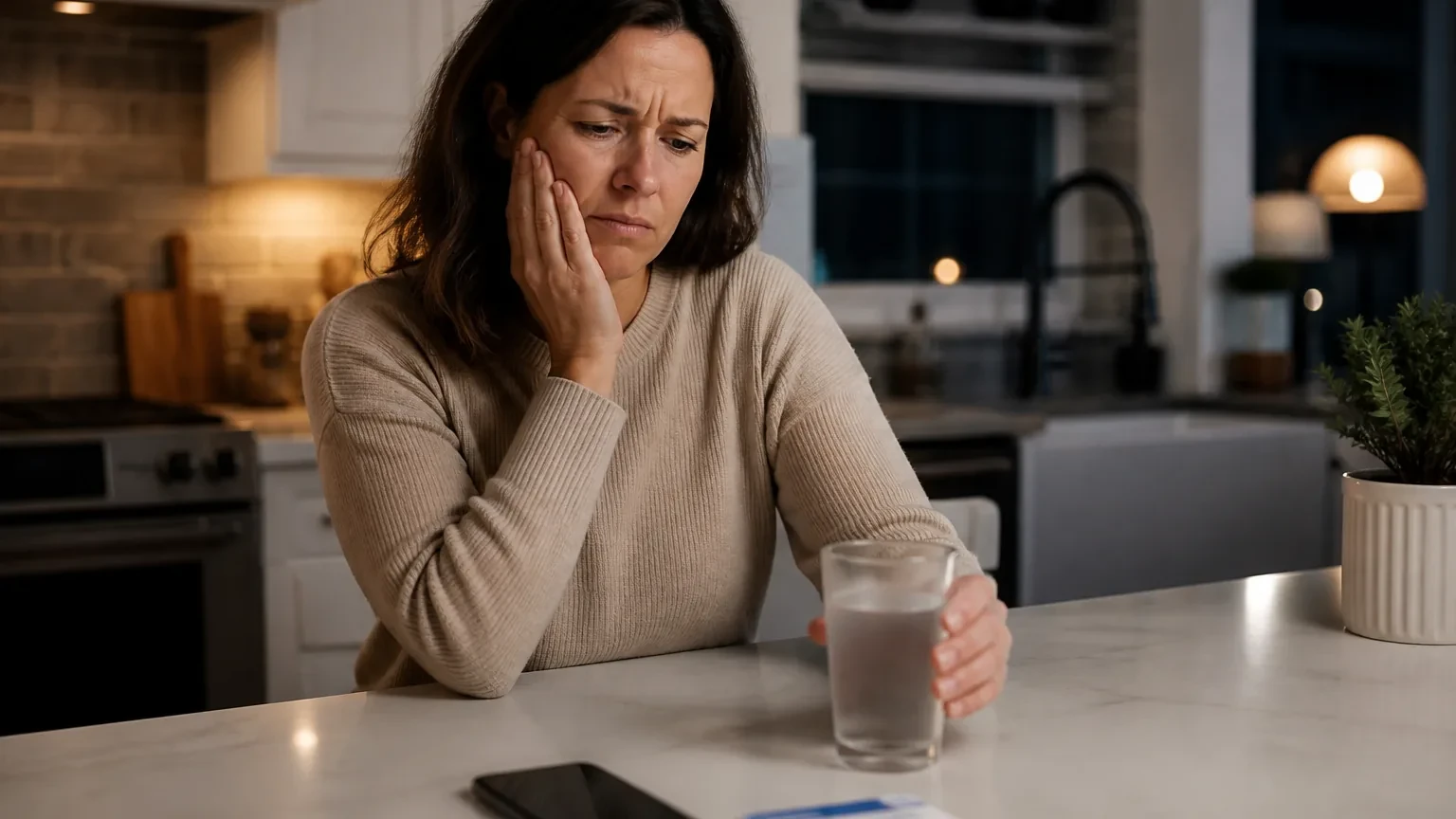
You may need a root canal when the pulp inside a tooth is inflamed, infected, or dying and the tooth can still be restored. The strongest clues are lingering pain to heat or cold, spontaneous throbbing, pain when biting, swelling near the gum, a pimple-like bump, darkening after trauma, or a deep cavity close to the nerve. MedlinePlus lists tooth disorders with pain, infection, and sensitivity symptoms, but a dentist has to test the tooth to know whether root canal treatment fits.
Symptom Checklist
- Temperature pain: cold or heat lingers after the trigger is gone.
- Biting pain: one tooth hurts when you chew or release pressure.
- Spontaneous pain: aching starts without food, drink, or brushing.
- Swelling or drainage: gum bump, bad taste, cheek swelling, or tenderness.
- Color change: a tooth darkens after injury, even if it does not hurt.
- Deep decay or crack: the cavity or fracture reaches close to the pulp.
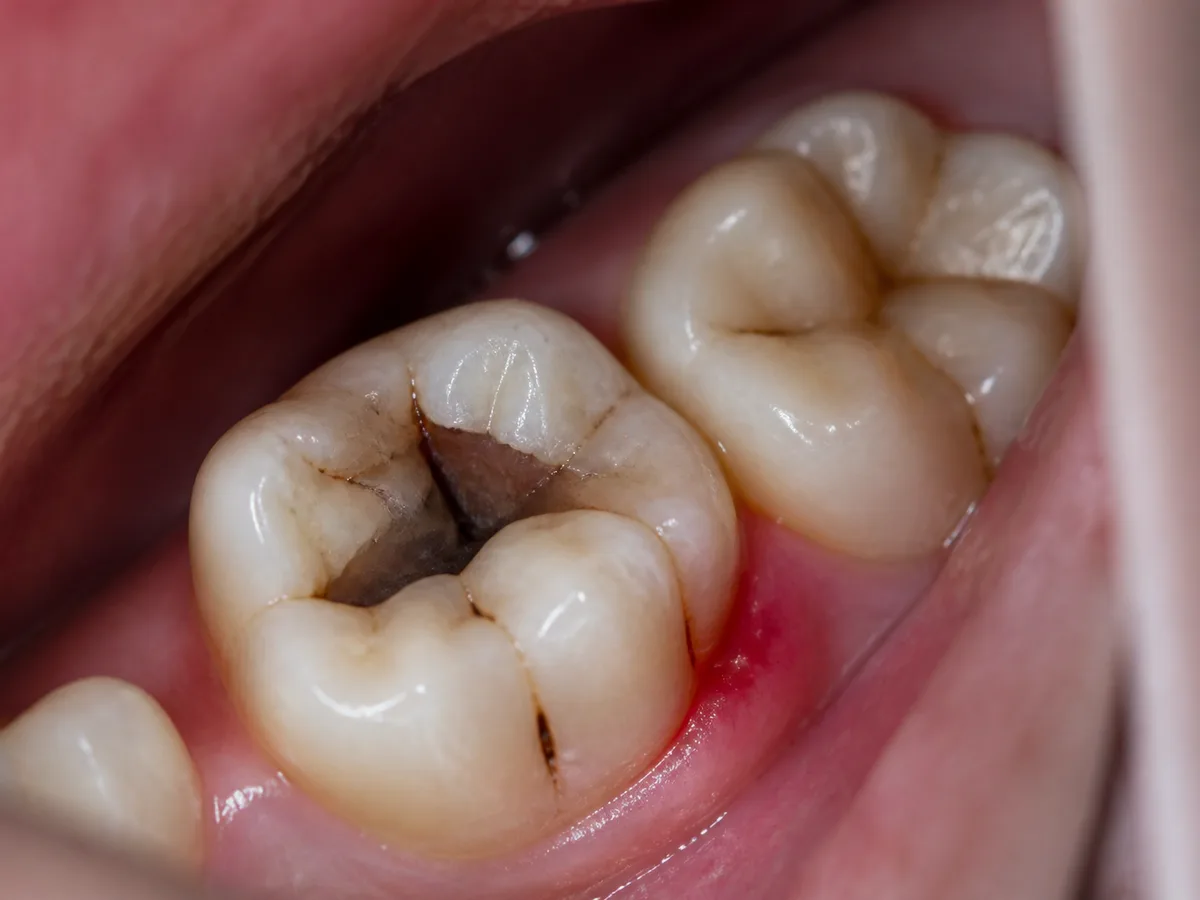 The painful tooth is not always the tooth you suspect.
Tests turn symptoms into a diagnosis
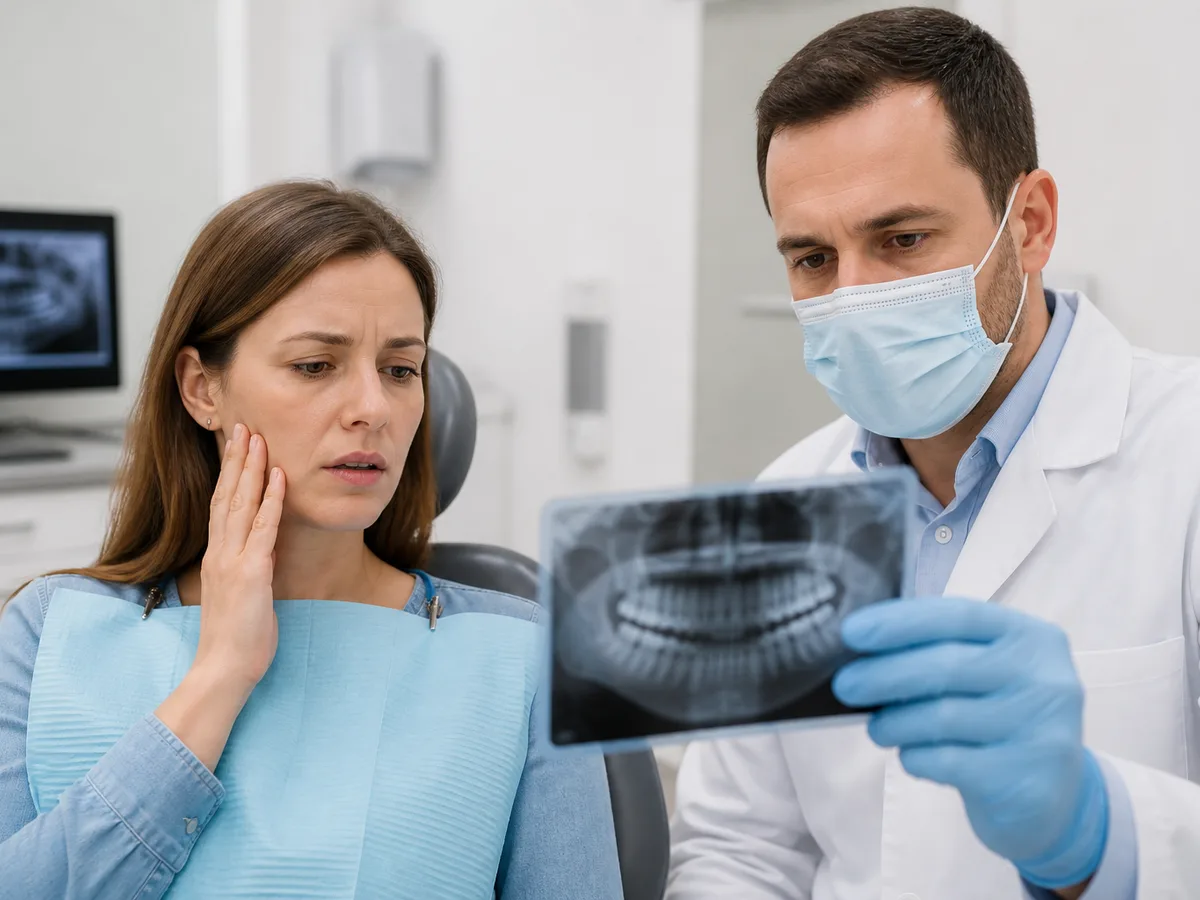
A tooth can refer pain to the ear, jaw, or neighboring teeth, so guessing by location is unreliable. Dentists use X-rays, cold testing, tapping, biting pressure, gum measurements, and sometimes 3D imaging. Those tests help separate pulp trouble from sinus pressure, gum disease, grinding, a cracked filling, or a high bite.
When To Call Promptly
Call quickly if pain wakes you, swelling appears, a gum bump drains, fever develops, or the tooth is painful to touch. A dental abscess can spread beyond the tooth. Mayo Clinic lists severe toothache, sensitivity, fever, swelling, and trouble swallowing as abscess warning signs. Trouble breathing, trouble swallowing, swelling near the eye or neck, or a very ill feeling needs urgent medical evaluation.
Patterns matter more than dramatic language. Short cold sensitivity that disappears quickly may point to exposed dentin or a small filling issue. Heat pain that lingers, pain that starts without a trigger, or pain that makes you avoid one tooth is more concerning. Bring that timeline to the visit; it helps the dentist decide which tests are most useful.
Do not wait for severe pain if a tooth changed color after a fall or sports injury. A nerve can die quietly. Also do not assume pain has resolved because the infection drained. A gum bump that comes and goes is still a sign that bacteria may have a path out of the tooth.
If you are taking pain relievers around the clock to function, mention that too. Medication can blur the symptom picture without fixing the source.
Bring recent dental records if you have them. Older X-rays can show whether a dark area, crack concern, or deep filling is new or has been changing slowly.
Write down whether painkillers help fully, partly, or not at all; that detail can sharpen the diagnosis.
Earlier care can preserve choices
The sooner a restorable infected tooth is evaluated, the more options you may have. Delay can lead to bone loss, fracture, swelling, or a tooth that shifts from savable to extraction. If symptoms are building and you need a local evaluation, use find a dentist and describe the pain pattern, swelling, and timing when you call.
How The Signs Connect To Treatment
Root canal treatment is not recommended from symptoms alone. It is recommended when symptoms and tests show that the pulp cannot recover and the tooth can still be sealed and restored. If you are anxious about the appointment, read Does A Root Canal Hurt?. If symptoms are already improving after treatment, How Long Is Root Canal Recovery? can help you compare normal soreness with warning signs.
For the consequence of ignoring these signs, What Happens If You Skip A Root Canal? explains what can change while pain comes and goes.
Related articles
Keep exploring related topics from Dental Country.

Does A Root Canal Hurt?
Modern root canal treatment is built around numbness and control. The ache that brings you in is often worse than the appointment itself.
Read article
How Long Does A Root Canal Take?
Root canal timing depends on the tooth, the infection, and the final seal. A front tooth and a molar are not the same appointment.
Read article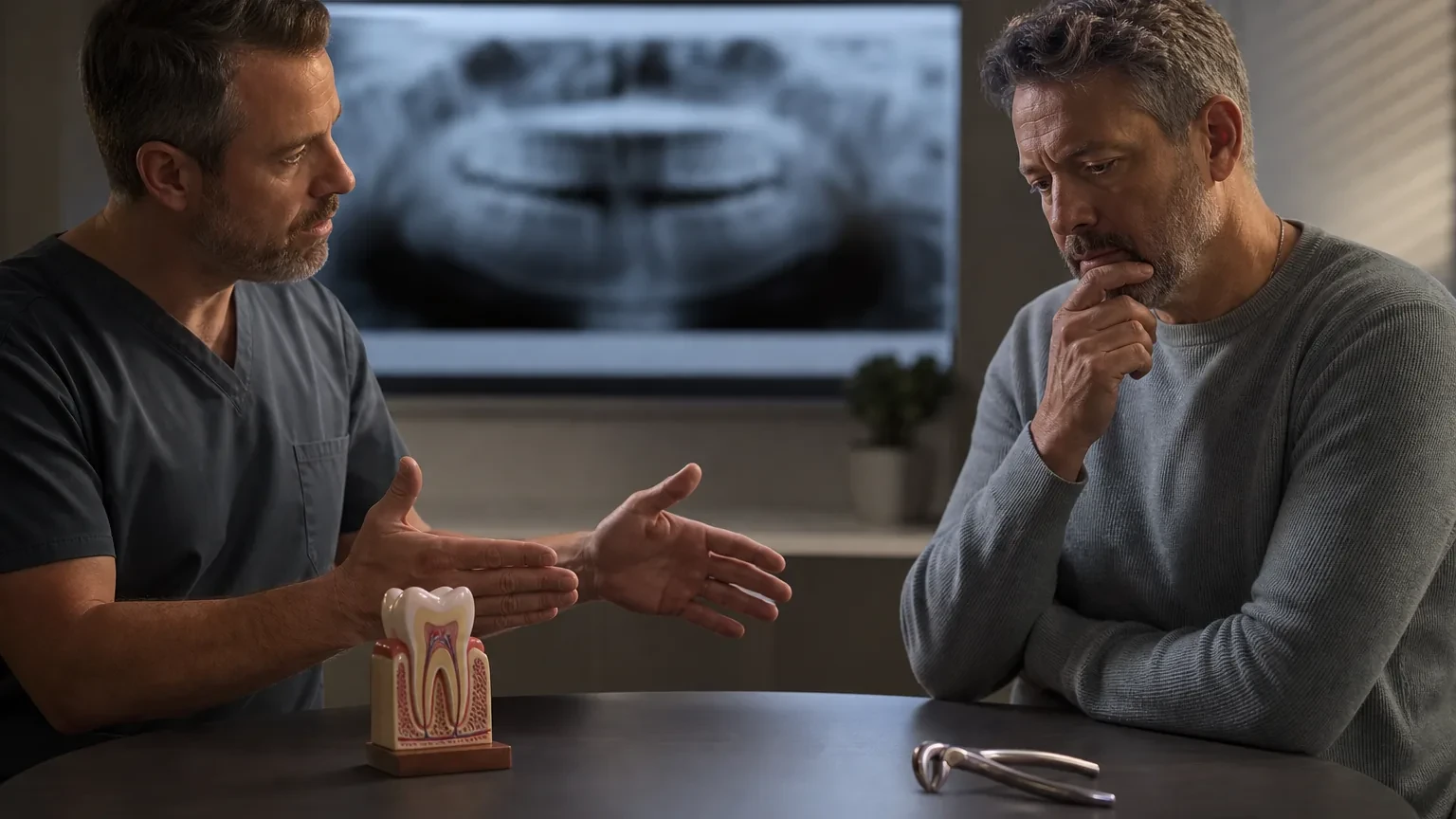
Root Canal Vs Extraction: Which Should I Choose?
Root canal treatment and extraction solve different problems. The better choice depends on whether the tooth can be restored and kept stable.
Read article
Do You Need A Crown After A Root Canal?
A crown after a root canal is not just cosmetic. It is often the part that keeps a weakened back tooth from cracking under normal chewing.
Read article