

Is A Root Canal Dangerous?
Root canals are standard dental treatment for infected pulp, not a dangerous procedure for most patients. Learn the real risks and myths today.

Reviewed by Dr. Sean Myran, DMDDoctor of Dental Medicine, University of Pennsylvania
For most patients, a root canal is a standard dental procedure used to treat infected or inflamed pulp and help save a restorable tooth. The larger danger is often the untreated infection, not the procedure. Modern treatment uses local anesthetic, dental dam isolation, irrigation, sterile instruments, and a sealed restoration. MouthHealthy describes root canals as treatment for the inside of the tooth, not as a source of whole-body illness.
Myths And Facts
- Myth: Root canals poison the body.
- Fact: This claim comes from outdated theories, not current dental evidence.
- Myth: Extraction is always safer.
- Fact: Removing a tooth can be appropriate, but it also creates replacement, bite, and bone decisions.
- Myth: A painless tooth cannot be infected.
- Fact: Some infected teeth drain or lose nerve sensation and still need care.
- Myth: The procedure is dangerous because it hurts.
- Fact: Local anesthesia is used so treatment can be done comfortably.
 Technique is part of the safety conversation.
Isolation helps control contamination
A dental dam keeps saliva away from the tooth while the canals are cleaned. That matters because saliva carries bacteria. The dentist also irrigates the canals and seals the access afterward. Safety is not based on a single tool; it is the combination of diagnosis, isolation, cleaning, sealing, and follow-up restoration.
Risks That Are Real
Real risks include soreness, instrument separation, missed canals, persistent infection, flare-ups, allergic reactions to materials or medicines, and tooth fracture if the remaining structure is weak. These risks are usually managed by planning, X-rays, referral when anatomy is complex, and timely restoration. Medical history matters too. Tell the office about heart conditions, immune problems, blood thinners, allergies, pregnancy, and current medications.
Radiation exposure from dental X-rays is another common concern. Dentists use focused images because seeing the root shape, infection, and restoration margins affects the safety of the procedure. If you are pregnant or have had many recent images, tell the team so they can decide what is necessary and what can be deferred. Skipping needed imaging can make treatment less predictable.
Untreated dental infection can become serious. Mayo Clinic notes that a tooth abscess can cause swelling, fever, and trouble swallowing or breathing. Those symptoms are not reasons to avoid dental care; they are reasons to seek it promptly. If you are deciding whether to treat or remove the tooth, Root Canal Vs Extraction: Which Should I Choose? gives a more balanced comparison.
Antibiotics alone are not a substitute for treating the tooth. They may calm spreading infection, but the canal source usually remains unless it is cleaned or the tooth is removed.
Ask how emergencies are handled after treatment. Knowing who to call for swelling, broken temporary filling, or medication reactions is part of a safe plan, especially before weekends or travel.
Safety also includes stopping when a case needs referral. Complex anatomy deserves the right tools and time.
Ask early if the explanation feels incomplete.

Your health history shapes precautions
The safest visit starts with accurate information. Mention past reactions to anesthetic, sedation needs, recent joint or heart procedures, antibiotics, and whether swelling is changing quickly. If you need an office that can review those details carefully, use find a dentist and ask what records to bring.
How To Judge Online Claims
Be skeptical of advice that treats every root canal as toxic or every extraction as simple. A good recommendation explains the diagnosis, the tooth prognosis, the medical precautions, and the restoration plan. It also leaves room for referral when the case is difficult. Fear should prompt better questions, not a rushed decision.
For comfort concerns, read Does A Root Canal Hurt?. For the consequences of delaying infected-tooth care, see What Happens If You Skip A Root Canal?.
Related articles
Keep exploring related topics from Dental Country.

Does A Root Canal Hurt?
Modern root canal treatment is built around numbness and control. The ache that brings you in is often worse than the appointment itself.
Read article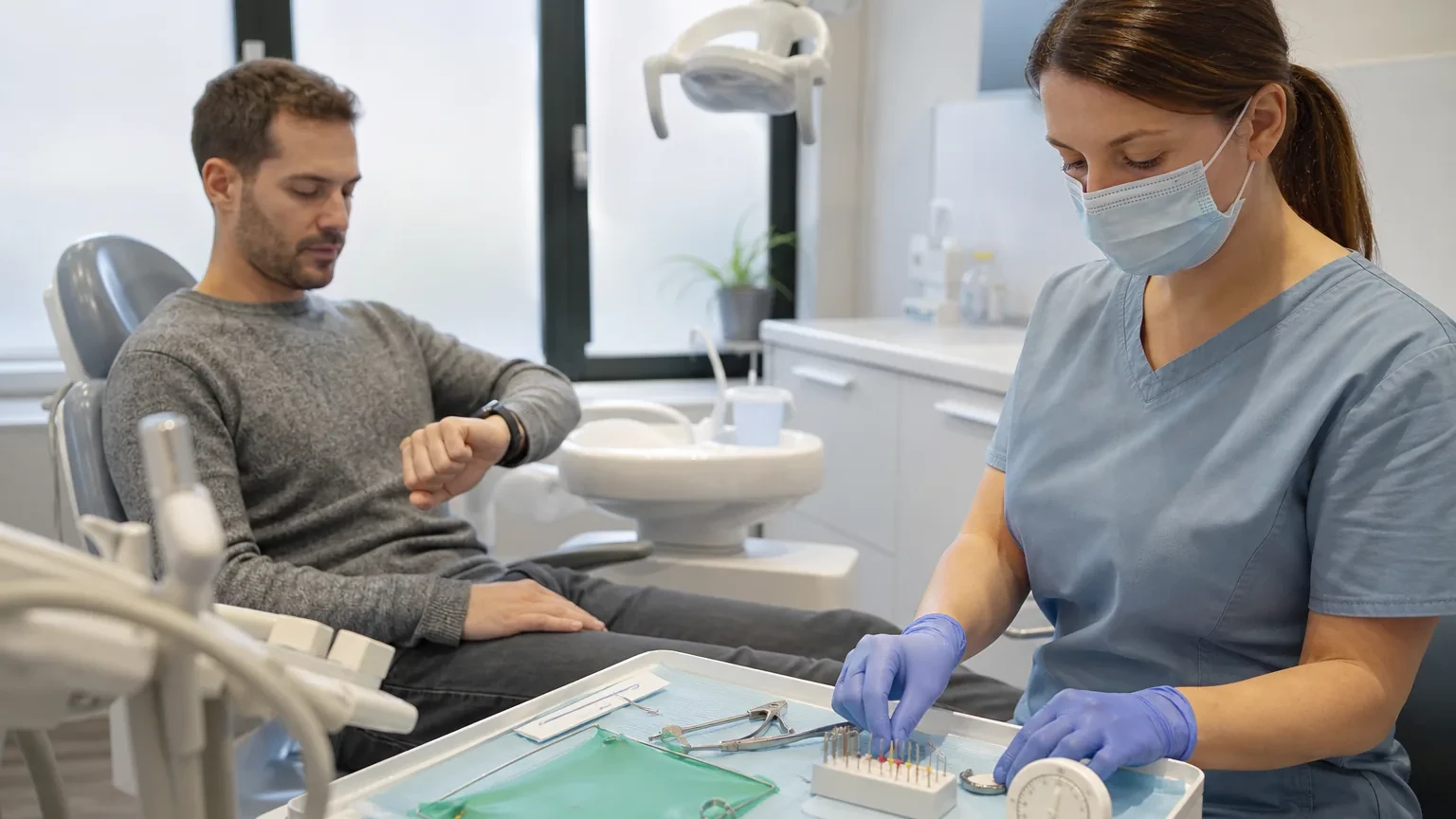
How Long Does A Root Canal Take?
Root canal timing depends on the tooth, the infection, and the final seal. A front tooth and a molar are not the same appointment.
Read article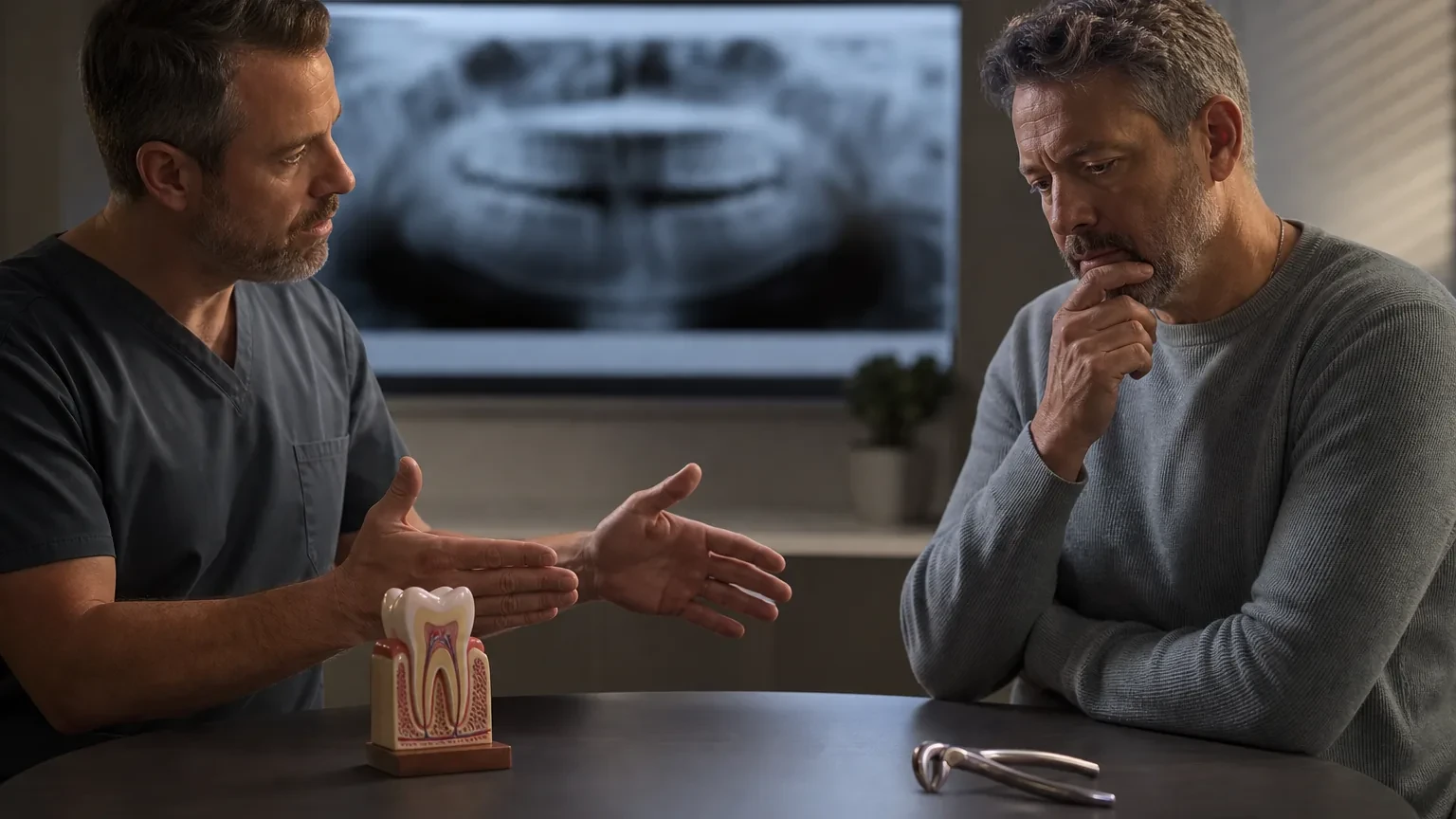
Root Canal Vs Extraction: Which Should I Choose?
Root canal treatment and extraction solve different problems. The better choice depends on whether the tooth can be restored and kept stable.
Read article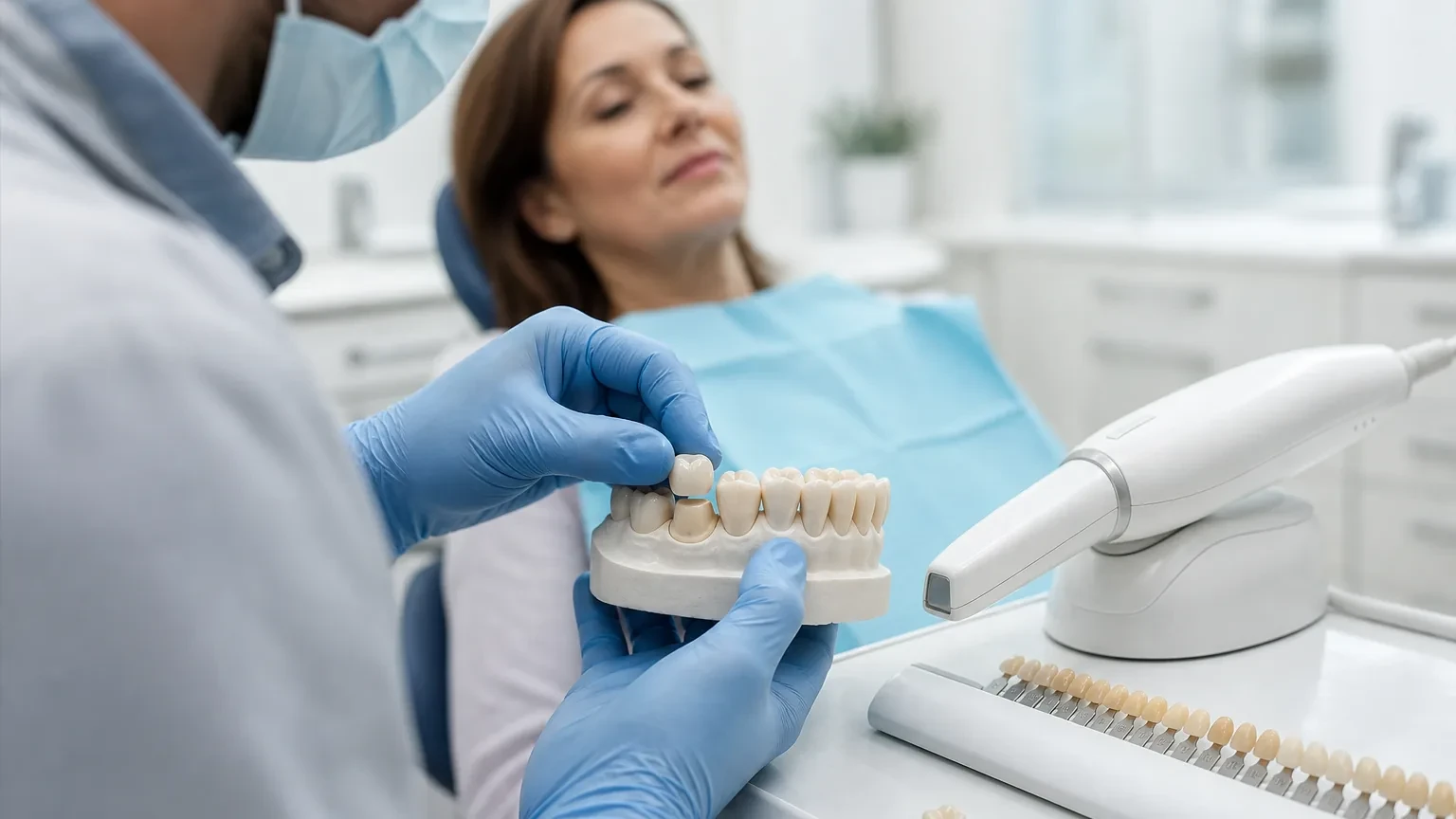
Do You Need A Crown After A Root Canal?
A crown after a root canal is not just cosmetic. It is often the part that keeps a weakened back tooth from cracking under normal chewing.
Read article