
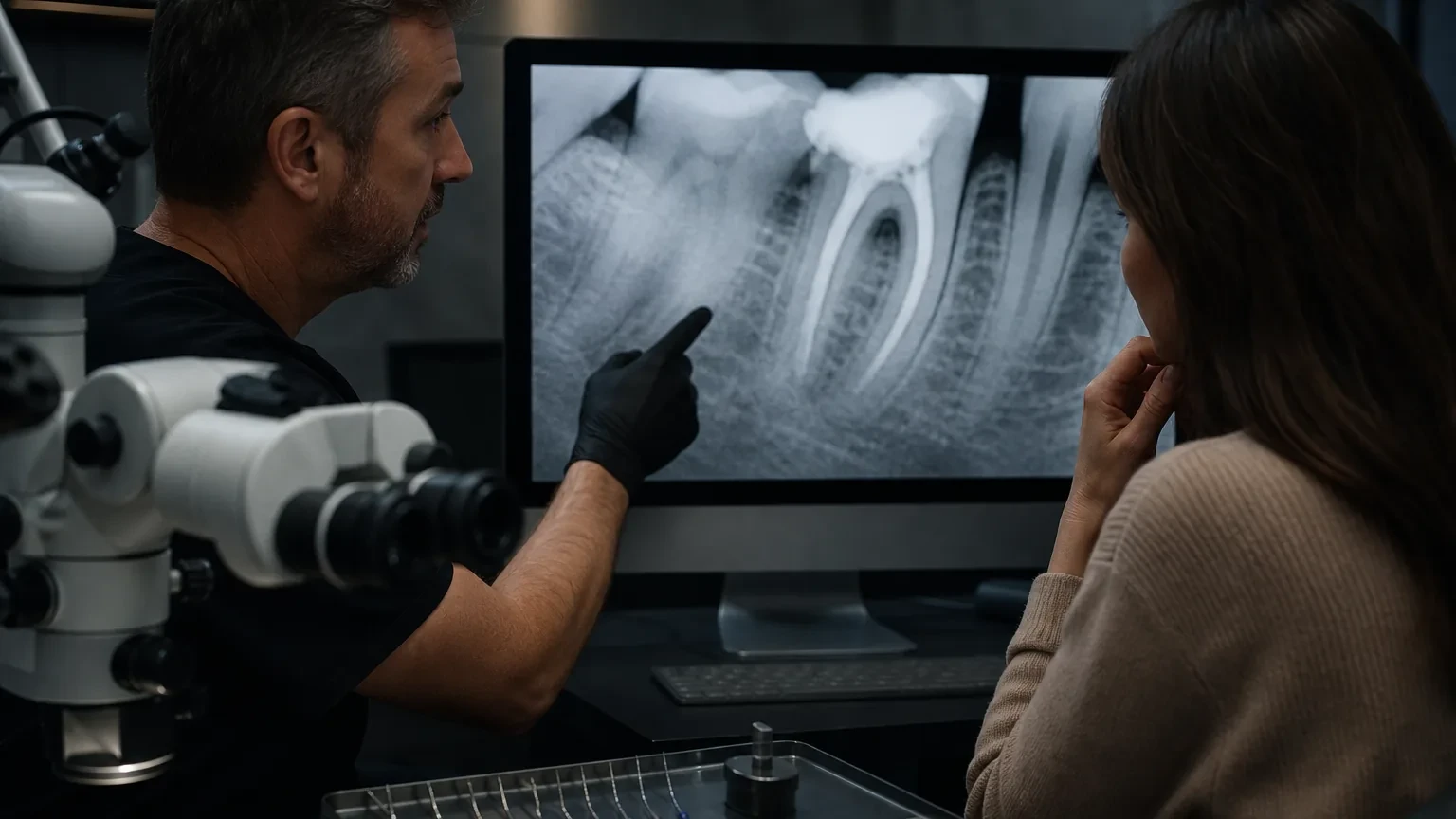
Can A Root Canal Fail?
A root canal can fail if bacteria remain, the tooth cracks, or the seal leaks. Learn warning signs, common causes, and retreatment options soon.

Reviewed by Dr. Sean Myran, DMDDoctor of Dental Medicine, University of Pennsylvania
Yes, a root canal can fail, although many treated teeth last a long time when they are well sealed and restored. Failure usually means bacteria remain, return, or gain a new path into the tooth. That can happen from complex canal anatomy, a missed canal, a cracked root, delayed crown placement, new decay, or leakage around an old restoration. The American Association of Endodontists explains that retreatment may be needed when healing does not occur as expected or new problems develop.
Warning Signs After The Healing Window
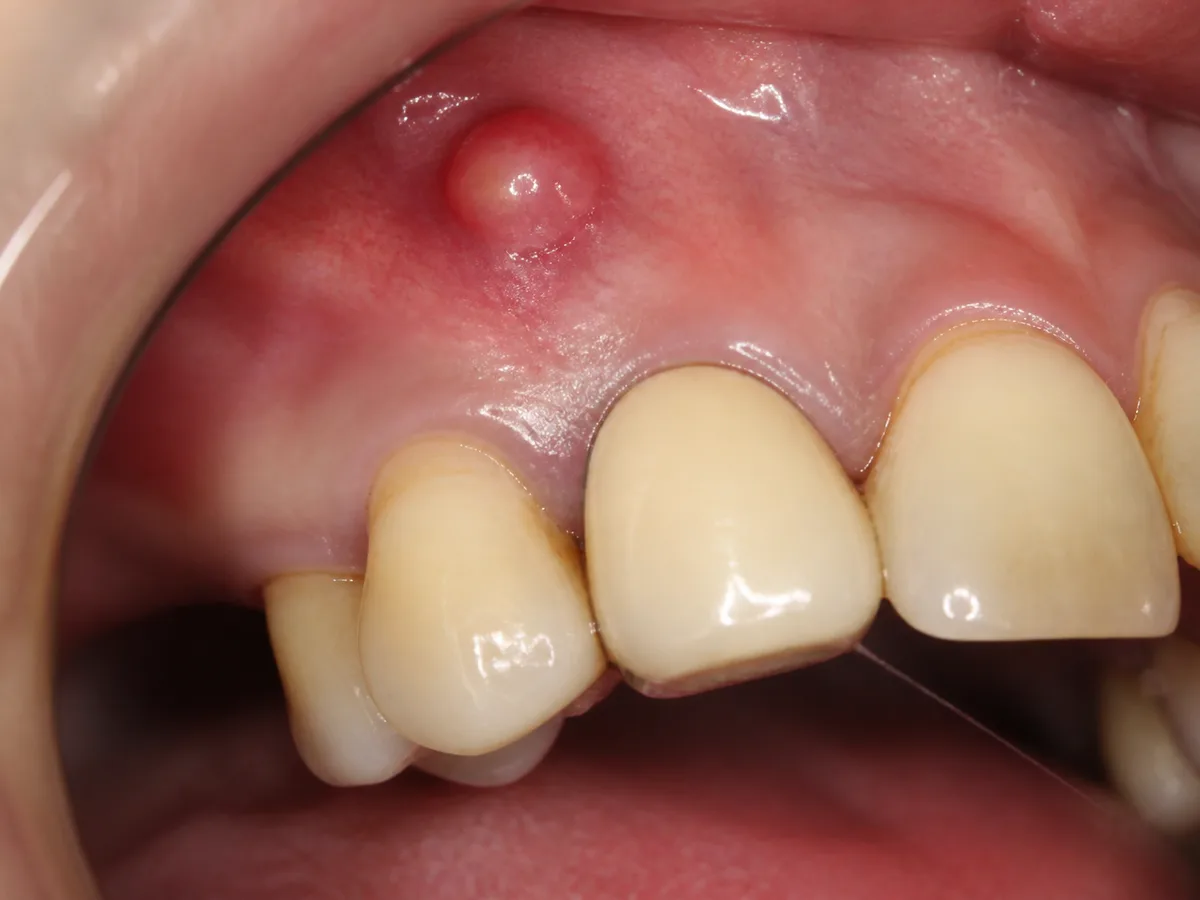
- Recurring swelling: gum bump, drainage, or cheek tenderness near the treated tooth.
- Biting pain: sharp pain on chewing or release that does not settle.
- Temperature pain: unusual sensitivity from a treated tooth or a neighboring tooth that needs testing.
- X-ray changes: bone healing stalls or a dark area grows around the root tip.
- Broken restoration: lost filling, open crown margin, or new cavity allows leakage.
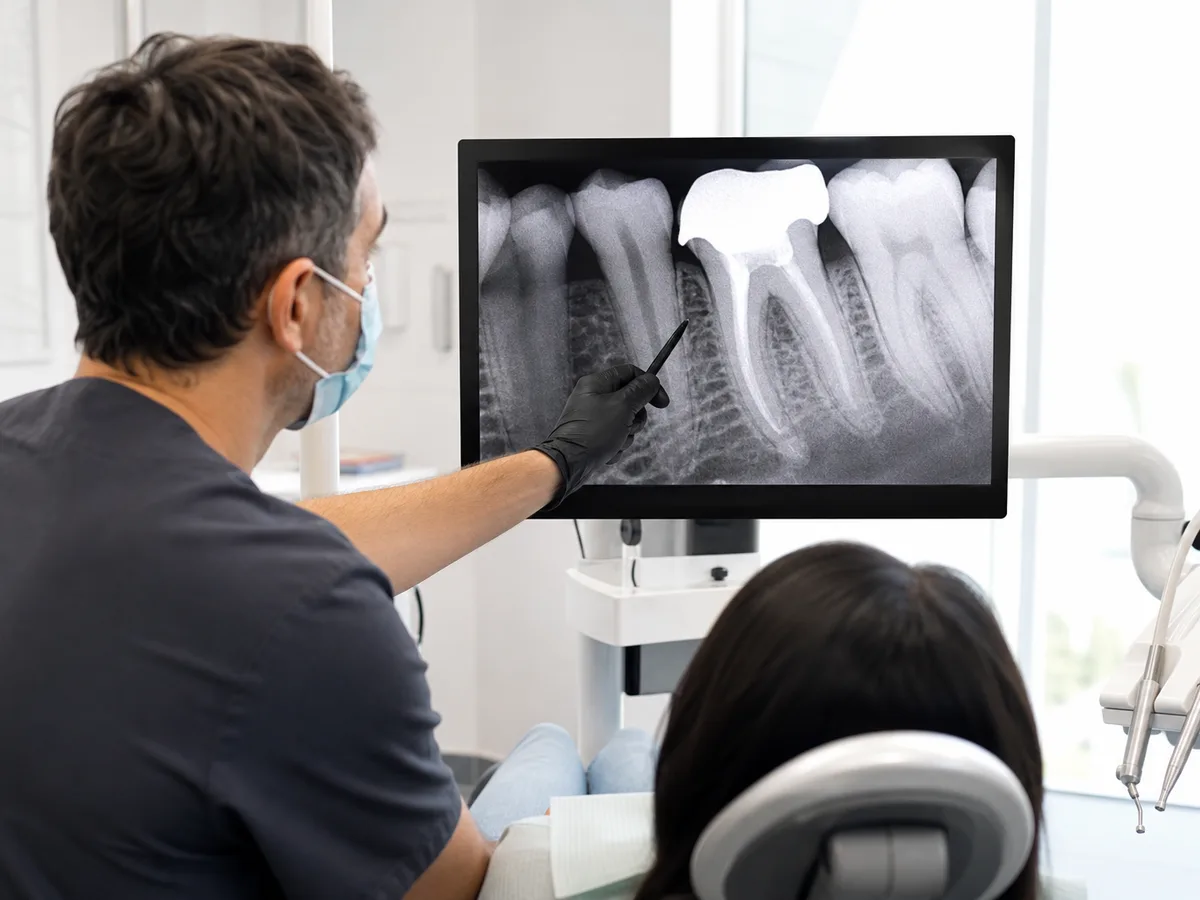 The diagnosis decides whether retreatment helps.
Symptoms and X-rays must be matched
A tooth can feel sore for reasons that are not root canal failure, including a high bite, gum inflammation, sinus pressure, or a crack in another tooth. The dentist compares symptoms with X-rays, percussion, bite testing, gum probing, and restoration fit. Do not assume every ache means retreatment, but do not ignore a draining gum bump either.
What Can Be Done?
Options may include adjusting the bite, replacing a leaking crown, root canal retreatment, endodontic surgery, or extraction if the tooth cannot be saved. Retreatment means reopening the tooth, removing old filling material, cleaning missed or recontaminated spaces, and sealing it again. Surgery may treat infection at the root tip when the crown and canal filling are otherwise sound.
Timing matters because a small leak can become new decay, and a small crack can become a split tooth. If the office wants to monitor healing, ask what they expect to see on the next X-ray and how soon symptoms should improve. Monitoring is most useful when it has a reason, a date, and a trigger for changing course.
A vertical root fracture is different. If the root is split, bacteria can travel along the crack, and retreatment often will not solve the problem. That is when extraction may be recommended. If you are weighing that possibility, read Root Canal Vs Extraction: Which Should I Choose?. If the question is whether restoration timing contributed, Do You Need A Crown After A Root Canal? is worth reviewing.
Do not judge success only by pain. Some failing teeth drain silently, and some healing teeth remain mildly tender while bone repairs. The pattern over time matters.
Bring previous root canal records when possible. Knowing the filling material, working length, and crown history can make retreatment planning more accurate.
Also mention grinding, clenching, or nightguard use because bite forces can influence both symptoms and prognosis.
Ask for the cause, not just the fix
Before agreeing to retreatment, ask what failed: canal anatomy, seal, crack, decay, or gum support. Also ask what the prognosis is after the next step. A second opinion is reasonable for expensive or borderline cases. Use find a dentist and look for an office that can coordinate with an endodontist when needed.
How To Lower The Risk
Finish the final restoration on schedule, keep the crown margins clean, wear a nightguard if recommended, and return for follow-up X-rays when the dentist wants to confirm healing. Root canal success is not only the day the canals are filled. It depends on the seal, the bite, the crown, and whether the rest of the mouth stays healthy.
For symptoms that appear before treatment, see What Are Signs You Need A Root Canal?.
Related articles
Keep exploring related topics from Dental Country.

Does A Root Canal Hurt?
Modern root canal treatment is built around numbness and control. The ache that brings you in is often worse than the appointment itself.
Read article
How Long Does A Root Canal Take?
Root canal timing depends on the tooth, the infection, and the final seal. A front tooth and a molar are not the same appointment.
Read article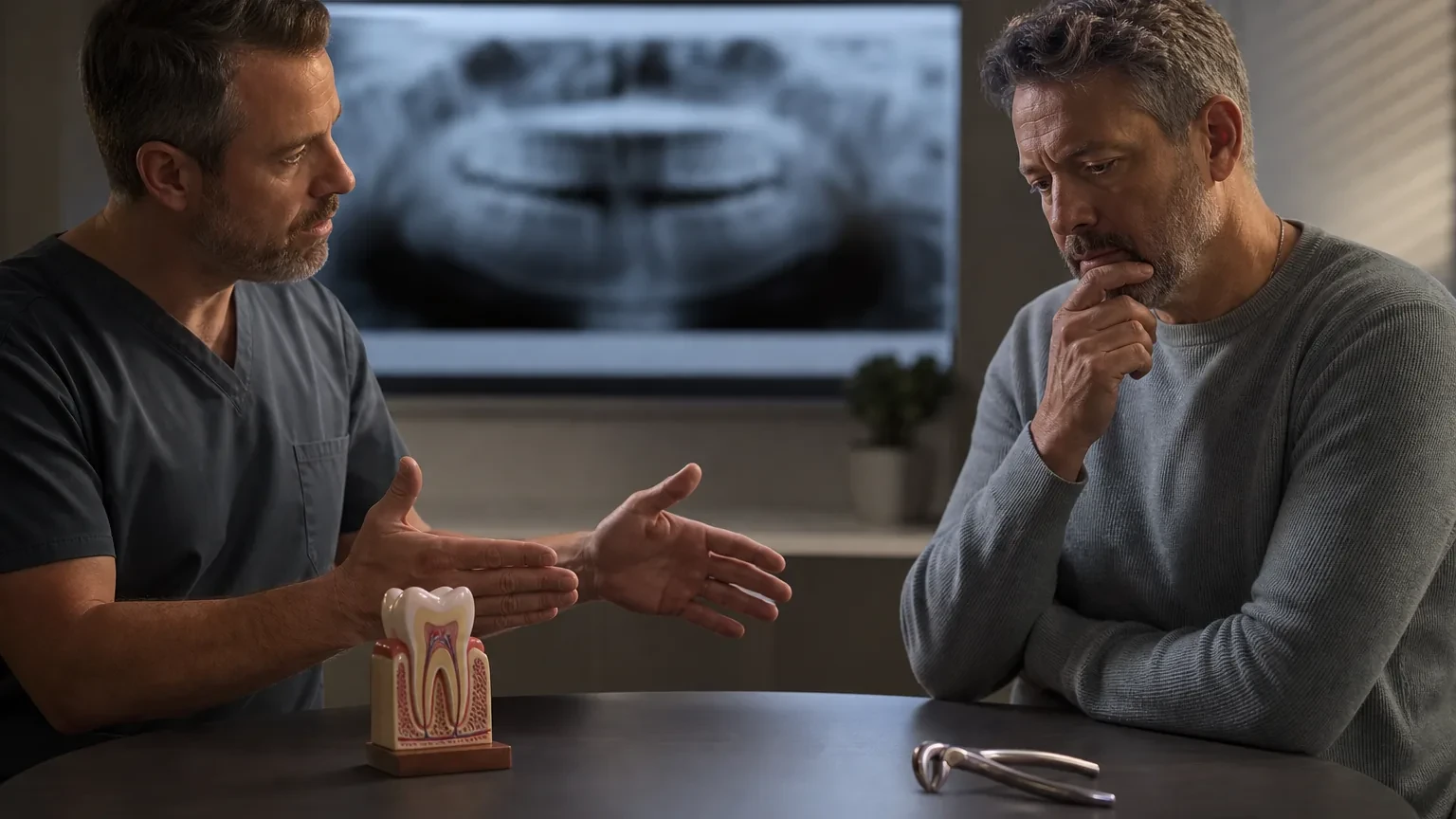
Root Canal Vs Extraction: Which Should I Choose?
Root canal treatment and extraction solve different problems. The better choice depends on whether the tooth can be restored and kept stable.
Read article
Do You Need A Crown After A Root Canal?
A crown after a root canal is not just cosmetic. It is often the part that keeps a weakened back tooth from cracking under normal chewing.
Read article