
What Is Endodontics?
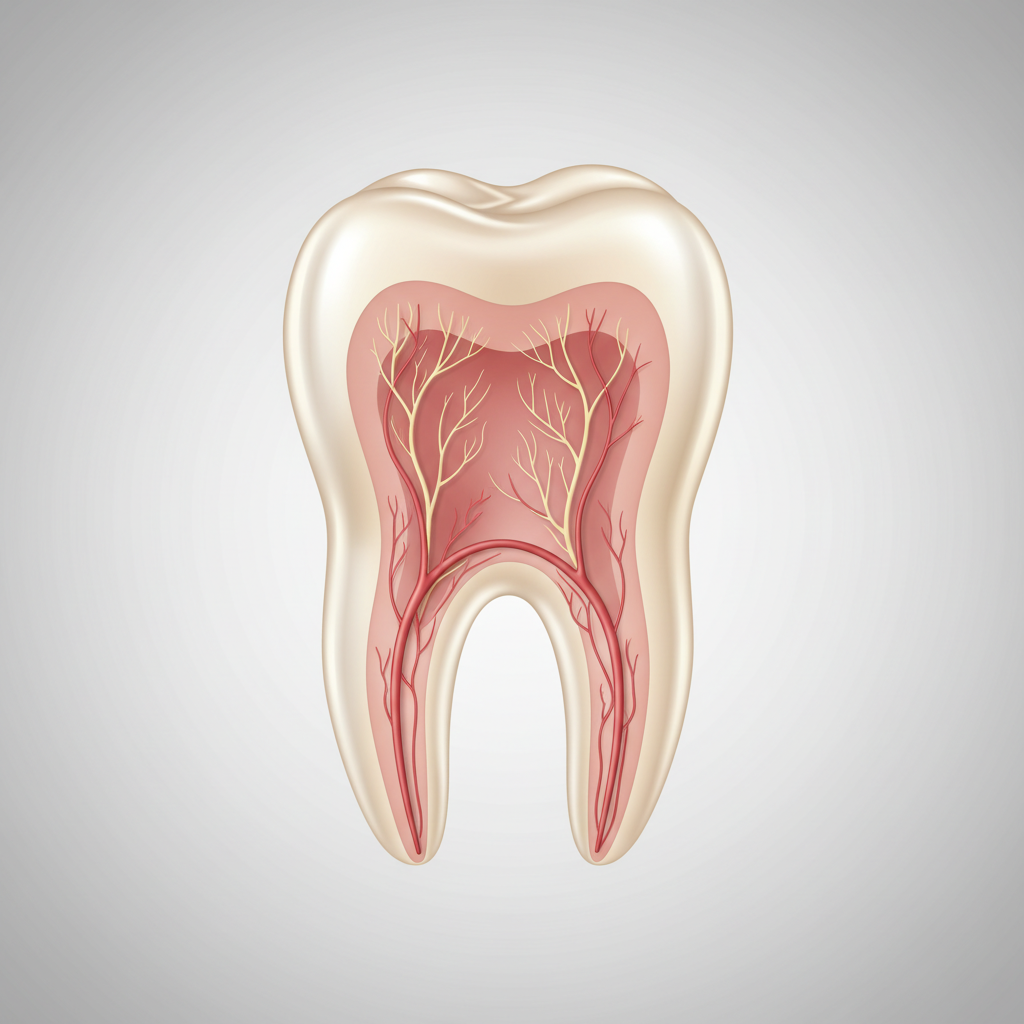
Endodontics is the dental specialty focused on the interior of teeth — the dental pulp, nerves, blood vessels, and root canal system. Endodontists save natural teeth from extraction by treating infection, trauma, and disease deep inside the tooth, most commonly through root canal therapy.
An endodontist is a dentist who has completed 2–3 additional years of specialized residency after dental school, training exclusively on diseases and treatments of the dental pulp. The American Association of Endodontists estimates endodontists perform an average of 25 root canals per week, compared to about two per week for general dentists. This focus translates into faster procedures, less discomfort, and higher success rates — particularly for complex cases.
Modern endodontics has changed dramatically. Once feared procedures are now routinely completed comfortably in one or two visits, often with success rates above 95%. Surgical microscopes, cone beam CT imaging, rotary nickel-titanium files, and 3D-printed surgical guides have made endodontic treatment more precise, more predictable, and less invasive than ever before.
This guide covers every major endodontic treatment, real cost ranges, what to expect during root canal therapy, when you need a specialist versus your general dentist, and how to choose a qualified endodontist for your situation.
Common Endodontic Treatments
Root canal therapy is the most well-known endodontic procedure, but endodontists treat a wide range of pulp and root conditions. Each treatment is designed to save a tooth that would otherwise require extraction.
Root Canal Therapy
The signature endodontic procedure. Removes infected or damaged pulp, cleans the root canal system, fills it with biocompatible material, and seals the tooth. Typically 1–2 visits, 60–90 minutes each.
$700–$2,000 per tooth
Endodontic Retreatment
When a previously root-canaled tooth fails or becomes reinfected. Removes prior filling material, retreats the canals, and resealing. More complex than initial treatment.
$900–$2,500 per tooth
Apicoectomy
Microsurgical procedure to remove infection at the root tip when standard root canal can’t reach it. Endodontist accesses through gum surgery and seals the root tip from below.
$1,000–$3,000 per tooth
Pulp Capping
Treatment for early pulp damage from deep decay or trauma. Placement of biocompatible material directly on or near the pulp to stimulate healing without full root canal.
$200–$600 per tooth
Pulpotomy
Partial pulp removal — usually for baby teeth or young permanent teeth where the root hasn’t fully formed. Preserves more of the natural tooth than full root canal.
$200–$600 per tooth
Internal Bleaching
Whitening a discolored, root-canaled tooth from the inside. Bleaching gel placed inside the tooth lightens the darkened structure that external whitening can’t reach.
$200–$600 per tooth
Dental Trauma Treatment
Immediate care for knocked-out, displaced, or fractured teeth. Endodontists can often save teeth that would otherwise be lost. Time-critical — ideally within 60 minutes.
Varies widely
Regenerative Endodontics
Newer procedure for young teeth with incomplete roots. Stimulates the body’s own repair mechanisms to regenerate pulp tissue and complete root development.
$800–$2,500 per tooth
When You Need an Endodontist
Most root canals are performed by general dentists, but certain situations strongly favor seeing a specialist. The following signs suggest endodontist referral:
✓Complex root anatomy. Curved canals, calcified canals, or unusual root shapes are easier to navigate with an endodontist’s surgical microscope and specialized instruments.
✓Failed previous root canal. Retreatment is significantly more complex than initial treatment. Specialist training matters.
✓Molar treatment. Molars have 3–4 canals (vs 1–2 for front teeth) and are technically more demanding. Endodontists handle molars routinely.
✓Dental trauma. Time-critical injuries (knocked-out teeth, fractures) benefit from immediate specialist evaluation when possible.
✓Apicoectomy needed. Surgical root canal procedures require specialized training and equipment most general dentists don’t have.
✓Persistent pain after treatment. If symptoms continue after a general dentist’s root canal, an endodontist’s expertise often identifies and resolves what was missed.
Real-World Cost Breakdown
What insurance typically covers: Root canal therapy is considered a major restorative procedure and is usually partially covered by dental insurance — commonly 50–80% of fees up to your annual maximum. Confirm coverage and waiting periods before treatment. Most plans cover endodontic procedures the same regardless of whether they’re performed by a general dentist or endodontist.
The follow-up crown: Root canal treatment alone is rarely the end of treatment. A tooth that has been root-canaled needs a crown placed within 30–60 days to prevent fracture — root-canaled teeth are more brittle. Budget an additional $1,000–$3,500 for the crown when planning total treatment cost.
Root Canal Therapy: Step by Step
Modern root canal therapy is a routine, well-tolerated procedure with success rates above 95%. The process involves anesthesia, accessing the pulp chamber, cleaning the root canal system, and sealing it permanently.
Diagnosis & X-rays
Periapical X-rays and often a 3D cone beam CT scan to map root canal anatomy and identify infection extent before treatment begins.
Local Anesthesia
Targeted numbing of the tooth and surrounding tissue. Modern techniques produce profound numbness; modern root canals are typically painless.
Access & Isolation
Small access opening created in the top of the tooth. A rubber dam isolates the tooth to keep it dry and prevent contamination.
Cleaning & Shaping
Rotary nickel-titanium files clean and shape the canal walls. Irrigation with antibacterial solutions removes debris and disinfects.
Obturation
Cleaned canal filled with biocompatible gutta-percha and sealant. Provides a permanent seal preventing future infection.
Final Restoration
Temporary filling placed; permanent crown follows within 30–60 days. The crown protects the now-brittle tooth and restores chewing function.

Endodontic Technology in 2026
Technological advances over the last decade have transformed root canal therapy from a feared procedure into a routine, predictable treatment with success rates that rival the most successful procedures in all of medicine.
Surgical Microscope
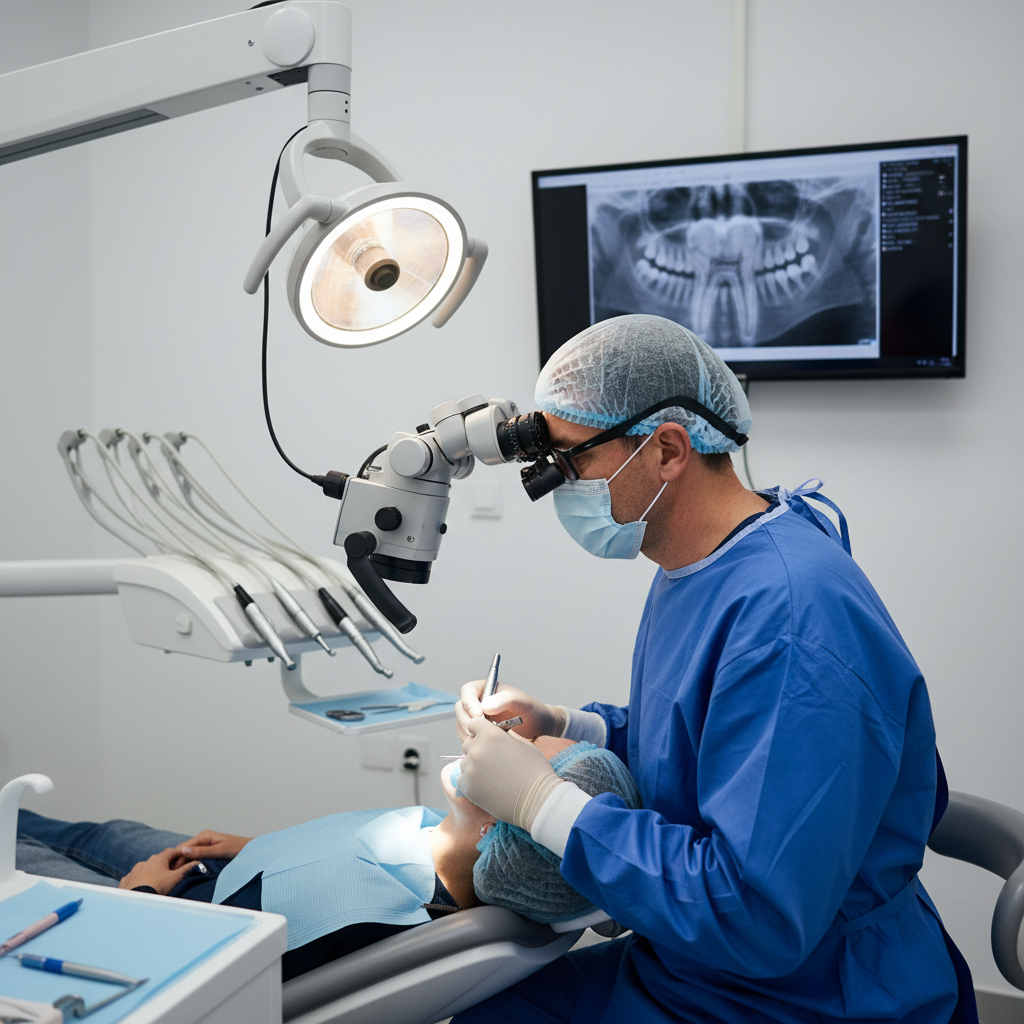
Up to 20x magnification reveals canal anatomy invisible to the naked eye — small accessory canals, calcified deposits, and previously-missed structures.
Cone Beam CT (CBCT)
3D imaging that lets endodontists see root anatomy, infection extent, and adjacent structures with detail impossible from 2D X-rays.
Rotary NiTi Files
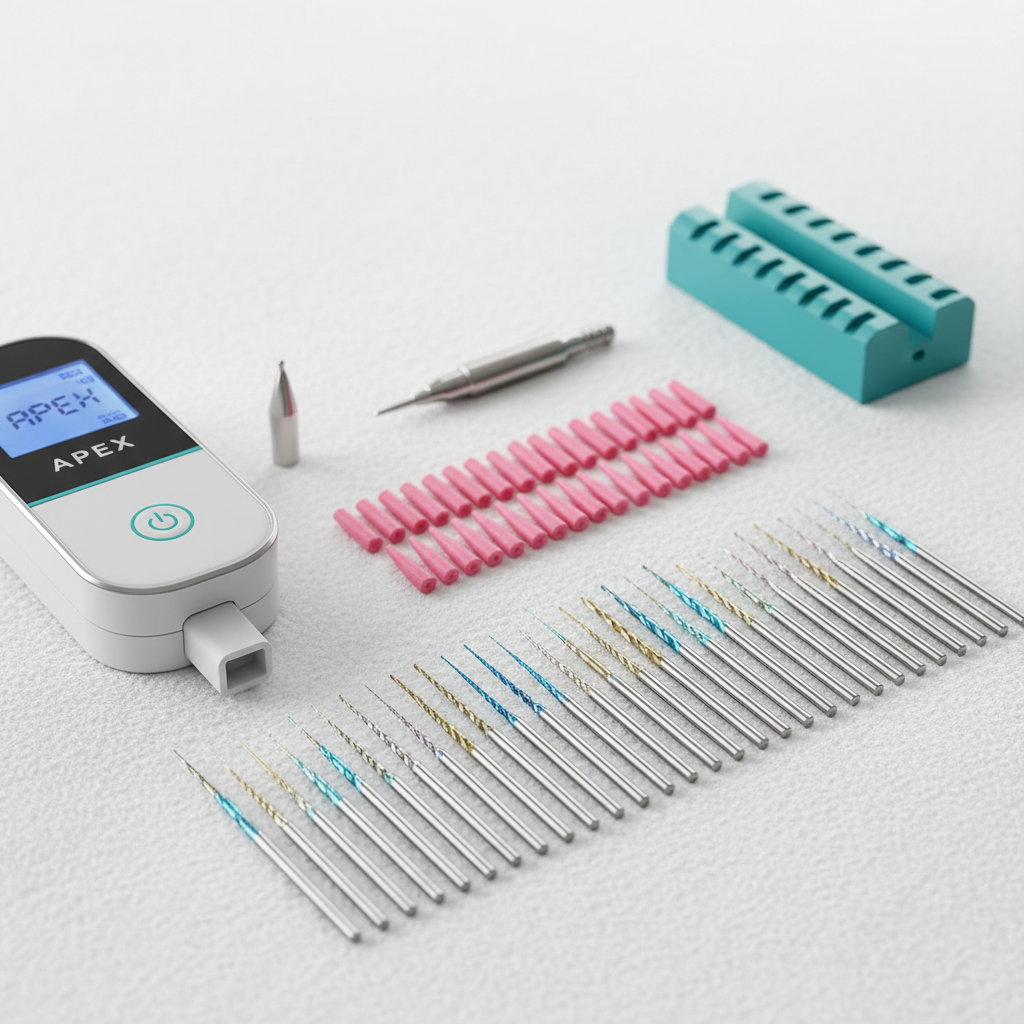
Nickel-titanium rotary files (ProTaper Gold, WaveOne, others) clean canals faster and more thoroughly than hand instrumentation.
Apex Locators
Electronic devices that determine exact root canal length without additional X-rays. More accurate and faster than traditional radiographic methods.
Ultrasonic Irrigation
Sound waves agitate disinfecting solutions deep into root canal anatomy, removing bacterial biofilm that mechanical cleaning misses.
3D-Printed Surgical Guides
Custom 3D-printed guides for apicoectomy and complex access cases. Improve precision and reduce treatment time.
Risks and Important Considerations
Root canal therapy is one of the most successful treatments in modern dentistry, with 95%+ long-term success rates when performed by an endodontist. The risks below are real but uncommon.
Treatment Failure
A small percentage of root canals fail months or years after treatment, usually because of missed canals, reinfection, or root fracture. Retreatment or apicoectomy resolves most failures; extraction is the last resort.
Tooth Fracture
Root-canaled teeth are more brittle than living teeth. Without a crown placed promptly after treatment, fracture is the leading cause of failed root canals long-term.
Persistent Sensitivity
Mild discomfort for 1–2 weeks after treatment is normal. Sensitivity persisting beyond a month or worsening pain warrants follow-up.
File Separation
Rare but possible — a small instrument fragment can break inside a canal. Modern files are designed to resist this, and when it occurs, the broken piece often doesn’t affect treatment outcome if properly sealed.
How to Choose an Endodontist
Specialist training matters enormously in endodontics. Look for these specific signals when choosing a provider:
Board Certification
American Board of Endodontics certification (Diplomate, ABE) signals top-tier specialty credentialing through written and clinical exams.
Microscope-Equipped
Surgical microscopes are standard in modern endodontic practices. Practices without them are noticeably behind clinical best practices.
CBCT Available
3D imaging on-site or readily accessible. Complex cases benefit dramatically from 3D visualization before treatment.
Case Experience
Ask how many cases similar to yours they’ve completed. Endodontists average 1,000–1,500 root canals per year — expertise compounds with volume.
Emergency Availability
The best endodontic practices accommodate same-day emergencies. Dental pain doesn’t follow a 9-to-5 schedule.
Patient Reviews
Cross-reference Google, Yelp, and Healthgrades. Patients often comment on pain management, communication, and procedure efficiency.
Transparent Pricing
Written cost estimates and insurance pre-authorization before treatment. Beware of surprise charges or fees not disclosed up-front.
Referral Network
If your general dentist refers to a specific endodontist, that’s a strong signal — dentists refer to specialists they trust with their own patients.
Frequently Asked Questions
Is a root canal painful?
Modern root canal therapy is typically less uncomfortable than a routine filling. Effective local anesthesia produces profound numbness throughout the procedure. Mild soreness for a few days afterward is normal. The reputation for pain stems from outdated techniques — today’s procedures are routine and well-tolerated.
How much does a root canal cost?
Front-tooth root canals run $700–$1,200. Premolars: $900–$1,500. Molars: $1,200–$2,000. Endodontists charge 30–60% more than general dentists. Add $1,000–$3,500 for the follow-up crown that’s required to protect the tooth.
How long does a root canal take?
Front teeth: 60–90 minutes, often single visit. Molars: 90 minutes to 2 hours, sometimes spread across two visits. Retreatment and complex cases can require 2–3 visits. The follow-up crown adds 1–2 additional appointments at a general dentist within 30–60 days.
Should I see an endodontist or my general dentist?
Front-tooth root canals with simple anatomy can be done by general dentists. Molars, complex anatomy, retreatment, and any case with complications strongly favor an endodontist. Endodontists average 25+ root canals per week vs. 2 for general dentists — experience matters for outcomes.
Is a root canal better than extraction?
In nearly all cases, yes. Saving your natural tooth preserves chewing efficiency, jawbone structure, and alignment of adjacent teeth. Extraction followed by implant or bridge costs significantly more long-term and requires multiple procedures. Root canal is faster, less expensive, and preserves the original tooth.
How long does a root canal last?
When followed by a crown and good oral hygiene, root canals can last a lifetime. Studies show 95%+ ten-year success rates and 80%+ at twenty years. The follow-up crown is the single biggest predictor of long-term success.
Will I need a crown after root canal therapy?
For posterior teeth (premolars and molars): almost always yes. Root-canaled teeth become brittle and fracture without crown protection. Front teeth occasionally don’t need crowns if minimal tooth structure was removed. Plan for the crown when budgeting.
What are the signs I need a root canal?
Severe toothache (especially throbbing), prolonged sensitivity to hot or cold, tooth discoloration (darkening), pimple on the gum near a tooth, swelling, pain on biting. Any of these — particularly persistent pain — warrants prompt evaluation.
Are root canals covered by insurance?
Most dental insurance covers root canal therapy as a major restorative procedure, typically 50–80% of fees up to annual maximum. Pre-authorization recommended before treatment. The follow-up crown is separately covered, also as major restorative.
What if my root canal fails?
First option is endodontic retreatment — redoing the root canal. If retreatment isn’t feasible, apicoectomy (surgical root canal) can resolve the issue. Extraction followed by implant is the last resort. Most failed root canals can be saved.
Related Reading: Top 10 Endodontic Rotary Files | Cosmetic Dentistry Guide | Orthodontics Complete Guide | Dental Implants Guide
Find a Endodontist Near You
Browse vetted endodontists in cities across the United States. Each city directory lists the top-rated providers, recent patient reviews, and contact information.
AK
AR
CA
DC
HI
IA
ID
IN
LA
MD
MI
NE
NH
NM
SD
WI
Find Top-Rated endodontists Near You
Browse our curated, locally-reviewed directories of the best endodontists in these cities: