
What Happens If A Bracket Comes Off?
A loose braces bracket usually needs an orthodontic repair, not home glue. Learn what to do, what to save, and when to call sooner and safely.

Reviewed by Dr. Sean Myran, DMDDoctor of Dental Medicine, University of Pennsylvania
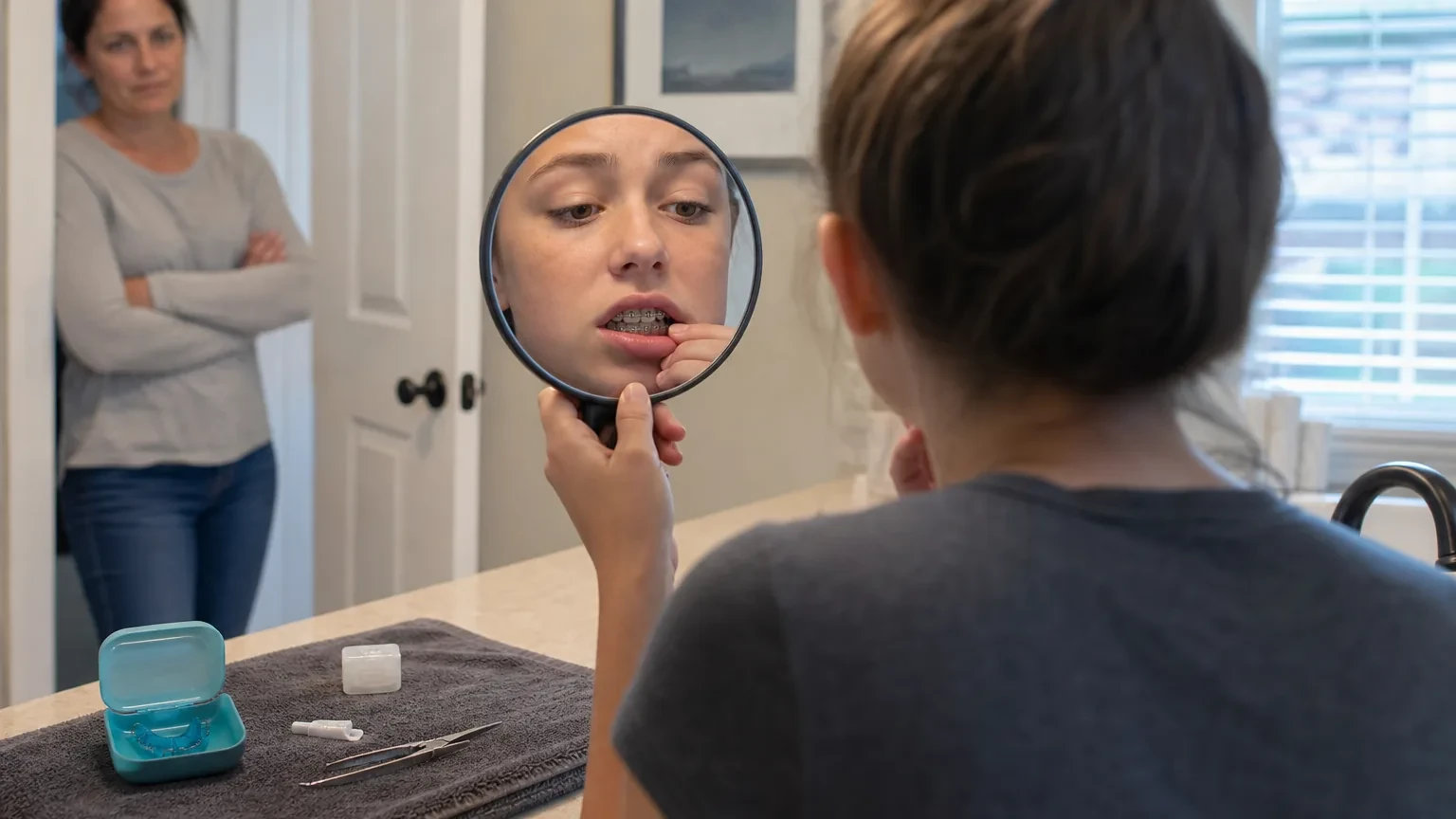
If a bracket comes off, the tooth attached to that bracket is no longer being controlled the same way. Sometimes the bracket slides on the wire. Sometimes it falls out of the mouth. Most cases are not a medical emergency, but they do need instructions from the orthodontic office. MouthHealthy emphasizes avoiding hard and sticky foods with braces, partly because broken appliances can delay treatment and irritate the mouth.
First Steps At Home
- Do not use household glue. Superglue, nail glue, or craft glue can injure tissue and complicate repair.
- Check whether it is still on the wire. If it slides, leave it alone unless the office tells you otherwise.
- Use wax for rubbing. Cover a loose bracket or poking area if it is irritating the cheek.
- Save loose pieces. Put anything that fell out in a small bag and bring it to the appointment.
- Call with details. Say which tooth, when it happened, whether a wire is poking, and whether you are in pain.
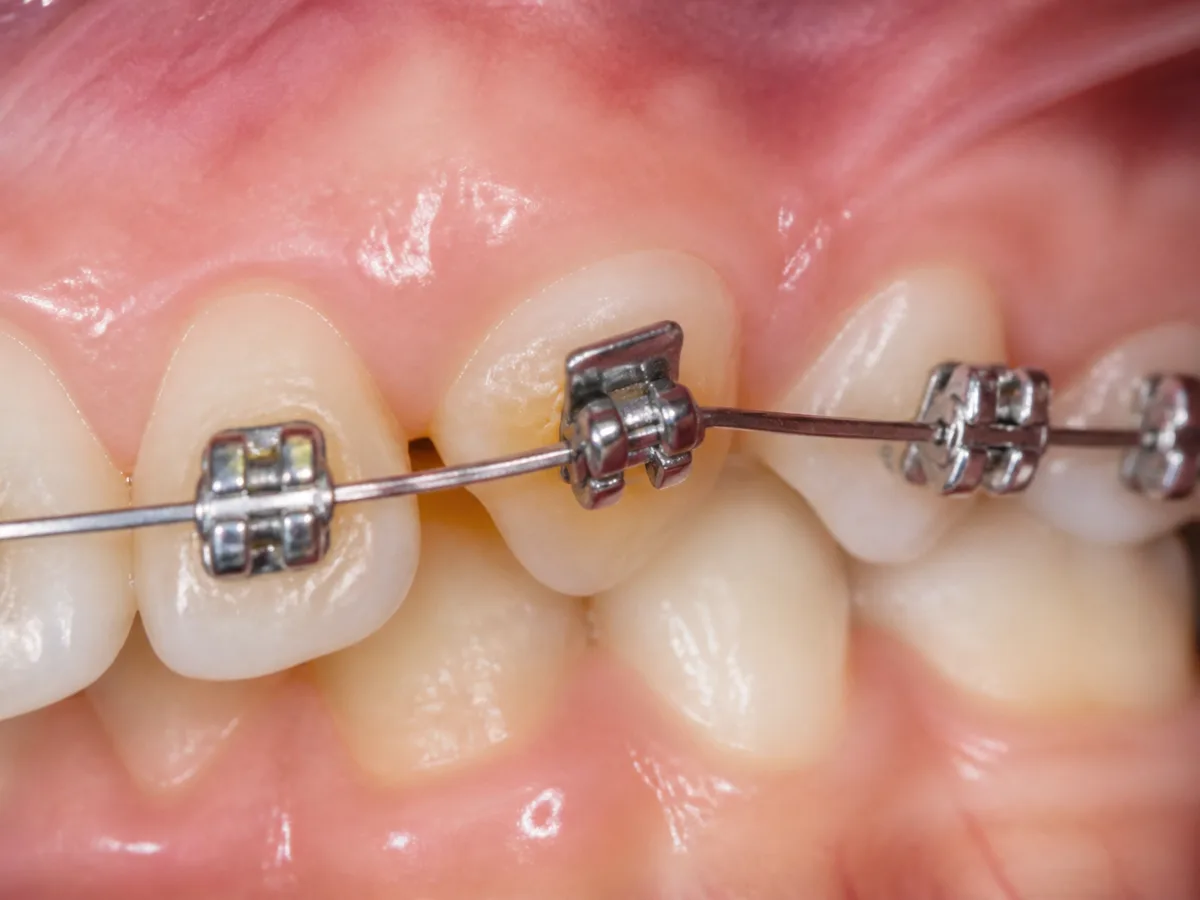 Wax is a temporary comfort tool.
Comfort first, repair next
Wax can protect the cheek until the office advises you, but it does not reconnect the bracket. If the wire is stabbing tissue, a same-day call is more important than waiting for the next scheduled adjustment.
When To Call Faster
Call promptly if the wire is poking, a band around a back tooth is loose, you swallowed or inhaled a piece, a bracket came off after facial trauma, or pain is more than mild rubbing. Trouble breathing, choking, or a suspected jaw injury is medical first. For sports injuries, Can I Play Sports With Braces? explains why mouthguards matter even with orthodontic appliances.
If the bracket came off while eating, be honest about the food. Orthodontic teams have heard every popcorn, candy, and crust story. The point is not scolding; it is preventing repeats. What Can You Eat With Braces? can help you adjust texture without turning meals into a list of punishments.
A loose bracket may not hurt, which is why people are tempted to wait. The risk is that the tooth misses part of the planned movement or the wire distorts around it. That can add finishing time, especially if it happens repeatedly. For timeline context, see How Long Do Braces Take?.
Back brackets and molar bands deserve extra respect because they help anchor wires. If one feels loose, avoid chewing on that side until you get instructions. If a wire slides out of the back tube, it can poke the cheek with every bite. Covering it with wax may help briefly, but the office needs to know whether the wire is still engaged and whether the end is sharp.
Take a clear photo if you can do so comfortably. A picture can help the office decide whether the visit is urgent, especially for families trying to describe a back tooth over the phone. Good lighting and a wide smile are usually enough. Avoid pulling the cheek hard if it hurts.
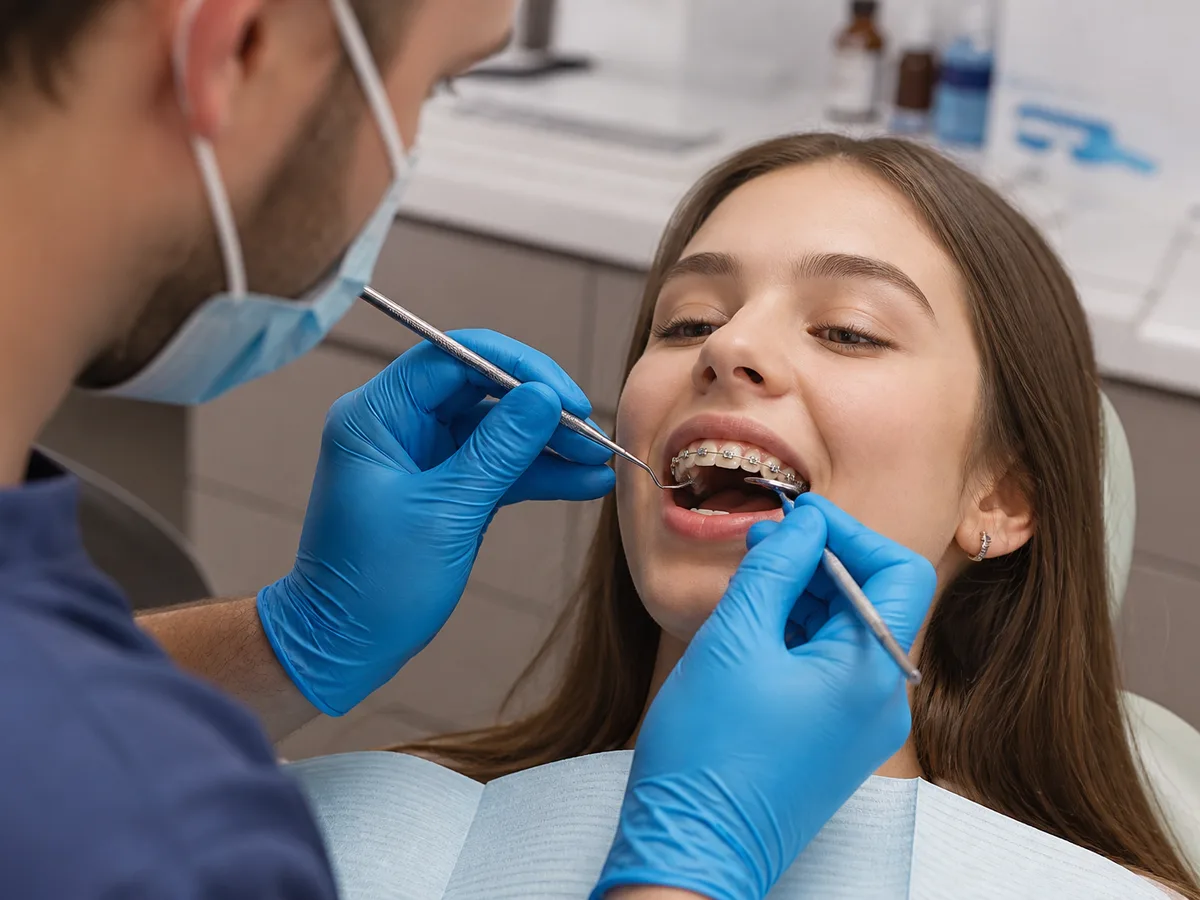
Repairs protect the plan
When you call, the office may repair it soon, wait until the next visit, or give specific instructions based on where the bracket is. If you need help finding an office for braces care, use find a dentist and describe the loose bracket before booking.
What Not To Do
Do not pull hard on the wire, cut it without instructions, or try to rebond the bracket. Avoid the food or habit that caused the break until your orthodontist clears it. The safest home response is simple: protect the cheek, save pieces, call with details, and keep the repair appointment.
Related articles
Keep exploring related topics from Dental Country.
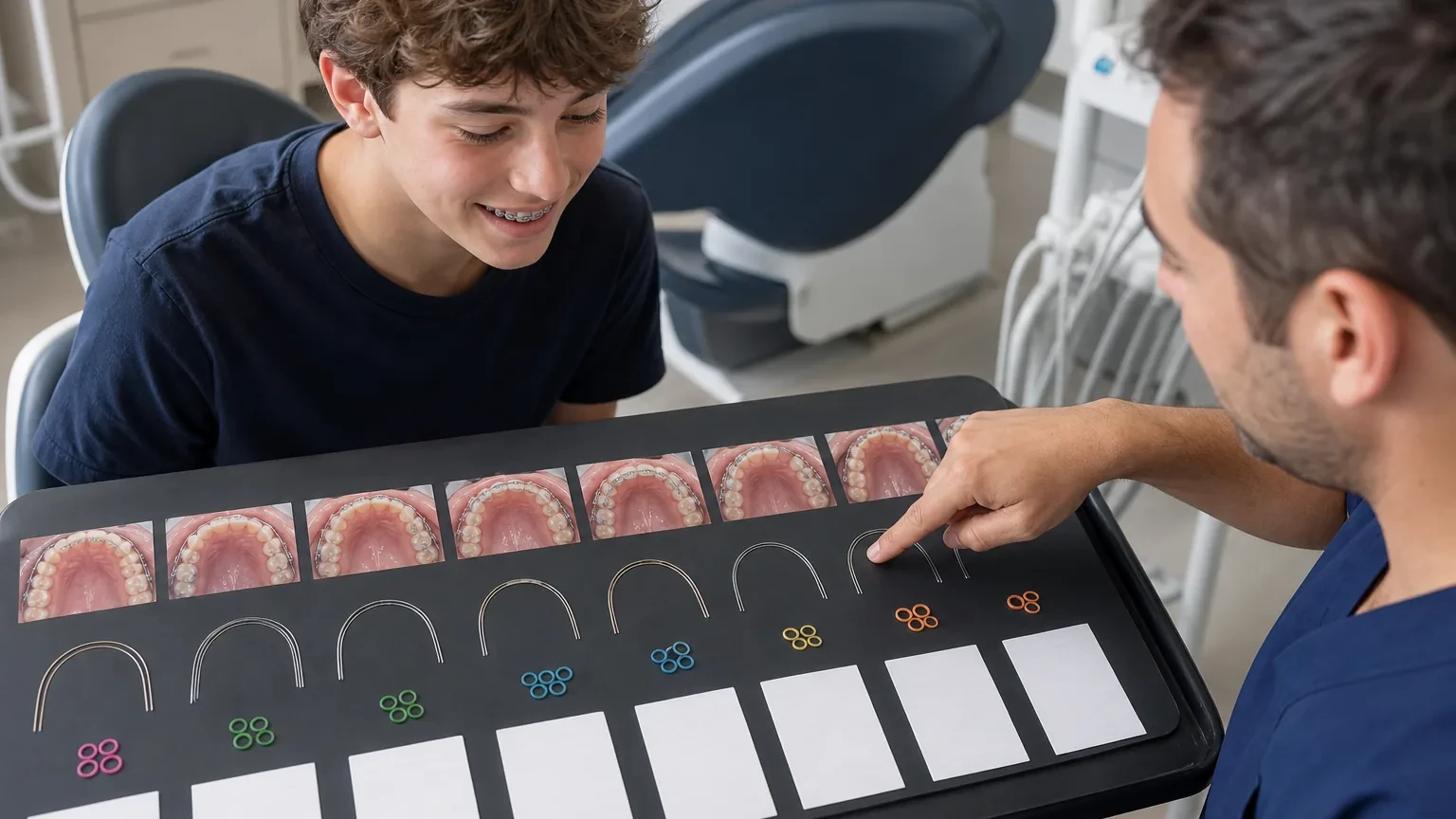
How Long Do Braces Take?
Braces timing is a range, not a promise. The tooth movement that looks small in the mirror may not be the movement controlling the calendar.
Read article
Do Braces Hurt?
Braces soreness has a pattern: pressure first, chewing tenderness next, then gradual settling. Pain that breaks that pattern deserves attention.
Read article
What Can You Eat With Braces?
Eating with braces is less about giving up normal meals and more about changing texture, bite size, and habits that bend wires or pop brackets.
Read article
How Much Do Braces Cost?
A braces fee is not only the brackets. Records, visits, appliance choices, retainers, and repair policies all shape the number you compare.
Read article