

Do Braces Hurt?
Braces can cause pressure and soreness after placement or adjustments, but sharp pain, swelling, or sores that worsen need an orthodontic call.

Reviewed by Dr. Sean Myran, DMDDoctor of Dental Medicine, University of Pennsylvania
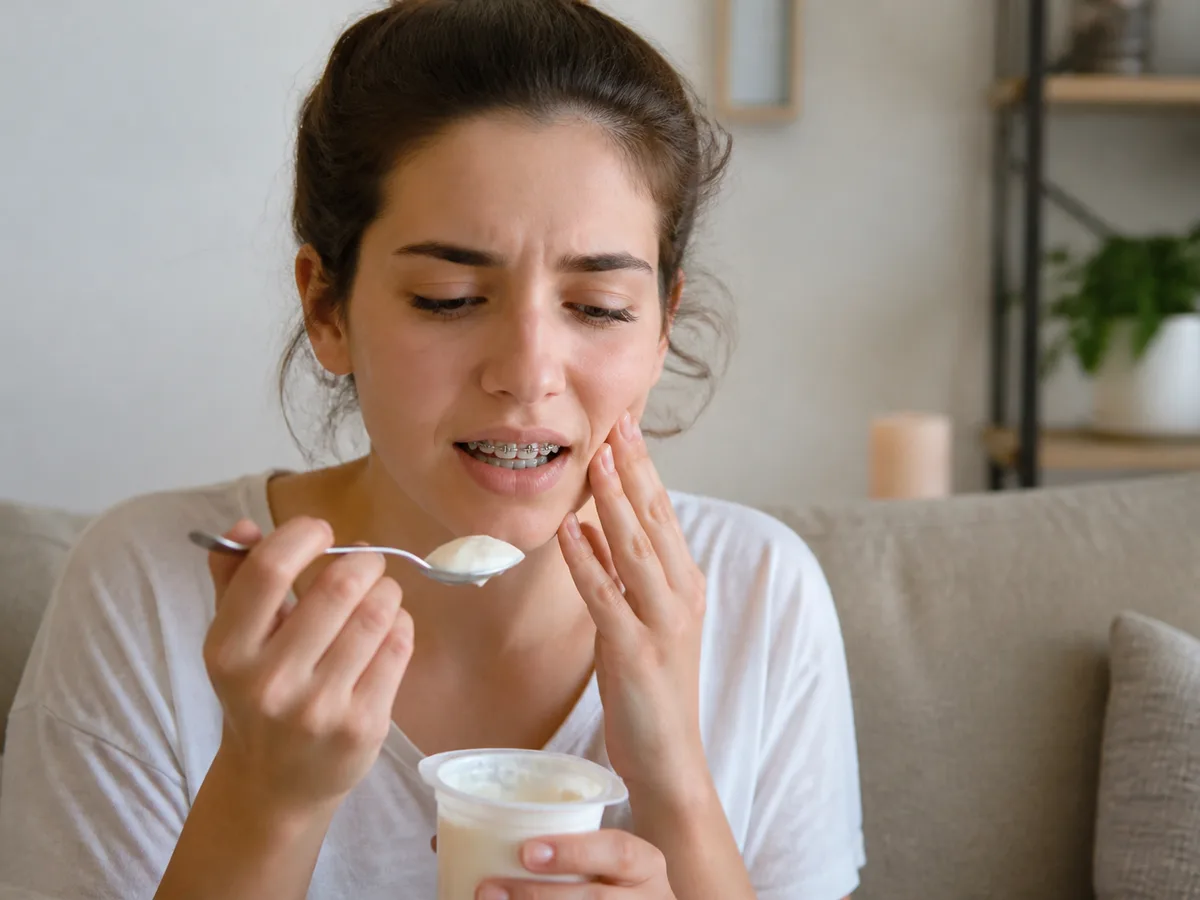
Braces should not feel like constant sharp pain, but they can make teeth sore after the first placement and after adjustment visits. The feeling is usually pressure, tightness, and tenderness when biting. Cheeks and lips may also rub until they toughen against brackets. MouthHealthy describes braces as appliances that gradually move teeth; that gradual force explains why soreness tends to arrive in waves rather than all at once.
A Comfort Clock After New Wires
- First hours: teeth may feel tight, but numbness is not expected because braces are not surgery.
- Day one: biting into firm food can be uncomfortable, so softer meals help.
- Days two and three: tenderness often peaks, especially around teeth doing the most movement.
- Days four to seven: chewing usually improves as the ligament around each tooth adapts.
- After a week: lingering sores, poking wires, or one bracket catching constantly should be checked.
 The source of discomfort guides the fix.
Pressure and rubbing are different problems
Tooth pressure comes from movement and usually fades. A cheek sore comes from friction and often improves with wax, salt-water rinses if recommended, and a small adjustment if a wire is poking. Tell the office which one you feel so they can give useful advice.
What Helps The First Week
Soft foods are not just for convenience; they reduce biting force while teeth are tender. Think scrambled eggs, yogurt, pasta, soups that are not too hot, smoothies with a spoon, soft rice, mashed potatoes, and tender fish. Cold drinks can feel soothing, but avoid chewing ice. If food rules feel confusing, What Can You Eat With Braces? gives a practical safe-and-avoid guide.
Use pain medicine only as your clinician or physician says is safe for you, especially if you have medical conditions, take blood thinners, or are treating a child. Orthodontic discomfort should trend down. Pain that keeps getting stronger, swelling, fever, pus, a wire stuck into tissue, or a bracket cutting the same spot every hour should not be treated as normal adjustment soreness.
Anxiety can make the first tightening feel bigger than it is. Ask the orthodontic team what was changed at the visit and what the next few days should feel like. If a bracket comes loose and a wire starts moving, use What Happens If A Bracket Comes Off? to decide what to report before your repair appointment.
You can also reduce surprises by scheduling new wires when the next day is not packed with photographs, a big presentation, or a tournament. Some patients do fine immediately; others prefer one quiet evening with soft food and wax nearby. That is planning, not fragility. Braces soreness is easier to handle when the first tender meal and bedtime routine are already decided.
Keep notes if pain feels unusual after every visit. The pattern can help the team spot a high bite, poking wire, loose bracket, or tooth that needs a closer exam.

Plan the first two dinners
The simplest comfort plan is soft meals, careful brushing, wax for rubbing, and a clear call threshold. Need an office that can evaluate pain or poking wires? Use find a dentist and describe when the soreness started and what changed at the last visit.
When Soreness Is A Signal
Braces discomfort should be manageable and temporary. The office wants to know about pain that feels one-sided, sharp, infected, or caused by broken hardware. The goal is not to tough it out; it is to keep treatment moving without allowing a small irritation to become an ulcer, repair delay, or reason to stop wearing elastics.
If the first week is hard, remember that adjustment soreness is not the whole treatment experience. Many patients settle into a routine once they know which foods, wax tricks, and cleaning tools work for them.
Related articles
Keep exploring related topics from Dental Country.
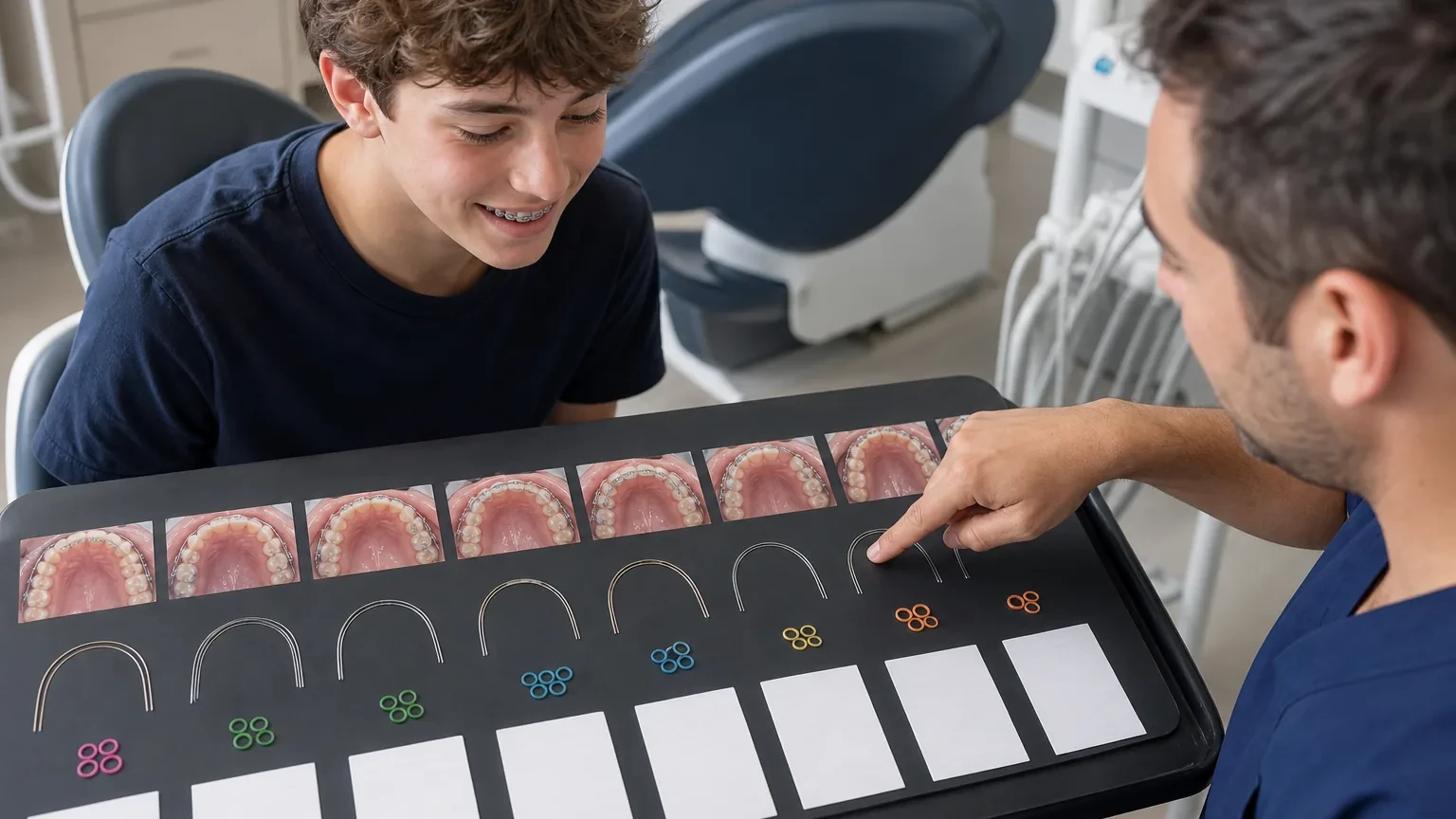
How Long Do Braces Take?
Braces timing is a range, not a promise. The tooth movement that looks small in the mirror may not be the movement controlling the calendar.
Read article
What Can You Eat With Braces?
Eating with braces is less about giving up normal meals and more about changing texture, bite size, and habits that bend wires or pop brackets.
Read article
How Much Do Braces Cost?
A braces fee is not only the brackets. Records, visits, appliance choices, retainers, and repair policies all shape the number you compare.
Read article
Can Adults Get Braces?
Adult braces are common, but the consultation has a different tone: gum health, restorations, bite wear, and realistic goals come first.
Read article