
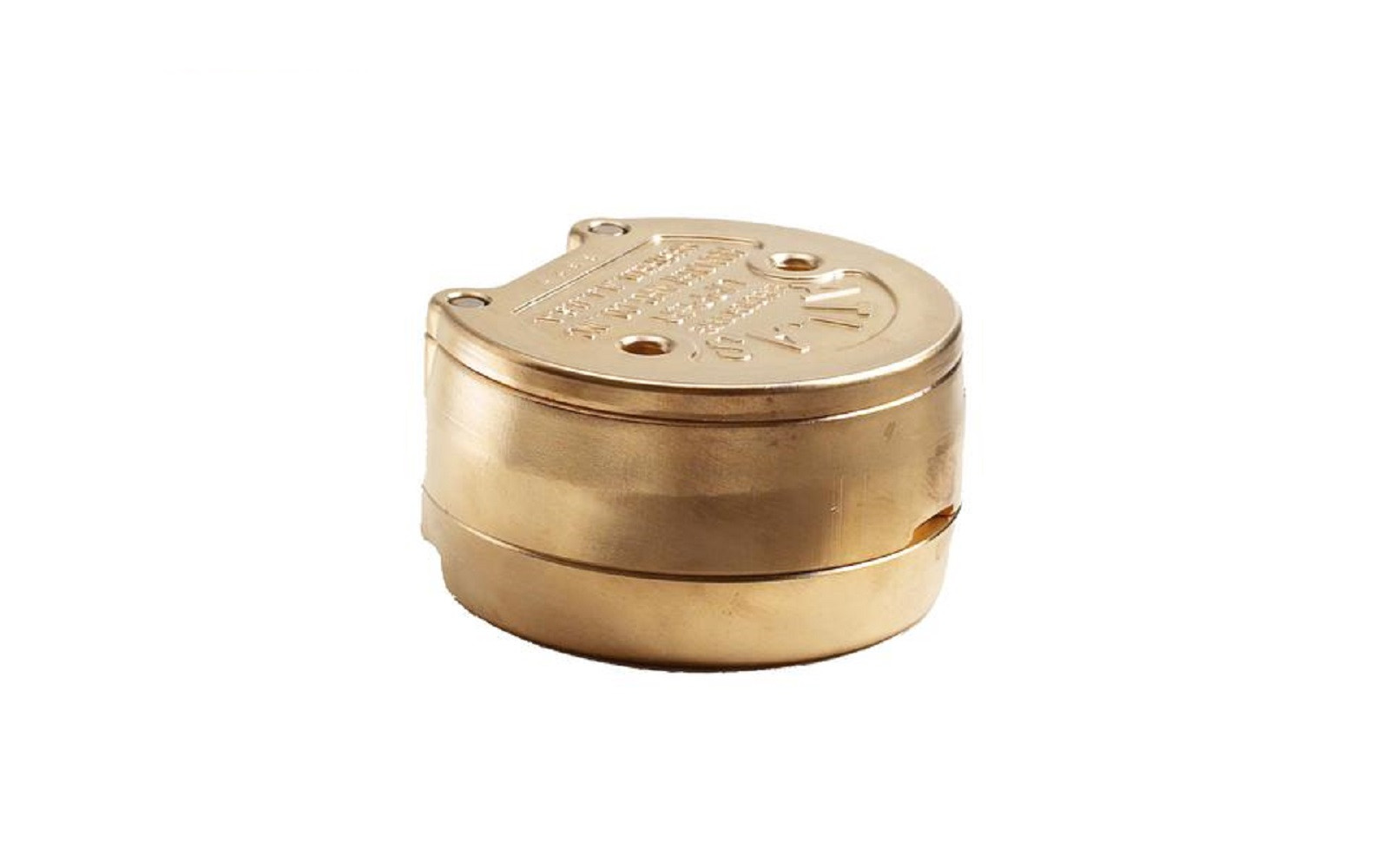
Top 10 Dental Flasks & Presses for Labs.
Compare denture flasks, hydraulic presses, and pressure pots — Atlas 44 bronze, Handler Big Boy, and Lang Aquapres.
How to Choose Denture Flasks, Presses, and Pressure Pots
This category is three different machines that catalogs file in one drawer. A flask is the bronze or steel box that holds the waxed denture in stone while you boil out and pack acrylic. A press or compress closes that flask under controlled force for trial pack and final closure. A pressure pot (pneumatic or hydraulic) cures or densifies acrylic outside a traditional flask — relines, repairs, pour resins, and some injection or investment workflows. Buying a pressure pot will not close an Atlas flask, and a Big Boy press will not cure a chairside reline.
Traditional heat-cure dentures still revolve around the 44-series Atlas / Varsity flask: an upper half, a lower half, guide pins, and a knockout (K.O.) disk so you can eject the processed case without chiseling the flask to death. Upper and lower flasks are not decorative SKUs — they match arch form and flask height. Giant / Atlas Giant variants exist for oversized cases. If your press opening and your flask height disagree, you will find out on a Friday afternoon.
Packing force and cure environment are the other two decisions. Hydraulic and cast-iron flask presses exist to get a dense pack without a wavy midline. Two-flask compresses (61B) exist so a production lab can cure two conventional flasks under spring-equalized pressure. Pneumatic 8-quart pots use compressed air (and often heat) for repairs. Lang’s Aquapres uses water pressure and no compressor — a different safety and facilities story.
Buying criteria that prevent a wasted bench
- Name the workflow — heat-cure pack-and-press, pour/repair in a pot, reline on a jig, duplicate an existing denture, or vibrate/press investment. Buy the tool for that sentence.
- Flask family vs press opening — 44 upper/lower and Atlas Giant share the 44D K.O. disk. Confirm the press (Handler Big Boy, generic hydraulic, 61B compress) actually fits the flask you stock.
- Air vs water vs springs — pneumatic pots need a dry, regulated compressor. Aquapres needs water and a bench that can handle a hydraulic pot. A 61B compress needs no utilities, only even spring pressure.
- Metal — bronze flasks stay dimensionally honest and resist the abuse of boil-out; chrome jigs are for relines, not 12-hour flasking. Cast-iron presses survive production; painted pot lids do not survive being used as a hammer.
- Capacity — one flask, two flasks, or an 8-quart pot full of repairs. Match volume, not a ranking number.
Flask, press, and pot comparison
| Item | Role | Construction | Capacity / fit | Needs | Best for |
|---|---|---|---|---|---|
| 44D bronze K.O. disk | Ejector disk, not a flask | Bronze | 44 upper, lower, Atlas Giant / Varsity | Matching 44-series flask | Getting a processed case out without destroying the flask |
| Patterson 2-post reline jig | Reline alignment jig | Chrome, tapered posts | Upper plates | Reline acrylic + pot or bench cure | Chairside or lab relines, not heat-cure flasking |
| Denture duplicator flask | Copy flask | Duplicator kit component | Existing denture / partial | Duplicating material | Immediate dentures, surgical guides, spare copies |
| 44U Atlas upper flask | Heat-cure flask half | Alloy bronze, steel guide pins, ejection disc | Upper (pair with lower) | Press + boil-out + 44D disk | Conventional packed dentures |
| 8 qt pneumatic pot | Air pressure vessel | Metal pot, 8 quart | Multiple repairs / relines | Regulated compressed air (often heat) | Busy repair benches |
| Aquapres pressure pot | Hydraulic (water) pot | Lang Aquapres | Compact bench pot | Water — no air, heat, or electricity | Dense cold-cure acrylic without a compressor |
| Hydraulic flask press | Trial pack / final close | Tempered steel, epoxy finish | Standard denture flasks | Hand hydraulic force | Controlled pack without a production iron press |
| Handler Big Boy | Production flask press | Malleable/ductile iron, alloy shafts | Heavy-duty lab | Bench space and technique | High-volume pack-and-close |
| 61B 2-flask compress | Curing compress | Bronze, two stainless springs | Two conventional flasks | No compressor | Equalized pressure on a pair of flasks |
| Invest-Press Fast | Pneumatic investment press | Air press | Investment, ~10-minute cycle | Compressed air | Dense castings — not denture acrylic pack |
Lab burners and torches · Lab measuring gauges
1. Denture Flasks — 44D Bronze K.O.

The 44D is a bronze knockout disk. It is not a flask. It sits in 44-series upper, lower, and Atlas Giant (and compatible Varsity) flasks so you can eject the processed denture and stone without prying on the flask walls. Labs that “mysteriously” destroy bronze flasks are often missing this disk or using a steel substitute that does not match the seat.
Bronze is the right metal: it takes the hammer (or press) hit and does not gall the flask the way a random shop disk will. Order it as a wear part. When the disk mushrooms or the seat in the flask is burred, replace the disk first; replacing the entire 44U is how a $20 part becomes a $200 problem.
Who it is for: any lab already running Atlas / 44 flasks for heat-cure pack dentures.
Tradeoff: useless without the matching flask family. It will not convert a duplicator or a pressure pot into a traditional flask line.
2. Patterson® Reline Jig, Chrome

Patterson’s chrome 2-post reline jig is a positioning tool for upper relines, not a denture flask. Tapered post tops help the upper plate find a repeatable path so the reline acrylic is not packed into a sheared relationship. Chrome wipes clean and belongs on a reline bench next to a pressure pot, not in the boil-out tank with the Atlas flasks.
Use it when the clinical job is “add a reline to this denture and keep the midline and occlusal plane honest.” Do not use it to flask a wax-up. The jig does not provide the confinement or boil-out path of a 44 flask.
Who it is for: in-office labs and small production labs that do frequent upper relines and already own a pot (pneumatic or Aquapres) to densify the acrylic.
Tradeoff: two posts and chrome will not save a badly blocked-out denture. It also does nothing for lower relines that need a different fixture. If your volume is new heat-cure dentures, spend the money on flasks and a press first.
3. Denture Duplicator — Flask

A duplicator flask is the box in a denture-duplicator kit: you invest or mold an existing denture (or partial) and pour a copy. The usual clinical stories are immediate dentures from the current prosthesis, a surgical guide, a spare “holiday denture,” or converting a partial into a temporary complete while the definitive is in process.
This is a copy workflow, not a wax-to-process workflow. You are capturing what the patient already wears, including its errors. That is a feature for interims and a defect if you needed a reset. Materials (alginate, silicone, or dedicated duplicating gel) matter more than the brand stamped on the flask hinges.
Who it is for: prosthodontic and GP labs that are asked for a spare or an immediate and cannot wait for a full wax try-in.
Tradeoff: a duplicator does not replace a 44 flask line. If you then heat-cure a definitive, you still need conventional flasks and a press. Do not expect the copy flask to survive boil-out like bronze Atlas ironmongery.
4. Denture Flasks — 44U Atlas Flask Upper

The 44U is the upper half of the classic Atlas bronze denture flask: drop-forged / special-alloy bronze, hardened steel rear guide pins, and a bottom ejection disc path that the 44D K.O. disk uses. It is the confinement vessel for wax elimination and acrylic pack on an upper denture.
Bronze flasks stay in service for decades if you use the knockout disk, keep the pins straight, and do not lever stone out with a plaster knife. Pair it with the matching lower. “Upper only” is how you end up with a wobble and a thick palate. Guide pins that are bent from a sideload in the press show up as occlusal errors you will blame on the articulator.
Who it is for: labs that still heat-cure packed dentures and want the industry-standard 44 envelope so any tech can pick up the case.
Tradeoff: heavy, wet, and irrelevant to a pour-resin-only practice. If you have gone fully injection or 3D-print + characterize, this flask becomes a doorstop — but most US labs that advertise “processed dentures” still need at least one pair.
5. 8 QT Pneumatic Curing Vessel / Pressure Pot

An 8-quart pneumatic pot is a compressed-air vessel for curing and densifying acrylic — typically relines, repairs, and some cold-cure pours. Eight quarts is a production size: several repairs or a couple of larger cases, not a single denture cup. Many units also accept heat, which shortens cure but demands a pot and gasket rated for that use.
The clinical benefit of pressure is fewer voids in cold-cure acrylic. The facilities cost is a clean, regulated air line and a safety habit: rated pressure only, lid locked, gasket intact. A pot used above its rating, or with a cracked sight of the lid, is not a “hack.”
Who it is for: repair-heavy labs that already have shop air and need capacity.
Tradeoff: it will not trial-pack a 44 flask. If you do not have a compressor — or you do not want one in an in-office lab — Aquapres is the other branch of this tree. Do not use a pneumatic pot as a substitute flask press.
6. Aquapres™ Pressure Pot

Lang Dental’s Aquapres is a hydraulic pressure pot: water does the work. Dealer and manufacturer descriptions emphasize that it does not need compressed air, heat, or electricity. You fill, close, and generate water pressure to densify cold-cure acrylic so the repair or reline is less porous and more color-stable than a bench-top bench-cure.
That makes Aquapres the in-office and small-lab pot. No compressor tank in the sterilization room. No heated pneumatic vessel next to a paper towel pile. The trade is cycle style — this is water pressure, not a boil-and-pack heat-cure — and you must use it with acrylics that are indicated for pressure-pot cure.
Who it is for: clinical labs, satellite offices, and schools that want denser cold-cure without plumbing in shop air.
Tradeoff: not a heat-cure flask system and not an investment press. Keep the pot clean; dirty water and leftover monomer are how gaskets die. If you process six heat-cure dentures a day, you still need bronze flasks and a press. Aquapres sits beside that line for repairs.
7. Hydraulic Denture Flask Press

A hydraulic denture flask press is the compact closer: tempered steel frame, a ram, and enough force for trial pack and final closure of a conventional flask. Epoxy paint is there to survive wet acrylic and plaster, not to look pretty. You feel the pack in the handle — that is the point versus a spring compress you set and walk away from.
Trial pack, flash removal, then final close is still how you avoid a raised bite and a dry palate. A hydraulic press makes that sequence controllable on a single flask. It is the right tool when volume is modest and you want to stand at the press, not when you need two flasks curing unattended.
Who it is for: small labs and in-office processing that already own 44-series flasks.
Tradeoff: slower than a production iron press, and it will not cure acrylic by itself. After closure the flask still goes to a water bath or a 61B-style compress, depending on your acrylic directions. Over-pressing a warm flask can crack stone and teeth; the gauge (if present) is not a dare.
8. Big Boy Flask Press — Handler

Handler’s Big Boy is a production flask press: malleable / ductile cast iron, alloy steel shafts, gray-iron handles, built for repeated denture packing. This is the press you buy when “we flask every day” is a scheduling fact, not an aspiration. Mass and geometry keep the flask halves parallel so the midline does not walk under load.
It is also large and unforgiving of sloppy flask assembly. Pins must be clean, the 44 halves must mate, and the K.O. disk must be in place before you ever think about ejection. Handler iron will outlive the motor in your lathe if you do not sideload the shafts.
Who it is for: commercial denture labs and dental-school wet labs.
Tradeoff: footprint, weight, and overkill for a GP who processes two dentures a month. Those offices want the hydraulic bench press. The Big Boy also does not replace a pressure pot for cold-cure repairs — different force, different case.
9. Denture Flasks — 61B 2-Flask Compress

The 61B is a two-flask curing compress in bronze with two stainless springs. After you have packed and closed the flasks, the compress holds equalized pressure on two conventional flasks while they cure. Springs — not a compressor — supply the follow-up as acrylic shrinks slightly in the flask.
That is why production labs like it: two cases, no air hose, rust-resistant bronze, and pressure that does not depend on someone remembering to pump a hydraulic ram during the bath. It is a compress, not a trial-pack press. You still need a press (hydraulic or Big Boy) to close the flasks before they go into the 61B.
Who it is for: labs that heat-cure in pairs and want unattended, even pressure.
Tradeoff: two flasks only, conventional size. Atlas Giant or odd-height flasks may not fit. Springs fatigue; when one side goes soft you will see one case flash more than the other. Replace springs, do not “tighten it somehow.”
10. Invest-Press Fast 10-Minute Press

The Invest-Press Fast is a pneumatic investment press. It densifies investment around a wax pattern so the casting is less likely to show bubbles and fins. The “10-minute” name is about the investment cycle, not about packing a denture in ten minutes. Air pressure here is compacting a slurry, not curing methyl methacrylate.
If your lab casts frameworks, partials, or crowns in-house, this press lives on the casting side of the room. It will not close a 44 flask and it will not replace Aquapres. Using it as a generic “pressure thing” for acrylic is how you get the wrong density and a very clean investment hose full of monomer.
Who it is for: casting benches that want fewer voids in investment and already have clean compressed air.
Tradeoff: irrelevant to a denture-only acrylic shop. Follow the investment manufacturer’s time and pressure; “10 minutes” is a product name, not a universal setting for every phosphate or gypsum investment.
Frequently Asked Questions
Do I need a flask or a pressure pot?
Use a bronze 44-series flask plus a press for conventional heat-cure packed dentures. Use a pressure pot (pneumatic or Lang Aquapres) for cold-cure relines, repairs, and some pour resins. Most full-service labs own both. They do not substitute for each other.
What is a knockout disk on a denture flask?
The 44D bronze K.O. disk is the ejector that sits in Atlas / 44 and compatible Varsity flasks so you can push the processed case out. Flasks sold “with ejection disc” still need a disk in good shape. Hammering on the flask walls instead is how bronze flasks die.
Aquapres vs an 8-quart pneumatic pot?
Aquapres uses water pressure and needs no compressor, heat, or electricity — better for in-office labs. An 8-quart pneumatic pot uses regulated air (and often heat) and holds more repairs at once. Choose based on utilities and volume, not on which one appeared first in a list.
Can I pack dentures in an investment press?
No. An Invest-Press densifies casting investment. Denture pack requires a flask press or production press, then a cure (bath and/or 61B compress) per the acrylic directions.
Read next
Related articles
Keep exploring related topics from Dental Country.
Top 10 Hand Waxing Instruments in Dentistry
Compare PK Thomas, LeCron, Roach, Akers, and TiN wax carvers for crown, partial, and denture wax-ups.
Read article
Top 10 Amalgamators & Parts for Dentistry
Compare capsule mixers and parts — Silamat S6, RotoMix, Ultramat 2, GC CM-II — by timer, motion, and use.
Read article
Top 10 Bottle Cleaners for Dentists
Compare the best Bottle Cleaners for Dentists — our researched Top 10 ranking of the leading brands and options to help you choose the right fit for your practice.
Read article
7 Dental Websites to be Inspired by
Compare the best 7 Dental Websites to be Inspired by, ranked on performance, features, and value to help you choose the right fit for your practice.
Read article