

Nearly half of all U.S. adults over 30 have some form of gum disease – and most don’t know it until bleeding, recession, or loose teeth force them into a dental chair. A periodontist is the dental specialist trained specifically to diagnose, treat, and prevent diseases of the gums and the bone that supports your teeth.
If your general dentist has mentioned “deep pockets,” “bone loss,” or referred you to a gum specialist, this guide explains what a periodontist does, what treatment looks like in 2026, and why early specialist care preserves teeth that would otherwise be lost.
What Is a Periodontist?
A periodontist is a dental specialist who completes 3 additional years of residency after dental school focused exclusively on the prevention, diagnosis, and treatment of periodontal (gum) disease, as well as the placement of dental implants. Their scope covers:
Gum disease treatment
From early gingivitis to advanced periodontitis with bone loss – the full spectrum of non-surgical and surgical care.
Dental implants
Single implants, full-arch restorations, bone grafting, sinus lifts, and implants in patients with prior gum disease.
Gum grafting
Restoring receded gums to protect roots and improve smile aesthetics.
Crown lengthening
Reshaping gum tissue to expose more tooth structure for restorations or to fix a gummy smile.
Bone regeneration
Procedures that rebuild bone lost to periodontal disease, often using growth factors and grafting materials.
Cosmetic gum surgery
Reshaping the gum line for aesthetic concerns, often paired with veneers or other cosmetic work.
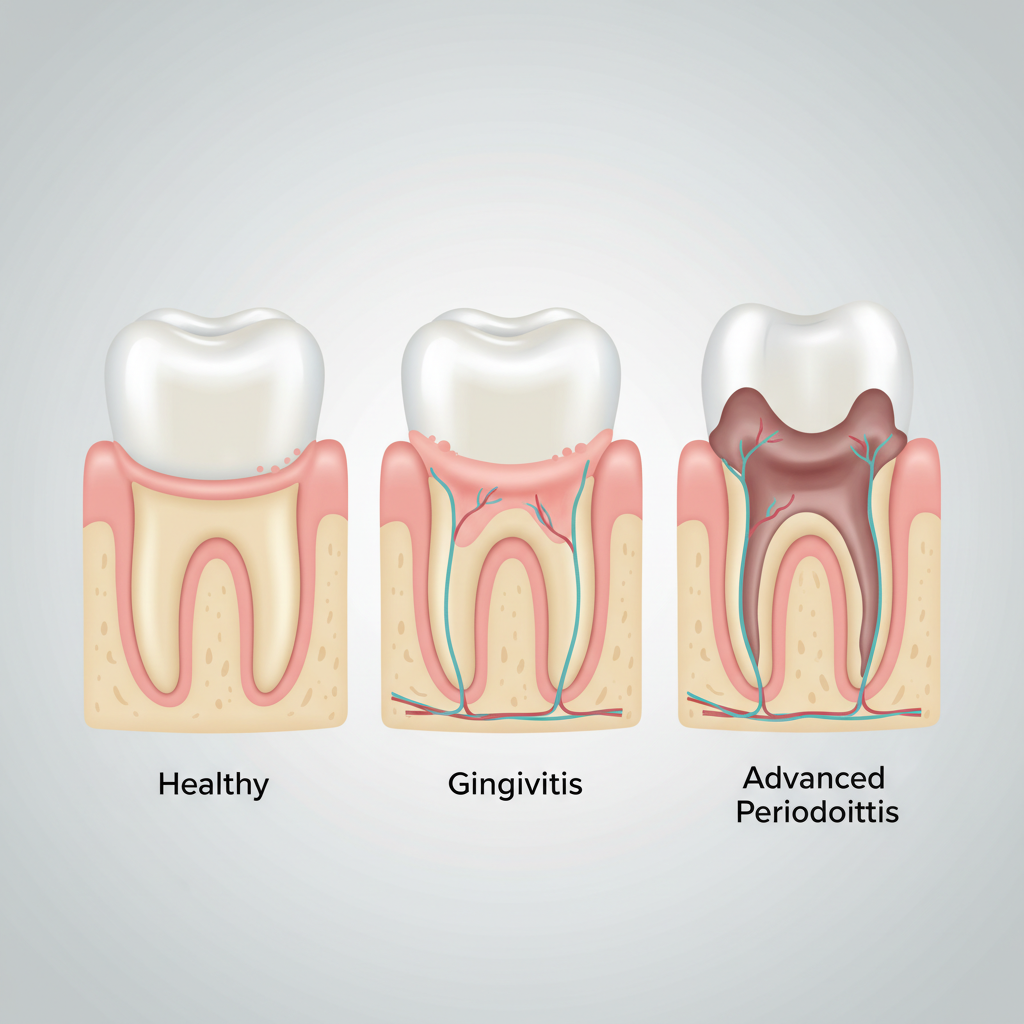
The Three Stages of Gum Disease
Gingivitis is the earliest stage. Gums bleed when brushing and look red or puffy but no bone has been lost. It’s fully reversible with professional cleaning and better home care.
Early periodontitis develops when gingivitis is ignored. Pockets deepen, early bone loss begins, and bleeding increases. Reversal becomes harder but the damage can still be stopped.
Advanced periodontitis involves significant bone loss, gum recession, and loose teeth. Without specialist intervention, teeth are lost – and the bacterial inflammation has been linked to heart disease, diabetes, and stroke risk.
Warning Signs You Should See a Periodontist
Most patients don’t notice gum disease until it’s well established. Watch for:
- ✓Bleeding when brushing or flossing (healthy gums don’t bleed)
- ✓Persistent bad breath or a metallic taste
- ✓Receding gums or teeth that look longer than they used to
- ✓Loose teeth or shifting bite
- ✓Pus or tenderness around the gums
- ✓A diagnosis of “pockets” deeper than 4mm at your dental cleaning
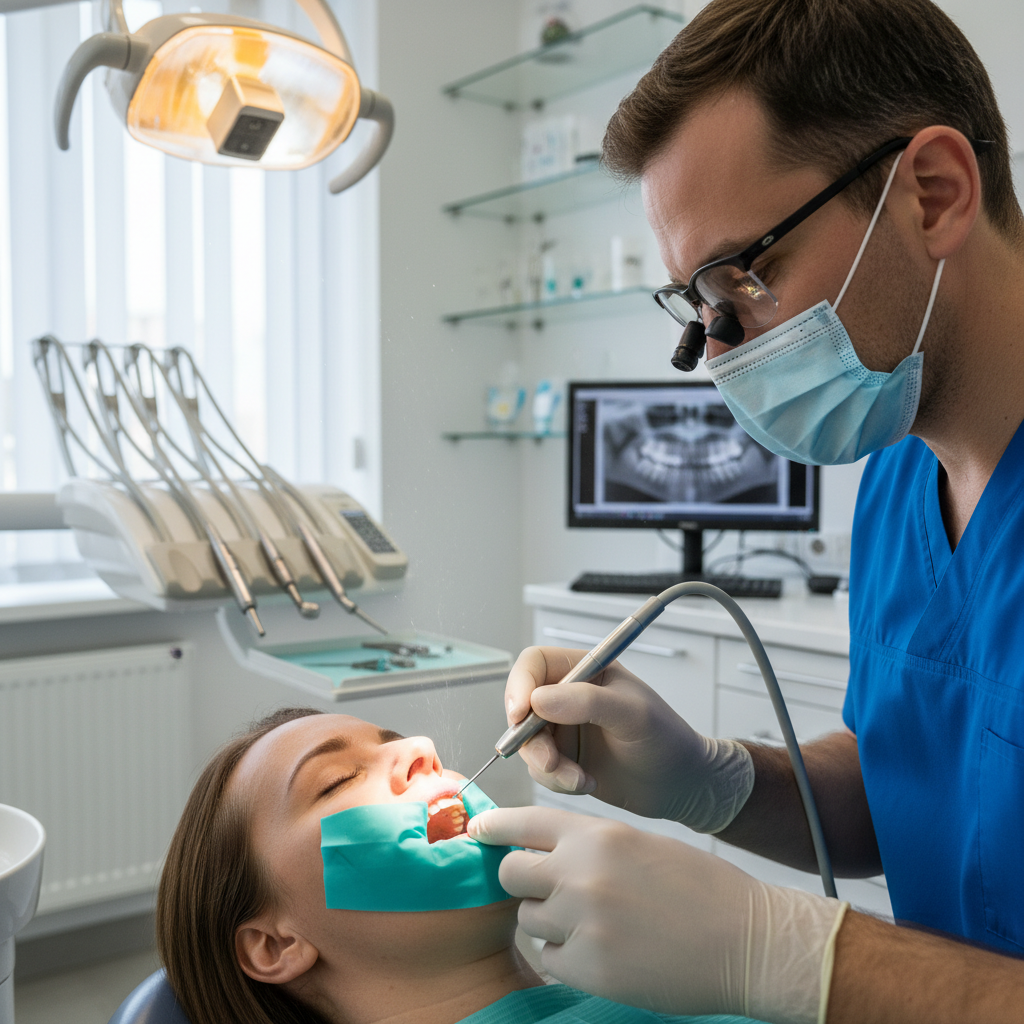
Common Periodontal Treatments
Scaling and root planing (“deep cleaning”) is the first-line treatment for most periodontitis. The periodontist removes plaque and tartar from below the gumline and smooths root surfaces so gums can reattach.
Laser-assisted treatment (LANAP) uses a precise dental laser to remove diseased tissue without scalpels or sutures – faster healing and less discomfort than traditional surgery.
Pocket reduction surgery is reserved for advanced cases where deep cleaning alone won’t resolve infection. Gum and bone grafting are added when tissue or bone needs to be rebuilt.
Periodontal Care After Treatment
Periodontal disease isn’t cured – it’s controlled. After active treatment, most patients move to a “perio maintenance” schedule of cleanings every 3-4 months instead of the usual 6. Maintenance care includes:
Pocket monitoring
Periodic measurements at every visit to confirm pockets stay shallow and stable.
Targeted cleanings
Deep cleaning at sites with any recurring inflammation, not just routine prophylaxis.
Home care coaching
Personalized technique guidance for brushing, flossing, and interdental aids that fit your anatomy.
Health coordination
Periodontal health affects diabetes, heart disease, and pregnancy outcomes. Communication with your physician matters.
Why it matters beyond your mouth: Chronic gum inflammation is now established as a risk factor for cardiovascular disease, type 2 diabetes, adverse pregnancy outcomes, and Alzheimer’s disease. Treating gum disease isn’t cosmetic – it’s systemic health care.

Choosing a Periodontist
When choosing a periodontist, look for board certification by the American Board of Periodontology, in-office digital imaging and CBCT, experience with both surgical and non-surgical approaches, and close communication with your referring dentist.
A good periodontist takes time to walk through pocket depths, bone loss imaging, and the specific reasoning behind their treatment recommendation before scheduling anything.
Find a Periodontist Near You
Browse vetted periodontists in cities across the United States. Each city directory lists the top-rated providers, recent patient reviews, and contact information.
CA
CT
DC
HI
IA
ID
IN
MD
MI
MS
NE
NM
RI
WI
Find Top-Rated periodontists Near You
Browse our curated, locally-reviewed directories of the best periodontists in these cities: