
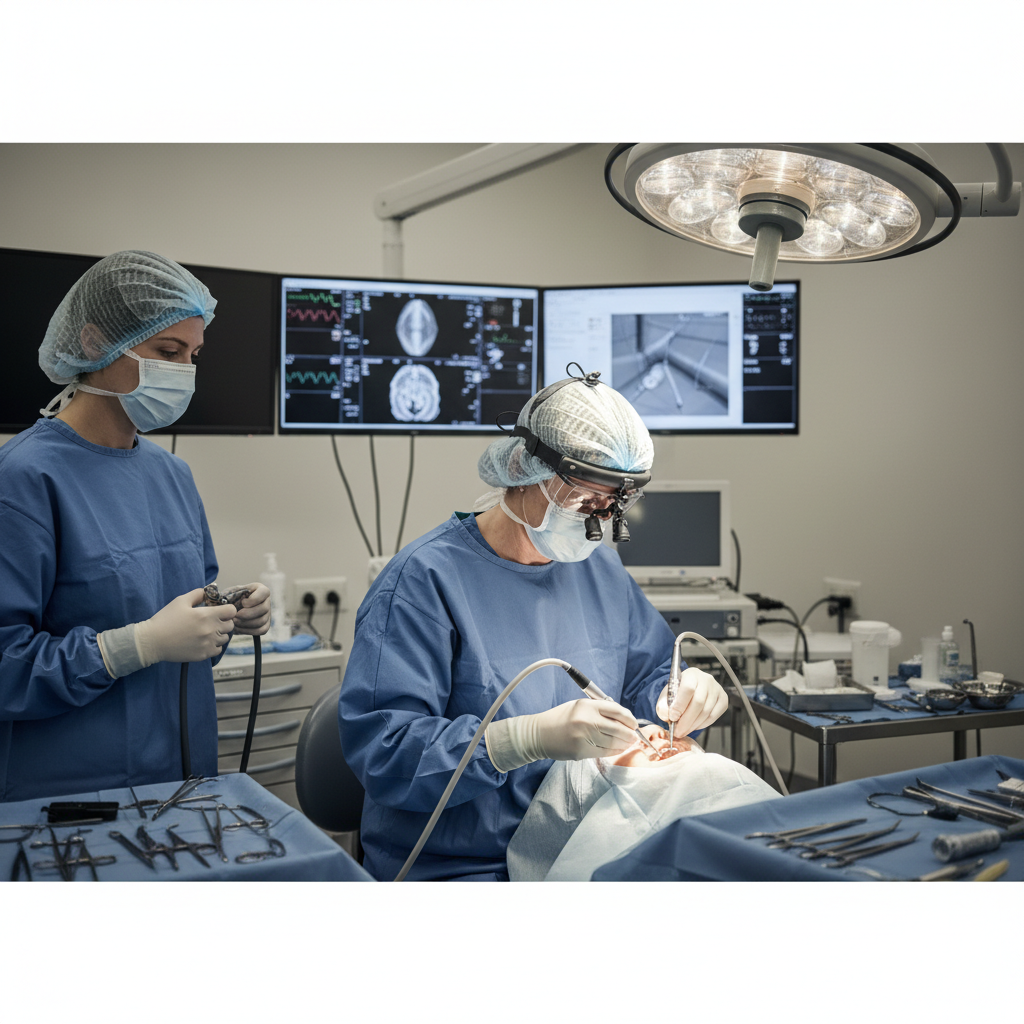
An oral and maxillofacial surgeon is a dental specialist who completes 4-6 additional years of hospital-based surgical training after dental school. They handle the procedures that general dentists either can’t do or shouldn’t do alone: impacted wisdom teeth, dental implants in compromised bone, jaw reconstruction, and the management of facial trauma.
If your general dentist has referred you to an oral surgeon, this guide explains what they do, what to expect from the consultation, and why specialist care often delivers a faster, safer outcome.
What Does an Oral Surgeon Treat?
Oral and maxillofacial surgeons are the only dental specialists trained to use general anesthesia in office. Their scope covers six main areas:
Wisdom teeth
Removal of impacted third molars, including teeth lying horizontally or against the nerve canal.
Dental implants
Complex implant placement, bone grafting, sinus lifts, and All-on-4 full-arch restorations.
Corrective jaw surgery
Orthognathic surgery to correct misaligned jaws, severe bite issues, and sleep apnea-related anatomy.
Facial trauma
Treatment of jaw fractures, facial lacerations, and dental injuries from accidents.
Pathology
Biopsies and removal of cysts, tumors, and abnormal tissue in the mouth or jaw.
TMJ & sleep apnea
Surgical management of severe TMJ disorders and anatomical causes of obstructive sleep apnea.
Wisdom Teeth Removal: The Most Common Visit
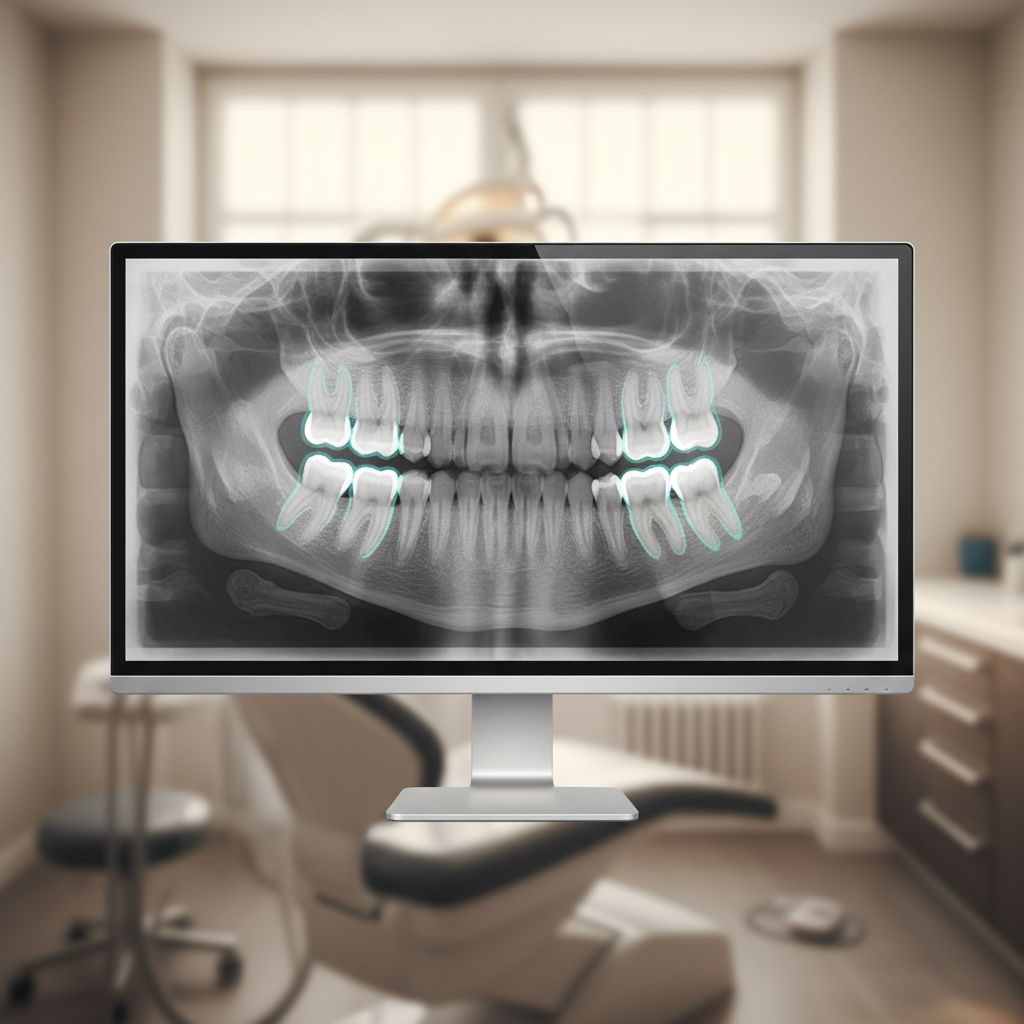
About 10 million wisdom teeth are removed in the U.S. every year. Most patients are referred to an oral surgeon because the teeth are impacted, partially erupted, or angled in a way that risks damaging the adjacent molar or the inferior alveolar nerve.
A typical wisdom teeth removal takes 30-60 minutes under IV sedation or general anesthesia. Initial recovery is 2-3 days; complete healing takes 1-2 weeks. The procedure is far less dramatic than its reputation suggests when performed by a board-certified specialist.
Anesthesia Options for Oral Surgery
One of the main reasons general dentists refer to oral surgeons is anesthesia capability. Oral surgeons typically offer four options:
Local anesthesia
Numbs the surgical area only. You stay fully awake. Common for simple extractions and minor procedures.
Nitrous oxide
“Laughing gas” – takes the edge off without sedating you. Wears off in minutes, you can drive home.
IV sedation
“Twilight” sedation. You’re deeply relaxed and won’t remember the procedure. A driver is required.
General anesthesia
Fully asleep with monitored airway. Reserved for complex procedures and patients with high anxiety.
Why See an Oral Surgeon for Implants?
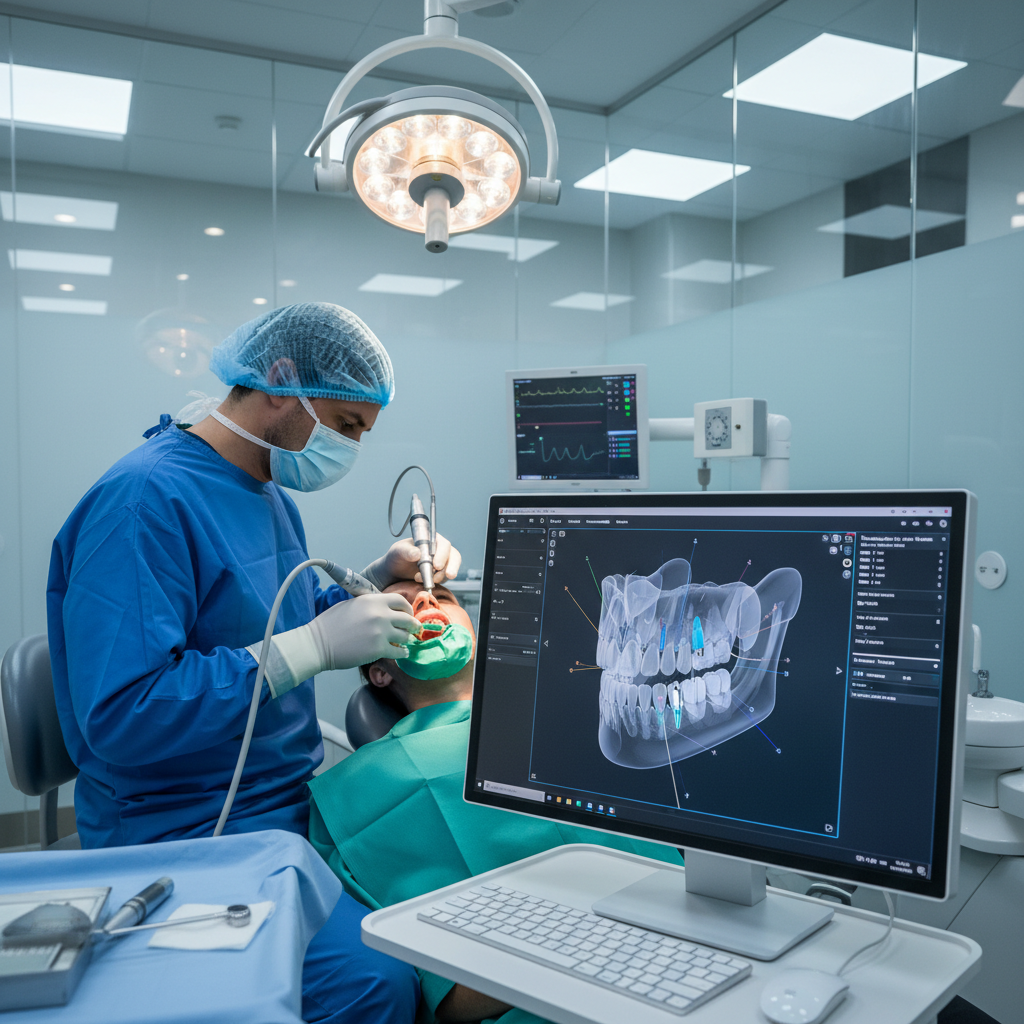
Many general dentists place straightforward implants successfully. But cases involving inadequate bone, sinus proximity, full-arch restorations, or medically complex patients typically belong with an oral surgeon. They’re trained to:
- ✓Perform sinus lifts and complex bone grafting
- ✓Place zygomatic implants when conventional implants aren’t possible
- ✓Restore full arches with All-on-4 or All-on-6 protocols in one surgery
- ✓Manage anticoagulants, diabetes, and other medical factors
What to Expect at the Consultation
A first visit with an oral surgeon usually includes:
- ✓Review of your referral notes and medical history
- ✓Cone beam CT (CBCT) imaging to assess bone, nerves, and sinuses in 3D
- ✓Discussion of surgical and anesthesia options
- ✓Written treatment plan with itemized cost estimate
- ✓Pre-op instructions and scheduling for the surgical visit
Tip: Ask whether the surgeon is board-certified by the American Board of Oral and Maxillofacial Surgery. Board certification confirms they completed a 4-6 year residency and passed rigorous specialty exams.

Choosing an Oral Surgeon
When evaluating an oral surgeon, look for board certification (ABOMS), in-office CBCT imaging, the ability to offer multiple anesthesia levels, and a practice that takes time to walk you through the surgical plan before scheduling.
A good surgeon coordinates closely with your referring general dentist or restorative specialist – especially for implant cases where the surgical site and the eventual crown have to work together.
Find a Oral Surgeon Near You
Browse vetted oral surgeons in cities across the United States. Each city directory lists the top-rated providers, recent patient reviews, and contact information.
AK
AR
CA
CT
DC
FL
HI
ID
MS
NM
RI
TX
WI
Find Top-Rated oral surgeons Near You
Browse our curated, locally-reviewed directories of the best oral surgeons in these cities: